
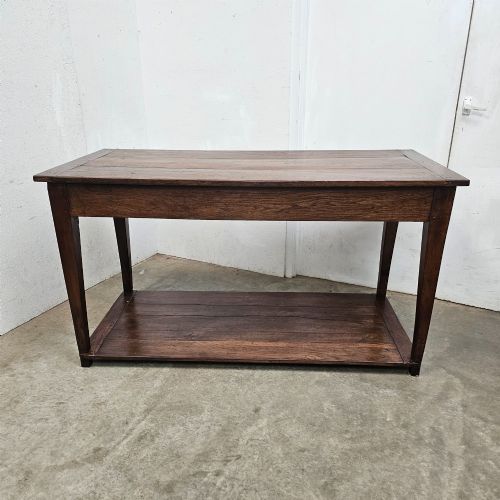
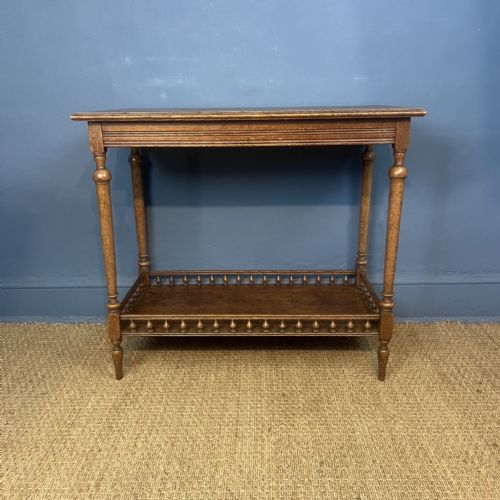
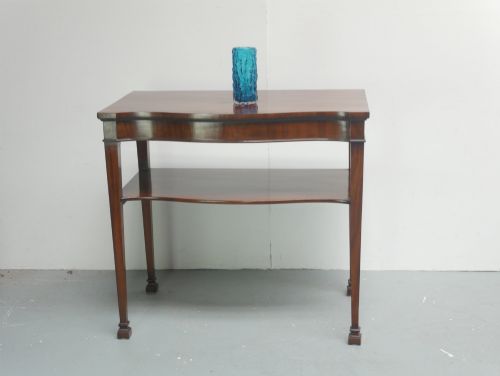
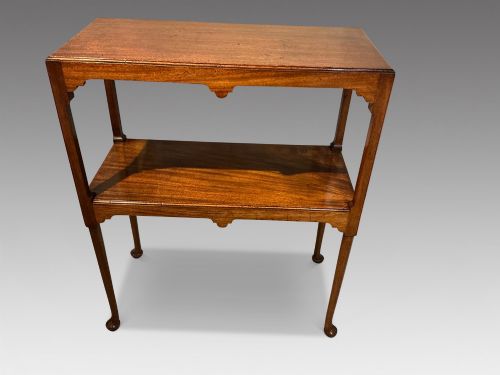
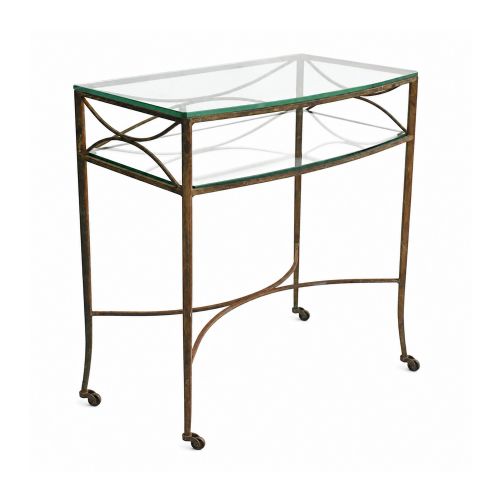


Two Tier Console Table
A two tier console table offers functional surface space across dual levels, making it a practical choice for hallways and living rooms.
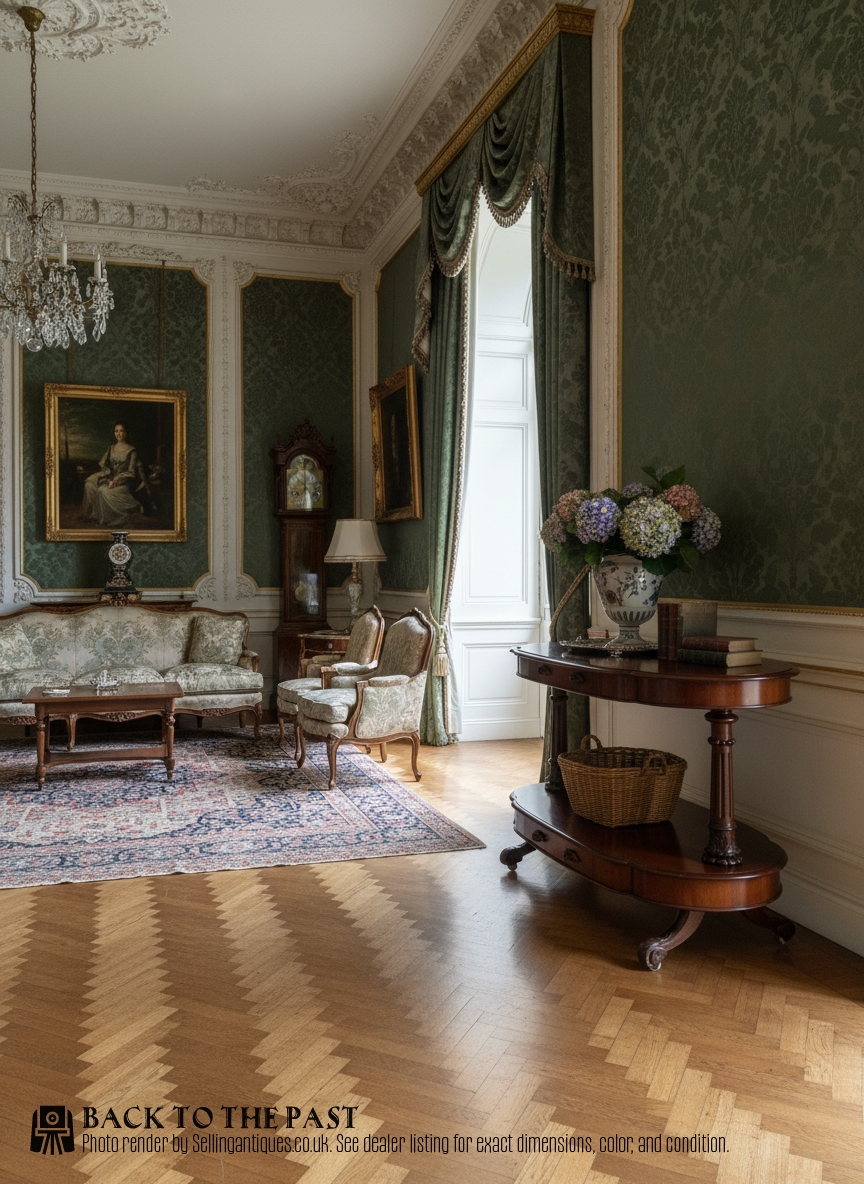
Two Tier Console Table
A two tier console table provides an upper surface and a lower shelf, fulfilling both display and storage needs in compact spaces. These pieces appear in forms ranging from narrow hall tables to occasional furniture and serving pieces.
The pieces on this page span the nineteenth century, the Regency era, the Victorian period, and the Edwardian era. Oak, mahogany, and walnut dominate the selection, alongside rarer examples in fruitwood, alder, and ebonised wood.
Makers and designers utilised diverse regional styles, including French Provincial, Aesthetic Movement, and industrial designs. Buyers encounter everything from simple oak hall stands to inlaid mahogany display tables.
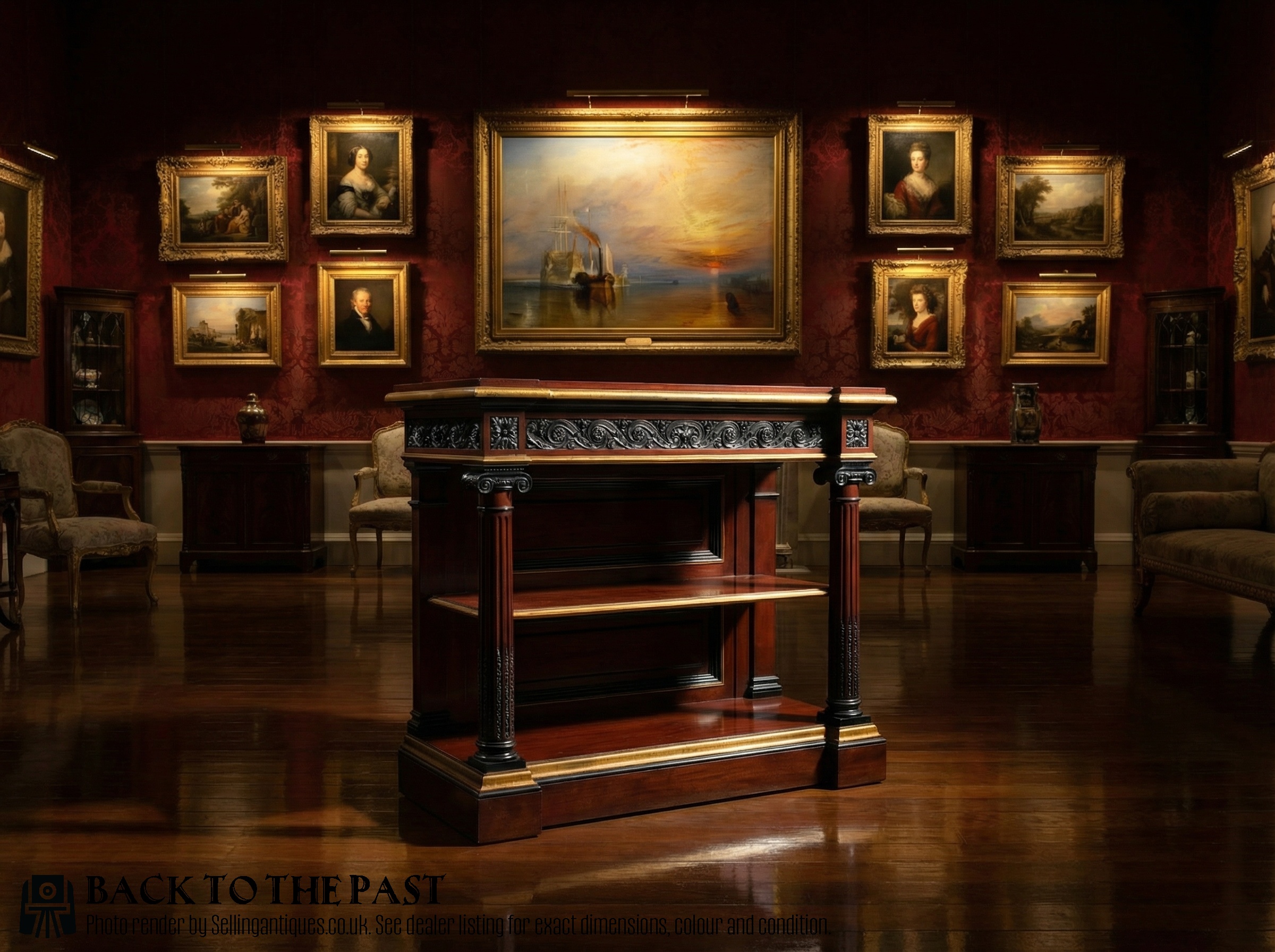
How they were made
Cabinetmakers constructed these tables using solid timbers such as mahogany, oak, and walnut, frequently applying veneers like burr walnut or marquetry. Frames often incorporate turned legs, carved supports, or cast-iron elements depending on the period and style.
Surface decoration ranges from parcel gilt and painted satinwood to intricate floral inlay and carved motifs like the Green Man. Joinery methods reflect traditional workshop practices, utilising pegged joints, dovetailing, and sturdy stretcher bases to support the second tier.
Two Tier Console Table Retail Price Guide 2026
Typical asking prices for two tier console table among the pieces listed under this phrase on Sellingantiques today, from the lower quarter to the upper quarter. They describe what is for sale here now, not the wider market.
One unexpected survivor is a carved oak table featuring the mythical Green Man peering out from the woodwork.
What varies in quality
The grade of timber and the precision of the veneer selection set finer examples apart from standard utility furniture. Master workshops achieved crisp carving, balanced proportions, and seamless joints that endure across generations.
Design ambition also dictates distinction, moving from straightforward oak hall tables to elaborate French marquetry pieces or items bearing attribution to notable makers. Original hardware, intact tiers, and preserved surface finishes elevate the standing of any piece.
The Two Tier Console Table Glossary
- Console table
- A table designed to stand against a wall, frequently secured to it or supported by ornamental brackets.
- Etagere
- A piece of furniture consisting of a set of open shelves for displaying small objects or ornaments.
- Dumb waiter
- A tiered stand or movable piece of furniture used for holding food or tableware.
- Marquetry
- Decorative woodwork where pieces of veneer are fitted into a ground to form ornamental patterns.
- Parcel gilt
- Partly gilded with gold leaf or gold paint, usually highlighting specific carved details or mouldings.
Two Tier Console Table: Frequently Asked Questions
Where should I place a two tier console table?
These tables suit narrow hallways, entryways, or living spaces where surface area is needed without blocking movement.
The lower shelf allows for practical storage of books or boxes, while the top surface holds lamps or decorative items.
How do I identify the period of a table?
Examine the timber selection, construction methods, and decorative style to determine the era of manufacture.
Victorian and Edwardian pieces often feature mahogany or oak with specific turnings, whereas Regency examples show neoclassical influences.
What is the difference between a console and a side table?
Console tables traditionally stood against walls, sometimes supported by wall brackets, whilst side tables functioned freestanding.
Over time, these distinctions blurred, and many pieces serve identical roles in modern interiors.
Are these tables sturdy enough for daily use?
Period tables constructed from solid hardwoods like oak and mahogany offer robust durability for everyday placement.
The inclusion of a lower tier or stretcher base typically adds structural stability to the frame.