
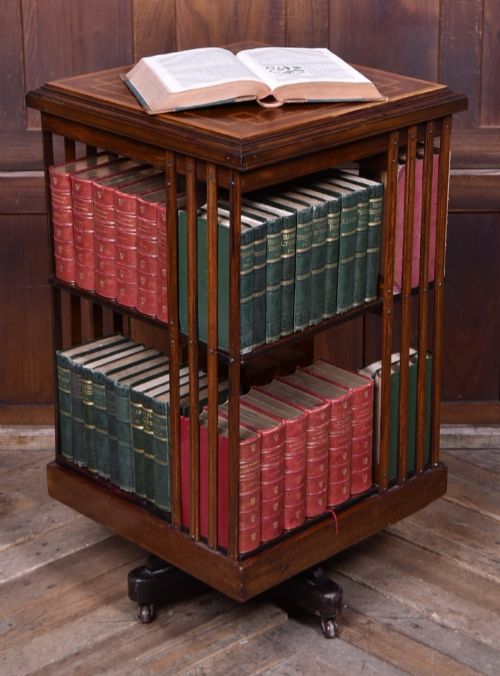
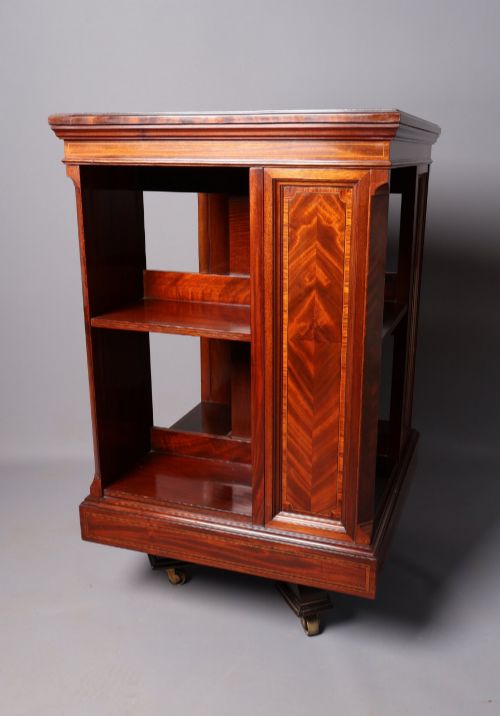
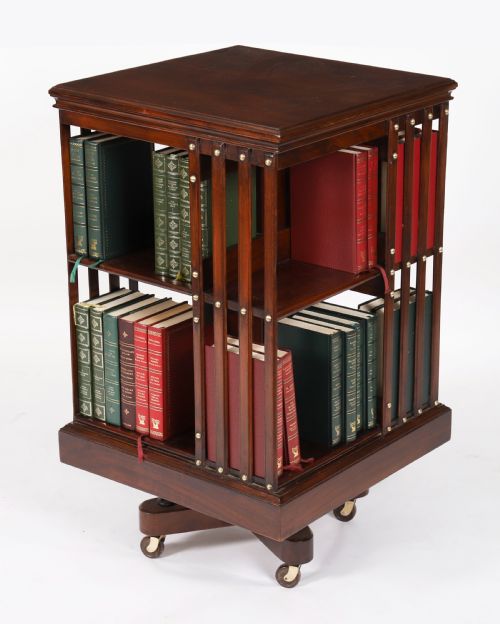


Two Tier Bookstand
A two tier bookstand brings compact utility and traditional timberwork into a room, offering accessible shelving that turns with a gentle push.
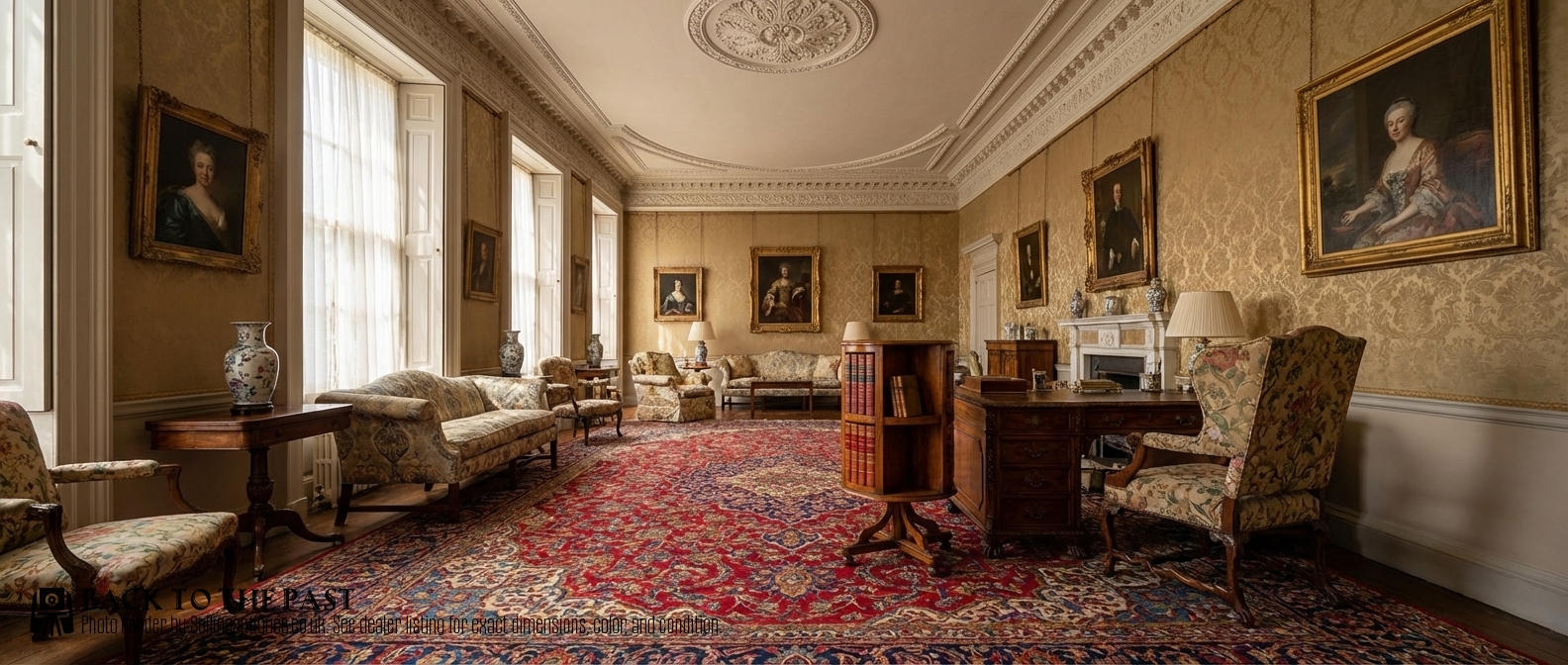
Two Tier Bookstand
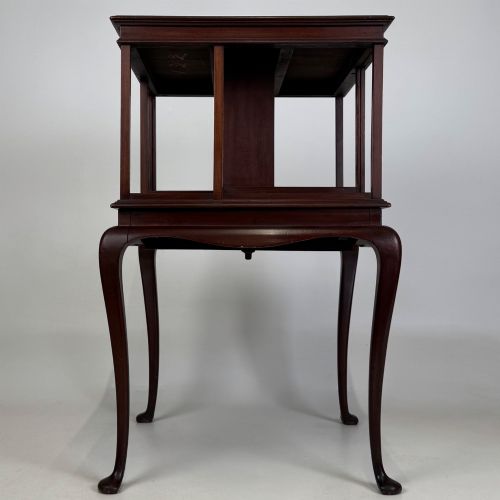
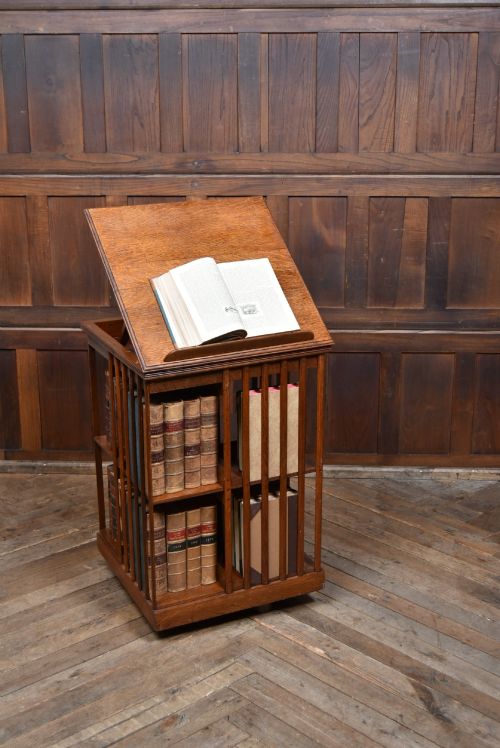
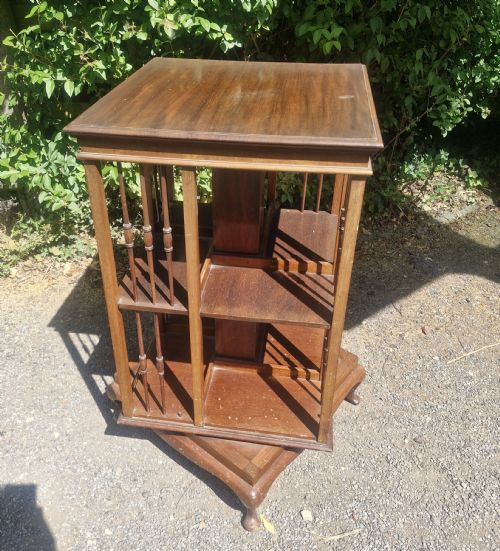
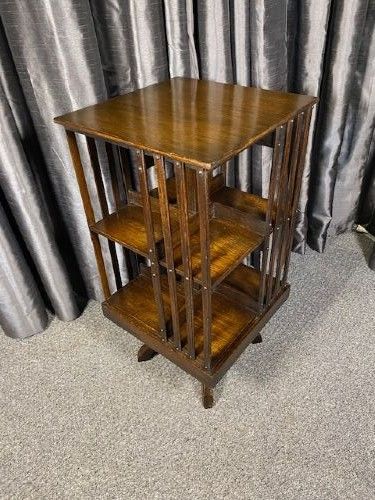
A two tier bookstand functions as a freestanding repository for volumes, designed to sit beside a desk or armchair for easy selection. The pieces found here predominantly take the form of revolving bookcases originating from the late nineteenth and early twentieth centuries.
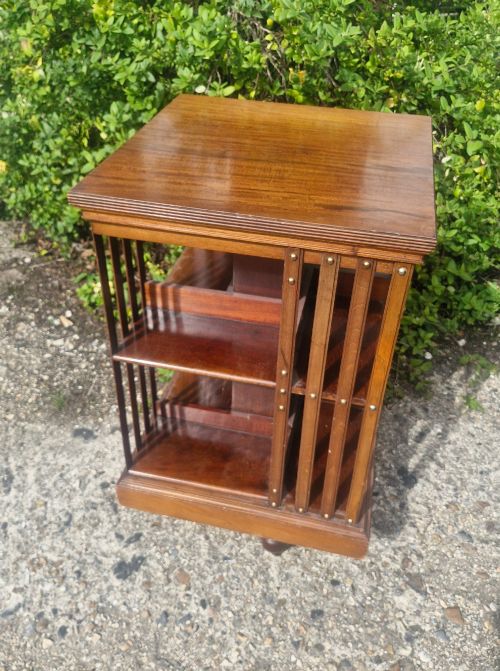
Makers constructed these sturdy compact units primarily in mahogany and oak, reflecting the prevailing domestic tastes of the Victorian, Edwardian, and Arts and Crafts periods. Most examples present a square or circular footprint divided into two distinct levels of storage separated by vertical partitions.
Buyers encountering this search phrase will find that the physical evidence points directly towards rotating tabletop or floor-standing models. These variations provided practical book storage for studies and drawing rooms without demanding excessive floor space.
How they were made
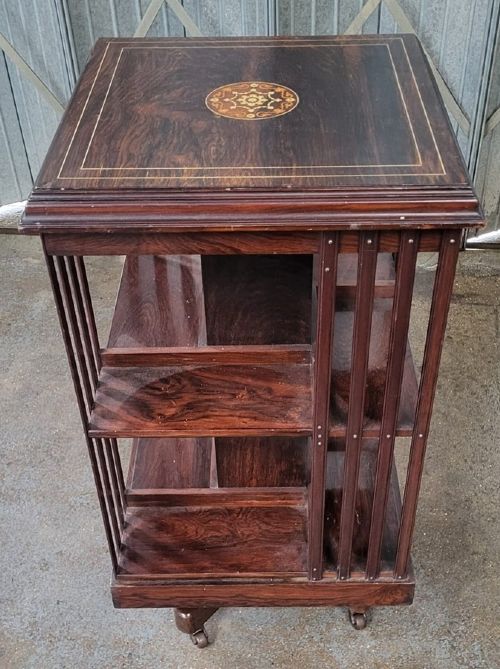
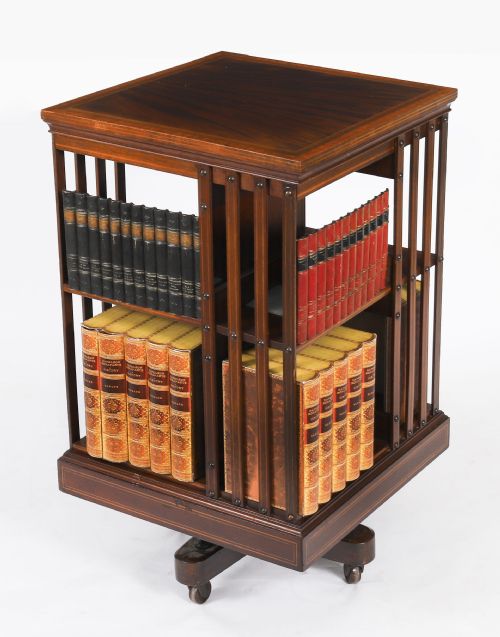
Cabinetmakers relied on solid timbers such as mahogany and oak, often selecting flame veneers or adding delicate satinwood inlay to create visual contrast on the top surfaces. The underlying framework required robust joinery to support the weight of heavy volumes on both tiers.
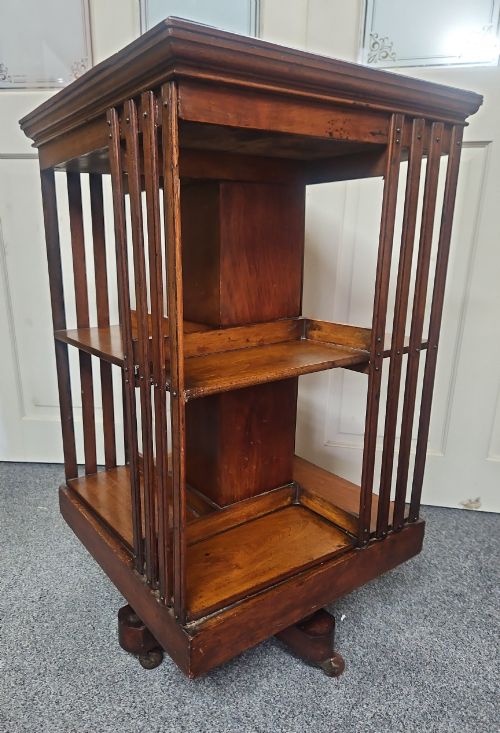
The defining mechanical feature involves an internal iron or brass revolving mechanism that allows the entire upper structure to turn smoothly on a fixed base. This concealed swivel apparatus required precise engineering to ensure stability during rotation.
What varies in quality
The distinction between standard production and superior craftsmanship lies in the selection of timber grain and the finesse of decorative inlay. Better examples utilise figured mahogany or rich golden oak with meticulous attention paid to the matching of veneers across the tiers.
Mechanical smoothness also dictates the standing of a piece, where a well-engineered pivot mechanism operates silently and without lateral wobble. Superior execution extends to the internal slatted partitions and the crispness of any applied mouldings.
Maple and Co
The Two Tier Bookstand Glossary
- Revolving bookcase
- A freestanding bookstand equipped with an internal pivot mechanism allowing the cabinet to rotate freely for easy access. This clever design became a household staple during the late Victorian and Edwardian eras.
- Flame mahogany
- A timber cut from the fork of the mahogany tree to reveal a distinctive flamed or feathered grain pattern. Cabinetmakers reserved this decorative wood for prominent exterior surfaces.
- Satinwood inlay
- Contrasting light-coloured wood inserted into recesses in a darker carcase to form decorative lines or motifs. This meticulous embellishment is frequently seen on Edwardian pieces.
- Arts and Crafts
- A design movement championing traditional craftsmanship and simple forms over mass-produced ornamentation. Pieces from this tradition often feature unadorned golden oak.
- Tier
- One of the distinct horizontal levels or decks used for stacking volumes within the bookcase structure. Two-tier models balance generous storage capacity with a compact vertical footprint.
Two Tier Bookstand: Frequently Asked Questions
How do these bookstands rotate?
An internal mechanism of metal ball bearings or a central spindle allows the wooden superstructure to turn independently of the weighted base. This clever engineering ensures the unit remains stable even when loaded unevenly with heavy volumes.
Users can simply spin the tiers by hand to reach titles stored on the opposing sides without having to walk around the furniture piece.
Where were these placed originally?
These compact units suited the studies, libraries, and drawing rooms of Victorian and Edwardian homes where floor space was at a premium. They frequently stood beside armchairs, desks, or reading tables for immediate access to reference books and novels.
Their freestanding nature meant they could occupy corners or sit centrally in a room without needing wall support.
How do I date a piece?
Dating relies on observing the timber choices, decorative motifs, and recorded manufacturing periods associated with the item. Pieces featuring rich mahogany and inlaid satinwood typically point towards the Edwardian era, while heavier golden oak often aligns with Arts and Crafts influences.
Makers' marks or stamps, when present, provide definitive confirmation of the workshop and production timeframe.
Are these suitable for modern homes?
The modest footprint and practical rotating design make these stands exceptionally well-suited for contemporary living spaces. They provide efficient vertical storage for modern collections while adding traditional warmth through polished timber surfaces.
Their traditional proportions allow them to function effectively as side tables or bedside units in addition to their primary purpose.