

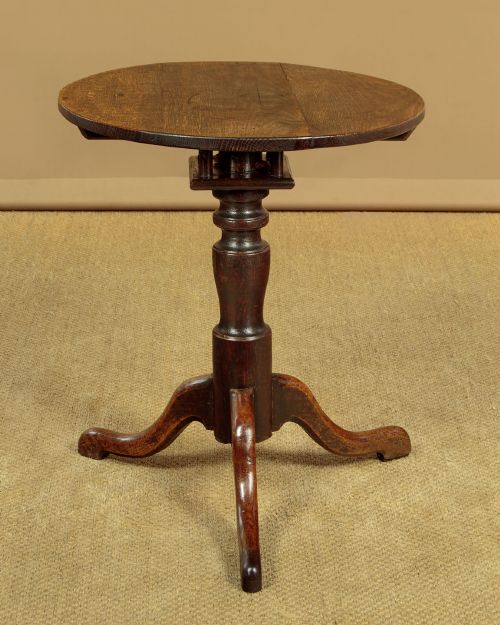
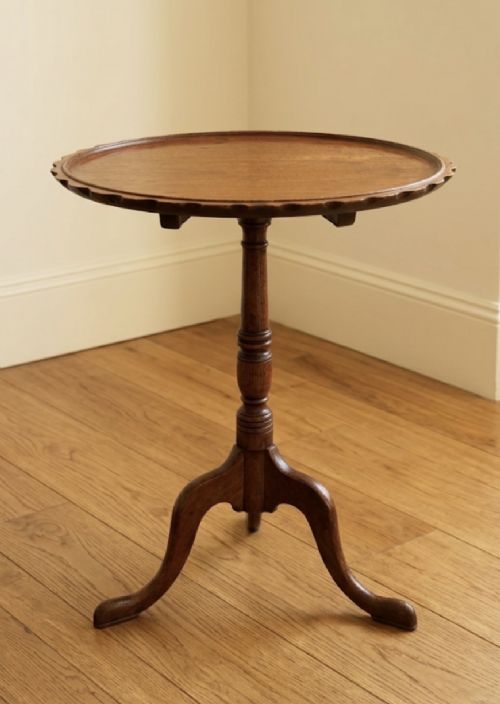


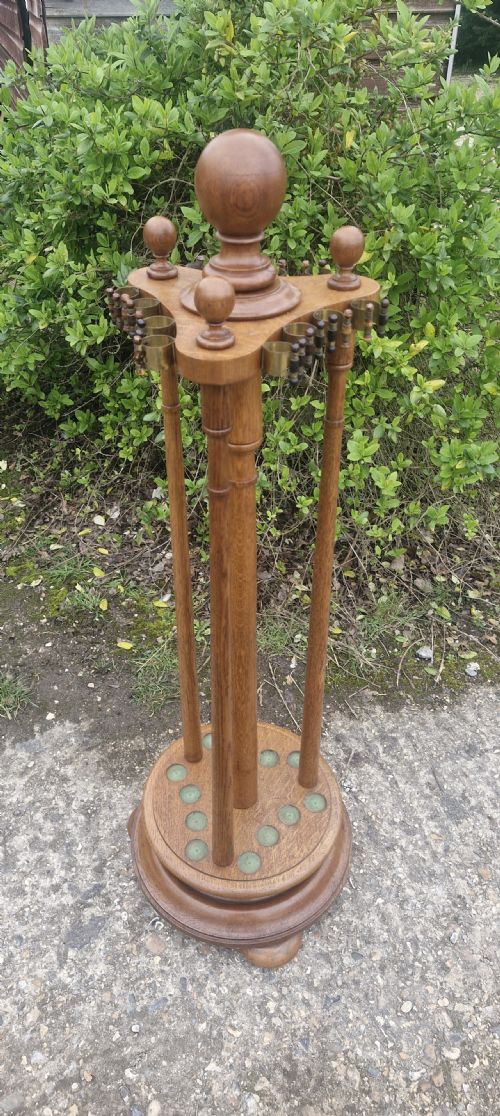

Circular Oak Stand
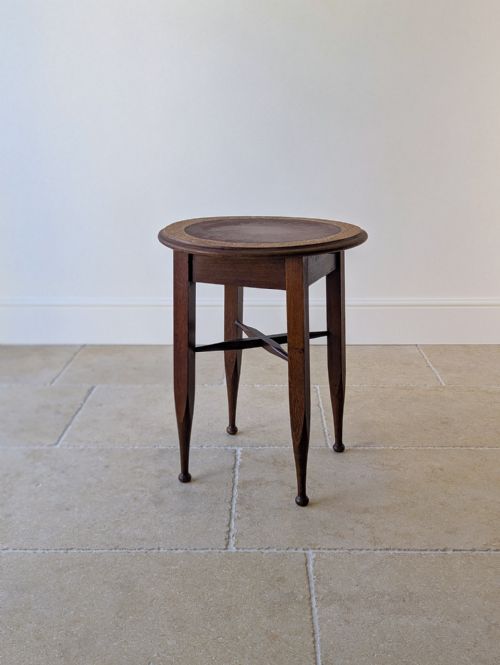
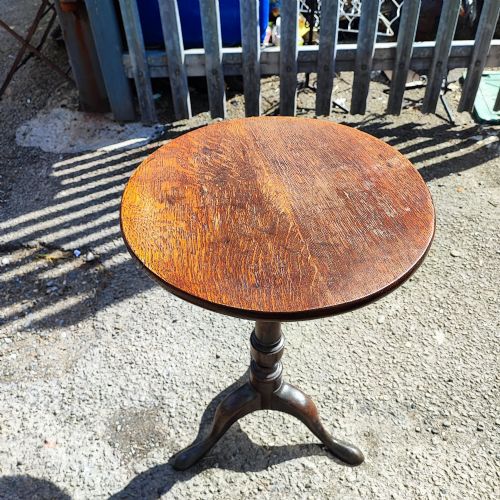
A circular oak stand brings honest timber grain and compact utility to a corner, spanning centuries of country and formal design.
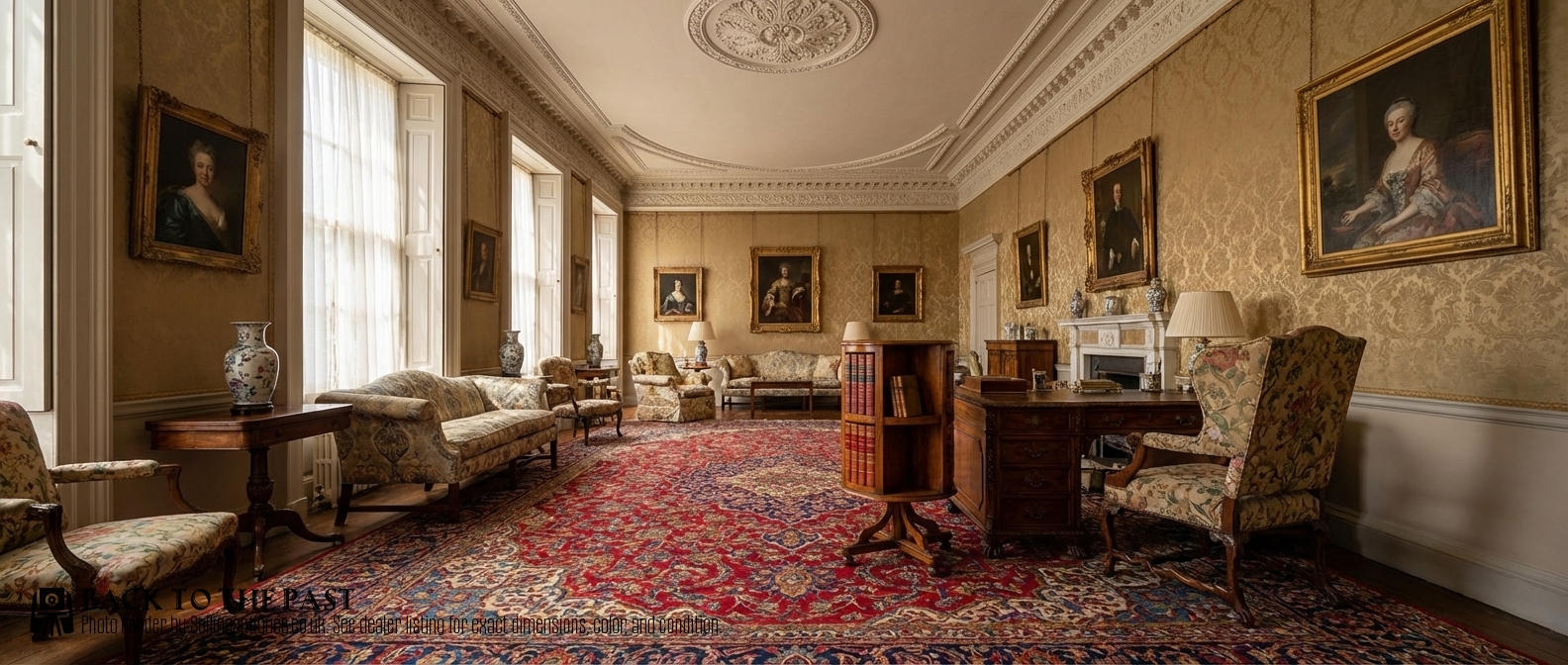
Circular Oak Stand
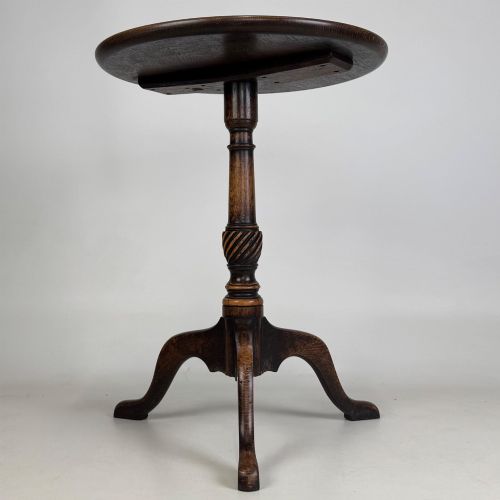
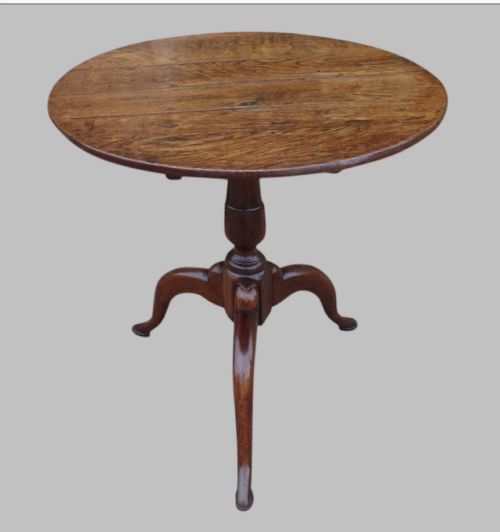
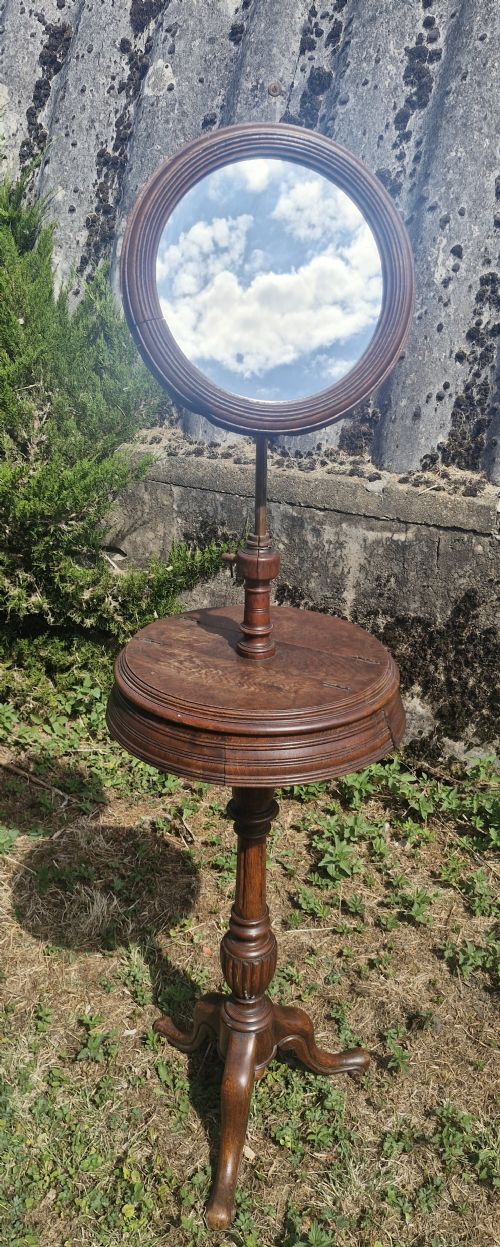
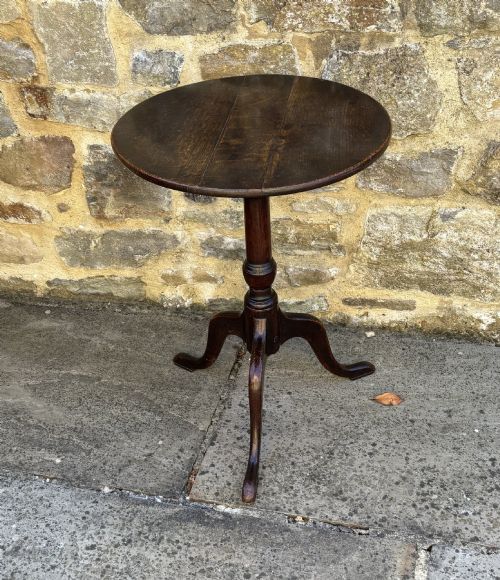
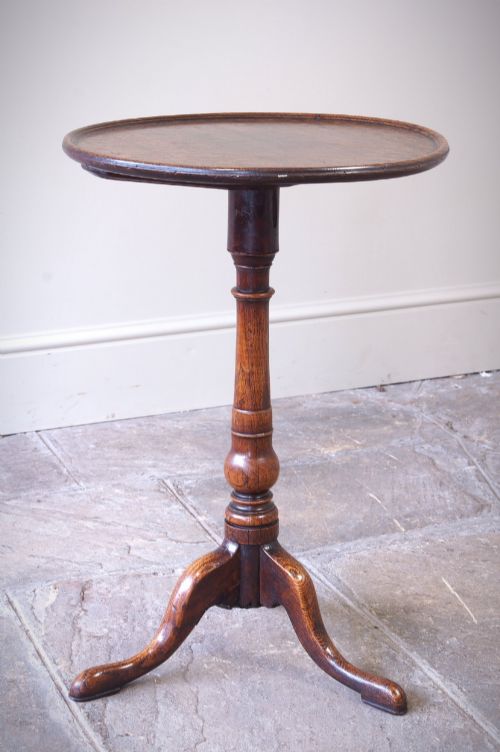
A circular oak stand covers a remarkably broad family of domestic furniture, ranging from small tripod wine tables and occasional pieces to plant holders and hall stands. When you search for a circular oak stand, the version you are most likely to meet on this page is the compact tripod table or occasional table dating from the Georgian and Victorian eras.
The historical record on this page stretches from the eighteenth century through the Victorian period and into the twentieth century, taking in George III examples alongside Arts and Crafts and Edwardian pieces. These items served practical daily uses in homes, functioning as surfaces for lamps, vessels, or reading material.
Form follows function closely across these pieces, with many featuring tilting tops, pedestal bases, or three-legged tripod supports designed to stand steady on uneven floors. Country workshops and vernacular makers produced sturdy utilitarian items, while urban cabinet makers refined the same basic geometric shape with decorative veneers and turning.
Materials and Construction
Oak forms the foundational material for these pieces, often selected as solid boards for table tops or sturdy framing for stands, sometimes complemented by burr oak, fruitwood, or mahogany. Timber was chosen for its durability and characteristic grain pattern, which responded well to hand planing and jointing.
Metal components appear frequently to add structural support or mechanical adjustment, utilising brass for casters, hinges, and bindings, alongside iron fittings. Coopered construction techniques govern stave-built umbrella and stick stands, while traditional turning shapes the central pillars of tripod tables.
Surface finishes relied on natural oils, wax polishes, and occasional painted treatments that developed rich patination over decades of domestic use. Snaptop mechanisms and birdcage assemblies allowed tilting tops to pivot and lock securely into position without complex modern hardware.
Listings span Georgian, Victorian, and Edwardian periods, utilising oak alongside secondary woods like mahogany, fruitwood, and brass.
Judgements of Quality
Quality in these pieces rests heavily on the character of the timber selection and the integrity of the original construction rather than decorative excess. An example with exceptional patination, unblemished grain, and tight historical joinery immediately separates itself from utilitarian or heavily restored alternatives.
Proportion and balance dictate the aesthetic success of pedestal and tripod forms, where slender legs must harmonise with the diameter of the top. Finer pieces demonstrate careful hand-finishing on turning and edges, whereas lesser items rely on heavy-handed replacement parts or crude repairs.
Originality of mechanism matters significantly for tilting tops and adjustable stands, preserving the authentic movement intended by the maker. Altered heights or mismatched components diminish the integrity of an antique, contrasting with untouched surfaces that retain their historical depth.
The Circular Oak Stand Glossary
- Tripod table
- A small freestanding table supported by a central pillar resting on three legs. This construction ensured stability on uneven rushes or floorboards in historical homes.
- Tilt-top table
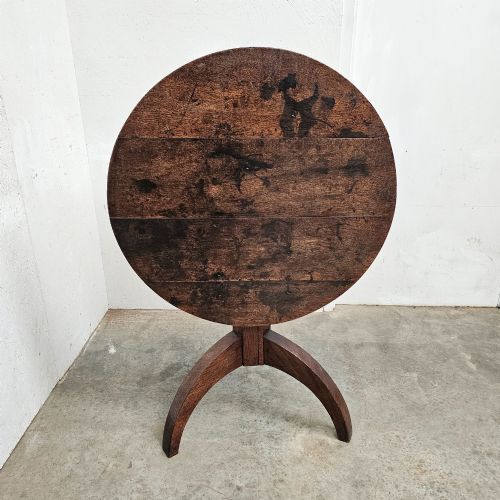
- A table equipped with a hinge mechanism beneath the top, allowing the surface to fold vertical when not in use to save floor space. These are sometimes referred to in period terminology as snaptop tables.
- Birdcage
- A rotating wooden block assembly beneath a table top that allows the surface to both pivot and tilt. It represents a more complex piece of cabinet work than a direct fixed pivot.
- Patination
- The deep surface sheen and colour acquired by wood and metal over decades of handling, exposure to light, and waxing. It serves as a visual indicator of age and genuine use.
- Coopered
- Built using narrow wooden staves bound together with metal hoops, following the construction method used for barrels. This technique appears in umbrella and stick stands.
Circular Oak Stand: Frequently Asked Questions
What were circular oak stands used for?
These items fulfilled diverse daily roles in historic interiors, functioning as surfaces for wine bottles, lamps, plants, or shaving gear.
Smaller tripod versions sat beside seating areas for convenience, while larger standing formats managed outerwear and accessories in hallways.
How do I date a Georgian oak table?
Dating relies on examining the construction methods of the underframe, the turning style of the central pillar, and the method used to attach the top.
Hand-cut fixings, pegged joints, and the natural wear patterns around the legs provide reliable clues to eighteenth-century origin.
What is a tilt-top mechanism?
A tilt-top mechanism uses a hinged block or catch beneath the table surface allowing the circular board to fold flat against the central pillar.
This practical feature enabled servants to store multiple tables against a wall when a room needed to be cleared for other activities.
How should I care for antique oak?
Antique oak benefits from simple cleaning with a soft dry cloth and occasional application of traditional beeswax to nourish the timber.
Keeping pieces away from direct heat sources and sudden humidity changes prevents the solid wood from splitting or warping over time.