
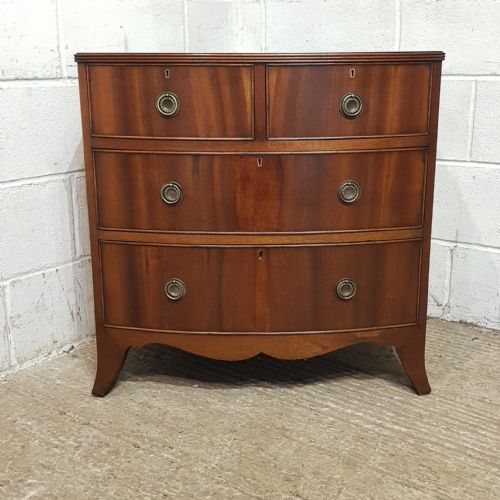


Two Short Two Long
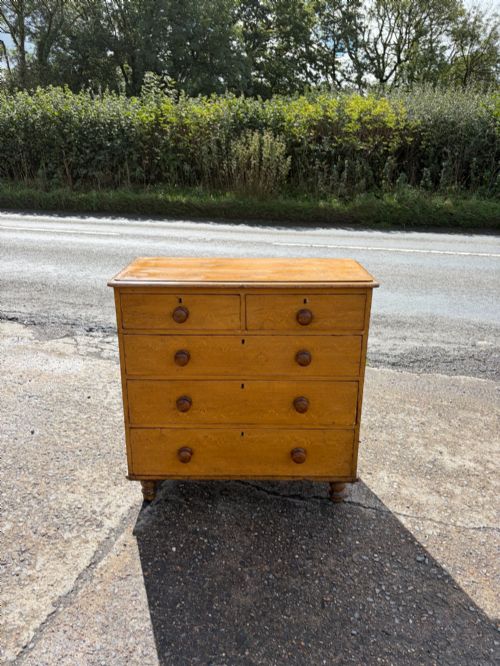
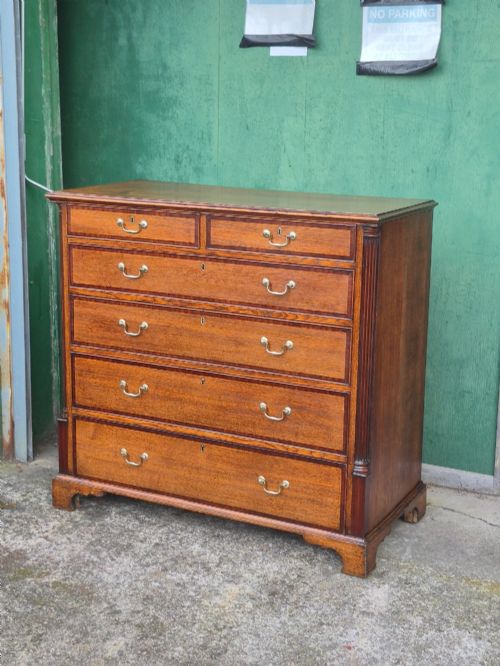
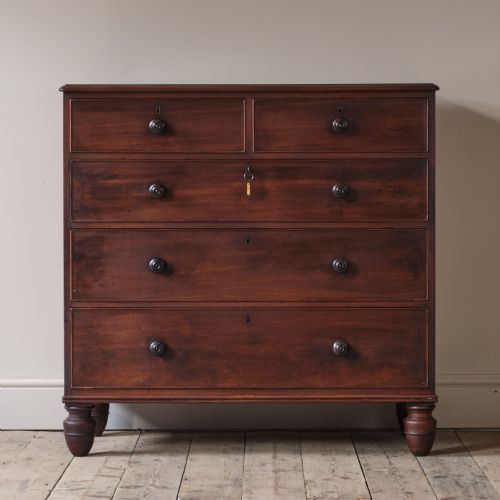
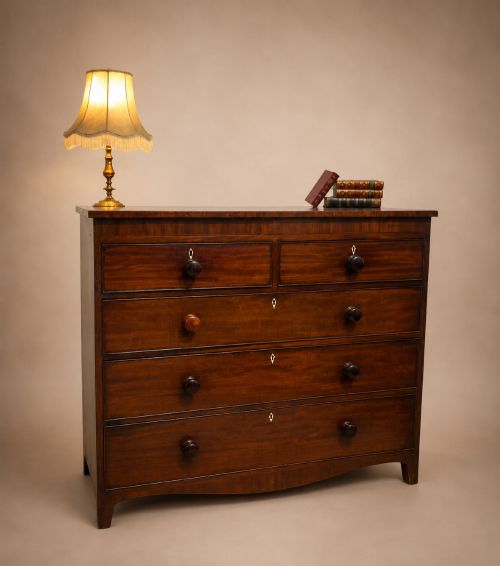
These two short two long chest of drawers pieces bring timeless storage and rich timber character into a room.
Two Short Two Long
A two short two long chest of drawers organises storage across a compact upper tier above deeper lower compartments. These pieces span from the late seventeenth century through the Victorian period, bringing historical presence into a modern interior.
The layout typically pairs two smaller drawers beside or above a graduated stack of three longer ones. Walnut, oak, and mahogany appear frequently across these listings, alongside painted pine and olive oyster veneers.
How they were made
Cabinet makers constructed these carcases using solid timbers such as oak and pine, often applying figured veneers like flame mahogany, laburnum, or walnut to the drawer fronts. Dovetail joints secure the drawer construction, while cross-banding and bracket or bun feet finish the lower profiles.
Turned wood handles and brass drawer pulls complete the hardware, reflecting the specific stylistic demands of their respective Georgian, Regency, or Victorian periods.
Some early walnut chests wear their oyster veneers like intricate wooden jigsaw puzzles cut from branches.
What varies in quality
The grade of timber and the precision of the veneer work set individual examples apart. Subtle details like graduated drawer depths and the choice of brass or turned wood hardware indicate the maker's original ambition.
Proportions also drive distinction, particularly in smaller proportions or pieces retaining original bracket feet and undisturbed surfaces.
T & G Seddon
The Two Short Two Long Glossary
- Graduated drawers
- Drawers that decrease in depth progressively from bottom to top. This arrangement creates balanced visual proportions on the facade.
- Oyster veneer
- Thin circular slices cut across small branches of walnut or olive wood. The technique produces intricate, repeating natural patterns across the surface.
- Cross-banding
- A narrow strip of veneer laid perpendicularly to the main grain direction. It frames drawer fronts and top panels for decorative contrast.
- Bracket feet
- Corner feet shaped like a bracket that support case furniture. They lift the carcase slightly off the floor.
- Dovetail joint
- An interlocking woodworking joint formed by wedge-shaped fingers. It provides strong, lasting tensile strength for drawer corners.
Two Short Two Long: Frequently Asked Questions
What is a two short two long chest?
A two short two long chest is a traditional storage piece featuring two smaller upper drawers positioned above a sequence of longer drawers.
This specific configuration allows for the separation of smaller garments or items from bulkier clothing while maintaining a balanced facade.
How do I date an antique chest?
Dating relies on examining timber species, construction methods, and hardware styles. Early pieces often utilise oak or walnut with oyster veneers, while later examples favour mahogany.
Foot styles also shift across periods, moving from bun feet in earlier centuries to bracket and splayed feet in Georgian and Regency eras.
Where should I place this chest?
These chests suit bedrooms, hallways, or living spaces where surface display and concealed storage are both useful. Their varied widths allow them to fit into both compact corners and larger walls.
Ensure placement avoids direct heat sources to protect the historic timber and veneer.
What woods were commonly used?
Cabinet makers utilised native and exotic timbers depending on the period. Oak and walnut dominate earlier examples, while mahogany becomes prevalent by the Georgian era.
Secondary woods like pine often appear in drawer linings and carcase backs.