


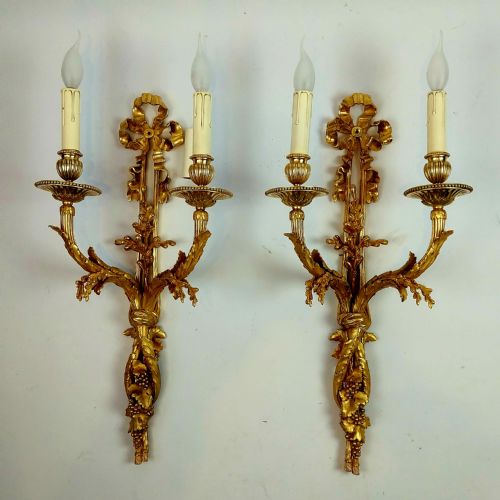


Two Light Bronze Sconces
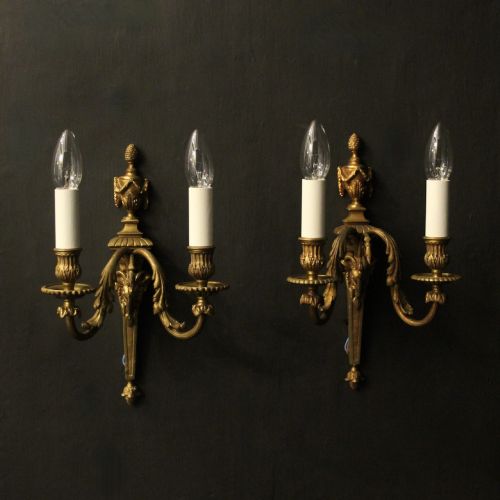
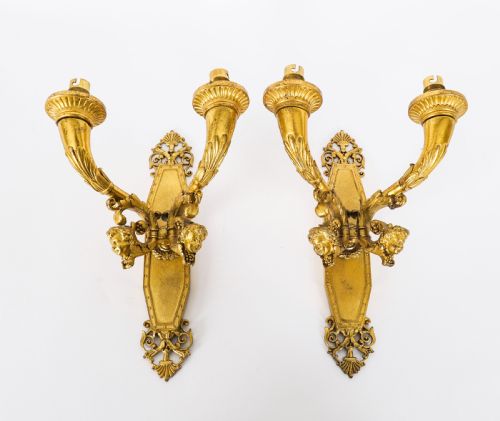
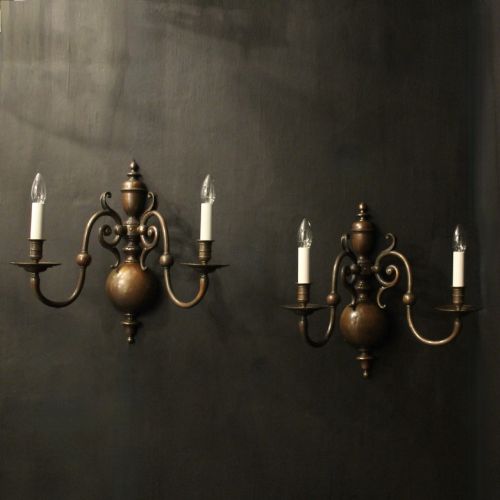
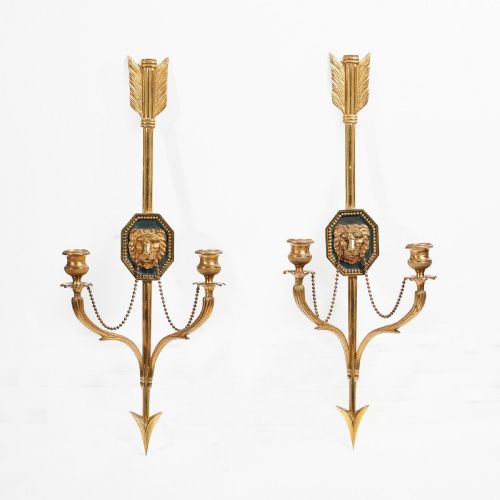
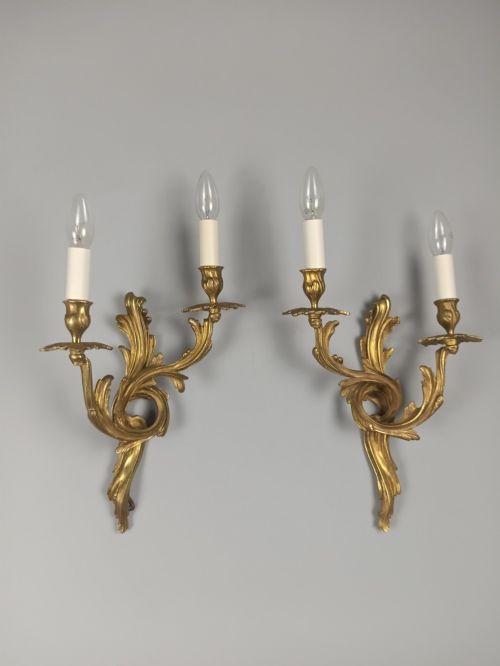
These two light bronze sconces bring enduring illumination to interiors through cast metal forms originating largely in nineteenth and early twentieth century France.
Two Light Bronze Sconces
A search for two light bronze sconces presents wall-mounted lighting fixtures designed with dual arms or branches to hold illumination. These pieces predominantly take the form of French wall lights and appliques, spanning periods from the nineteenth century into the 1930s.
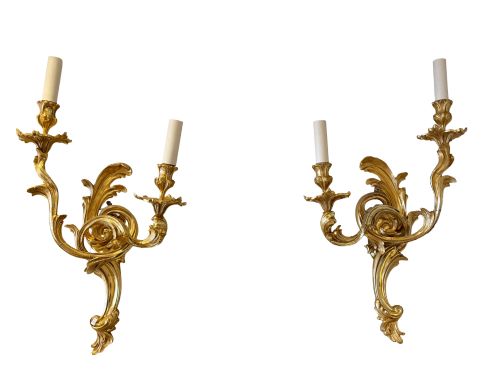
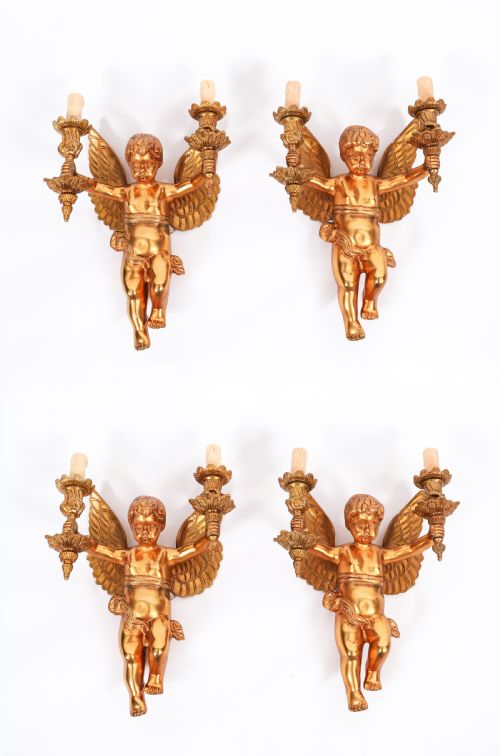
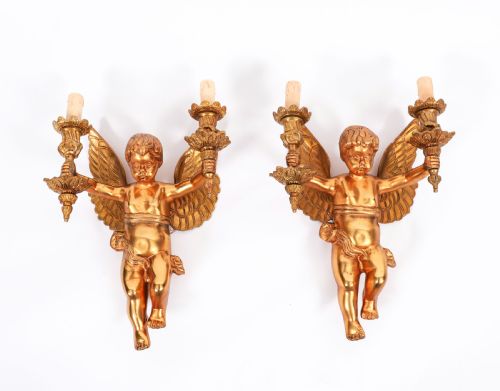
The selections encountered here show strong stylistic roots in French Rococo, Empire, and Louis revival designs. Makers and designers utilised classical motifs, cherubs, and ornate scrolling forms to ornament domestic interiors across Europe.
Materials and Construction Techniques
The physical build of these fixtures relies heavily on bronze, brass, and ormolu, often enhanced through fire gilding or surface plating. Artisans cast these metals in detailed moulds to achieve the scrolling arms and figural details characteristic of the periods.
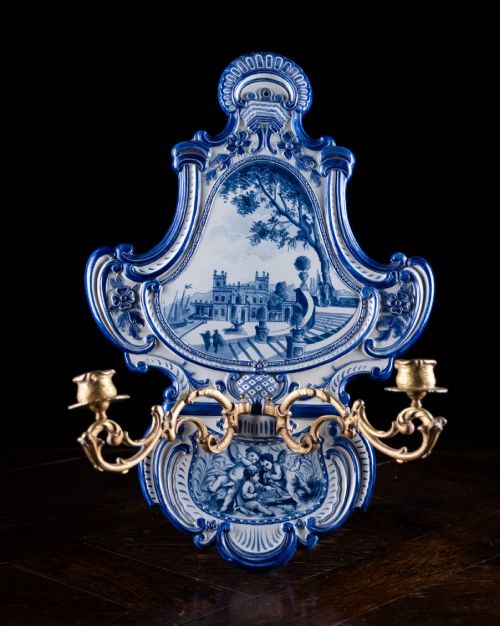
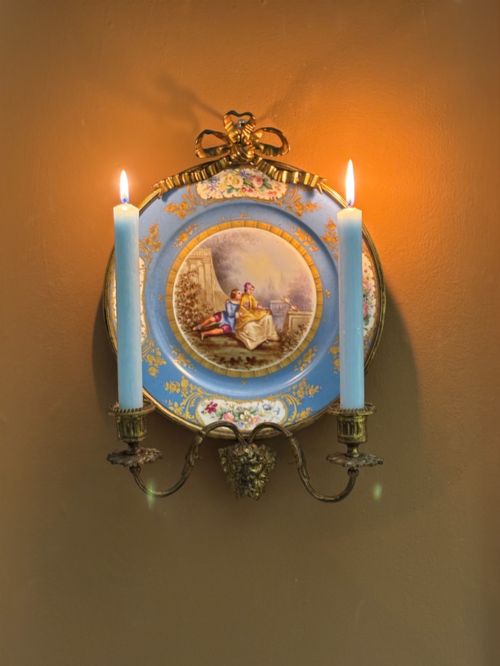
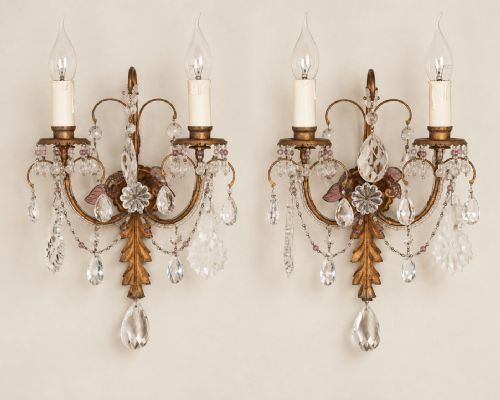
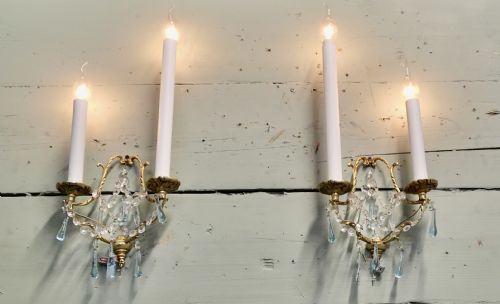
Many examples integrate glass and crystal elements, suspending prisms or drops from the metal frames to refract the light. The combination of cast bronze with applied porcelain or crystal details demonstrates the composite nature of nineteenth-century manufacture.
Two Light Bronze Sconces Retail Price Guide 2026
Typical asking prices for two light bronze sconces among the pieces listed under this phrase on Sellingantiques today, from the lower quarter to the upper quarter. They describe what is for sale here now, not the wider market.
The listings span periods from the nineteenth century through to the 1930s, utilising materials such as gilt bronze, crystal, and ormolu.
Distinctions in Quality and Execution
The division between standard production and superior work rests in the crispness of the metal chasing and the depth of the gilding. Finer pieces display sharply defined ornamentation on the bronze cast, whereas lesser examples show softer edges from worn moulds.
The integration of secondary materials such as porcelain mounts or cut crystal drops separates baseline decorative items from elaborate compositions. Heavier gauge metalwork and secure structural joints further distinguish robust historical examples from lighter alternatives.
The Two Light Bronze Sconces Glossary
- Ormolu
- Gilded bronze, typically achieved through the application of a mercury and gold amalgam to a bronze base. This technique produces a rich golden surface finish seen on many historical French wall lights.
- Applique
- A wall-mounted light fixture or sconce designed to hold candles or electric lamps. The term frequently appears in descriptions of French lighting from the nineteenth century.
- Rococo Revival
- A nineteenth-century design style drawing on the asymmetrical scrolls, shell motifs, and natural forms of the eighteenth-century French Rococo movement. This style dominates many of the twin-arm sconces listed on this page.
- Louis XV Style
- An aesthetic referencing the decorative arts of the mid-eighteenth-century French court, characterised by curved lines and floral asymmetry. Pieces in this style often feature prominently in period lighting.
- Empire Style
- A neoclassical design movement originating in early nineteenth-century France, drawing inspiration from ancient Roman and Greek forms. Such sconces display formal symmetry and military or classical motifs.
Two Light Bronze Sconces: Frequently Asked Questions
How do I wire historical wall lights?
Most antique fixtures require professional rewiring to meet modern electrical safety standards while preserving the original metal frame.
Qualified electricians can thread modern flex through the existing arms without damaging the bronze structure.
Where should I place twin arm sconces?
These fixtures suit placement on either side of a fireplace, large mirror, or architectural doorway to provide balanced ambient light.
Their dual-branch design casts adequate illumination across walls without dominating smaller room proportions.
How do I clean gilded bronze sconces?
Dusting gently with a dry, soft brush prevents the accumulation of grime without harming the delicate gilt surface.
Harsh chemical polishes must be avoided entirely, as they strip away the historical ormolu finish.
How can I date a bronze wall light?
Dating relies on examining the casting quality, screw types, mounting brackets, and stylistic indicators such as Rococo or Empire revival cues.
Comparing the manufacturing technique against documented nineteenth and early twentieth-century examples helps narrow the period of origin.