

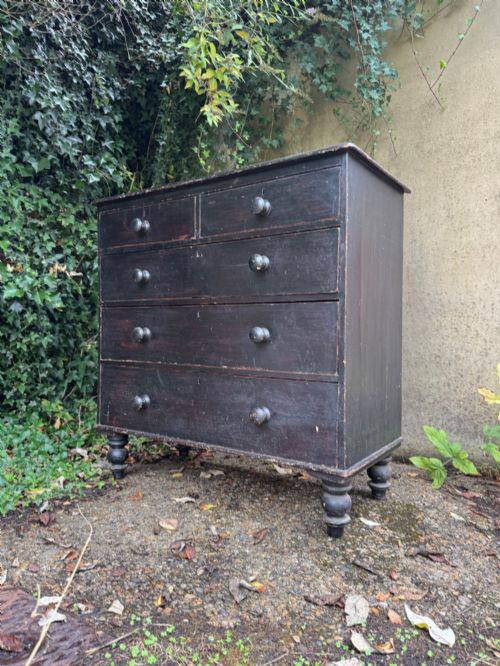
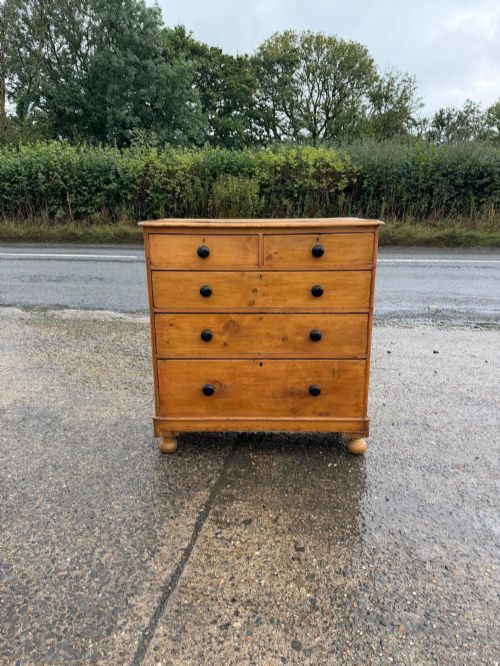
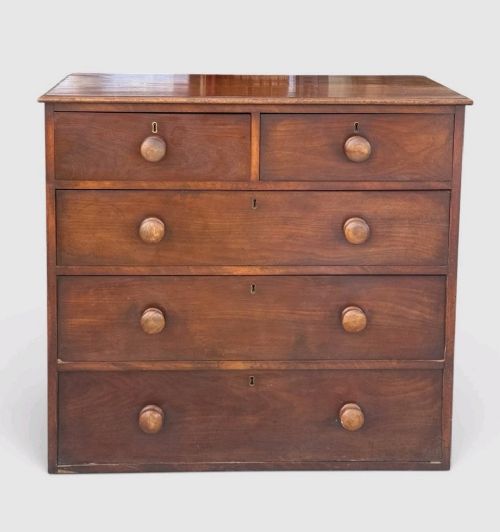
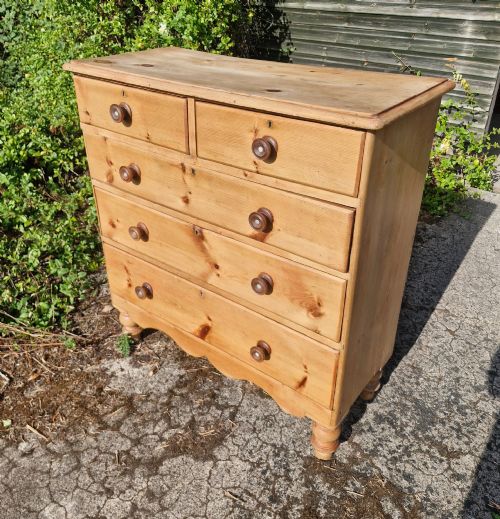
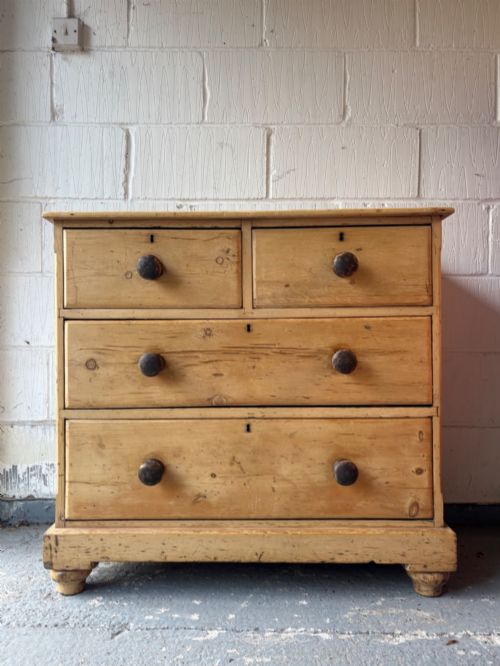
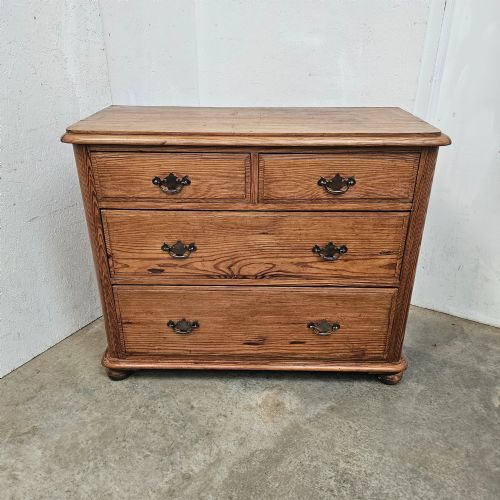
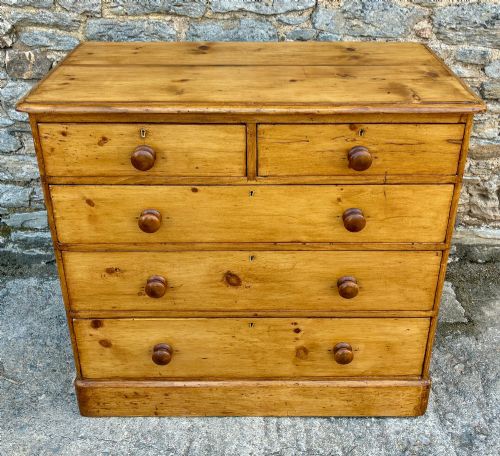
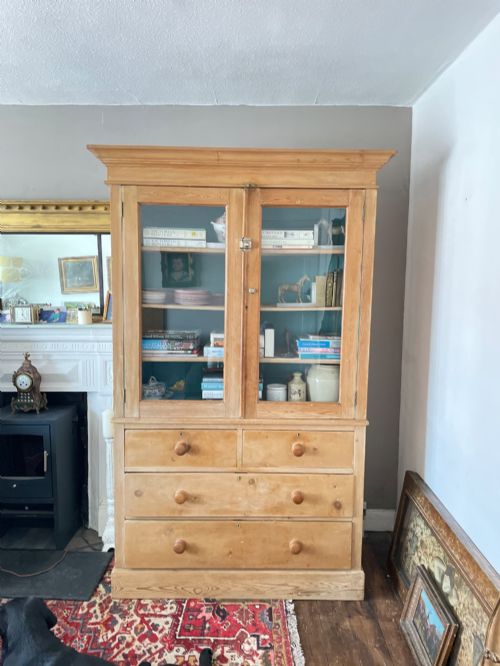
Two Drawer Pine Dresser
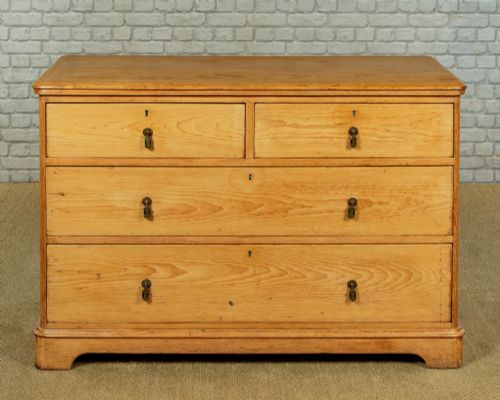
A two drawer pine dresser brings honest domestic utility to a room, offering sturdy storage fashioned from softwoods.
Two Drawer Pine Dresser
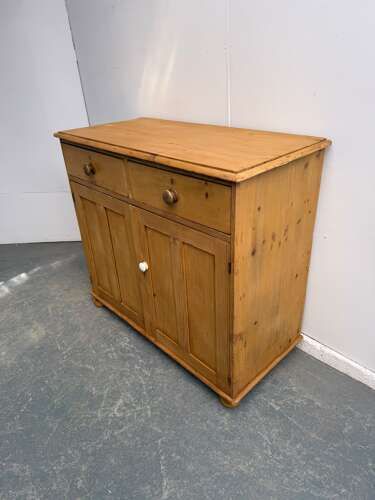
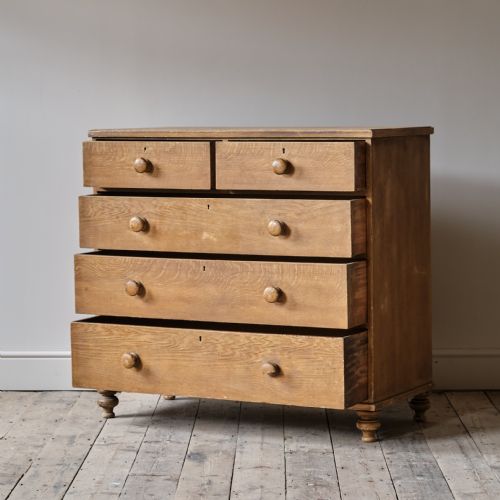
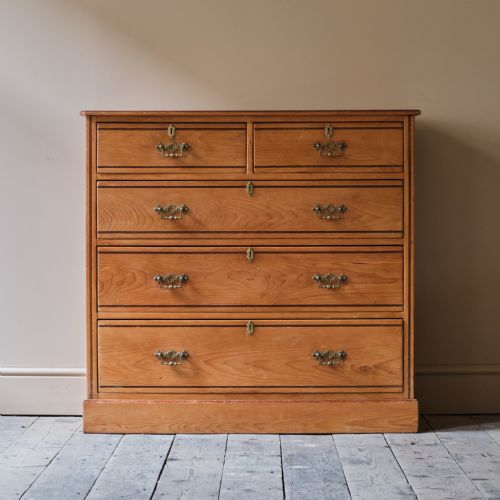
A two drawer pine dresser typically presents as a dresser base or a chest of drawers, built primarily from various softwoods during the nineteenth and early twentieth centuries. These pieces emerge from Victorian, Edwardian, and Regency periods, reflecting domestic practicalities across English, European, and Welsh contexts.
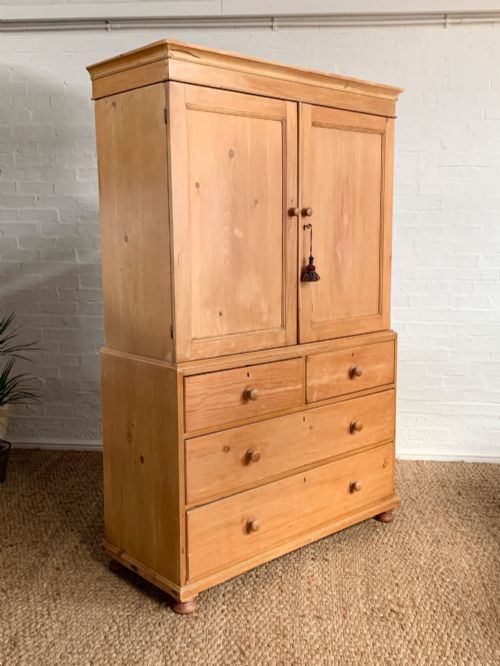
Buyers seeking a two drawer pine dresser will frequently encounter variations featuring glazed upper cabinets, potboards, or lower cupboards paired with two top drawers. The forms range from scrubbed kitchen bases to waxed or painted storage units designed for bedrooms and living spaces.
Materials and construction methods
Construction relies heavily on pine, pitch pine, and oregon pine, assembled alongside structural elements of iron, brass, and metal for hardware like bun handles. Workshops frequently applied surface treatments including traditional wax finishes, original paint, scumble glazes, or plain scrubbing to protect the soft timber.
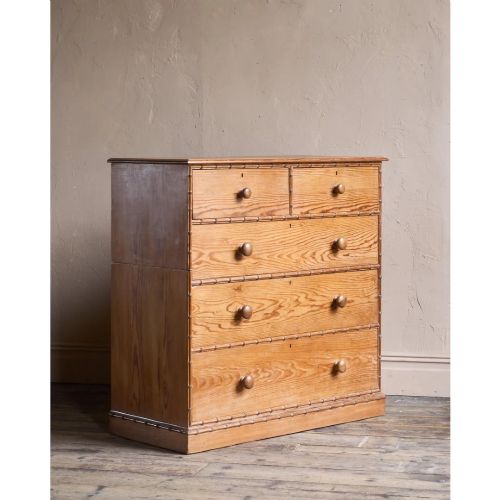
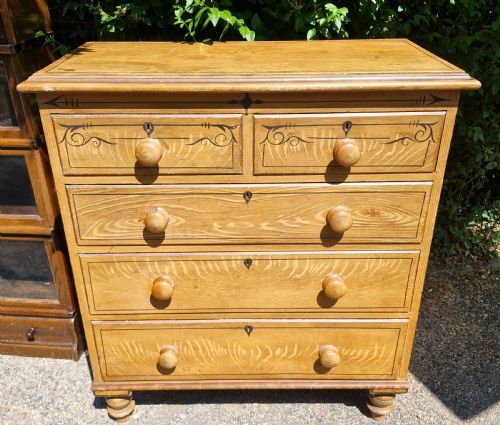
Cabinet makers joined timber panels using traditional joinery suited to utilitarian furniture, accommodating the natural movement of softwood over decades of domestic service. Surviving examples demonstrate both straightforward workshop production and decorative touches such as faux bamboo or shaped bases.
Listings feature pieces spanning the Victorian, Edwardian, and Regency periods, constructed from pine, pitch pine, and oregon pine.
Distinctions in construction and finish
Quality rests in the survival of original surfaces, where undisturbed early paint or honest waxed patination elevates a piece above later stripped or heavily altered examples. The integrity of the timber framing, drawer linings, and backboards determines the structural longevity of each item.
Refinement appears in proportion and detail, such as well-turned bun handles, balanced door panels, and integrated potboards, distinguishing everyday utility items from more considered regional workshop productions.
The Two Drawer Pine Dresser Glossary
- Dresser base
- A lower sideboard or cabinet section without upper shelving, often equipped with cupboards and drawers for kitchen or dining storage.
- Scrubbed pine
- Timber surfaces cleaned thoroughly with soap and water over generations, leaving a pale, matte finish free of varnish or wax.
- Scumble
- A decorative painting technique involving translucent colour dragged over a base coat to imitate the grain of richer hardwoods.
- Potboard
- An open lower shelf fitted between the legs of a dresser base, traditionally used for storing earthenware and pots.
- Bun handle
- A small, rounded wooden knob turned on a lathe, commonly affixed to drawers on nineteenth-century furniture.
Two Drawer Pine Dresser: Frequently Asked Questions
What is a two drawer pine dresser?
A two drawer pine dresser is a utilitarian storage item, usually comprising a lower cabinet or base with a pair of drawers positioned above doors or open shelving.
These pieces originate predominantly from the nineteenth and early twentieth centuries, reflecting the domestic requirements of English, Welsh, and European homes.
How do I care for a waxed pine finish?
Waxed pine surfaces benefit from occasional applications of natural beeswax, applied sparingly and buffed with a soft cloth to maintain the lustre of the wood.
Avoid placing these items in direct sunlight or near heat sources to prevent the softwood from drying out or splitting.
Are these pieces painted or natural wood?
Examples appear in both states, with many retaining their original paint finishes, scumble glazes, or grey decorative schemes applied during the Victorian period.
Alternatively, numerous pieces feature waxed or scrubbed pine surfaces that expose the natural grain and knotting of the softwood.
Where were these dressers originally used?
These items served primarily in kitchens, sculleries, and bedrooms as functional storage for household linens, provisions, and utility ware.
Today, their robust construction and generous proportions make them adaptable for modern living spaces as sideboards or storage consoles.