
Two Drawer Dressing Table
A two drawer dressing table offers compact storage and a functional surface, bridging the gap between a desk and a vanity.
Two Drawer Dressing Table
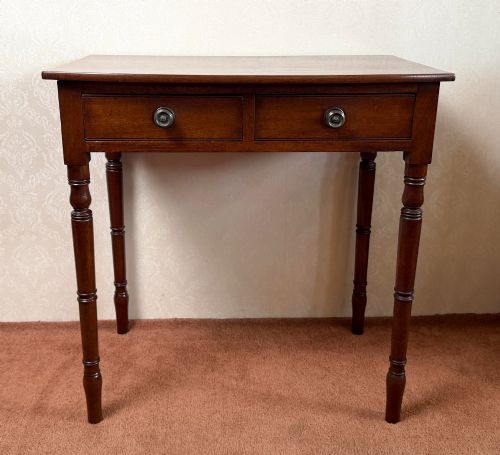
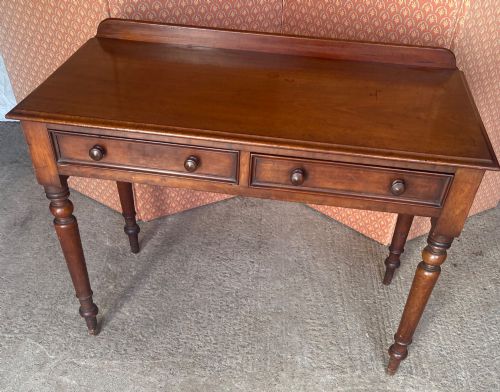
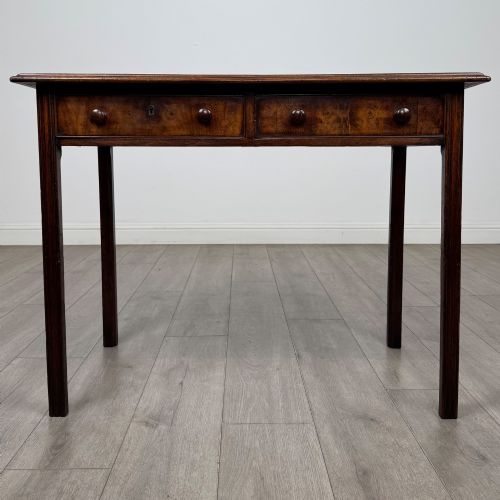
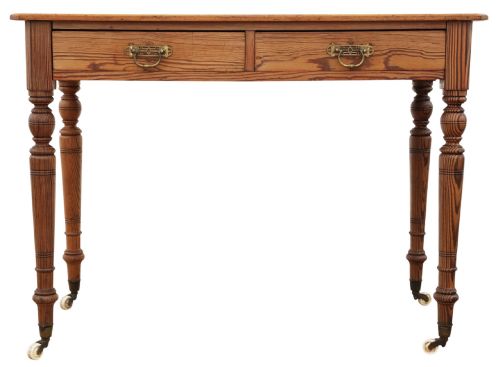
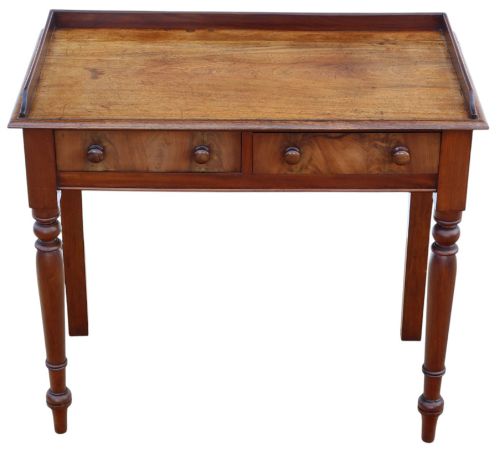
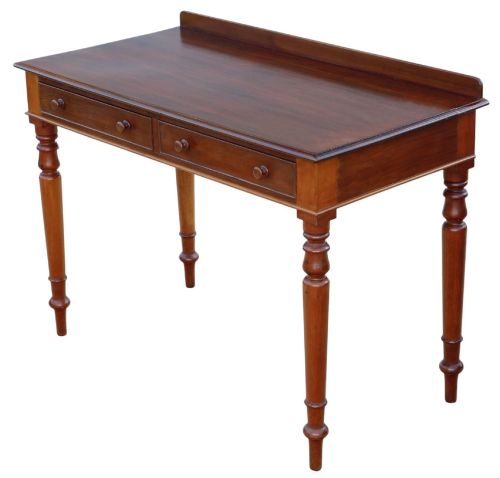
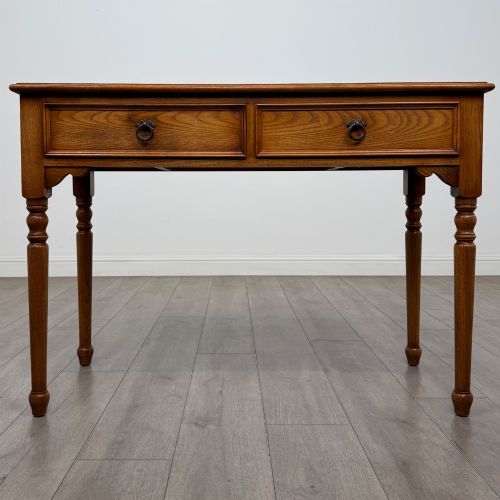
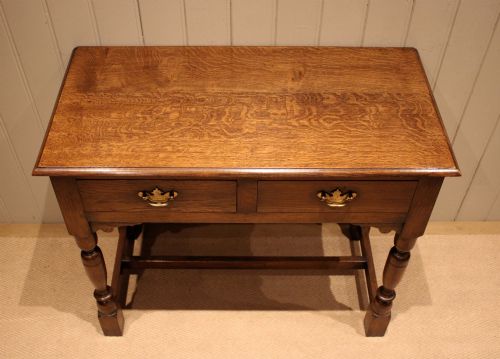
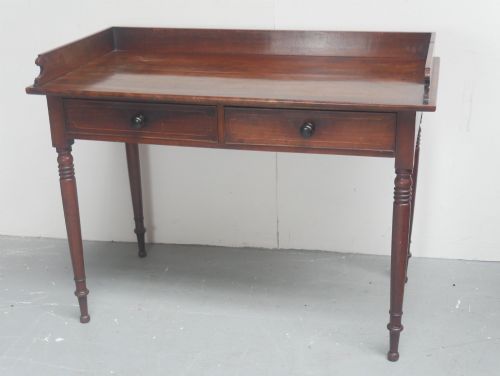
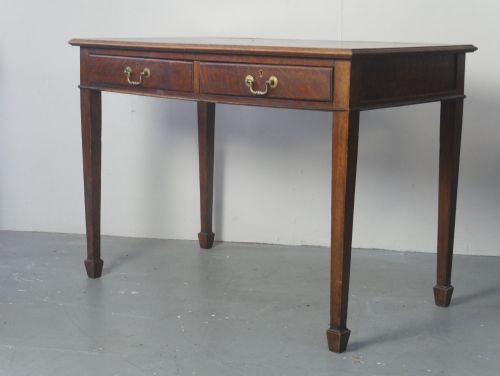
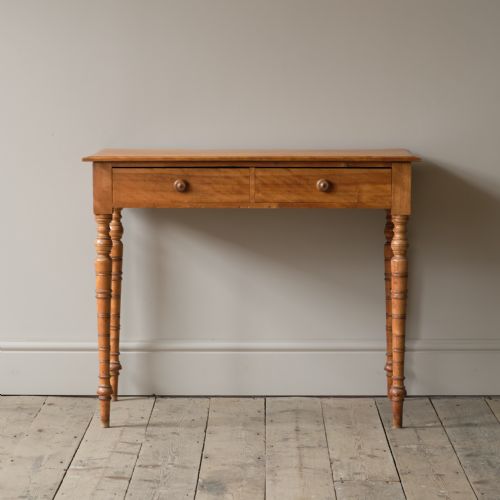
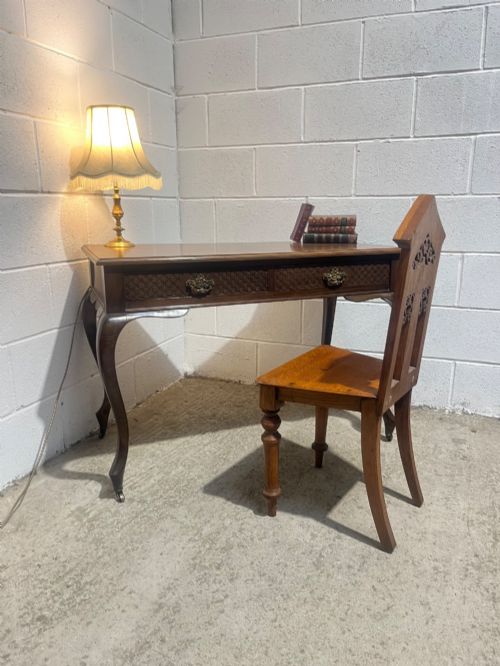
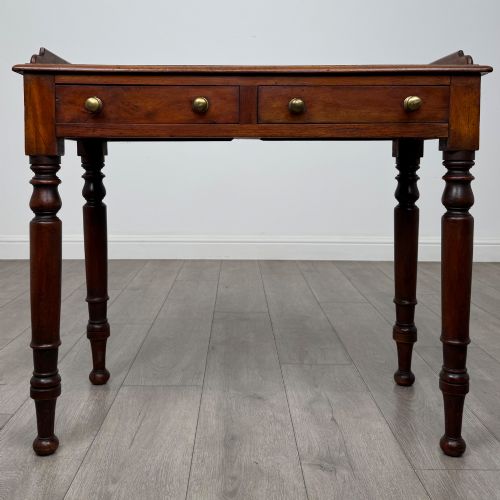
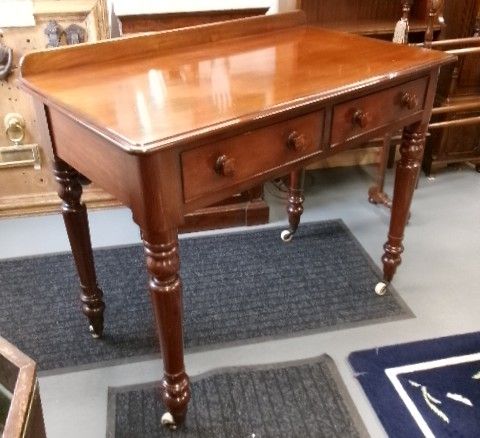
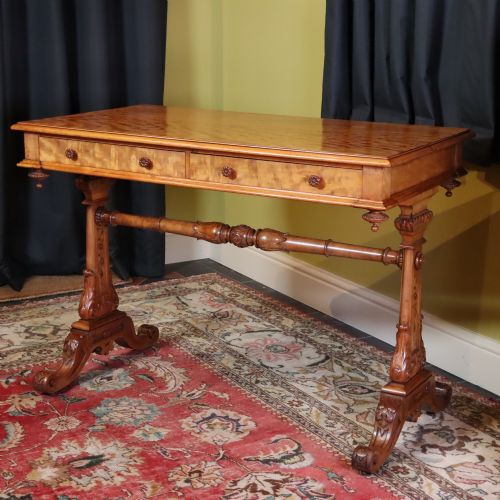
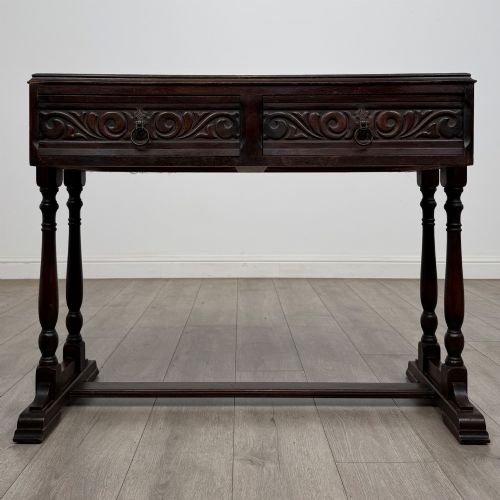
A two drawer dressing table combines the compact proportions of a side table or lowboy with the specific storage needed for daily grooming or writing. The pieces seen here span from the Georgian period through the Victorian era into the early twentieth century, showing both refined urban cabinet work and simpler country interpretations in oak, mahogany, and pine.
While dedicated dressing tables sometimes incorporate mirrors or tiered superstructures, many examples function equally well as writing tables or console desks with twin apron drawers. The selection relies heavily on nineteenth century mahogany and oak formats, alongside earlier eighteenth century designs featuring Elm, fruitwood, and satinwood.
Materials and construction methods
Cabinet makers relied predominantly on dense hardwoods such as mahogany, oak, and walnut, often utilising figured veneers like flame mahogany or burr walnut for primary surfaces. Secondary timbers like pine appear within drawer linings and internal framing, constructed with traditional dovetail joints to withstand daily pull.
Surface treatments range from clear wax finishes that highlight the natural grain to historic painted pine and polished brass hardware, including swan neck handles and drop pulls. Legs vary from slender tapering supports to barley twists and bracket feet, depending on the regional style and period of manufacture.
Listings feature woods spanning mahogany, oak, satinwood, birch, ash, and pine, reflecting centuries of cabinet making traditions.
Distinguishing quality in older tables
Quality rests primarily on the selection of timber and the precision of the cabinet work, particularly in the hand-cut dovetailing of the drawers and the matching of grain across the front facade. Finer pieces display carefully chosen flame mahogany, satinwood, or burr ash veneers, whereas utility pieces utilise solid pine or plain oak.
The integrity of the original hardware, drawer runners, and structural joints heavily influences the standing of a piece. Tables retaining their original brass handles, locks, and polished surfaces demonstrate greater care through generations of use.
Heal and Son·J A Mein Edinburgh Cabinet Maker·Jenners
The Two Drawer Dressing Table Glossary
- Lowboy
- A small occasional table with one or more rows of drawers, commonly used as a dressing table or side table during the seventeenth and eighteenth centuries.
- Dovetail
- A joint formed by interlocking wedge-shaped fingers, used extensively in drawer construction to ensure durable corner connections.
- Flame mahogany
- A veneer cut from the fork of a mahogany tree where the branch meets the trunk, producing a distinctive flickering flame pattern.
- Apron
- The vertical timber beneath the tabletop that connects the legs and houses the drawer openings.
- Bracket foot
- A simple structural foot emerging from the corners of a case piece, shaped like a bracket in profile.
Two Drawer Dressing Table: Frequently Asked Questions
How were these tables used originally?
These tables served primarily for personal grooming in bedrooms or boudoirs, holding brushes, cosmetics, and small accessories within their twin drawers. Many doubled as writing desks or side tables in reception rooms due to their versatile height and surface area.
Over time, changing interior fashions meant these pieces frequently transitioned between dressing areas, hallways, and studies, adapting to whatever domestic surface was required.
How do I date a wooden table?
Dating relies on examining the timber species, construction methods, and hardware styles. Georgian pieces often feature fine mahogany and hand-cut dovetails, while Victorian examples introduce burr walnut, satinwood, and heavier proportions.
Tool marks inside the drawers and the presence of secondary woods like pine or oak offer further clues regarding the workshop's period and region of origin.
Can I use a vintage dressing table as a desk?
Most of these tables provide adequate knee clearance and a stable surface suitable for modern laptops and writing tasks. The twin drawers offer convenient storage for stationery and small items.
Buyers should verify the internal height clearance beneath the drawer apron to ensure comfortable seating before daily use as a desk.
What is the difference between a side table and a dressing table?
A side table generally serves a generalized surface function in a hallway or living room, whereas a dressing table is specifically proportioned for personal grooming, historically accompanied by a mirror.
In practice, cabinet makers often built these forms interchangeably, meaning many surviving two drawer tables function effectively in either role today.