

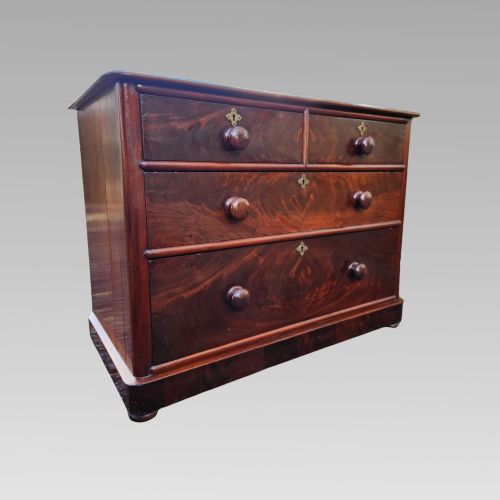
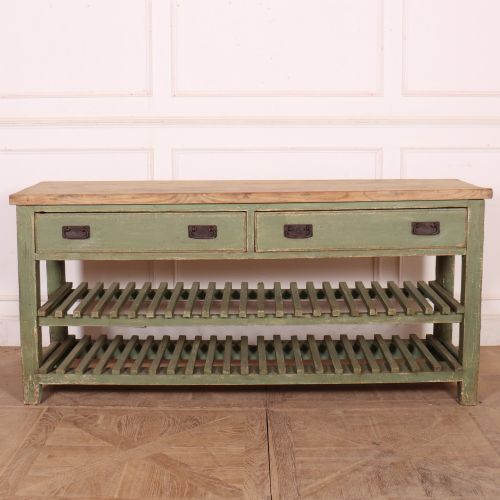
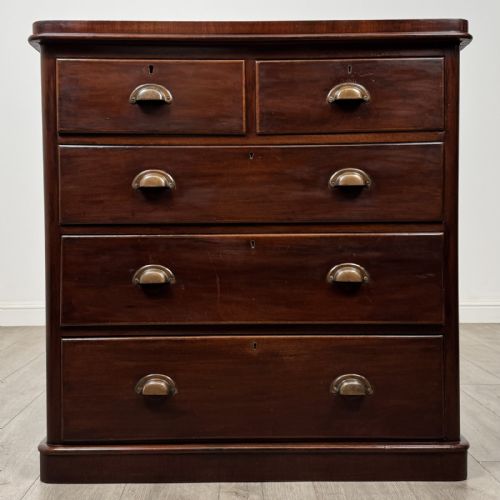
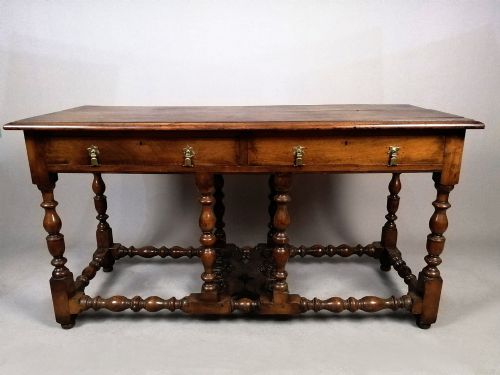
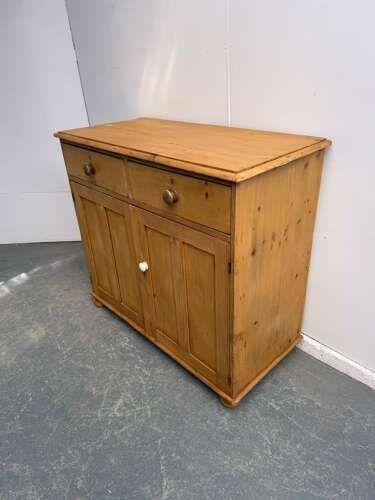
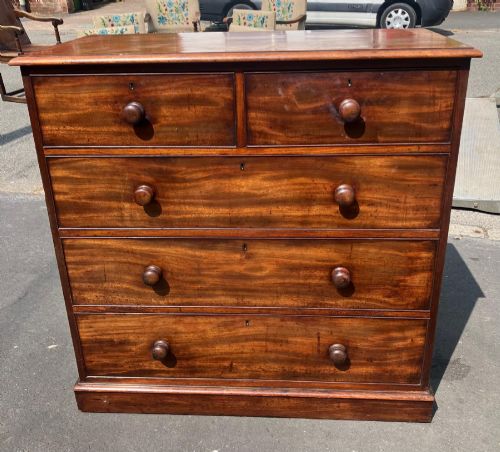
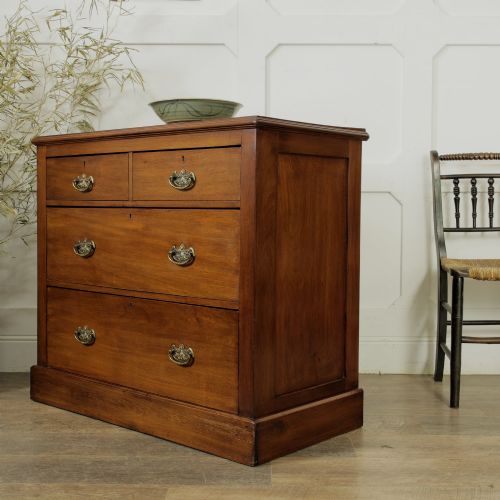
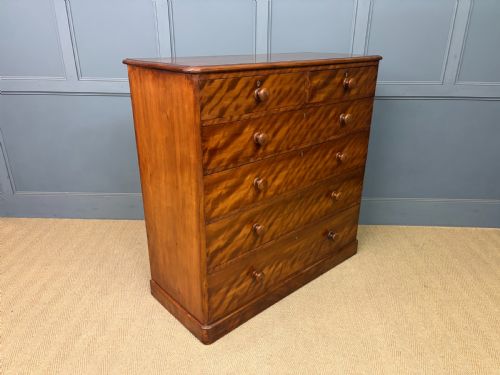

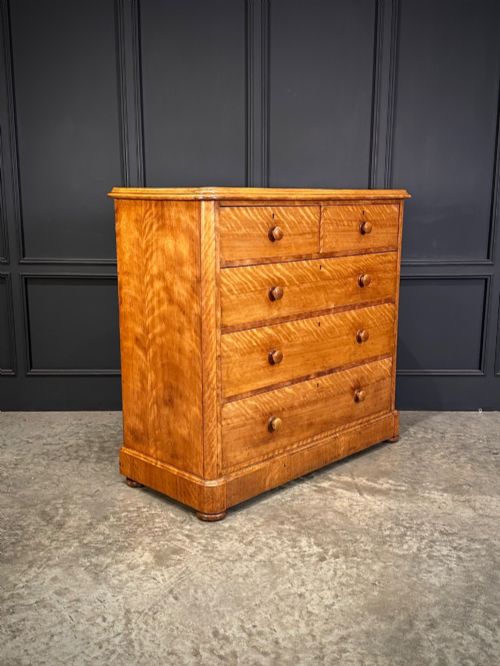
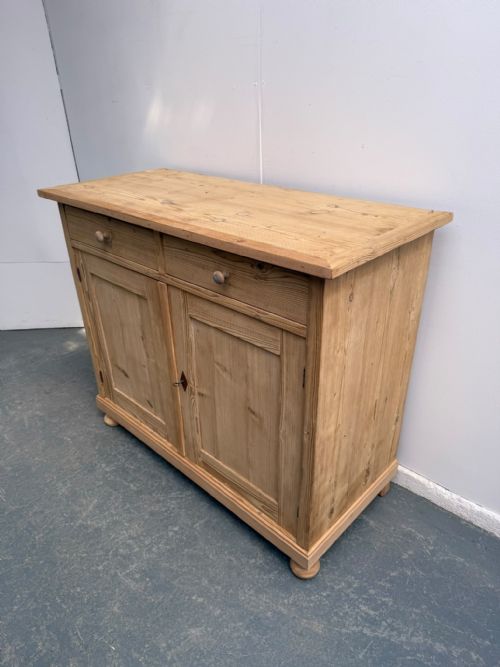
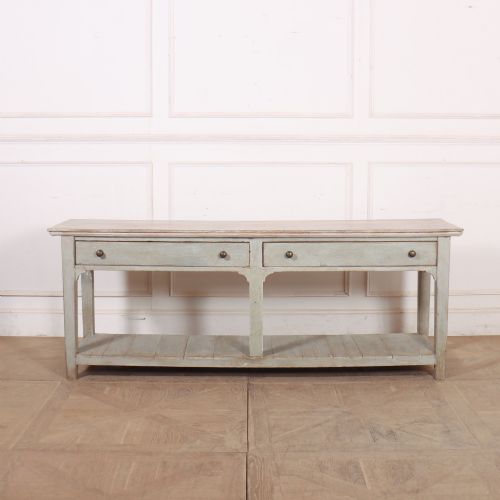
Two Drawer Dresser Base
A two drawer dresser base offers practical surface space and concealed storage, anchoring a room with period utility and honest craft.
Two Drawer Dresser Base
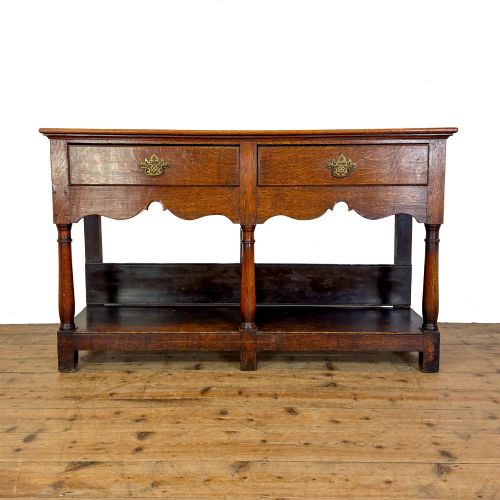
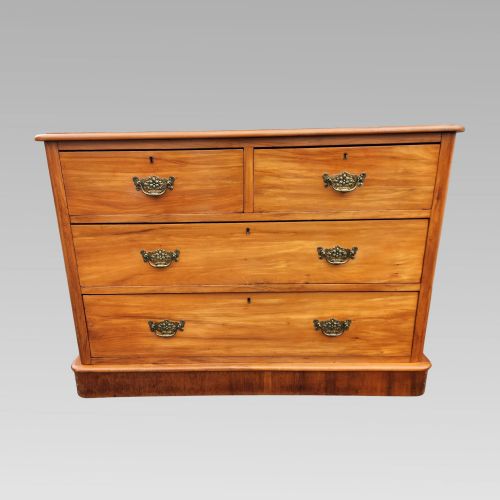
A two drawer dresser base provides a low, long footprint with surface top space and two drawers positioned above doors, cupboards, or open potboards. When you search for a two drawer dresser base, you encounter sturdy utilitarian furniture built to serve domestic spaces for generations.
The pieces appearing on this page span the eighteenth and nineteenth centuries, taking shape primarily in oak and pine. Alongside traditional British regional examples, such as Welsh and English country designs, the selection includes pieces influenced by Jacobean and Georgian styles.
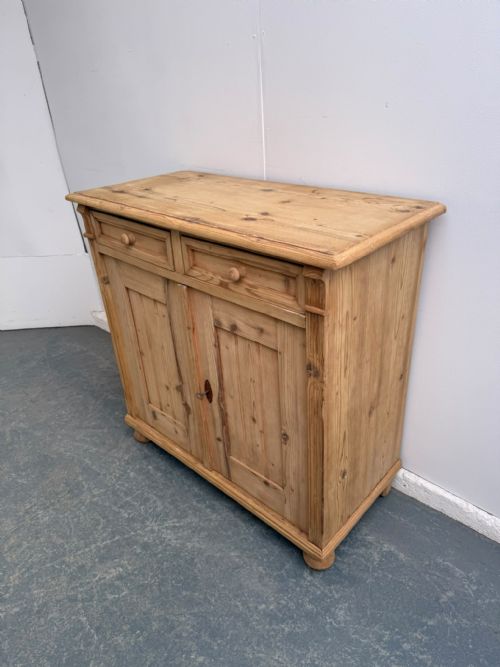
While many listings present as solid wood ready to wax or paint, others retain their original painted finishes or polished hardwood surfaces. These low storage items function easily in modern kitchens, hallways, and living spaces as sideboards, servers, or console tables.
What Varies In Quality
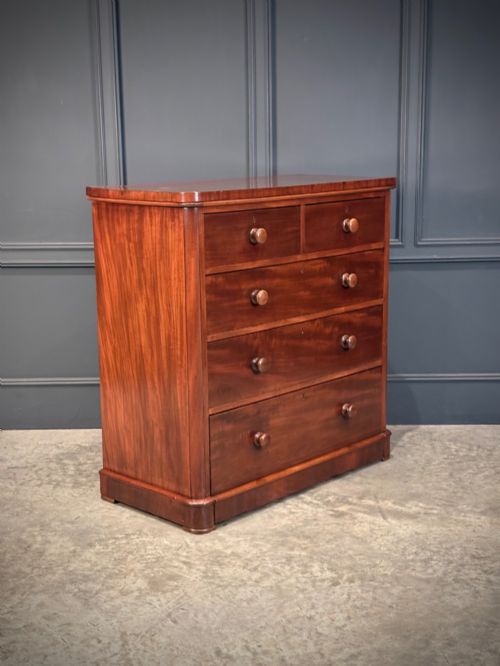
The integrity of the original construction dictates much of the distinction between examples, particularly the tightness of the drawer joints and the stability of the frame. Timber selection also plays a role, as finely figured mahogany veneers or well-figured oak boards elevate a piece above standard utility items.
Survival of original elements such as brass handles, hinges, and potboards separates untouched examples from those altered or rebuilt during later restorations. The character of the timber's patina, developed through genuine age and regular waxing, marks the distinction between a plain survivor and a more striking regional specimen.
Two Drawer Dresser Base Retail Price Guide 2026
Typical asking prices for two drawer dresser base among the pieces listed under this phrase on Sellingantiques today, from the lower quarter to the upper quarter. They describe what is for sale here now, not the wider market.
Some nineteenth century pine pieces retain stubborn traces of old kitchen paint hiding beneath layers of modern wax.
Heal & Son
The Two Drawer Dresser Base Glossary
- Potboard
- An open slatted lower shelf beneath a dresser base designed originally for storing ceramic plates and kitchenware. This lower platform sits raised above the floor on short feet or stile extensions.
- Dresser base
- The lower section of a kitchen or dining room storage unit, featuring a flat top surface above drawers and cupboards. It functions independently as a sideboard or serving table.
- Dovetail
- A interlocking wood joint formed by fan-shaped tenons and matching sockets, securing drawer corners against lateral pull. This technique remains a hallmark of traditional cabinet making.
- Chiffonier
- A compact sideboard or low cabinet equipped with drawers and lower doors, often fitted with a small shelf superstructure on top. The form gained popularity during the nineteenth century for smaller reception rooms.
Two Drawer Dresser Base: Frequently Asked Questions
Where do these dresser bases fit best?
A two drawer dresser base works well in a kitchen or hallway where surface space and low storage matter. Their shallow depth allows them to sit comfortably against walls without crowding walkways.
They also serve effectively in dining rooms as serving tables or in living spaces as low sideboards. Pairing them with empty wall space above lets the timber grain and proportions draw the eye.
How do I care for waxed pine?
Waxed pine benefits from regular applications of a quality beeswax paste to nourish the dry timber and maintain a soft sheen. Avoid placing these pieces near direct heat sources or in damp rooms, which can cause the wood to warp.
Cleaning requires only a soft, dry cloth to remove dust. Moisture should be wiped away immediately to prevent water marks from penetrating the unsealed grain.
How do I distinguish oak from pine?
Oak presents a dense, heavy hardwood structure with visible medullary rays creating distinct silver flecks across the grain. It typically bears a deeper golden or brown tone that darkens naturally over centuries.
Pine is a softer softwood featuring a lighter yellowish colour with prominent growth rings and occasional knots. It feels lighter to handle and absorbs wax and paint differently than dense hardwoods.