
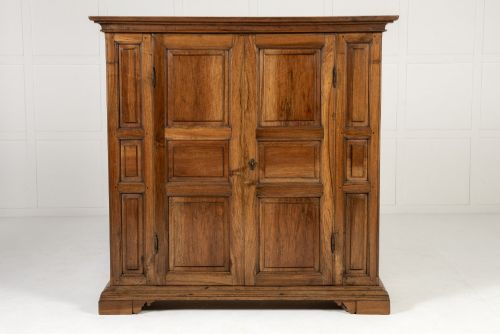

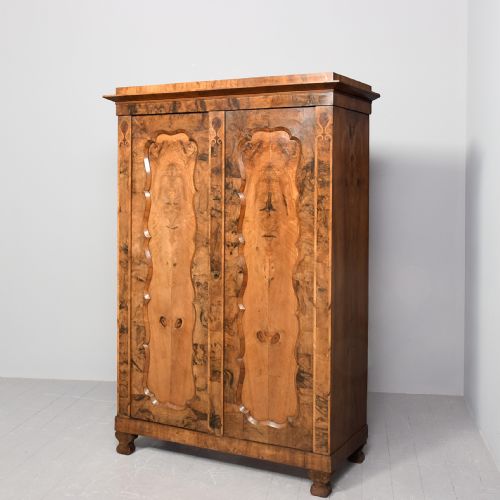
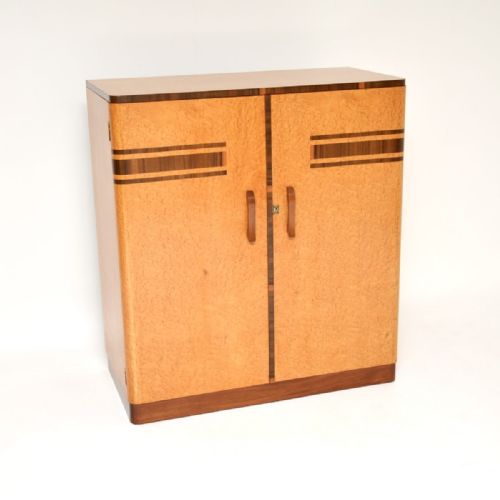
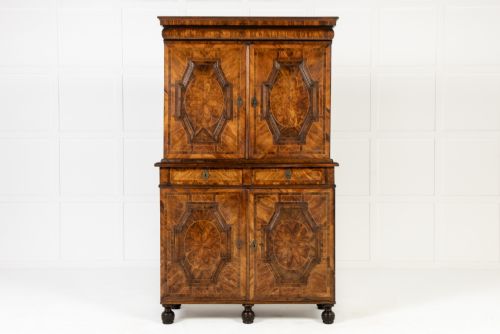
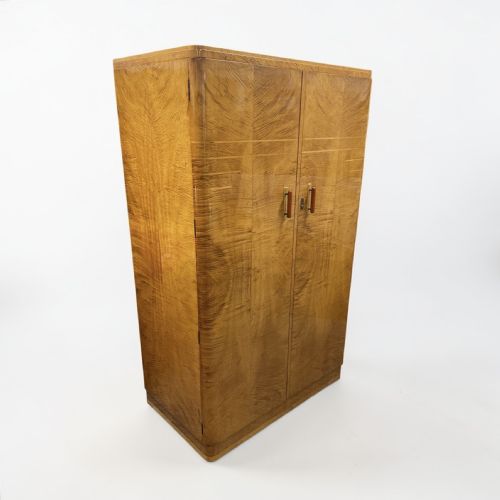


Two Door Walnut Armoire
A two door walnut armoire offers generous timber storage, moving from seventeenth-century provincial carvings to sleek art deco compactums.
Two Door Walnut Armoire
When you search for a two door walnut armoire, you encounter large storage furniture built to hold garments and household linens. The pieces span centuries, appearing as tall cupboards, compactums, and dedicated wardrobes designed to stand prominently in a bedroom or hallway.
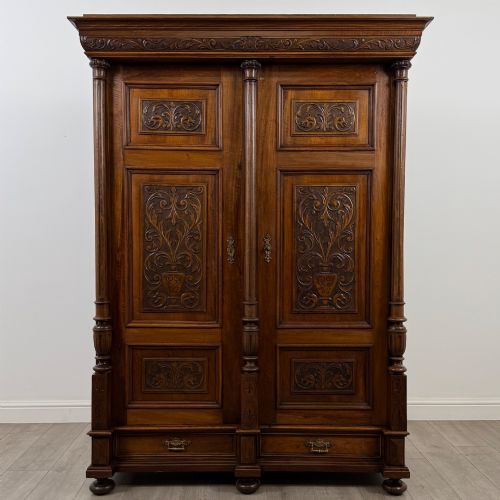
The versions most common on this page range from nineteenth-century French and Victorian interpretations to English art deco designs from nineteen thirty. You also find eighteenth-century continental examples displaying heavier proportions and traditional regional carved details.
These items function as practical storage while showcasing rich timber grains across their double doors. Interior fittings vary from simple hanging space to fitted drawers and shelving units inside the compactum formats.
How they were made
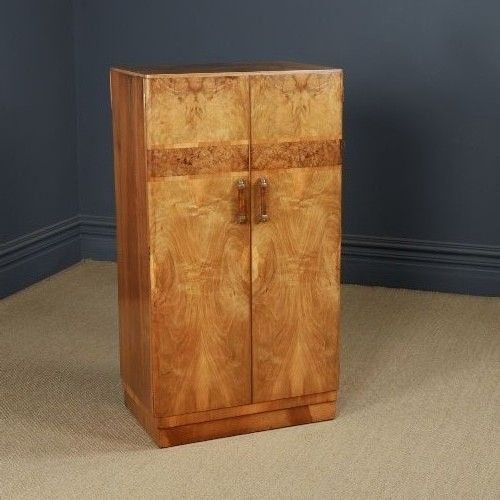
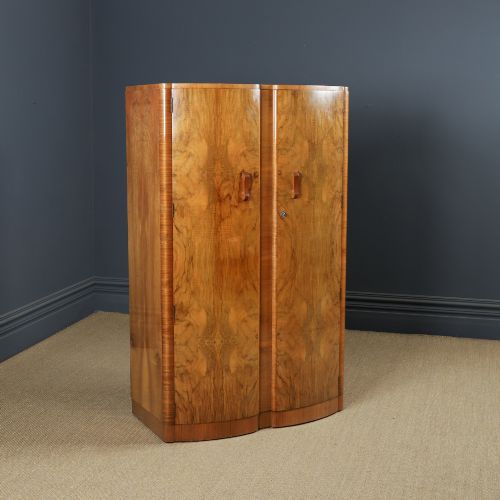
Cabinet makers utilised solid walnut alongside burr walnut veneer to cover large structural carcases with decorative figured grain patterns. Master carpenters matched the grain across the double doors to create symmetrical visual patterns.
What varies in quality
The standard of timber selection divides standard utility cupboards from exceptional cabinet work. Pieces featuring figured walnut veneers or burr walnut figure across the entire front elevation represent higher levels of craftsmanship.
Decorative hardware and mounting details dictate the distinction between simple storage and fine cabinet making. Ormolu mounts and intricate carved panels require greater skill from the maker than plain timber surfaces.
The integrity of the internal fittings and the precision of the door alignment determine the enduring quality of the piece. Well-constructed armoires maintain smooth operation of their double doors across centuries of seasonal humidity changes.
Mercier·Ray and Miles of Liverpool
The Two Door Walnut Armoire Glossary
- Compactum
- A fitted wardrobe containing a combination of hanging space, drawers, and shelving within a single cabinet. These units maximise internal storage efficiency.
- Ormolu
- Gilt-bronze mounts applied to furniture for decorative effect. This technique was frequently utilised on nineteenth-century French pieces.
- Burr walnut
- A specialised timber cut from the abnormal growth of a walnut tree, producing swirling and mottled grain patterns. Cabinet makers prized this veneer for high-status facades.
- Parquetry
- Geometric mosaic woodwork formed by small veneer tiles fitted together. This technique decorates the exterior surfaces of select turn-of-the-century pieces.
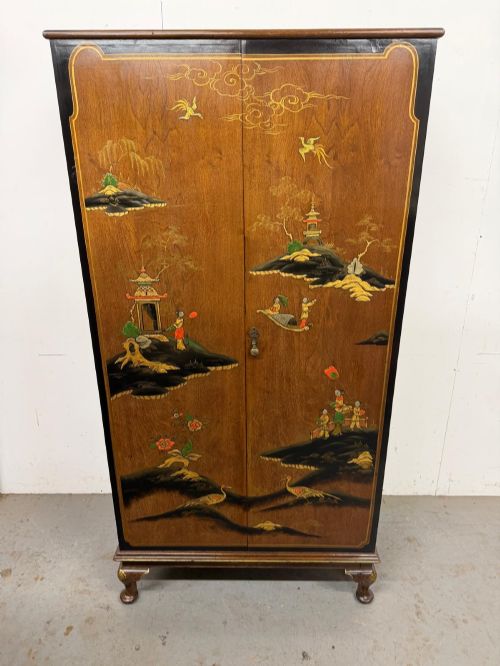
- Chinoiserie
- European decorative style inspired by Chinese artistic traditions, often featuring painted lacquer finishes. It appears on select wardrobe doors from the early twentieth century.
Two Door Walnut Armoire: Frequently Asked Questions
What is a compactum armoire?
A compactum armoire is a specialised wardrobe designed to maximise storage by combining hanging space, shelves, and internal drawers within one unit.
These pieces often date to the art deco period and provide versatile storage for modern bedrooms without requiring an excessive footprint.
How do I date a walnut armoire?
Dating relies on examining the construction methods, handles, locks, and the overarching style of the cabinet work. Seventeenth and eighteenth-century pieces display hand-carving and pegged joints, whilst art deco examples feature streamlined shapes and figured veneers.
Secondary woods inside the drawers and the style of the brass hardware offer further clues to the decade of manufacture.
Where should I place an armoire?
An armoire functions best against a solid bedroom or hallway wall where its height and double doors command the room. Ensure the surrounding floor is level so the doors swing smoothly on their original hinges.
Keep the timber away from direct sunlight and heat sources to prevent the walnut veneer from drying out.
What is burr walnut?
Burr walnut is a decorative timber veneer harvested from tree growths that produce complex, swirling grain patterns. Cabinet makers applied these distinctive sheets to the front doors of high-end armoires.
This material creates a striking visual contrast against simpler, straight-grained walnut carcases.