
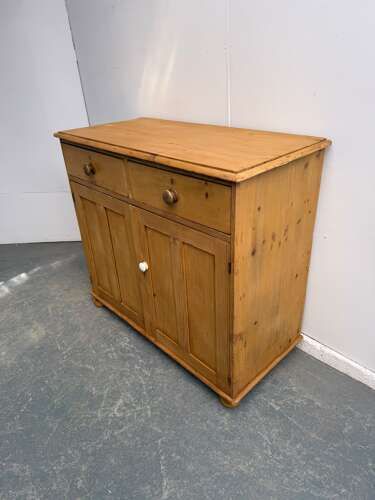
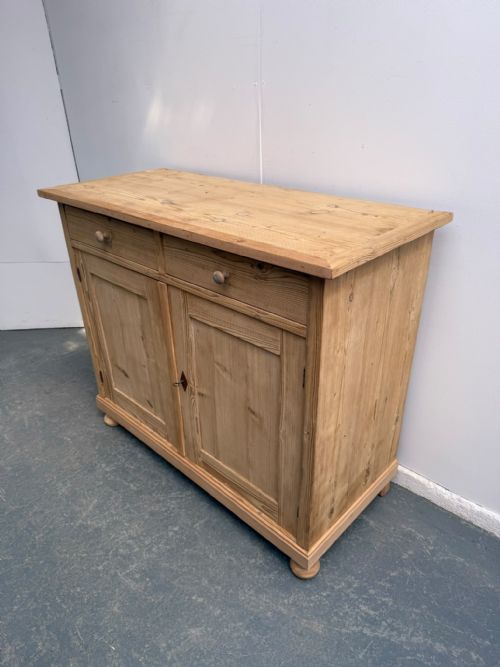
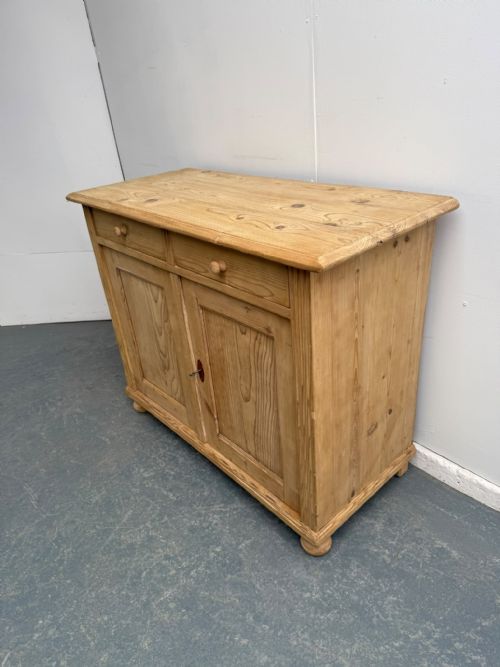
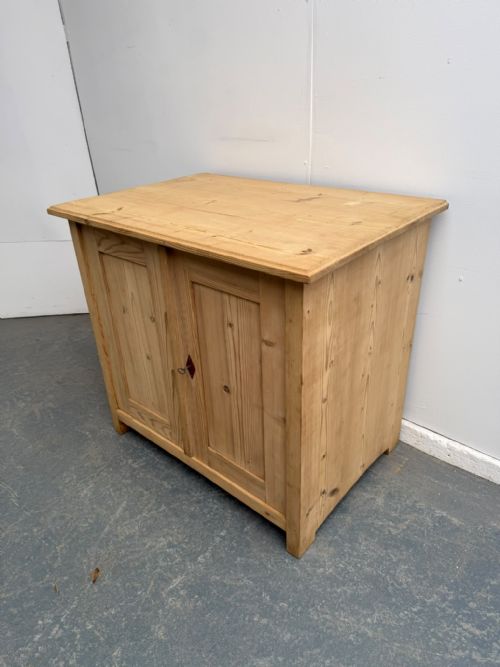
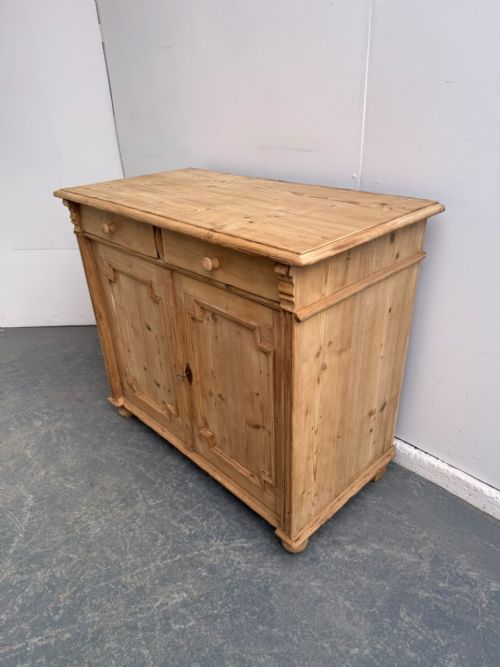
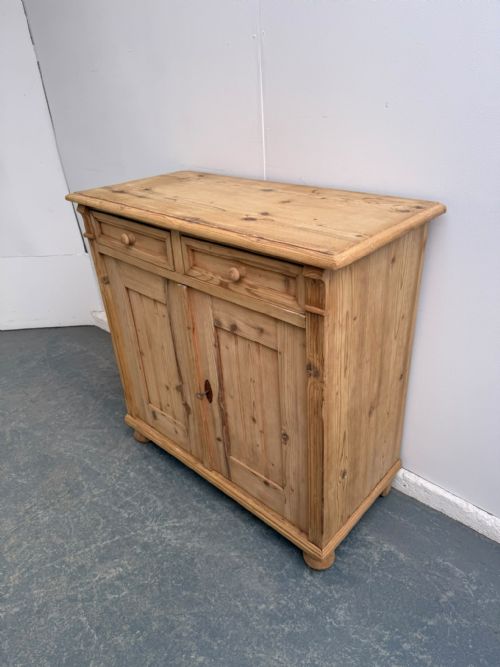
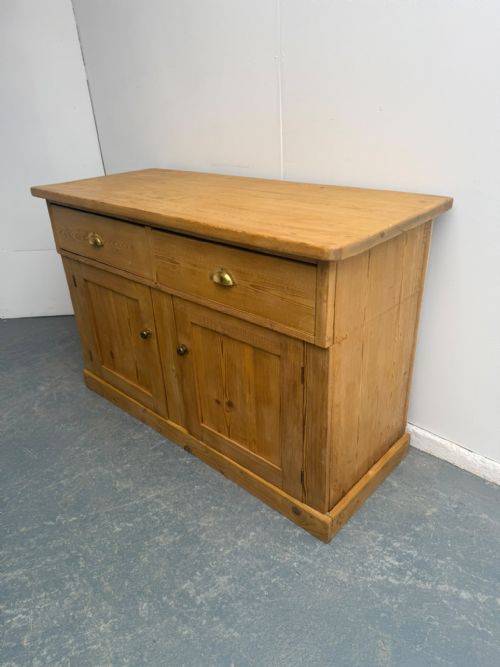
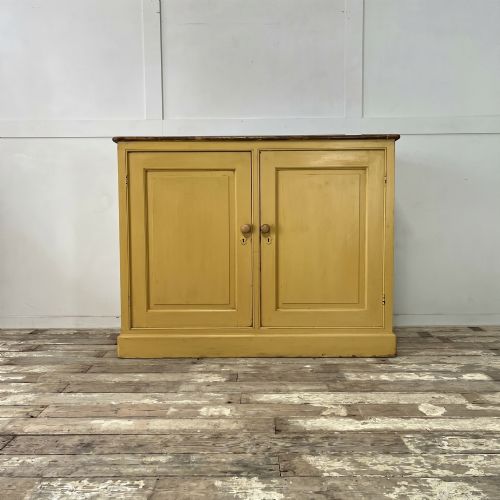


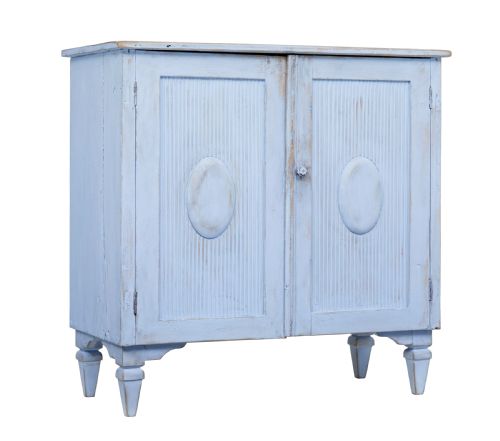

Two Door Pine Buffet
A two door pine buffet brings utilitarian warmth to a room, offering sturdy two-door storage fashioned from versatile softwood.
Two Door Pine Buffet
When you search for a two door pine buffet, you are looking at practical storage furniture fashioned primarily from softwood timber. These pieces typically feature a pair of doors enclosing interior shelving or storage space for domestic use.
The selections available here span several historical periods, most notably the Victorian era and the Georgian period. You will frequently encounter dresser bases and kitchen storage cupboards equipped with two doors alongside paired drawers.
Geographical origins vary across the inventory, encompassing English country workshop traditions as well as Scandinavian and Swedish painted pieces from the nineteenth century. These regional variations range from waxed natural timber finishes to painted surfaces.
How they were made
Makers utilised pine as the primary wood, frequently pairing the timber with brass or iron hardware such as hinges and drawer pulls. Surfaces were either left bare for waxing or finished with paint.
Construction methods relied on traditional joinery suitable for utilitarian furniture intended for daily household service. Workshops built these cupboards to endure heavy domestic use in kitchens, schoolrooms and sculleries.
Listings feature pieces spanning the Georgian, Regency and Victorian periods, constructed from pine with iron and brass hardware.
What varies in quality
Proportions dictate much of the character, distinguishing low wide storage cupboards from tall or shallow dresser bases. The presence of original painted finishes or well-maintained waxed surfaces marks a distinct tier in the material condition.
Construction substance separates simpler utilitarian school cupboards from domestic kitchen pieces featuring integrated drawers. The restraint or elaboration in country styles, from English rustic to Scandinavian painted work, influences the visual weight.
The Two Door Pine Buffet Glossary
- Buffet
- A sideboard or cupboard traditionally used for storing and serving food or tableware. In earlier periods, these forms evolved to include enclosed lower storage behind doors.
- Dresser Base
- The lower section of a kitchen dresser, usually combining drawers above a two-door cabinet. These pieces served as independent work and storage units.
- Chiffonier
- A compact sideboard or low cupboard developed during the Regency and Victorian periods. It frequently incorporates doors enclosing shelves beneath a flat top surface.
- Waxed Finish
- A traditional method of treating pine surfaces with natural wax to protect the wood while preserving its grain. This finish requires periodic maintenance to retain its lustre.
- Painted Cupboard
- A storage piece finished with decorative or protective paint rather than clear wax. Nineteenth-century Scandinavian examples often display this traditional surface treatment.
Two Door Pine Buffet: Frequently Asked Questions
Where were these pine cupboards used?
These pieces served primarily in domestic kitchens, sculleries and schoolrooms as practical storage for provisions, linens and utensils. Their sturdy construction suited utilitarian rooms where daily work took place.
Over time, many of these functional items transitioned into living spaces and dining rooms to serve as sideboards and display surfaces.
How do I care for waxed pine?
Waxed pine surfaces benefit from regular dusting with a soft, dry cloth to prevent dirt accumulation. Periodic application of a quality beeswax maintains the moisture barrier and nourishes the timber.
Avoid placing these items in direct sunlight or near heat sources to prevent the wood from drying out or splitting.
What is the difference between a dresser base and a sideboard?
A dresser base typically originates from a kitchen context and often includes one or more rows of drawers positioned above a two-door cabinet. They were designed to support daily culinary tasks and heavy storage.
Sideboards generally emerged in more formal dining settings, though the terms often overlap in nineteenth-century country furniture nomenclature.
How do I date a nineteenth-century pine cupboard?
Dating relies on observing construction methods, hardware types and stylistic clues such as panel design and foot forms. Georgian and early Victorian pieces often display hand-cut joinery and specific proportions distinct from later factory-made items.
Paint layers and surface wear also provide historical context regarding when the piece was finished or subsequently re-decorated.