



Two Door French Credenza
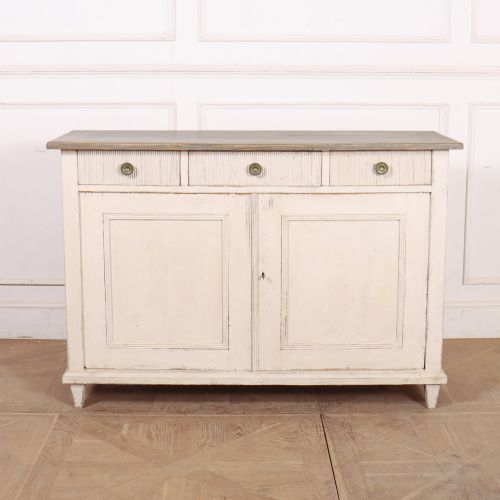
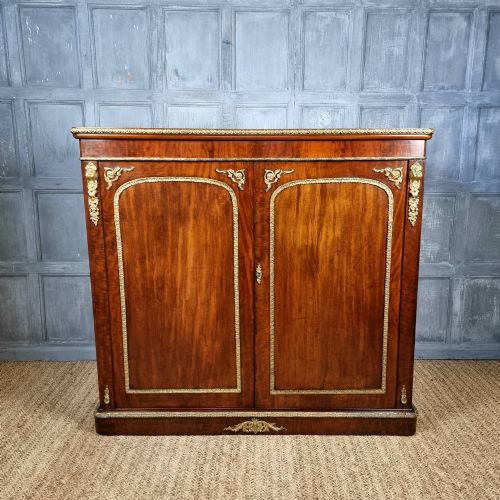
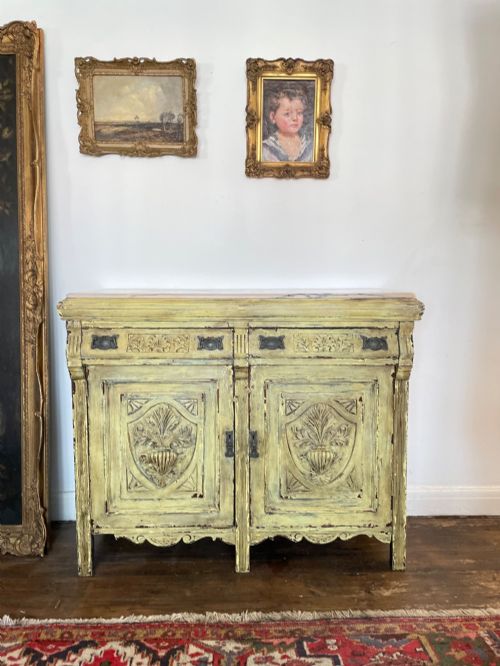
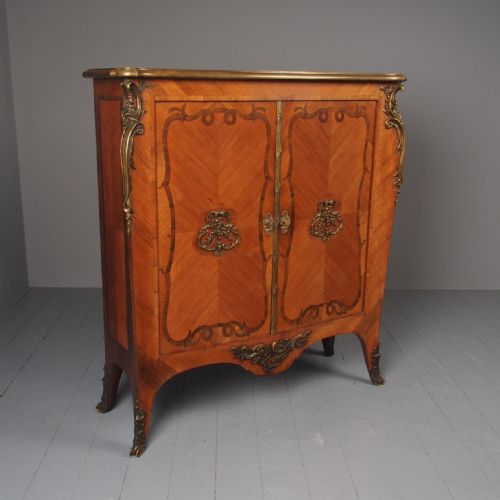
A two door french credenza brings continental storage into a room, offering heavy timber surfaces and traditional double-door access.
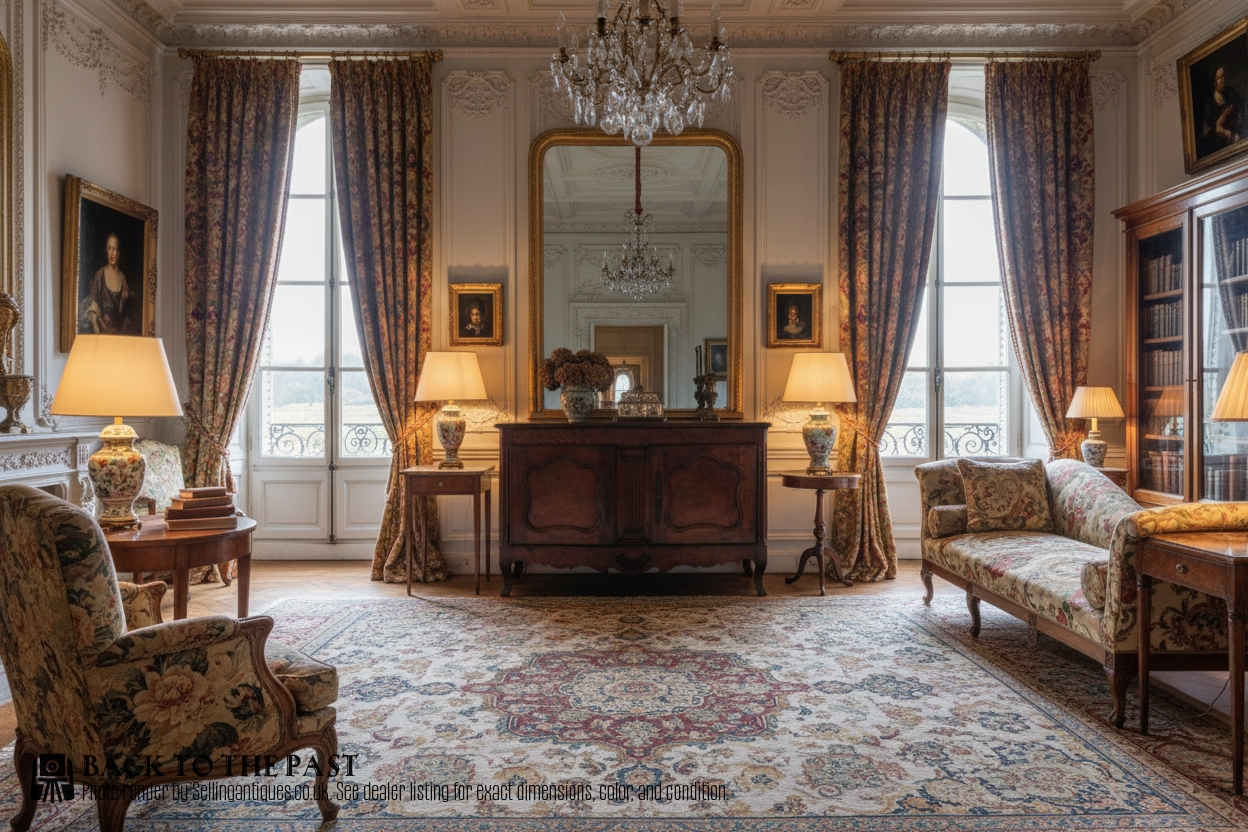
Two Door French Credenza
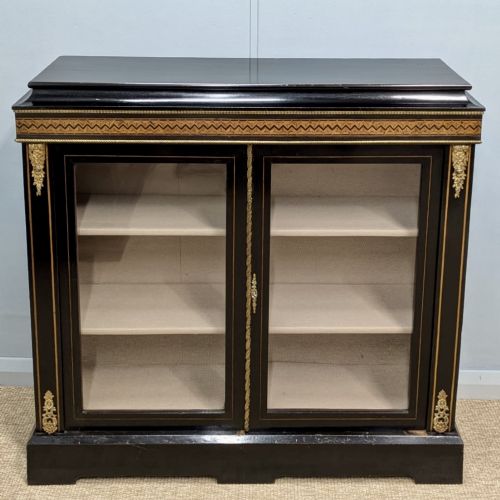
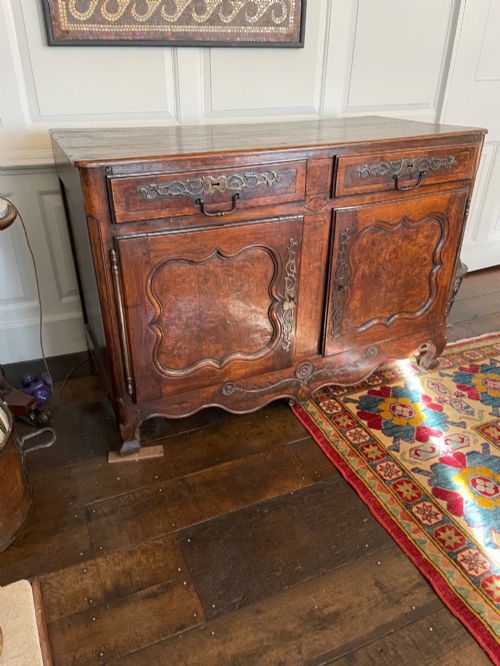
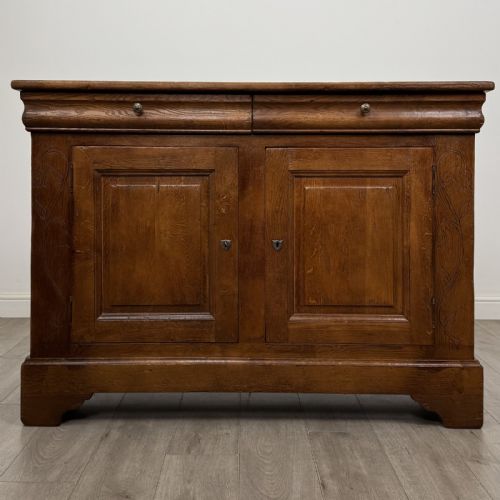
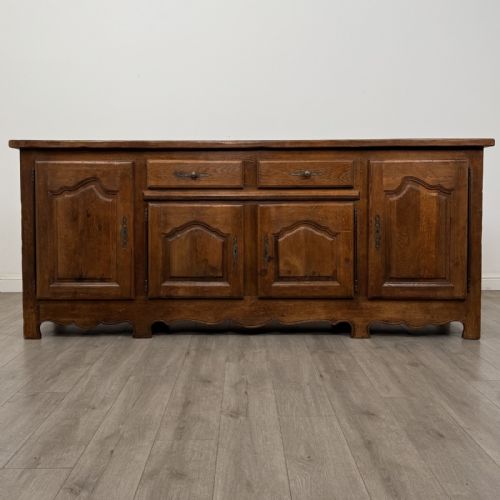
When you search for a two door french credenza, you encounter regional cupboards, sideboards, and buffets originating from continental workshops. These pieces primarily date from the eighteenth and nineteenth centuries, spanning provincial styles to formal Empire designs.
The version most commonly met on this page is the two door cupboard or buffet constructed from regional timbers like oak, walnut, or cherry wood. Many examples feature practical cabinet storage behind twin doors, occasionally surmounted by marble tops or carved panels.
Origins vary from rustic French provincial houses to structured Victorian interpretations, reflecting local craftsmanship across different European districts. Buyers select these items for functional storage combined with historical timber patination.
What varies in quality
The standard of timber selection and depth of natural patination distinguish finer examples from standard utility pieces. Richly grained walnut, figured mahogany, or older chestnut display greater visual depth than plain modern replacements.
The refinement of carved detailing on door panels and the integration of original brass or ormolu mounts indicate workshop skill. Heavier marble slabs and tight mortise-and-tenon joinery demonstrate superior structural integrity across centuries.
Two Door French Credenza Retail Price Guide 2026
Typical asking prices for two door french credenza among the pieces listed under this phrase on Sellingantiques today, from the lower quarter to the upper quarter. They describe what is for sale here now, not the wider market.
Listings span the eighteenth and nineteenth centuries, featuring materials such as walnut, oak, cherry wood, marble, and brass.
Gillows
The Two Door French Credenza Glossary
- Provincial
- Denoting a style originating from regional areas outside the capital, typically displaying simpler lines and local timber choices. These pieces emphasise utility and regional character over courtly ornamentation.
- Ormolu
- Gilded bronze mounting applied to furniture for decorative effect. It provides metallic contrast against dark timbers like mahogany and walnut.
- Chiffonier
- A small sideboard or tall cabinet equipped with doors enclosing shelves. Nineteenth-century examples often incorporate enclosed storage beneath a display surface.
Two Door French Credenza: Frequently Asked Questions
What is a two door french credenza used for?
These cabinets provide enclosed shelving space for dining rooms, hallways, or living areas, serving as functional sideboards or storage cupboards.
The double-door layout conceals crockery, linens, or modern items while presenting a traditional timber or marble exterior to the room.
How do I care for antique timber?
Maintain the wood by applying traditional beeswax periodically to nourish the grain and protect the historical surface finish from drying out.
Keep these cabinets away from direct heat sources and sudden temperature shifts to prevent timber shrinkage or panel splitting.
How do I identify eighteenth-century pieces?
Look for hand-cut joinery, pegged tenons, and deep natural patination that develops across centuries of handling and cleaning. Eighteenth-century examples frequently utilise regional woods like solid walnut, chestnut, or cherry.
Construction details on older pieces show asymmetrical tool marks and native ironwork rather than standardised modern fixings.
Are marble tops original?
Marble surfaces frequently appear on continental buffets, side cabinets, and serving pieces, particularly from the nineteenth century onwards. They provided a durable, wipe-clean counter surface for food preparation or serving.
Inspect the seating of the stone within the wooden frame to understand how the top integrates with the carcase structure.