
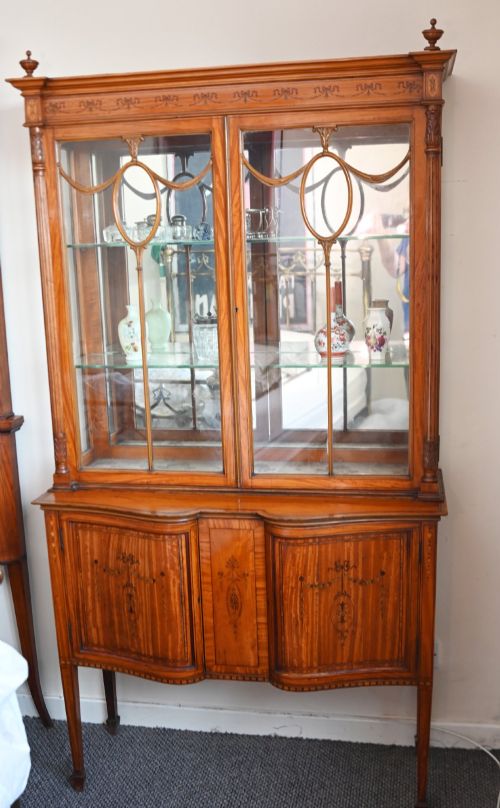
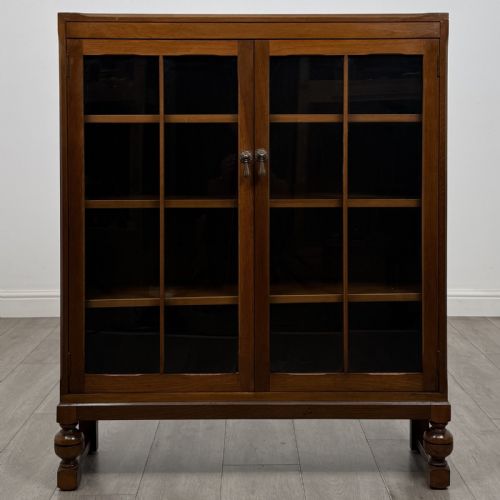
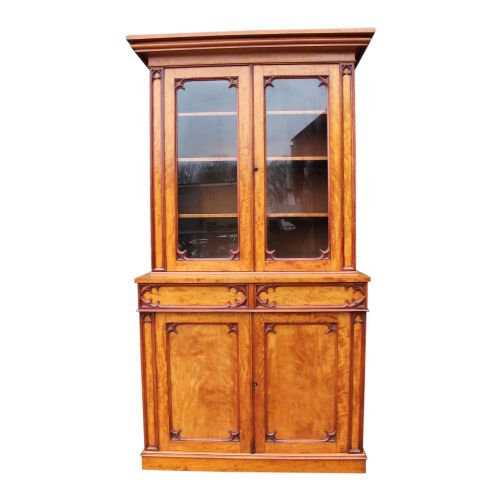
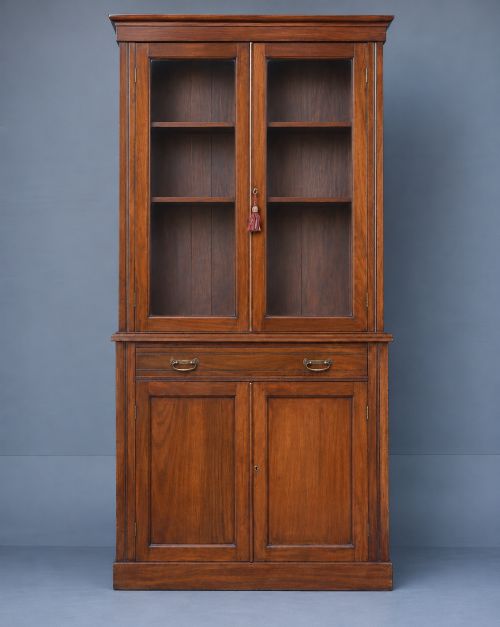
Two Door Bookcase Cabinet
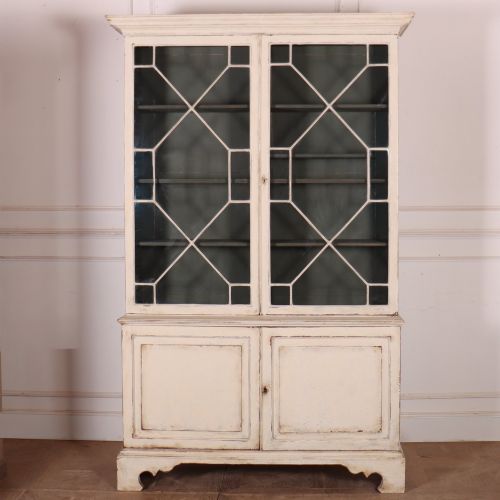
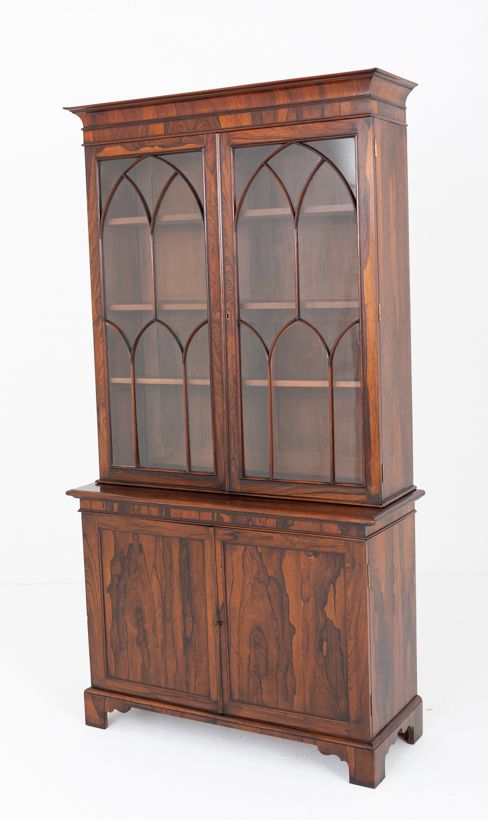
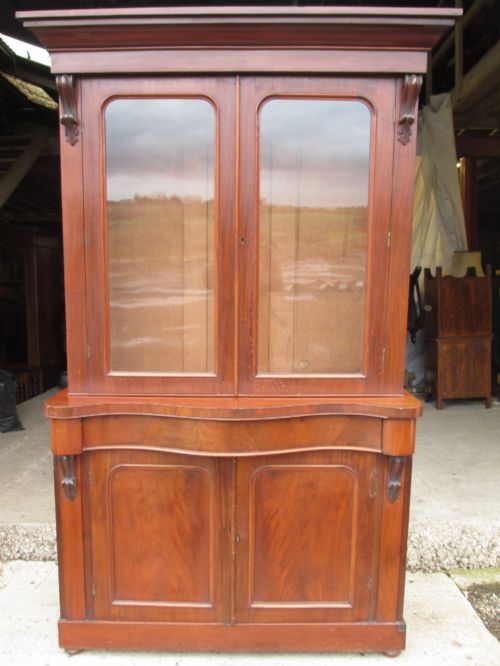
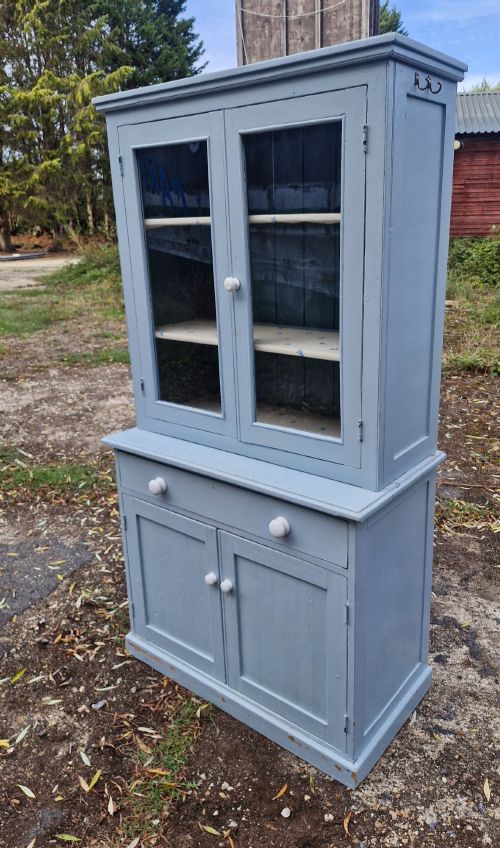
A two door bookcase cabinet holds books behind glazed doors above a lower cupboard, offering sturdy storage for a study.
Two Door Bookcase Cabinet
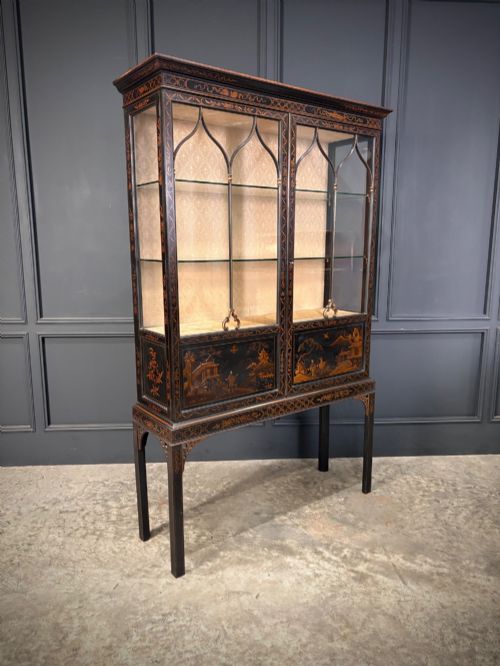
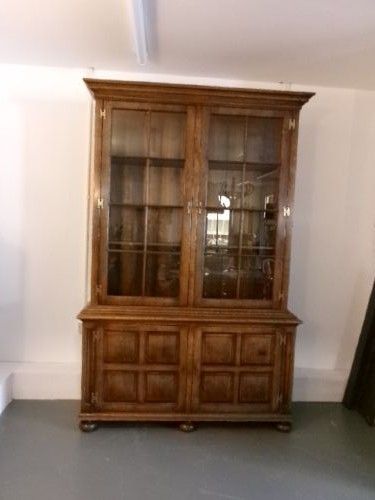
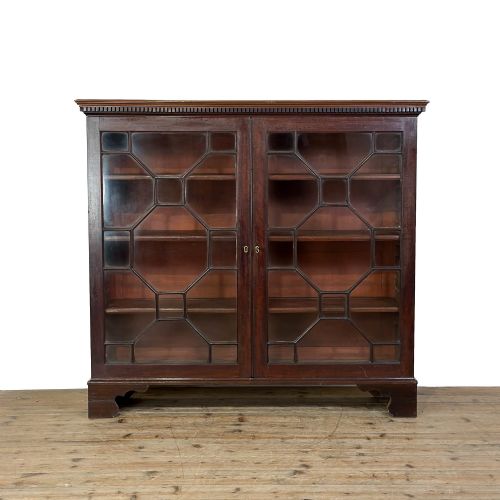
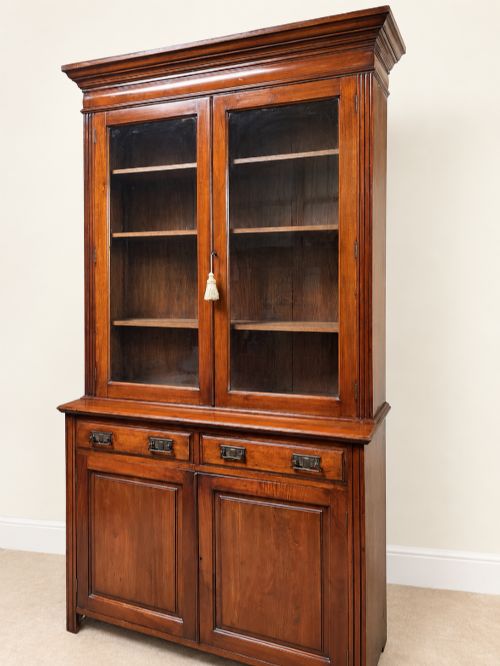
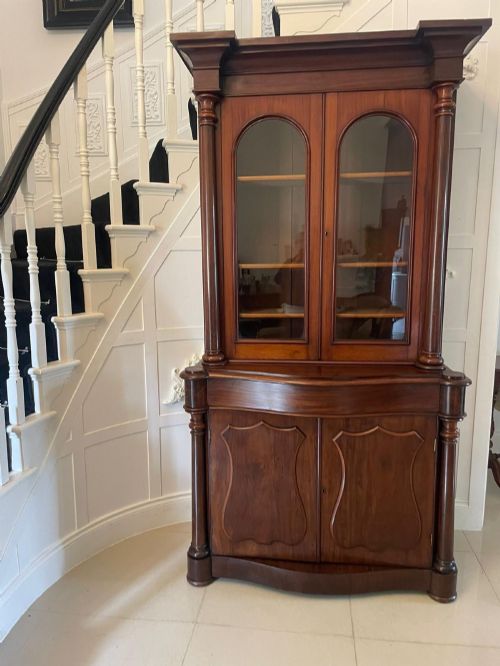
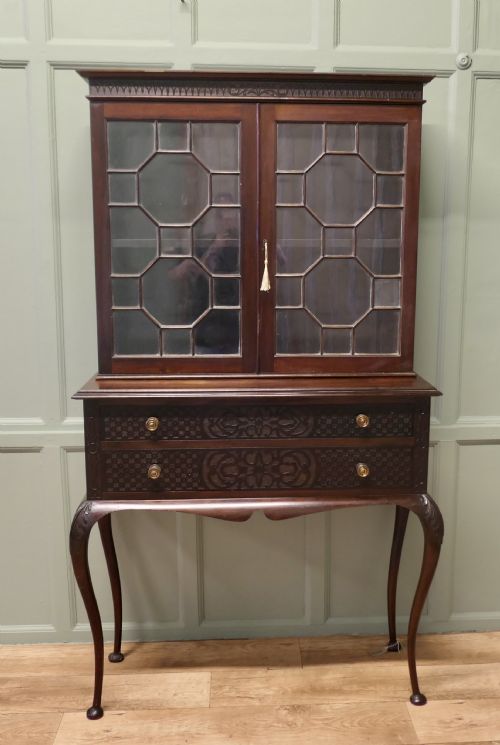
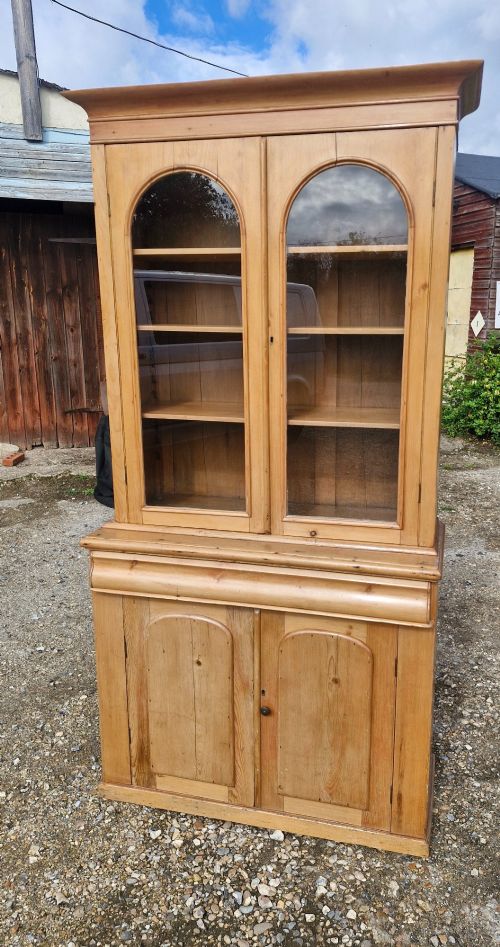
A two door bookcase cabinet combines upper shelving behind glazed panels with a lower timber cupboard for enclosed storage. The most common examples seen here date from the Victorian period through to the early twentieth century, constructed in mahogany, oak, or pine.
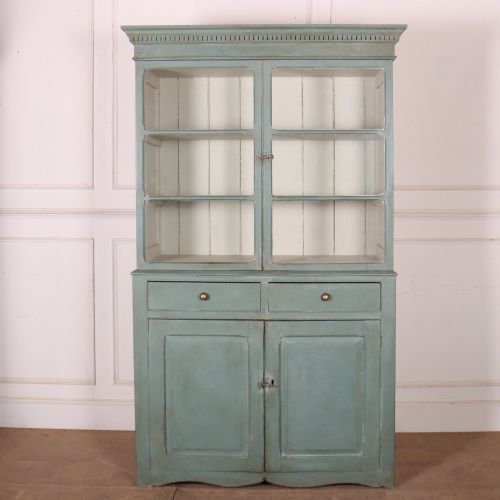
Makers built these pieces for domestic libraries, living rooms, and kitchens to keep volumes visible yet protected from dust. Forms range from tall Georgian library cupboards to compact Edwardian display cabinets and rustic pine kitchen dressers.
The layout typically separates the upper display section from the heavy base with a moulded cornice or waist. Buyers find both upright double-door formats and two-part cupboards designed for simpler transport.
How they were made
Cabinet makers utilised dense hardwoods such as mahogany and walnut, alongside resilient softwoods like pine and oak, often mounting glass panes within astragal frames. Joinery relied on precise dovetails for drawer construction and mortise and tenon joints for the main upright frames.
Surface finishes involved hand-applied wax, French polish, or oil to highlight the natural grain of figured timber. Many regional pieces also received coats of paint during their working lives, particularly kitchen dressers and country cupboards.
Listings feature woods including mahogany, oak, walnut, pine, and satinwood across periods from the eighteenth century to the twentieth century.
What varies in quality
The choice of primary timber and secondary framing woods establishes the baseline grade, with figured mahogany and quarter-sawn oak representing superior workshop standards. Finer cabinets feature subtle carved mouldings, well-matched wood veneers, and original brass hardware.
Structural integrity depends on the precision of the door alignment and the stability of the adjustable shelving systems. Pieces retaining their original hand-blown glass panes and fitted interior drawers demonstrate higher original workshop expenditure.
Hampton and Sons
The Two Door Bookcase Cabinet Glossary
- Astragal glazed
- Glass doors divided by thin moulded wooden strips forming geometric window patterns. This technique lightens the visual weight of heavy timber doors.
- Figured mahogany
- Timber exhibiting distinctive wave, curl, or flame patterns in the grain. Craftsmen reserved these logs for the most prominent display surfaces.
- Cornice
- The decorative architectural moulding running along the uppermost edge of the cabinet. It crowns the structure and conceals top joints.
- Glazed cabinet
- A storage unit featuring transparent glass doors to display contents safely. These units protect books while maintaining visibility.
- Plinth
- The heavy solid base supporting the lower section of the piece. It raises the cabinet slightly off the floorboards.
Two Door Bookcase Cabinet: Frequently Asked Questions
What periods do these cabinets come from?
The listings span from the eighteenth century through to the early twentieth century, encompassing Georgian, Victorian, and Edwardian eras. Most examples date specifically from the nineteenth century.
Construction details and timber choices shift noticeably across these decades, moving from dense eighteenth-century hardwoods to lighter Edwardian pine and oak.
How were these cabinets used?
Owners used them primarily in libraries, parlours, and kitchens to store books, ceramics, and household dry goods behind protective glass doors. The lower cupboards kept bulkier items out of sight.
In domestic settings, the upper shelves functioned as display areas for valuable volumes while the base handled everyday utility storage.
Are the shelves adjustable?
Many Victorian and later examples feature adjustable internal shelving supported by wooden racks or brass studs. This allowed owners to accommodate books of varying heights.
Earlier pieces often relied on fixed shelves secured permanently within the frame during initial workshop assembly.
How do I distinguish regional styles?
Regional pieces often employ accessible local softwoods like pine or sturdy oak, displaying simpler mouldings and painted finishes suited to country kitchens. Metropolitan workshops favoured figured mahogany and walnut with refined decorative carving.
Cabinet construction methods also reflect geographic origin, with Welsh and Scottish pieces showing distinct proportions compared to London workshop output.