


Twentieth Century Portrait Paintings
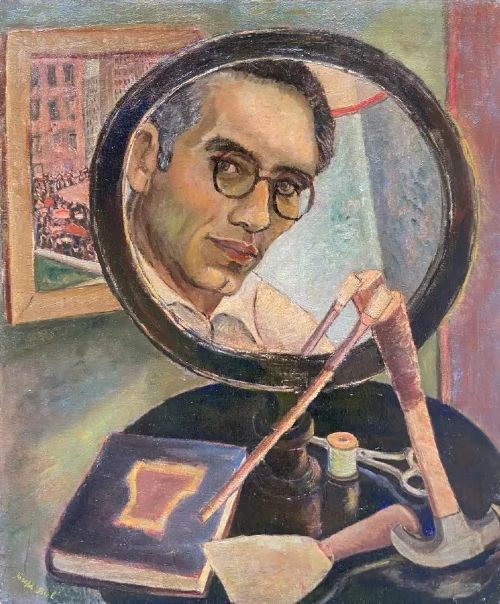
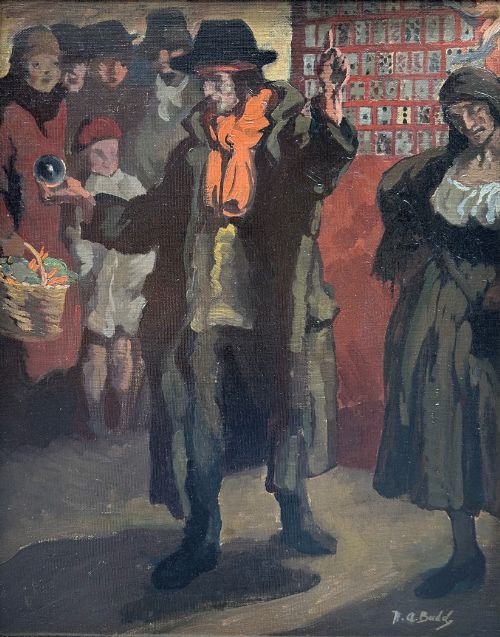
Twentieth century portrait paintings capture individual likenesses through oils, watercolours, and pastels executed across varied decades.
Twentieth Century Portrait Paintings
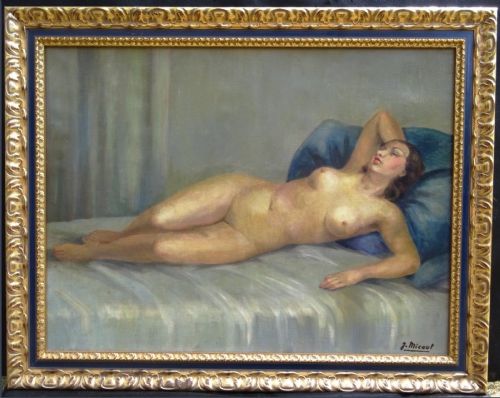
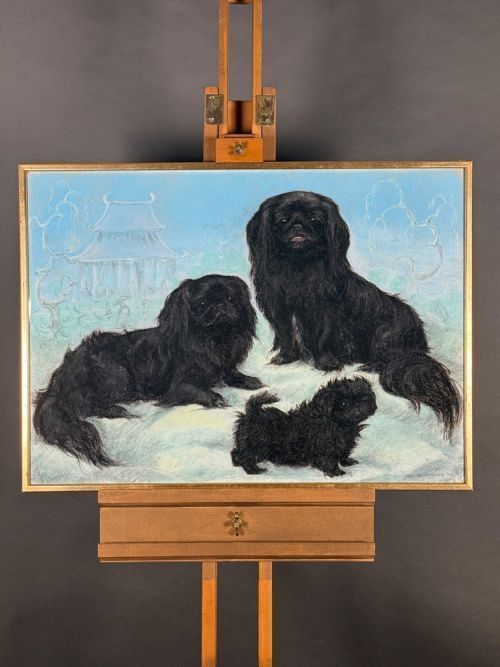
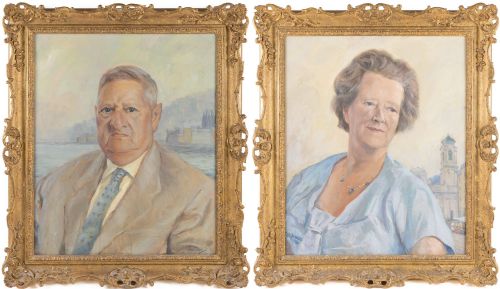
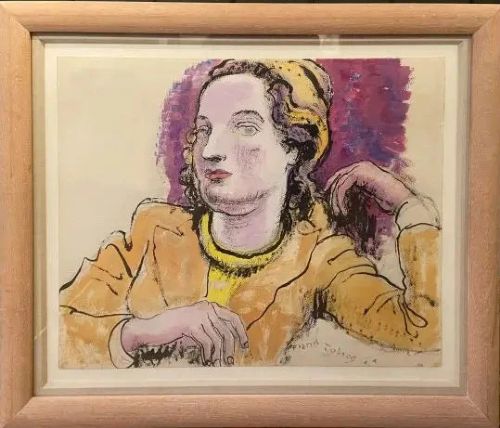
Twentieth century portrait paintings encompass works recording human and animal subjects across decades including the nineteen-twenties, nineteen-thirties, and nineteen-fifties. These pieces range from formal depictions of military officers and judges to informal studies and nudes.
Buyers frequently encounter oils on canvas alongside pastels on paper and watercolours housed within period frames. Originating from British, French, Belgian, and Italian hands, the subjects span diverse social strata from titled figures to anonymous sitters.
Materials and Technique
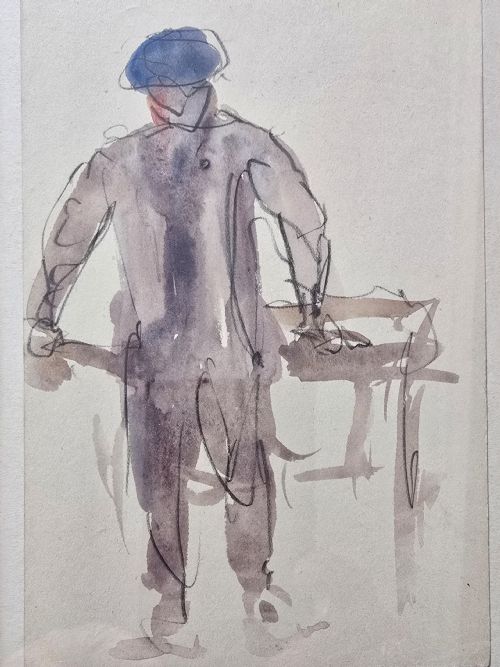
Artists deployed oil paint upon canvas and wood panels, alongside pastel on paper and watercolour washes. Canvases frequently sit within giltwood or swept frames appropriate to their period of creation.
Techniques combine academic realism with early twentieth century stylistic approaches, utilising pigment layers to build depth in skin tones and garments.
Listings feature works spanning from nineteen hundred through to nineteen sixty, utilising canvas, wood, paper, copper, and glass.
Evaluating Quality
Quality rests upon the sureness of brushwork and the psychological depth captured in the sitter's expression. Stronger examples demonstrate confident handling of light and form rather than rigid adherence to likeness alone.
The integrity of the original support, whether canvas, paper, or copper, alongside the appropriateness and condition of the accompanying period frame, contributes to the overall standing of the work.
Frank Dobson·Joseph Biel·Herbert Ashwin Budd·Michael Healy·Vincenzo D’Esposito·Septimus Scott·Philippa Maynard Romer·Jules Rambo·S Dennant Moss·Paul Schier·Andrew Young·Pinchus Krémègne·Richard Geiger·Florence Mabel Hollams·Aubrey Sykes·Dame Laura Knight·Paul Storr·John A.A. Berrie·Harry J. Pearson·William Lee Hankey·Richard Hall·Frank Samuel Eastman
The Twentieth Century Portrait Paintings Glossary
- Canvas
- A heavy woven fabric stretched across a wooden frame to serve as a support for oil paint. It provides a flexible texture that absorbs pigment layers.
- Giltwood
- Wood carved and coated with gold leaf or a gold-coloured finish. This material frequently frames period paintings to enhance their visual weight.
- Pastel
- A dry medium formed from powdered pigment and a binder, shaped into sticks. It permits rapid application of colour and soft tonal gradations.
- Watercolour
- Pigments ground in a water-soluble binder, applied in translucent washes onto paper. It relies on the white of the paper to supply luminosity.
- Enamel
- Vitreous material fused to a metal base such as copper through high-temperature firing. It produces a glossy, durable surface resistant to fading.
Twentieth Century Portrait Paintings: Frequently Asked Questions
How do I hang a heavy oil painting?
Secure fixings directly into wall studs or utilise appropriate cavity anchors rated for the weight of the canvas and its frame.
Ensure the hanging wire or brackets are evenly balanced to prevent the work from tilting over time.
Where should I place these artworks?
Position portraits away from direct sunlight and steady heat sources to protect oil paint and paper supports from fading or cracking.
Stable room temperatures help preserve the integrity of both the canvas and the wooden frame.
How do I clean an oil painting surface?
Remove surface dust gently using a soft, dry brush without applying pressure to the pigment layer.
Avoid using liquid cleaners or household agents, as these can damage old varnish or paint.
Are frames original to the paintings?
Many portraits retain period frames that match the decade of creation, offering complementary moulding styles and gilding.
Replacement frames sometimes occur when earlier mountings suffered structural damage.