


Twentieth Century Artwork
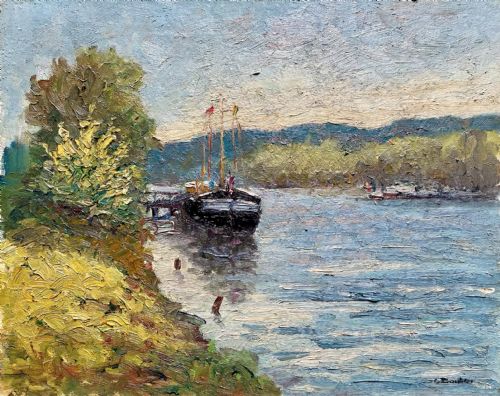
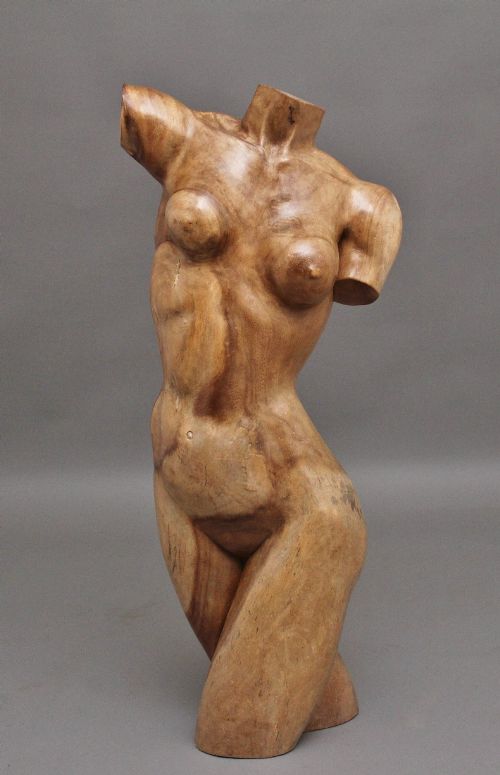
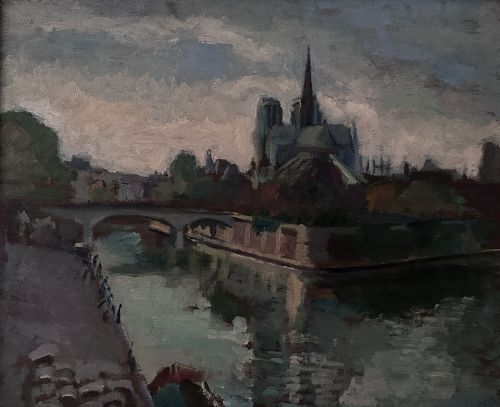
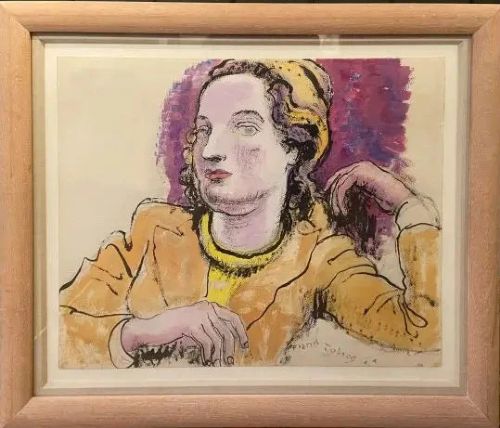
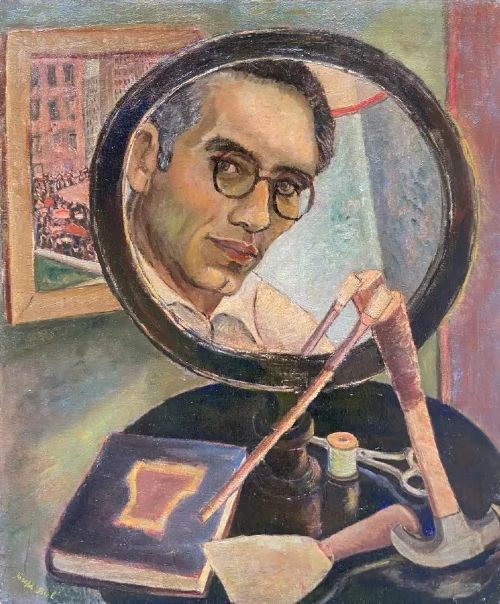
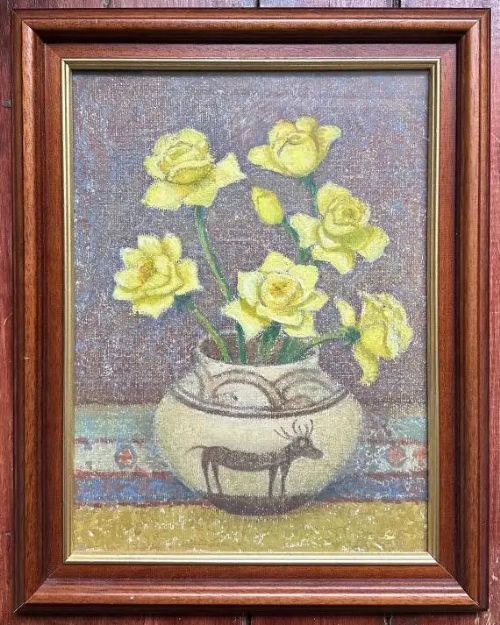
Twentieth century artwork spans varied paintings and prints on paper, canvas and wood, offering a rich study in changing visual styles.
Twentieth Century Artwork
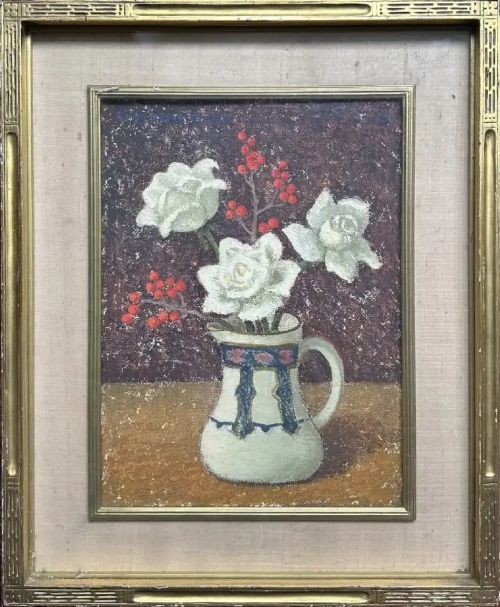
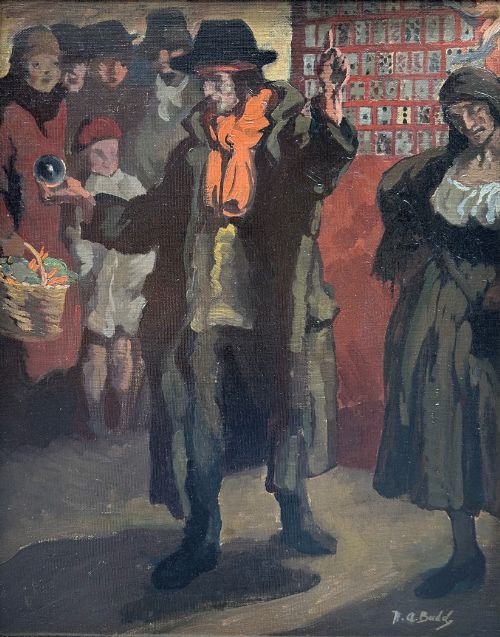
Twentieth century artwork encompasses a wide range of paintings, drawings and prints created across the decades from Edwardian times through to the mid-century period. Buyers browsing this selection frequently encounter oil paintings on canvas or panel, alongside watercolours, ink drawings and pastels.
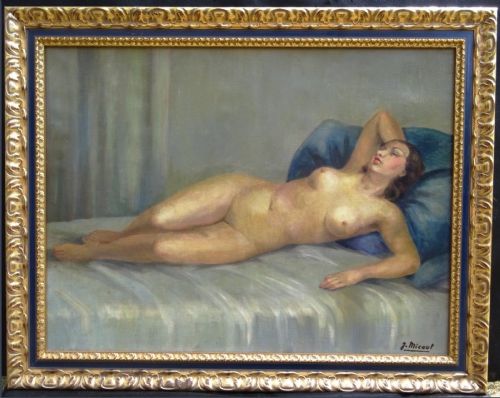
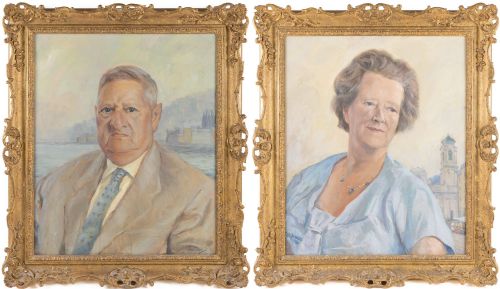
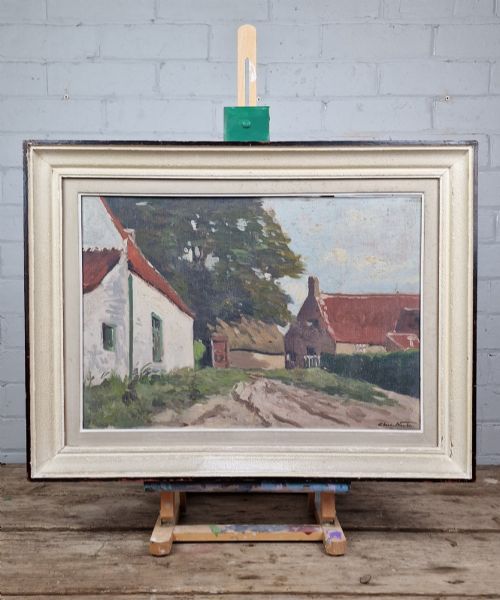
The objects originate from British, French, Belgian and Italian makers, reflecting movements such as Post-Impressionism, Modern British and Art Deco. Landscape, portraiture and still life subjects dominate the forms available on this page, often housed in period frames.
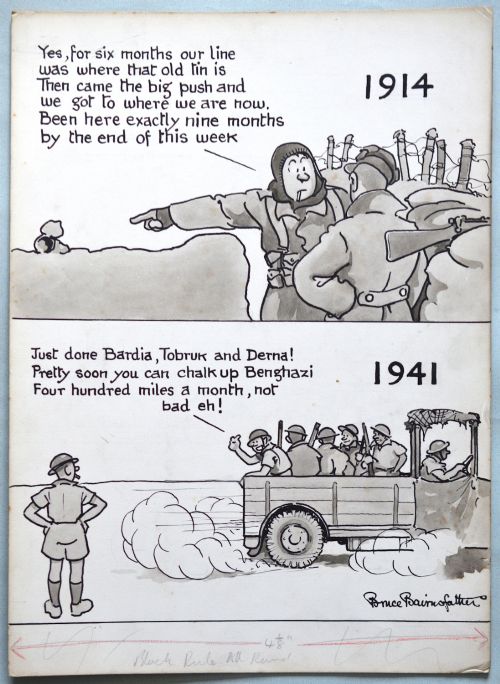
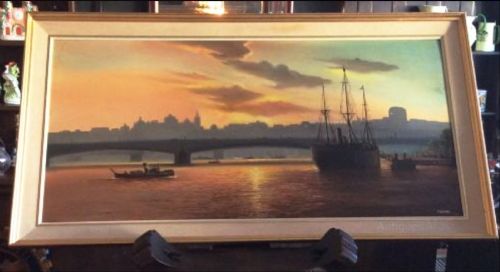
Many pieces capture specific regional views, coastal scenes and maritime subjects dating from the nineteen-tens to the nineteen-sixties. Smaller sketches and cartoon watercolours sit alongside larger framed exhibition pieces and limited edition prints.
How they were made
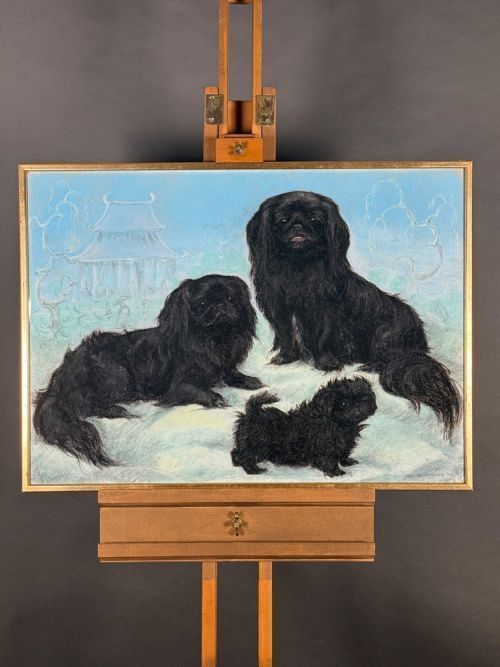
Artists painted primarily with oil on canvas, board or wood panel, applying pigment to capture light and texture in landscapes and portraits. Watercolours and inks on paper offered a lighter medium for swift studies, illustrations and preparatory sketches.
Printmakers utilised techniques such as lithography and pochoir to produce limited editions, while draughtsmen worked in pastel and pencil. Finished works were commonly mounted behind glass or set within carved and swept gilt frames characteristic of their period.
Listings feature oil paintings, watercolours and prints spanning the Edwardian era through to nineteen-sixty.
What varies in quality
The strength of the composition and the sureness of the artist's brushwork set finer paintings apart from more pedestrian student studies and routine topographical views. Superior pieces demonstrate confident draughtsmanship, balanced colour palettes and a distinct atmospheric resonance.
Condition of the medium and preservation of the original support heavily influence the standing of a piece, particularly with fragile watercolours, paper drawings and painted wooden panels. Surviving original frames that complement the artwork without later alteration add to the integrity of the object.
Thomas Ellison·Clifford Hanney·Bruce Bairnsfather·Charles Houben·Frank Dobson·Joseph Biel·Emma Fordyce MacRae·Herbert Ashwin Budd·Alfred Wolmark·Eric Brown·Henri Ottmann·Peter Newcombe·John Hodgson Lobley·Herbert Royle·Pablo Picasso·Paul Elie Gernez·Michael Healy·Warwick Goble·Vincenzo D Esposito·Antoine Calbet·Sir David Murray·Gabriel Dauchot·Anne Goldthwaite·Septimus Scott·Robert Leslie Howey
The Twentieth Century Artwork Glossary
- Oil on canvas
- Pigment bound in drying oil applied to a stretched woven fabric support. This method allowed artists to build rich textures and blend colours across centuries of painting.
- Watercolour
- A paint consisting of water-soluble pigment used on paper. It creates luminous, translucent washes prized for delicate landscapes and preparatory sketches.
- Lithograph
- A print made from a planographic image on stone or metal. Artists used this technique to produce multi-coloured limited edition prints.
- Post-Impressionism
- An artistic movement following Impressionism where painters explored emotional depth and structural form through bold colour. Works in this style often reject strict naturalism in favour of expressive brushwork.
- Pochoir
- A stencil-based printing process used for applying crisp, vibrant colours to fine art prints. It produces flat, saturated areas of hue popular in early twentieth century illustration.
Twentieth Century Artwork: Frequently Asked Questions
How do I identify a mid-century painting?
Mid-century paintings often display looser brushwork, simplified forms and palettes influenced by post-war modernism. Look at the subject matter and materials for clues to the decade of creation.
Signatures, dates on the reverse, and framing styles also help anchor the piece to the nineteen-fifties or sixties.
Are watercolours as durable as oils?
Watercolours on paper are more sensitive to light and moisture than oil paintings on canvas or panel. They require careful framing behind protective glass to prevent fading.
Oils tolerate ambient conditions better, though both mediums benefit from stable indoor humidity and shelter from direct sunlight.
What is a limited edition print?
A limited edition print is one of a strictly counted run produced from a single plate, stone or block. Artists sign and number these impressions to certify their authenticity and exclusivity.
Once the run is complete, the printing matrix is destroyed or retired to prevent further copies.
How should I frame antique artwork?
Match the frame style to the period of the artwork, such as swept gilt frames for Edwardian pieces or simpler moulding for mid-century works. Ensure conservation-grade materials touch the paper in works on paper.
Original frames should be preserved where possible, as they add historical context to the painting.