
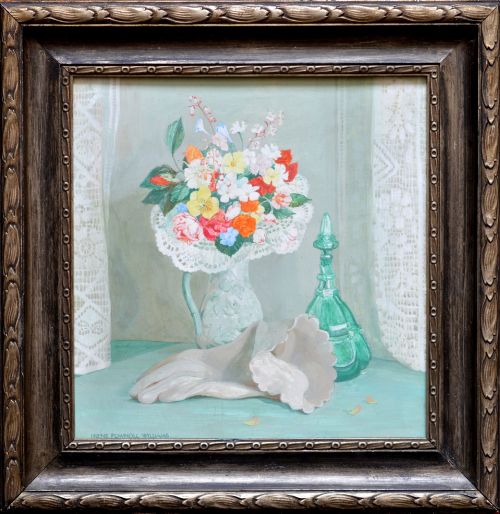
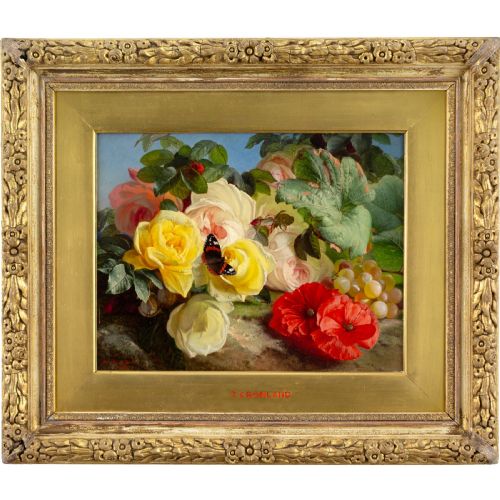
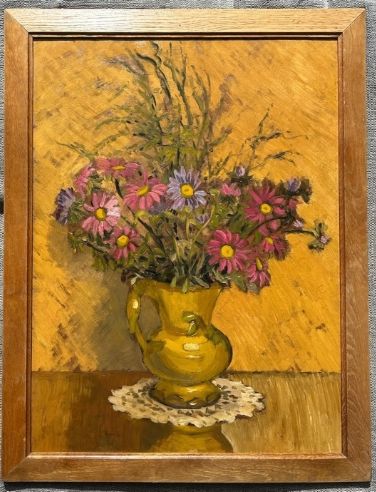
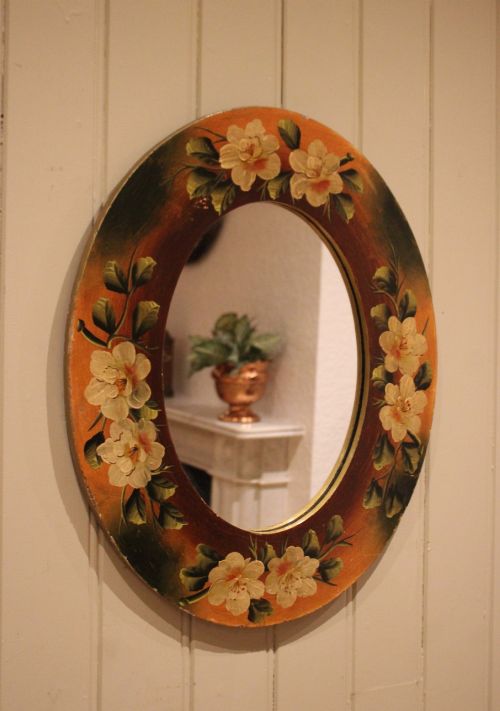
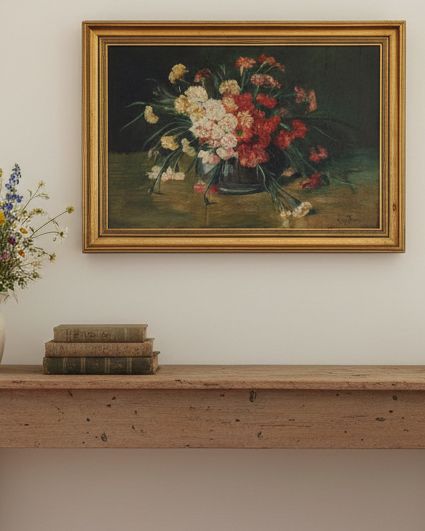
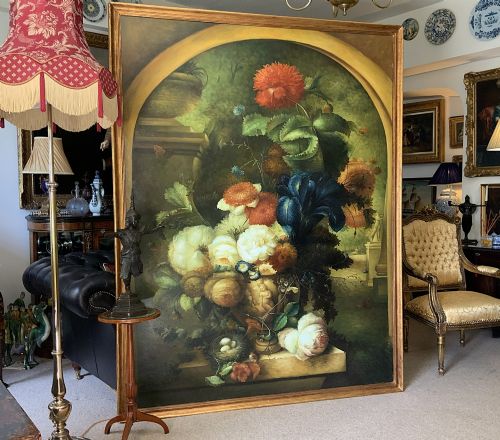
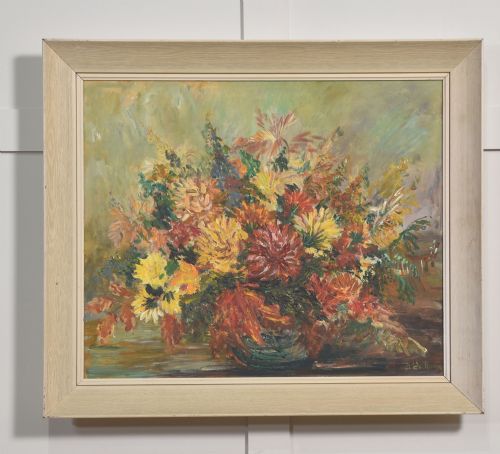
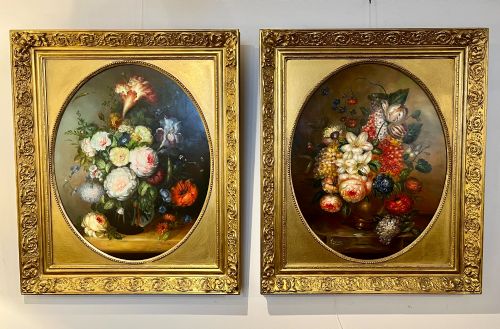
Framed Floral Painting
A framed floral painting brings botanical colour and depth to a room, ranging from detailed Victorian watercolours to bold mid-century oils.
Framed Floral Painting
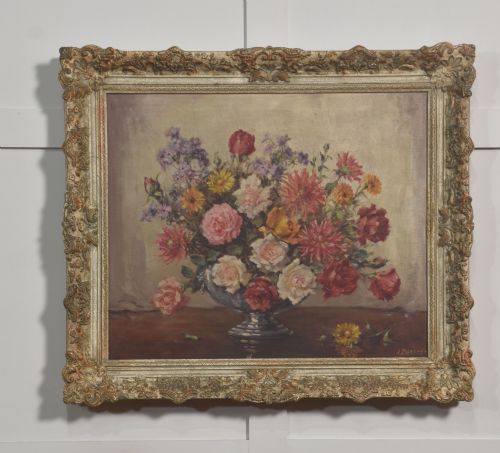
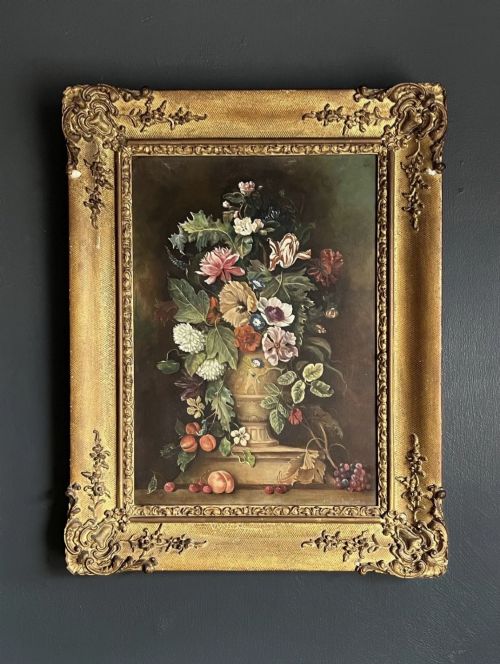
A framed floral painting captures botanical subjects, predominantly floral still lifes, garden studies, and seasonal arrangements rendered in various mediums. When searching this phrase, collectors encounter works stretching from the seventeenth century through to the mid-twentieth century, with nineteenth-century examples and 1930s to 1950s interpretations appearing frequently.
The assortment on this page spans oil paintings on canvas, panel, and board, alongside delicate watercolours and gouache on paper. Sizes range from intimate cabinet pieces to monumental canvases designed for grand dining rooms or formal reception spaces.
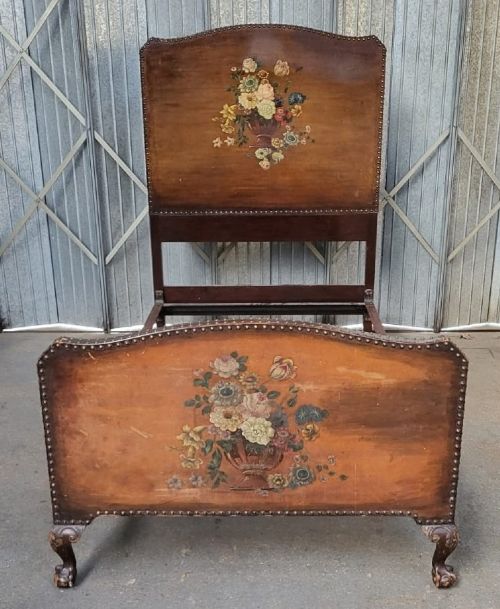
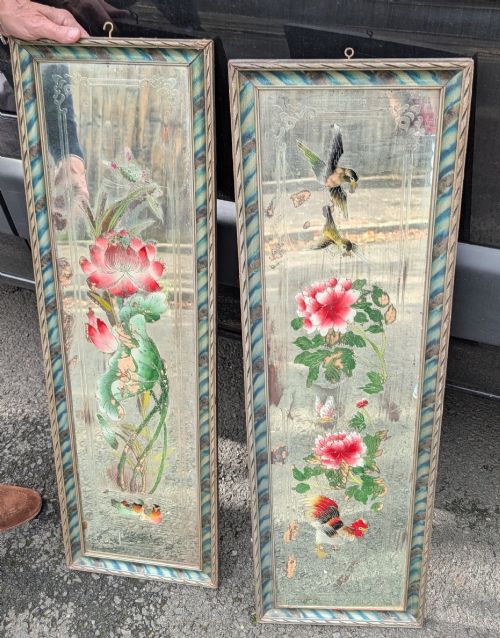
Beyond traditional canvas and panel works, the selection includes framed textile art and botanical studies housed behind glass. Many retain their period mounts and surrounds, including gilt gesso frames that complement the botanical subject matter.
How they were made
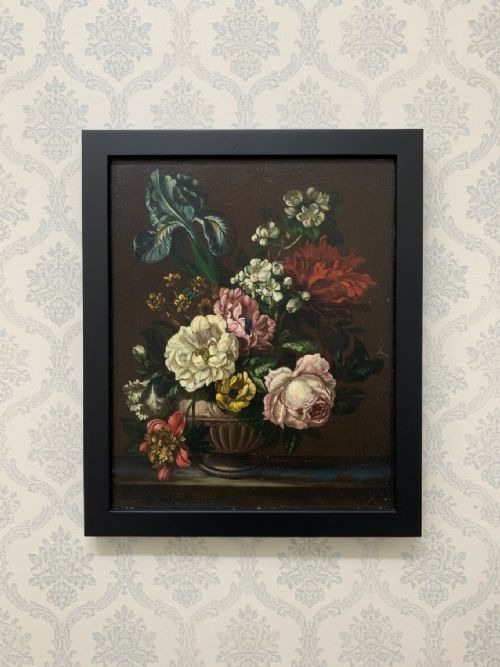
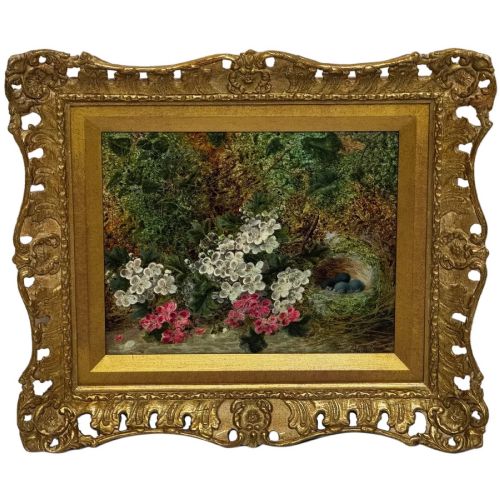
Makers utilised traditional mediums such as oil paint, watercolour, and gouache applied to stretched canvas, wooden panels, or heavy paper stock. Oil painters built up rich textures using layered brushwork, capturing the translucent petals of roses, carnations, and wild hedgerow blossoms.
Paper works relied on precise watercolour washes and fine ink detailing to record botanical specimens like marigolds, fuchsias, and wild roses. These works were secured behind glass to protect the paper from atmospheric moisture and handling.
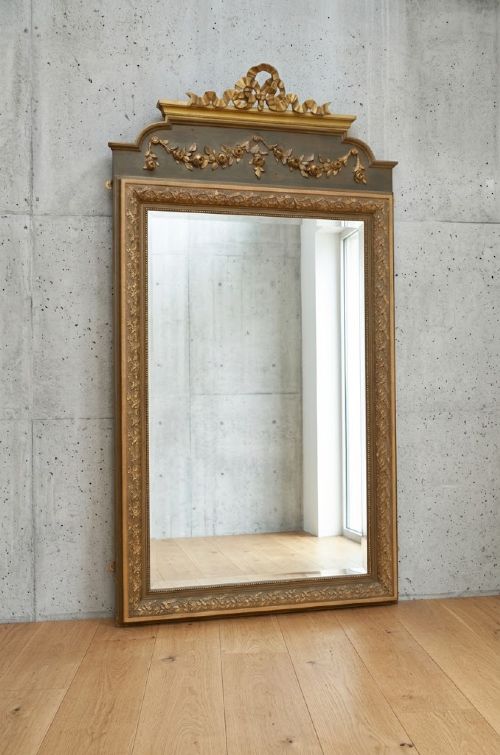
Surrounding housings are constructed from wood finished with gilt leaf, gesso ornamentation, or simple painted surfaces. These enclosures were designed specifically to frame and protect the delicate painted or illustrated artwork within.
Several floral compositions hide tiny bird's nests amongst the blossoms and fruit.
What varies in quality
Quality rests in the precision of the brushwork and the artist's ability to render light, shadow, and botanical accuracy within the petals and leaves. Superior pieces demonstrate confident handling of tone and composition, whereas lesser works rely on stiff, repetitive forms and flat colour application.
The integrity of the physical support matters significantly, distinguishing well-preserved canvases and stable wooden panels from those suffering from severe paint flaking or warped surfaces. Original period frames that match the age and style of the artwork add considerably to the overall integrity of the piece.
Kenneth Cozens·I. Berezny·Oliver Clare·D. L. Williams·Vincent Clare·Konstantin Stoitzner·Edward Ladell·Emma Fordyce MacRae·Gaspar Peeter Verbruggen·Peter Newcombe·Harold Clayton·Edwin Steele·D Hardy·Manuela Bonati·Catherine Thomas·William Thomas Wood
The Framed Floral Painting Glossary
- Oil on Canvas
- A painting technique using pigments bound in a drying oil applied to a woven fabric stretched across a wooden frame. This method allows for rich impasto and deep colour saturation.
- Gilt Gesso
- A plaster-like material applied to wooden frames then covered in thin gold leaf. This decorative surface reflects ambient light around the framed artwork.
- Watercolour
- A painting method where water-soluble pigments are suspended in a water-based solution on paper. It produces translucent washes ideal for botanical studies.
- Still Life
- An artwork depicting inanimate subject matter, typically everyday objects or harvested flowers. These compositions focus on arrangements of form, light, and texture.
- Impressionism
- A style of painting emphasising loose brushstrokes and the shifting effects of light rather than exact botanical detail. Artists working in this manner prioritize atmospheric mood.
Framed Floral Painting: Frequently Asked Questions
How do I care for a framed floral painting?
Keep the artwork away from direct sunlight to prevent pigments and watercolours from fading over time. Maintain a stable indoor humidity level to protect wooden panels and canvas stretchers from warping.
Dust gilt frames gently with a soft, dry brush rather than liquid cleaners. Ensure hanging wires and wall fixings remain secure to support the weight of larger framed works safely.
Where were these floral paintings displayed historically?
Botanical and floral artworks typically hung in domestic reception rooms, parlours, and dining spaces. Smaller watercolours often decorated intimate private bedrooms and drawing rooms.
Larger still life oils were commissioned for formal dining halls to complement interior furnishings. Their botanical themes brought natural elements inside during winter months.
How can I tell the period of a painting?
Examine the framing style, canvas preparation, and physical backing materials for clues to the era of creation. Stylistic markers such as the loose brushwork of mid-century pieces or the precise detail of Victorian works provide reliable indicators.
Signatures, dates inscribed on the reverse, and artist attribution labels offer definitive dating evidence. Comparing the pigment handling to documented works from specific decades helps confirm the period.
What is the difference between oil and watercolour floral art?
Oil paintings utilise heavy, viscous pigments that allow for textured brushstrokes and deep, luminous colour layering. They are typically executed on canvas, panel, or board and possess robust surface durability.
Watercolours employ fluid, transparent pigments on paper and require protection behind glass to prevent moisture damage. They offer a delicate lightness that captures fine botanical details with subtle precision.