



Original Pastel Drawings
Original pastel drawings bring intimate hand-rendered colour and texture to walls, capturing fleeting light and character across the nineteenth and twentieth centuries.
Original Pastel Drawings
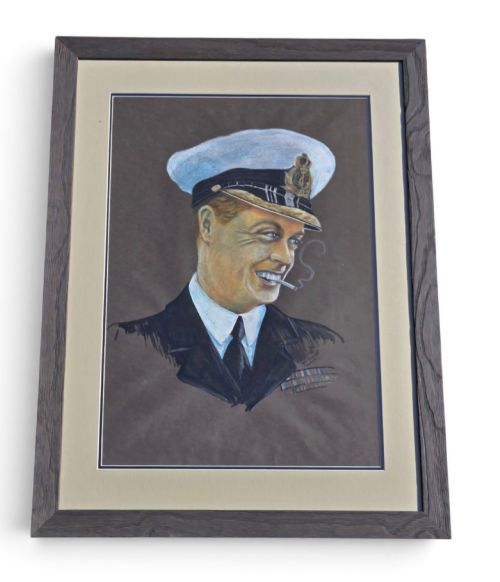
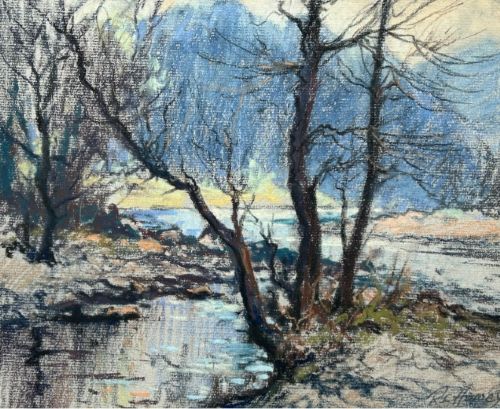
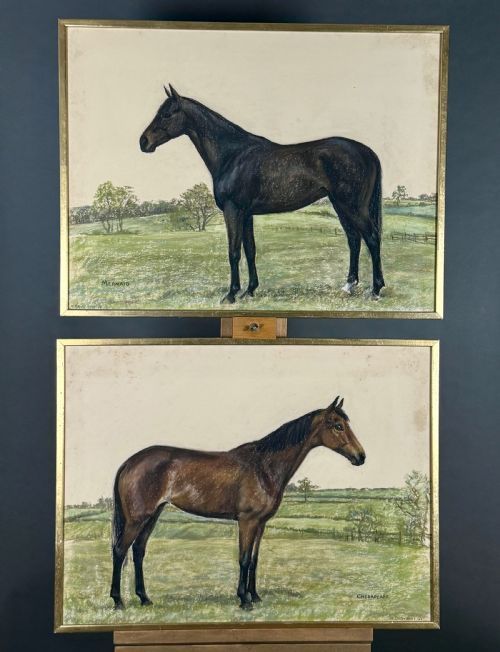
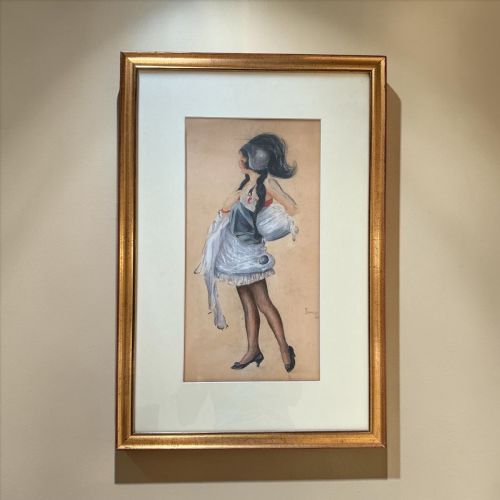
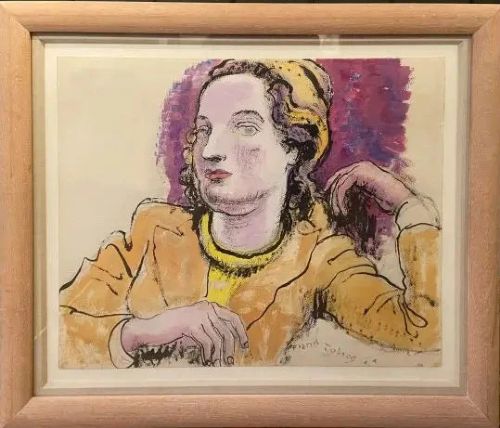
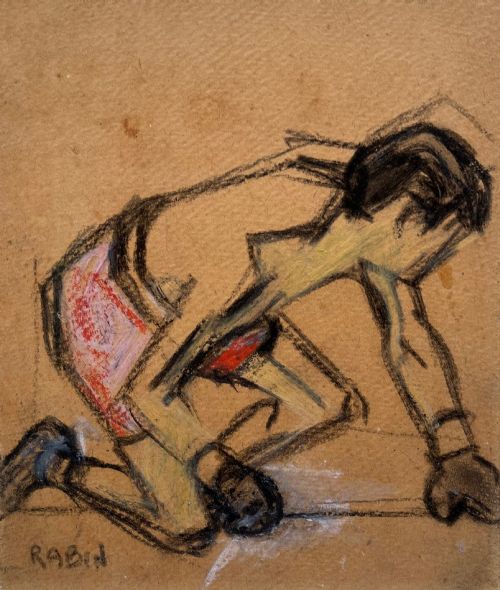
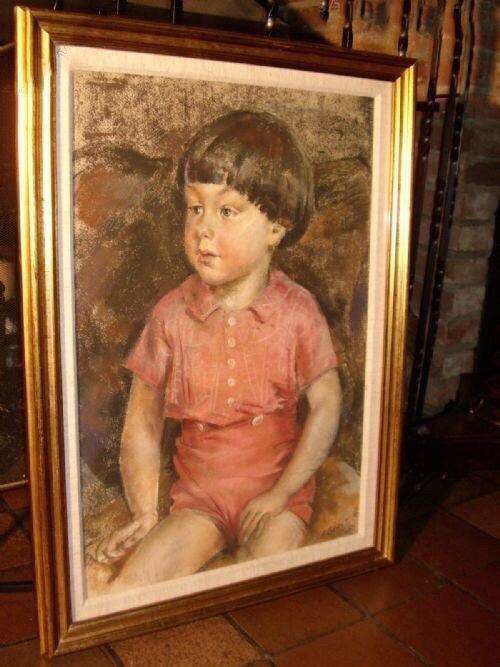
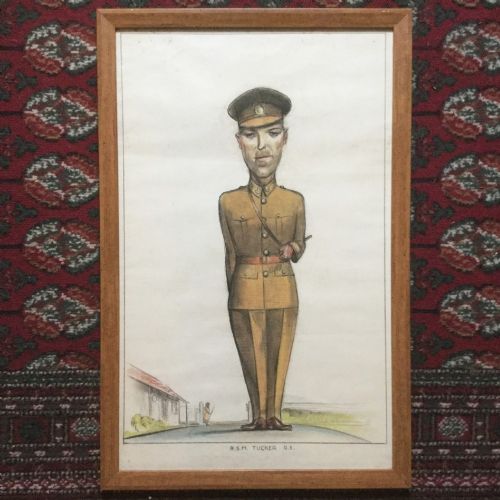
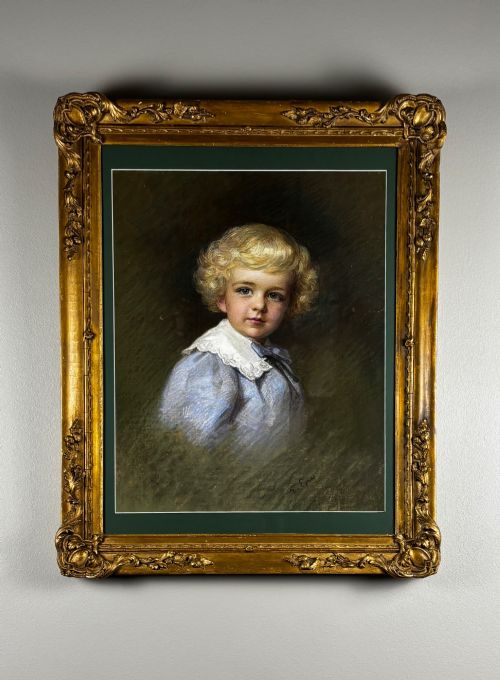
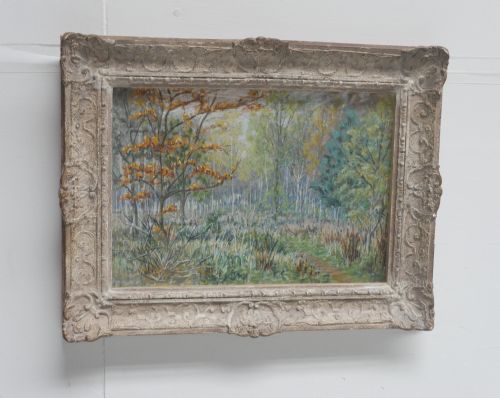
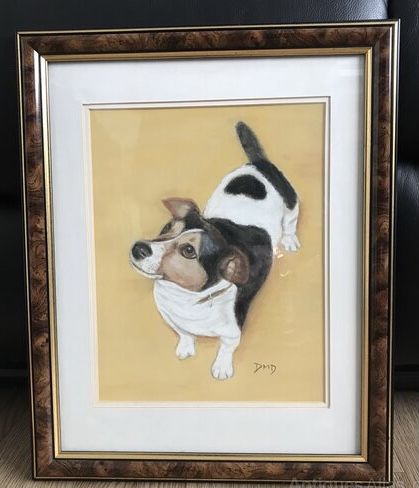
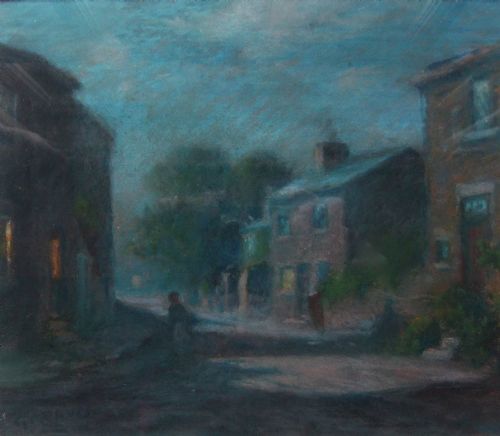
Original pastel drawings encompass framed portraits, animal studies, landscapes and still life works executed directly on paper or coloured supports. These pieces emerge from periods spanning the nineteenth century through the Edwardian era and into mid-century modern decades.
Portraits of sitters, equestrian subjects, domestic animals and coastal or rural views dominate the selection. Works surface in styles ranging from traditional realism and impressionism to post-impressionism, art deco and modern british movements.
Buyers encounter single framed artworks alongside pairs and sets, predominantly preserved behind glass within wood or gilt frames. These drawings offer direct insight into the touch and method of named artists and skilled draughtsmen.
How they were made
Artists form these works using dry pigment compressed into sticks applied directly to paper, sometimes augmented with charcoal, gouache, watercolour or ink pen. The powdery medium relies on physical contact between the pigment stick and the tooth of the paper to hold colour.
Support materials vary from standard drawing paper to tinted or coloured paper which influences the overall tone of the finished composition. Many works incorporate pastel over lithograph layers or mixed media elements to build depth and contrast.
Framing methods protect the delicate, friable surface of the pigment, enclosing the drawing under glass within wooden or gilt wood frames that preserve the image from smudging and environmental wear.
The selection spans works from the nineteenth century, Edwardian era, nineteen-thirties, nineteen-fifties and nineteen-sixties.
What varies in quality
The strength of draughtsmanship and control over the medium dictate the artistic standing of individual works, separating hurried sketches from fully realised compositions. Confident handling of form and anatomy in figures, animals or landscapes distinguishes the most accomplished pieces.
The preservation of the pigment layer affects visual impact, as pastel is prone to shedding and dust accumulation if improperly sealed behind glass. Works that retain their original vibrance and crispness without excessive smudging represent superior examples of the craft.
Frank Dobson·Samuel Rabin·John Rattenbury Skeaping·Cecil Charles Windsor Aldin·John Hobson Nicholson·Berthe des Clayes·Denis William Reed·Jennifer Toombs·Aubrey Sykes·John Macallan Swan·Gaston Bouy·Sonia Lawson·Maurice Feild
The Original Pastel Drawings Glossary
- Pastel
- A dry painting medium composed of powdered pigment and a binder, shaped into sticks for direct application to paper. It yields velvety colour with a matte finish.
- Gouache
- An opaque water-based paint frequently combined with pastel to add solid highlights and dense areas of tone to a drawing. Artists utilise it for contrasting textures.
- Support
- The physical surface, typically paper or coloured board, upon which the artist executes the drawing. The texture and colour of this base directly influence the final image.
- Fixative
- A liquid spray applied to pastel works to bind the loose pigment particles to the paper. It helps prevent dusting, though historical works often rely entirely on glass protection.
Original Pastel Drawings: Frequently Asked Questions
How do I clean the glass on a pastel drawing?
Use a soft cloth dampened lightly with glass cleaner, applying the liquid to the cloth rather than spraying the frame directly.
Ensure no moisture seeps past the rebate into the drawing itself, as trapped dampness will damage the fragile pigment layer on the paper within.
Can pastel drawings be hung in direct sunlight?
Direct sunlight causes pigments to fade over time, particularly organic colours used in older works. Position these framed pieces away from windows receiving intense daily rays.
UV-filtering glass offers additional protection if placement options in a room are strictly limited.
How do I identify a pastel from a watercolour?
Pastel leaves a dry, velvety, matte texture with visible pigment grain and powdery edges where strokes overlap. Watercolour relies on translucent washes absorbed directly into the fibres of the paper.
Examining the surface closely under a strong light reveals whether the medium sits on top of the paper or sinks into it.