


Turquoise Pearl Pin
These turquoise pearl pin pieces are small wearable works of jewellery from the Victorian and Edwardian eras, prized for combining bright blue stones with lustrous pearls.
Turquoise Pearl Pin
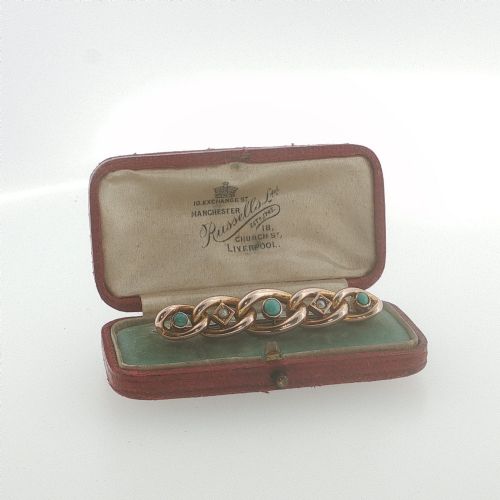
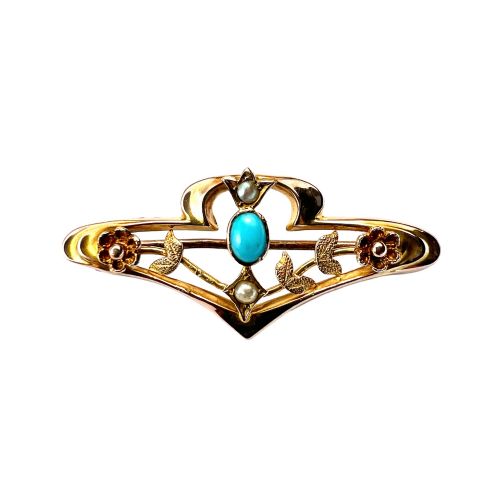
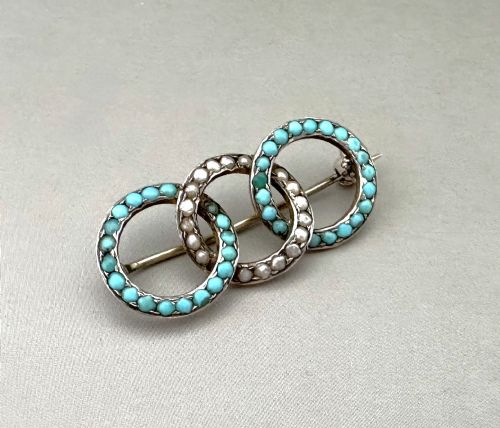
A turquoise pearl pin search brings up a variety of brooches, stick pins, and tie pins spanning the Victorian and Edwardian periods up to nineteen ten. The items found here are predominantly brooches, taking forms such as floral clusters, winged hearts, bows with heart drops, crescents, and dragonfly shapes.
Most pieces on this page originate from the Victorian and Edwardian eras, alongside items dated to eighteen ninety, nineteen hundred, and nineteen ten. These jewels frequently combine bright turquoise cabochons with seed pearls and pearls, often mounted on gold of various carats or silver gilt.
How they were made
Maker workshops utilised metals such as nine carat gold, fifteen carat gold, eighteen carat gold, rose gold, and silver gilt to form the structural mounts and settings. Artisans secured small turquoise cabochons and delicate seed pearls into these metal frameworks, sometimes adding diamonds for extra brilliance.
Techniques relied on careful hand-setting of tiny gemstones and pearls into shaped brooch frames, including floral motifs, bows, hearts, and crescent moons. Rolled gold was also employed in some sets to provide a durable yet accessible base for the jewellery.
One winged heart brooch manages to squeeze both turquoise and pearls into a tiny romantic gesture fit for an Edwardian lapel.
What varies in quality
The choice of base metal creates a clear distinction across the range, moving from rolled gold and silver gilt up to nine carat, fifteen carat, and eighteen carat solid gold. Heavier gold content and the inclusion of additional stones like diamonds separate standard items from more elaborate creations.
Complexity of design also dictates the standard of the piece, shifting from simple bar forms to intricate winged hearts, dragonflies, and multi-part jewellery sets with bracelets.
The Turquoise Pearl Pin Glossary
- Turquoise
- A hydrous phosphate of copper and aluminium that yields a distinct blue or greenish-blue colour, commonly cut into cabochons for Victorian and Edwardian jewellery settings.
- Seed Pearl
- A very small, naturally formed pearl, often round or slightly irregular, used extensively to accent floral and heart motifs in antique brooches.
- Silver Gilt
- Silver that has been coated with a thin layer of gold, providing the appearance of solid gold while utilising a silver base metal.
- Cabochon
- A gemstone shaped and polished with a smooth, rounded domed surface rather than being faceted with flat planes.
Turquoise Pearl Pin: Frequently Asked Questions
What periods do these pieces come from?
The items listed here originate primarily from the Victorian and Edwardian eras, with specific dates spanning from eighteen ninety through to nineteen ten.
This timeframe encompasses late nineteenth-century craftsmanship as well as early twentieth-century designs influenced by prevailing jewellery styles.
What materials are used in these pins?
These pieces combine turquoise stones and seed pearls or pearls with various metals, including nine carat, fifteen carat, and eighteen carat gold.
Additional materials found across the inventory include rose gold, silver gilt, rolled gold, and occasional diamond accents.
What forms do these items take?
The collection consists largely of brooches and pins, alongside occasional stick pins, tie pins, and matching jewellery sets.
Design shapes include floral clusters, winged hearts, bows with heart drops, dragonflies, and crescent moons.
How do I care for antique turquoise jewellery?
Turquoise is a relatively soft and porous gemstone that can absorb oils, cosmetics, and water, which may alter its distinctive blue colour over time.
Keep these pieces away from harsh chemicals and ultrasonic cleaners, wiping them gently with a soft dry cloth after wearing.