


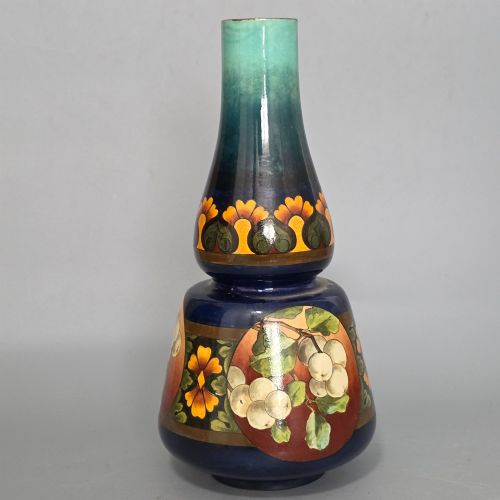
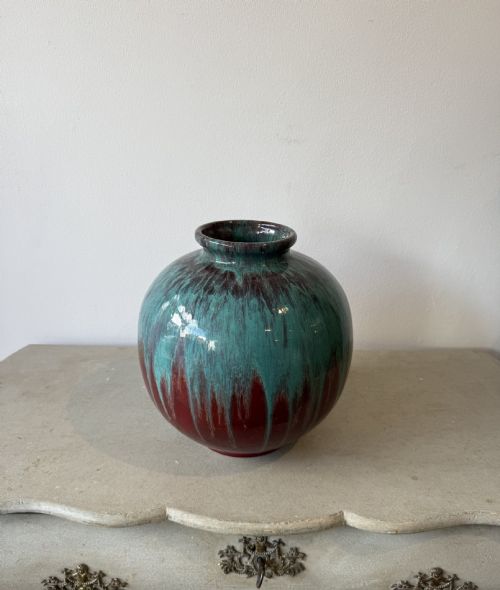
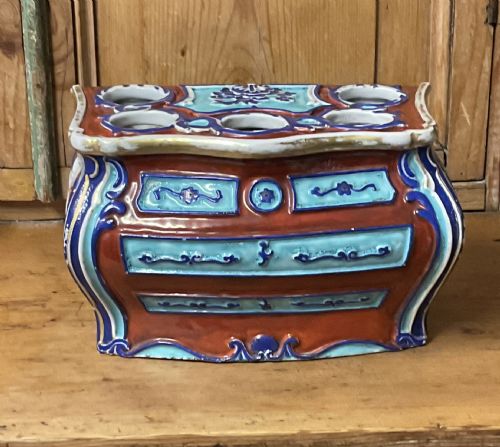


Turquoise Ceramic Vessels
Turquoise ceramic vessels bring vibrant colour and historic craftsmanship to a room, ranging from early earthenware to delicate porcelain.
Turquoise Ceramic Vessels
Turquoise ceramic vessels encompass a variety of decorative and utilitarian forms, including vases, ginger jars, bough pots, and umbrella stands. These pieces span multiple centuries and global traditions, from Ming Dynasty works to nineteenth-century British art pottery.
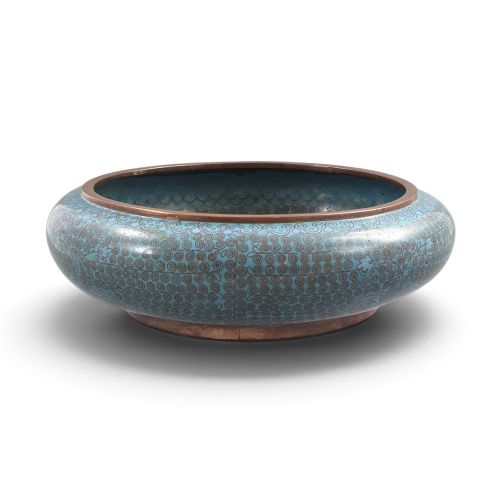
Buyers encountering this selection will find notable geographic and stylistic diversity, featuring examples from Chinese export workshops, Japanese Meiji makers, French kilns, and Belgian potteries. Forms range from compact scholar's brush washers and ashtrays to large lidded display vases.
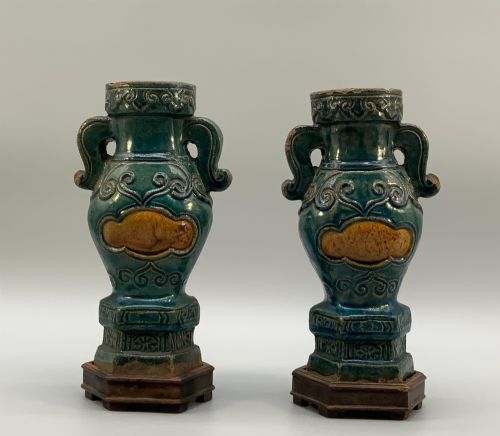
The materials paired with these ceramics often include earthenware, porcelain, and enamel work, frequently displaying rich turquoise glazes alongside contrasting amber or polychrome details.
How they were made
The creation of these vessels relies on foundational ceramic techniques such as throwing earthenware and porcelain, paired with specialised glazing methods to achieve vibrant turquoise surfaces. Potters utilised metallic oxides to generate the striking blue-green colouration seen across the centuries.
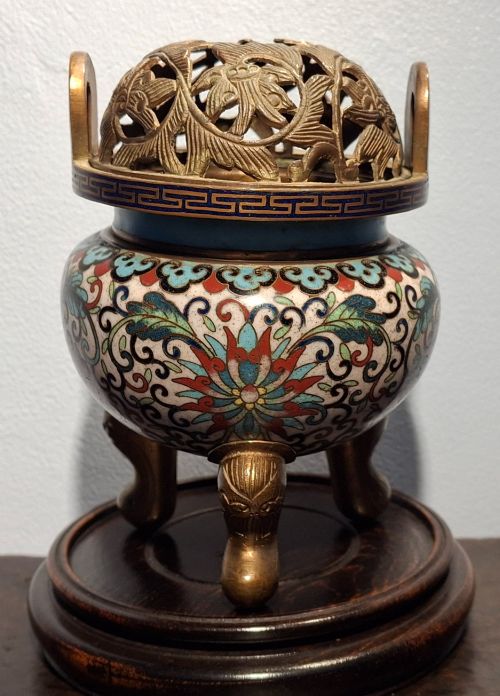
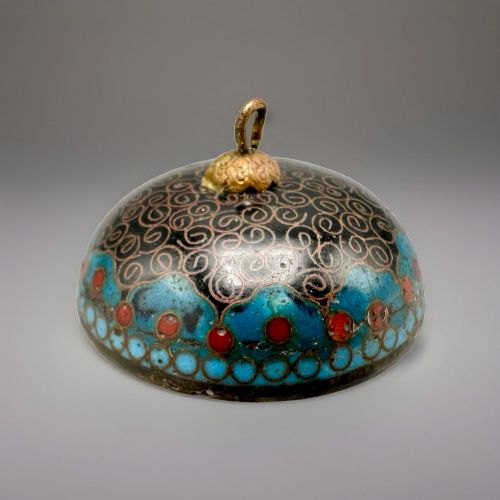
Many works incorporate intricate surface decoration, ranging from cloisonne enamel wirework on copper bases to intarsio faience and painted glazes. These decorative layers demand precise firing control to bond the vitreous coatings to the underlying ceramic or metallic body.
Turquoise Ceramic Vessels Retail Price Guide 2026
Typical asking prices for turquoise ceramic vessels among the pieces listed under this phrase on Sellingantiques today, from the lower quarter to the upper quarter. They describe what is for sale here now, not the wider market.
Even a humble nineteenth-century ashtray receives the full turquoise treatment, proving that nineteenth-century smokers appreciated a splash of bright colour.
What varies in quality
Quality in these pieces rests upon the precision of the glaze application, the crispness of any applied enamel or decorative motifs, and the structural integrity of the ceramic body. Finer examples display an even, luminous surface tone without distracting pooling or clouding in the glaze.
The execution of the form itself separates standard production wares from superior examples, particularly in the symmetry of thrown vessels and the delicacy of detailed surface ornamentation. Historical attribution and the reputation of specific ceramic houses or makers also influence the standing of an individual piece.
The Turquoise Ceramic Vessels Glossary
- Earthenware
- Porous pottery fired at lower temperatures, commonly coated in an opaque glaze to create smooth decorative surfaces. This material forms the base of many historical vessels.
- Cloisonne
- A decorative technique where metal wires are soldered onto a base to form compartments, which are then filled with enamel paste and fired. It frequently appears alongside ceramic elements in Asian export pieces.
- Bough pot
- A specialised vessel designed to hold cut branches or flowers for interior decoration, often featuring a pierced lid or specific bulbous profile. These containers were popular in eighteenth and nineteenth-century interiors.
- Faience
- Tin-glazed earthenware produced across various European traditions, known for its receptive surface for painted designs. It allows for rich colour saturation in decorative pieces.
Turquoise Ceramic Vessels: Frequently Asked Questions
What periods do these vessels cover?
The pieces span from early centuries through the nineteenth and twentieth centuries, capturing diverse international manufacturing traditions.
Collectors will find works originating from seventeenth-century dynasties as well as later European art pottery movements.
How were these vessels used historically?
Many items served practical functions in scholarly or domestic settings, acting as brush washers, ashtrays, or umbrella stands.
Others were created purely for display, functioning as lidded jars, decorative bowls, and substantial floor vases.
How do I identify different styles?
Styles are determined by the geographic origin and period characteristics, such as the forms associated with Ming or Qing periods compared to nineteenth-century British art pottery.
Examining the specific glaze characteristics, potting techniques, and decorative motifs helps distinguish between traditions like Iznik-style European work and Asian export pieces.
How do I care for antique ceramics?
Maintain these vessels by keeping them away from direct sunlight and sudden temperature shifts to protect the glazes and ceramic bodies.
Dust them gently with a dry, soft cloth and avoid using chemical cleaning agents on historic surfaces.