

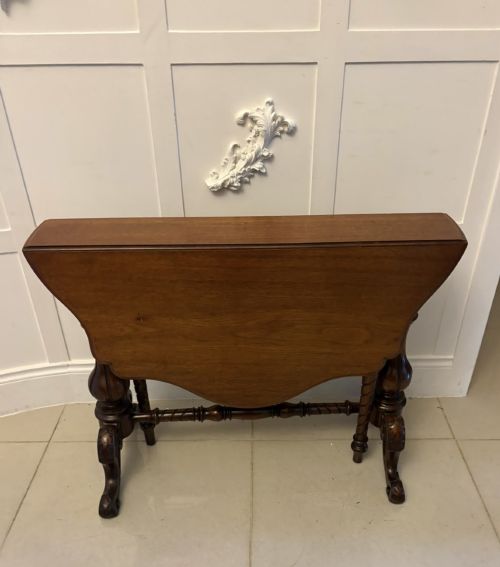
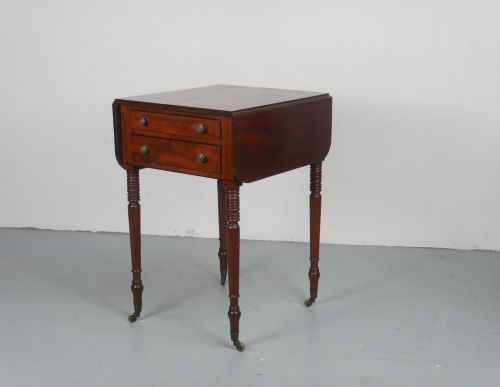
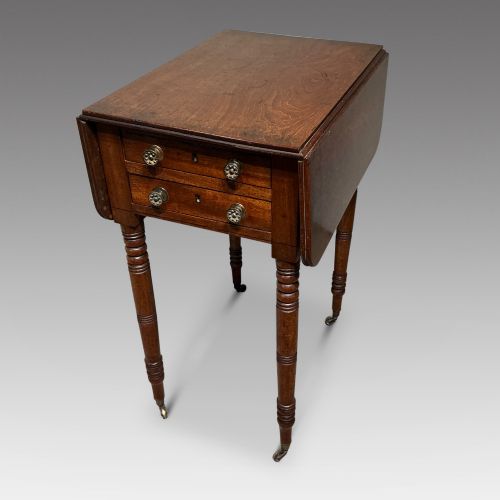
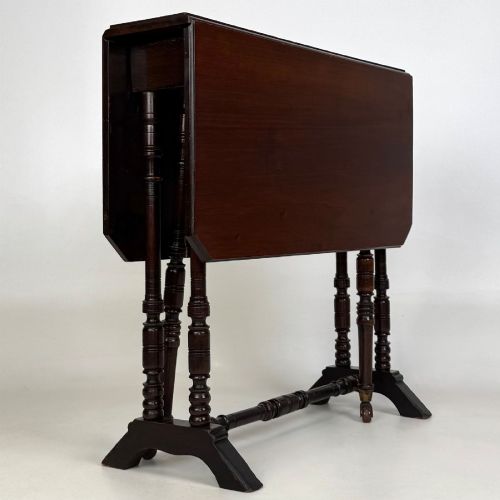
Turned Wood Sofa
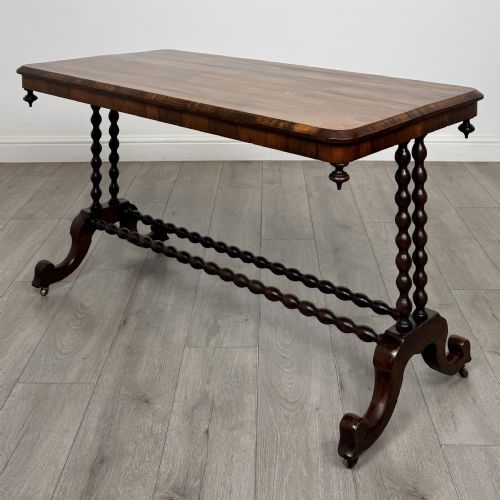
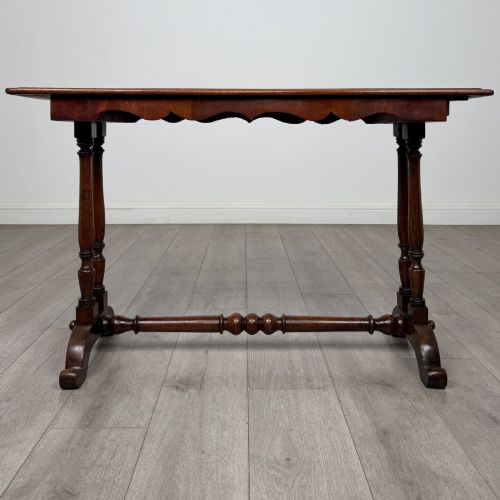
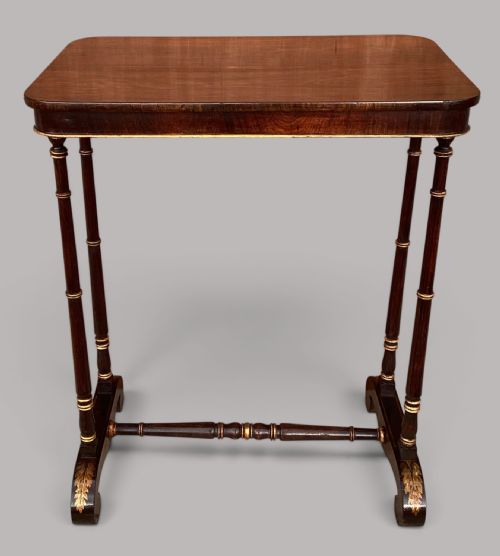
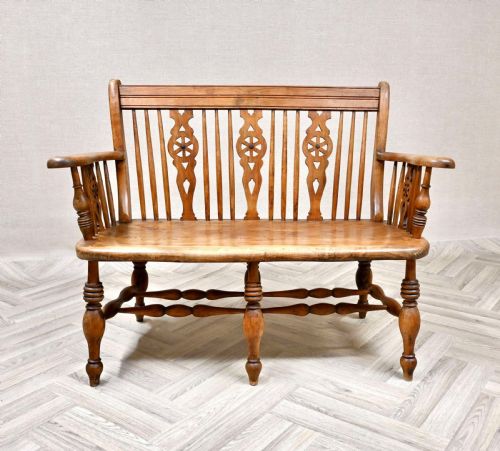
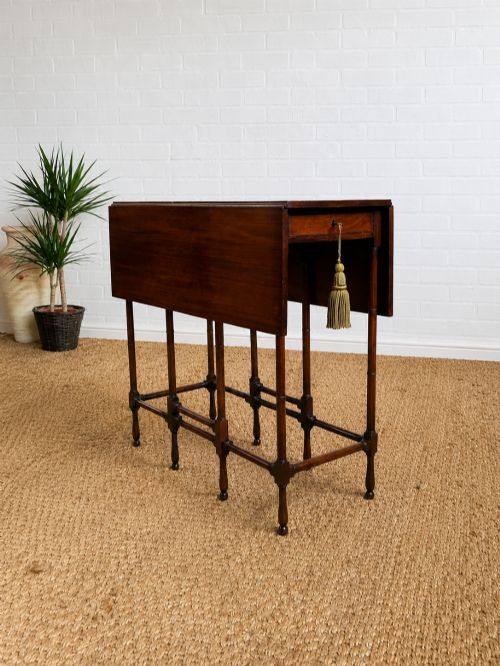
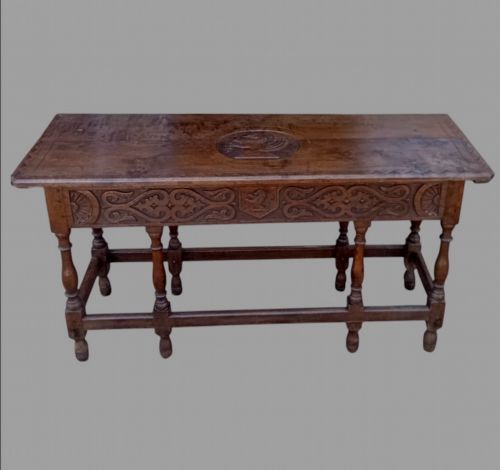
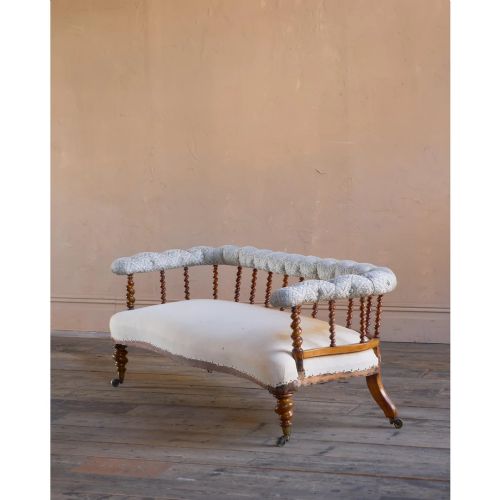
These turned wood sofa selections bring together nineteenth-century seating and tables with characterful spindles, bobbin turnings, and bamboo-turned legs.
Turned Wood Sofa
When you search for turned wood sofa items on this page, you encounter nineteenth-century seating such as country house sofas, salon sofas, and open arm sofas, alongside related tables with turned components.
The selections span Georgian, Regency, William IV, Victorian, and Edwardian periods, showcasing diverse forms from English and French traditions.
You are most likely to meet mahogany, rosewood, and walnut frames featuring distinct turned stretchers, spindle backs, and bobbin-turned legs.
How they were made
Maker workshops utilised solid timbers including mahogany, rosewood, walnut, burr walnut, amboyna, oak, and cherrywood for structural integrity and rich surface grain.
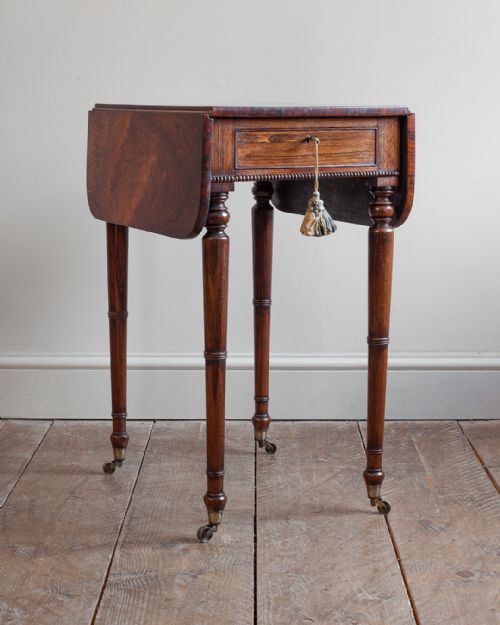
Turnery techniques produced bobbin-turned legs, spindle backs, bamboo-turned supports, and turned stretchers, frequently complemented by brass castors and drop-leaf mechanisms.
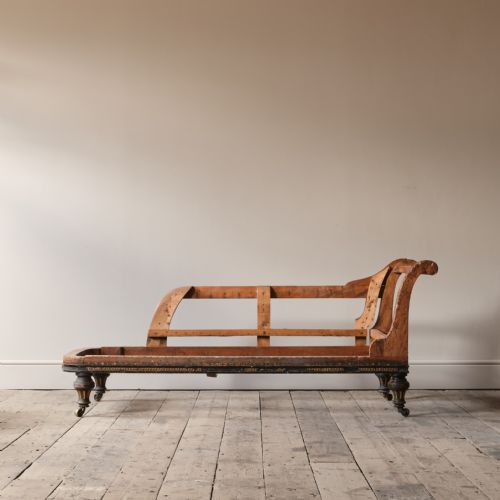
Upholstered seating integrated hessian and traditional stuffing methods within generous country house proportions.
Turned Wood Sofa Retail Price Guide 2026
Typical asking prices for turned wood sofa among the pieces listed under this phrase on Sellingantiques today, from the lower quarter to the upper quarter. They describe what is for sale here now, not the wider market.
What varies in quality
The distinction between standard pieces and exceptional examples rests upon the selection of figured timbers like burr walnut or amboyna and the crispness of the turned work.
Maker attribution elevates standing, with documented workshops demonstrating superior joinery, balanced proportions, and refined finishing compared to anonymous regional items.
Miles & Edwards·Holland & Sons·C. Hindley & Sons·Johnstone and Jeanes·Hampton & Sons
The Turned Wood Sofa Glossary
- Turned wood
- Wood shaped on a lathe to create cylindrical, spindle, or bobbin profiles. This technique defines the legs and stretchers of these items.
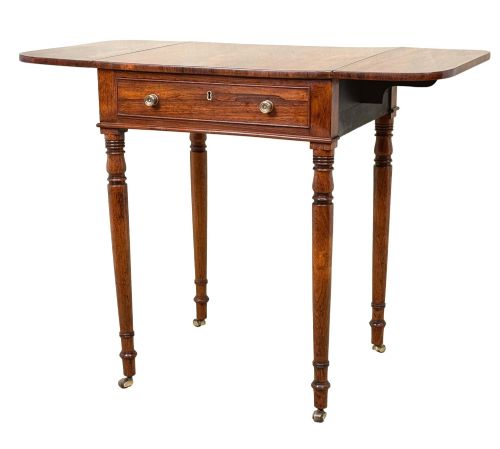
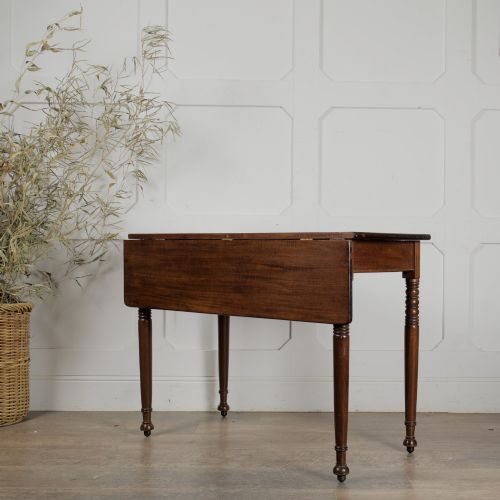
- Pembroke table
- A drop-leaf table with hinged flaps on two opposing sides. These typically include a single drawer.
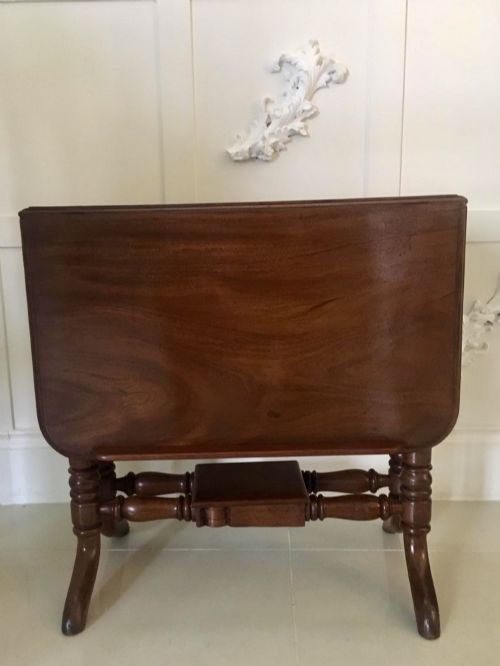
- Sutherland table
- A narrow drop-leaf table with particularly small leaves supported by swinging gate legs. They fold away compactly.
- Console table
- A table designed to stand against a wall, frequently featuring two drawers and decorative turned supports.
- Bobbin turning
- A form of lathe turning that produces a series of rounded spheres resembling bobbins or spools. It appears frequently on Victorian pieces.
Turned Wood Sofa: Frequently Asked Questions
What is a turned wood sofa?
A turned wood sofa refers to nineteenth-century seating featuring visible lathe-turned wooden framing, spindle backs, or bobbin-turned legs.
These pieces range from deep-seated country house sofas to elegant salon settees produced across the Victorian and Edwardian eras.
How do I identify the period?
Dating relies on timber choices, turning styles, and structural forms associated with Georgian, Regency, Victorian, or Edwardian aesthetics.
Heavier mahogany and walnut with elaborate spindle work typically point toward Victorian production, while lighter satin birch or bamboo-turned elements suggest Edwardian work.
Where should I place a sofa table?
Sofa tables function well behind settees, against hallways walls, or as freestanding occasional tables in living spaces.
Their drop-leaf mechanisms allow them to expand when surface area is needed and fold down to save space.
Are these pieces suitable for daily use?
Solid timber construction and traditional joinery make these items sturdy enough for everyday domestic environments.
Care should be taken with antique upholstery springs and polished wood surfaces exposed to direct sunlight or moisture.