
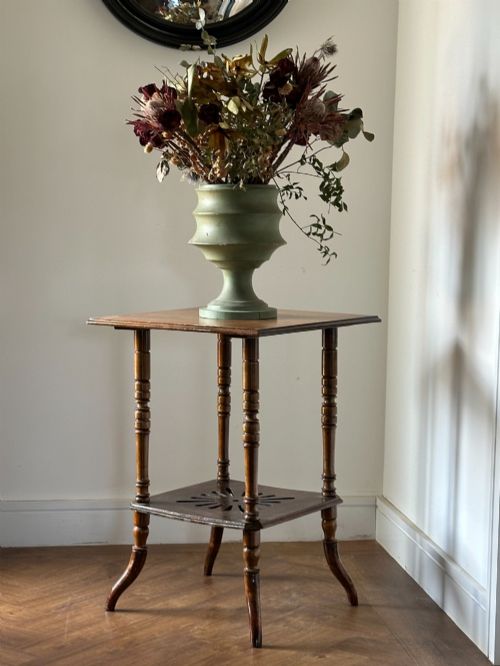
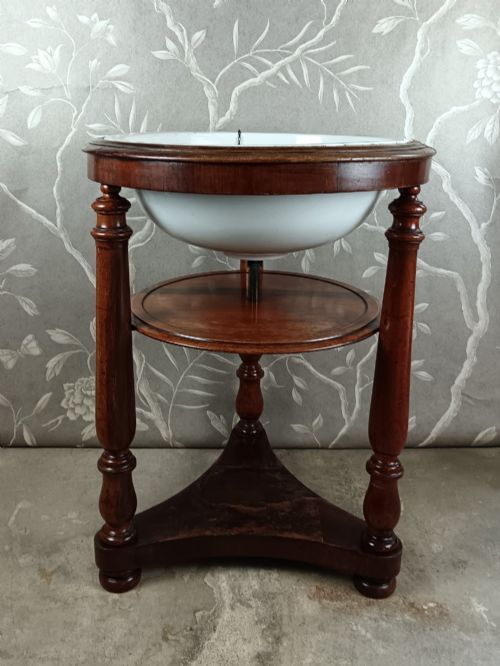
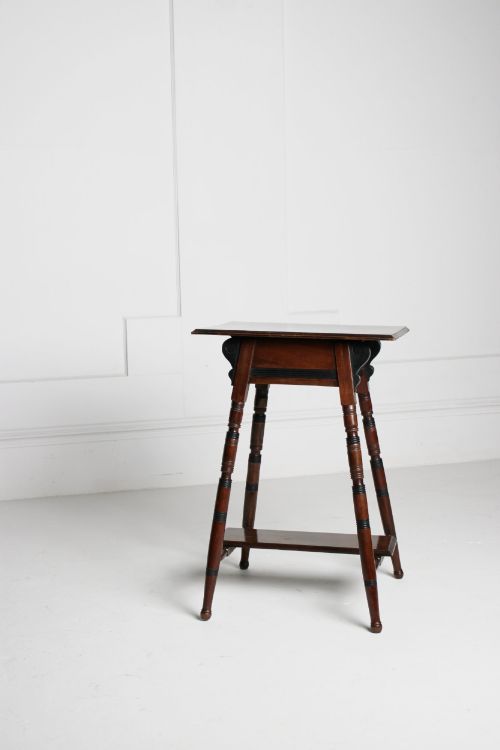
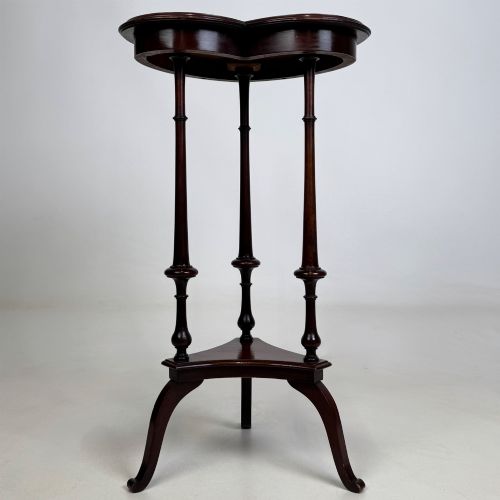
Turned Wood Plant Stand
These turned wood plant stand pieces elevate botanical displays using centuries of timber-turning traditions.
Turned Wood Plant Stand
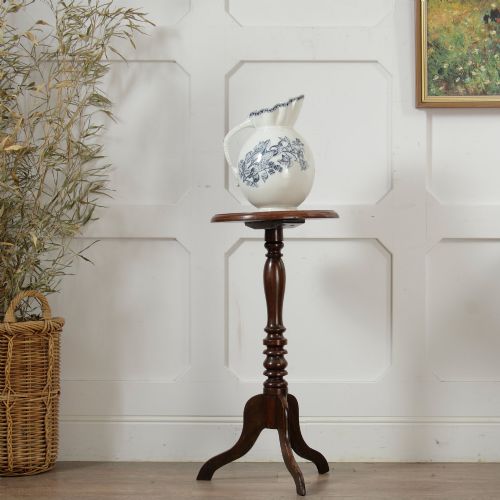
A turned wood plant stand serves primarily to elevate flora and decorative objects within domestic interiors. These furnishings draw from varied periods including the Victorian, Edwardian, and eighteenth-century eras.
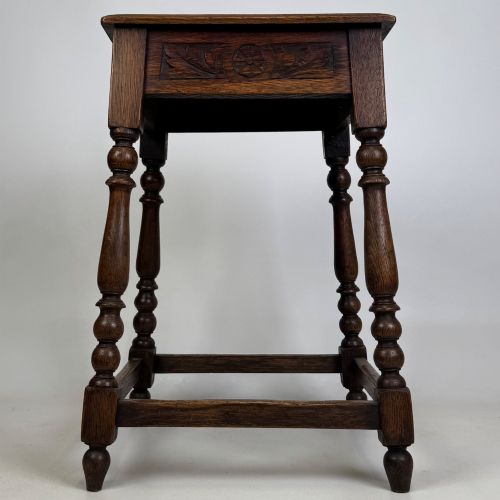
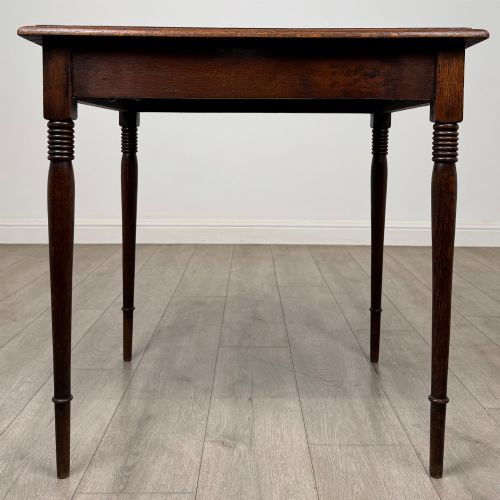
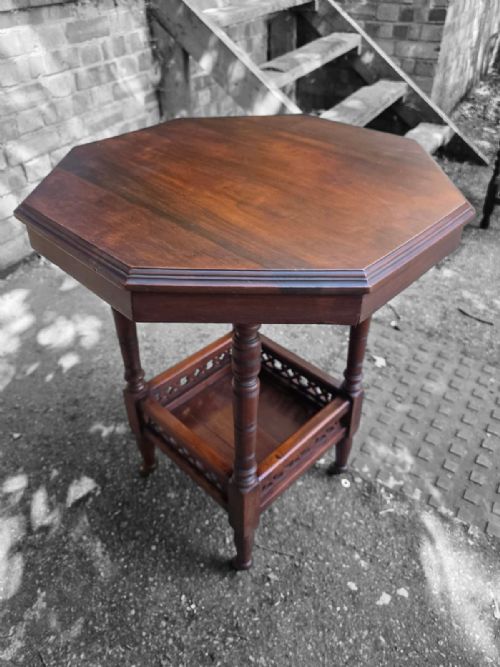
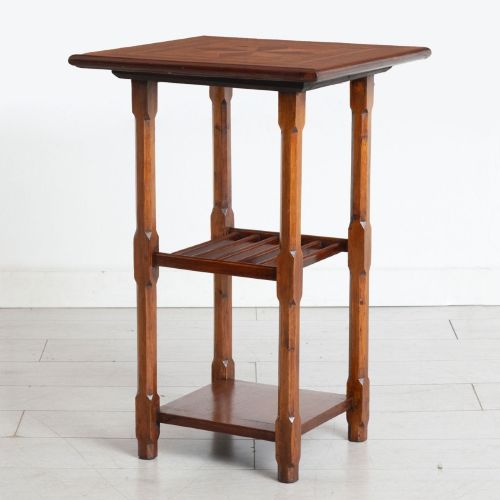
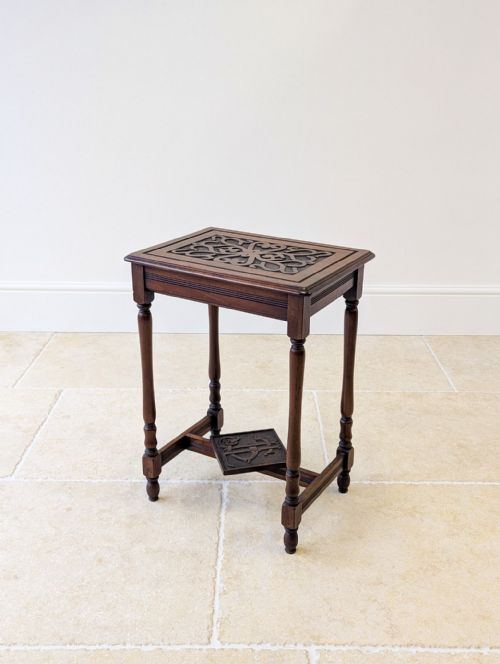
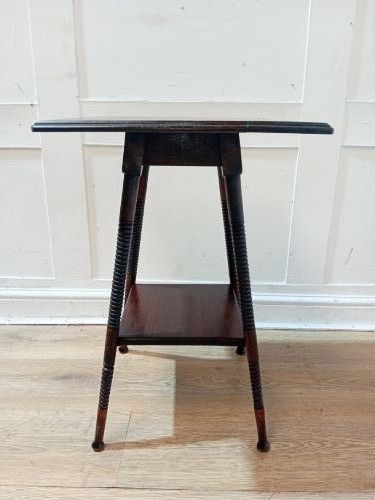
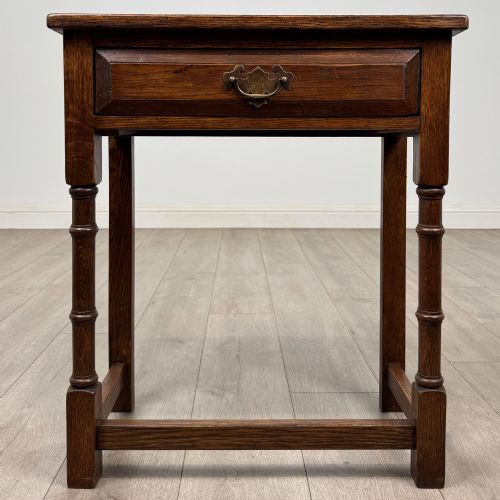
The selections encountered most frequently on this page span the late nineteenth and early twentieth centuries. Forms range from dedicated pedestals and torcheres to occasional tables and stools adapted for display purposes.
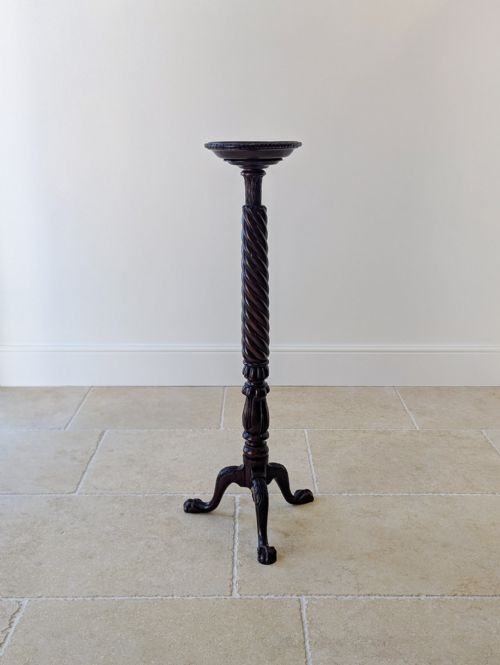
Originating across Georgian, Regency, and Arts and Crafts movements, these stands utilise robust construction suited to supporting heavy pots. Their profiles integrate slender turned columns with stable tripod or multi-legged bases.
What varies in quality
Quality rests upon the selection of timber and the precision of the lathe work on the central shaft. Finer examples display crisp, deeply carved or turned details without sanding distortion.
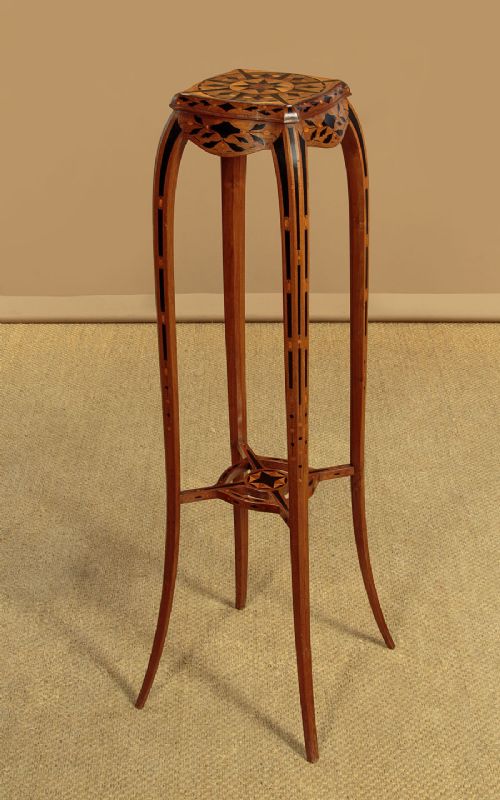
Structural integrity separates ordinary utilitarian items from superior pieces designed with balanced tripod bases and heavy gauge hardwoods. The subtlety of proportion and the grain matching in specimen wood tops dictate the upper tier of execution.
Design styles span Georgian, Regency, Victorian, Edwardian, Aesthetic Movement, and Arts and Crafts periods.
Liberty of London·William Birch·Druce and Co London
The Turned Wood Plant Stand Glossary
- Torchere
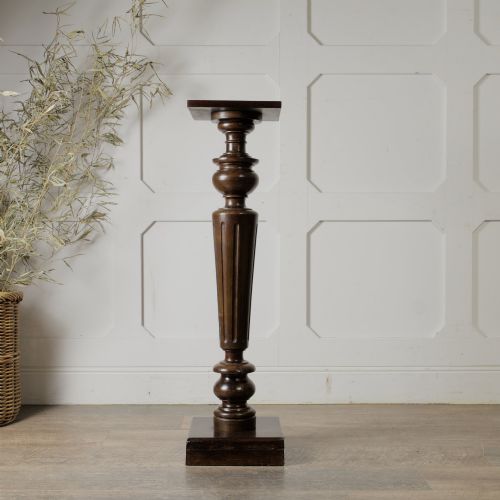
- A tall, slender stand designed specifically to elevate a lamp, candle, or plant. These pieces typically feature a small top supported by a single turned column.
- Tripod base
- A three-legged support structure commonly utilised on small tables and stands to ensure stability on uneven floors. This configuration prevents rocking by distributing weight evenly across three points.
- Barley twist
- A spiral turning technique resembling a twisted rope, carved into furniture legs and columns. This decorative style gained particular popularity during the Victorian and Jacobean Revival periods.
- Specimen wood
- Furniture surfaces assembled from various contrasting timber species to create decorative patterns or geometric designs. These woods often include exotic varieties chosen for their colour and grain.
- Occasional table
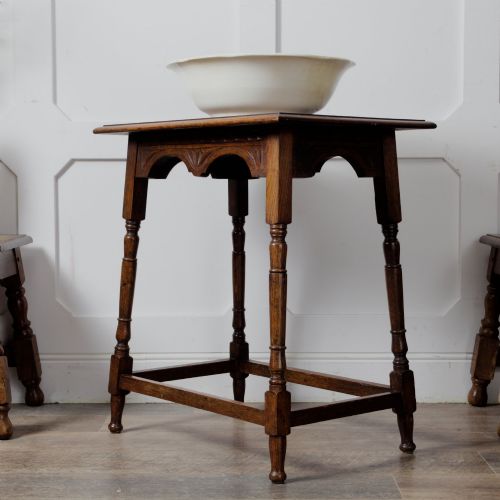
- A small, versatile table intended for flexible placement around a room rather than a fixed central position. These pieces frequently function as plant supports or lamp tables.
Turned Wood Plant Stand: Frequently Asked Questions
What is a plant stand used for?
These furnishings elevate potted plants to improve light exposure and protect interior flooring from moisture. They also serve to display decorative objects and lamps at convenient heights.
Historically, homeowners placed them in bay windows and corners to create focal points using greenery. Their compact footprints suit domestic spaces requiring vertical display options.
How do I identify a Victorian plant stand?
Victorian examples frequently utilise dark hardwoods like mahogany or walnut combined with heavy turned columns. Details often include tripod bases and carved motifs reflecting revival styles.
Later pieces from this era may incorporate ebonised wood or Aesthetic Movement influences. Proportions tend to be robust to support substantial ceramic planters.
Are these stands stable enough for heavy pots?
Solid hardwood construction and wide tripod or multi-legged bases provide the necessary stability for heavy displays. The weight distribution across splayed legs prevents tipping.
Testing the rigidity of the central column connection ensures the stand safely bears vertical weight. Heavier base designs offer superior balance for larger botanical specimens.
Where should I place a turned wood stand?
Position these pieces in corners, beside seating, or near natural light sources to showcase plants effectively. Their slender profiles fit narrow gaps between furniture.
Protecting the wooden surface from water leakage using saucers prevents timber damage during plant watering. Ambient room humidity also preserves the condition of older polished woods.