
Turned Wood Armchair
Turned wood armchairs bring robust English country craft and tactile spindle framing into domestic rooms.
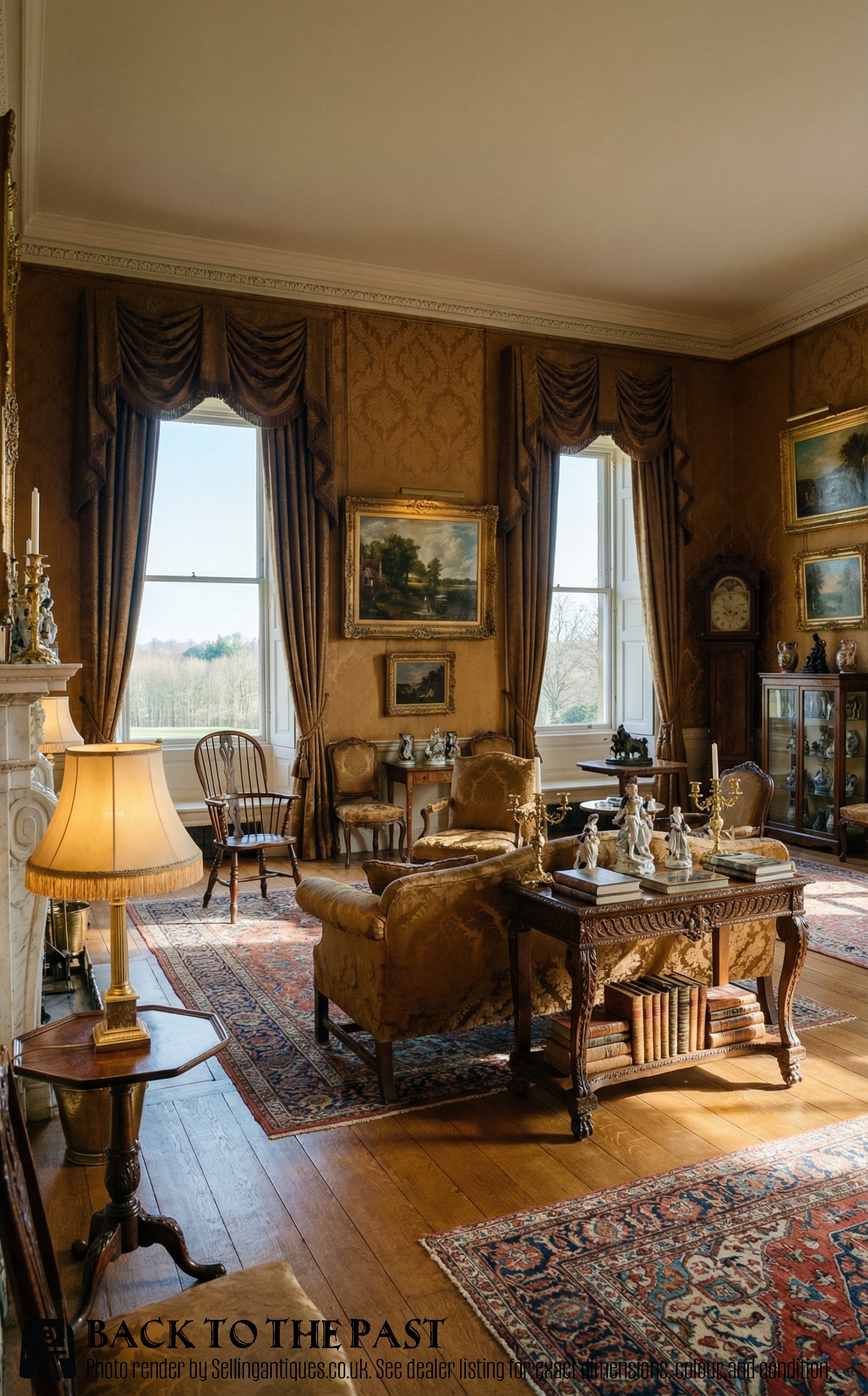
Turned Wood Armchair
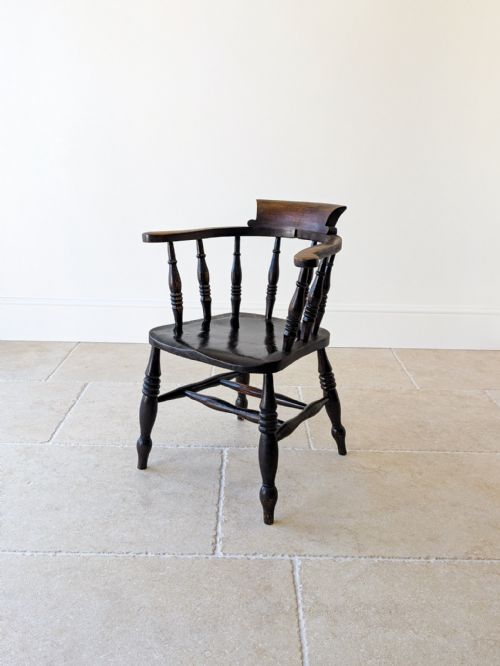
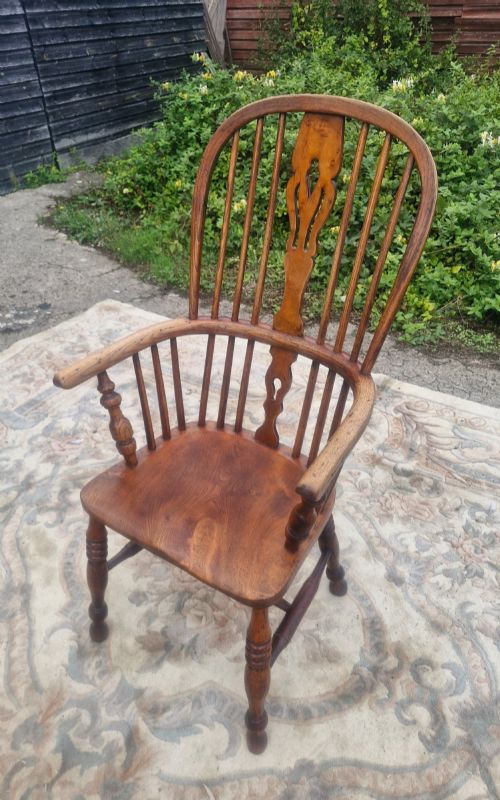
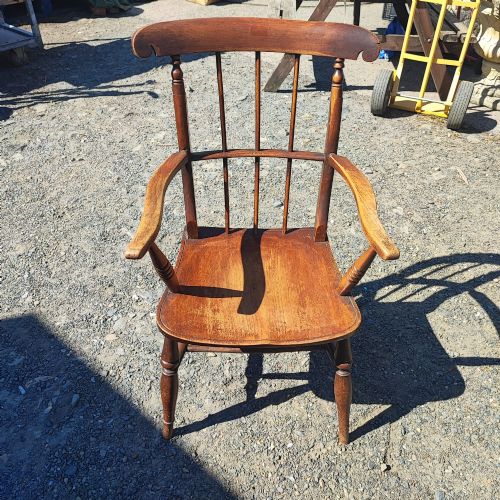
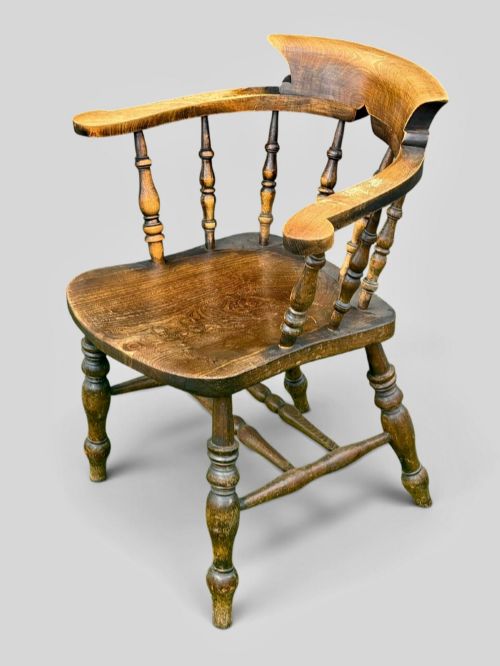
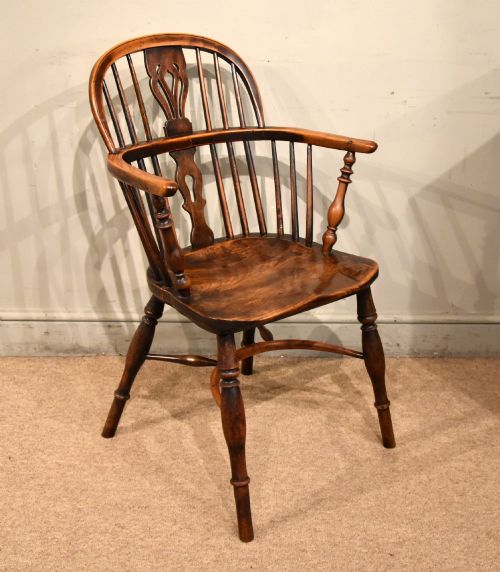
A turned wood armchair combines structural spindle work with a supportive seat, frequently encountered in forms such as the Windsor, the smokers bow or the captain's chair. These seating options emerge from nineteenth century vernacular traditions, including Victorian country workshops and Thames Valley iterations.
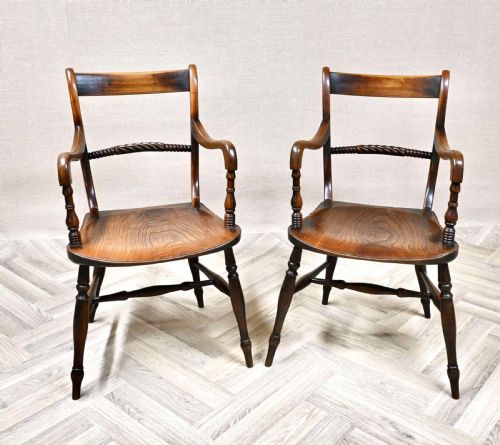
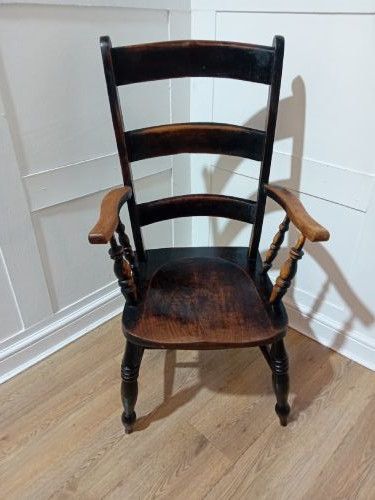
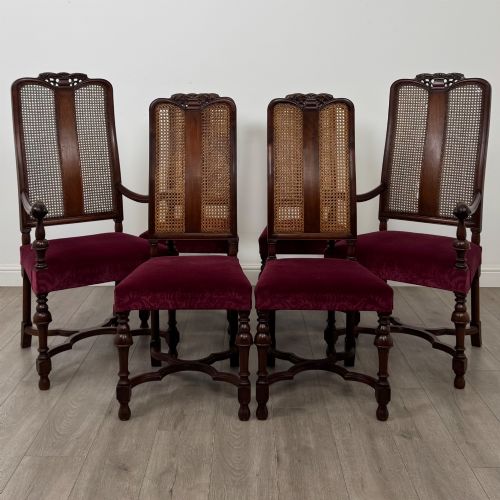
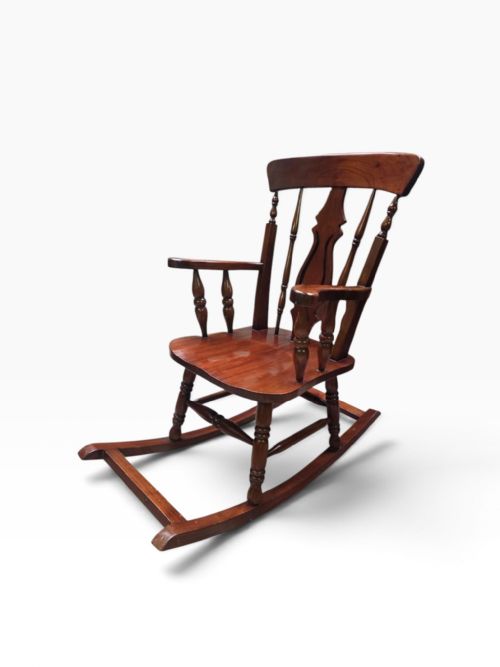
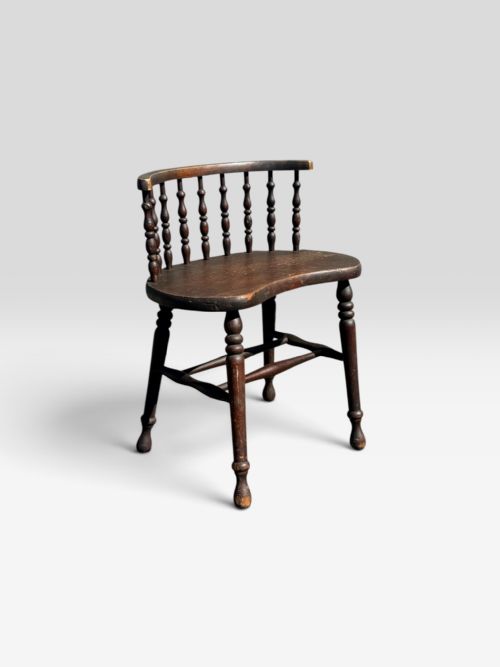
Buyers seeking a turned wood armchair will frequently find examples fashioned from native hardwoods with saddle seats and curved backrails. The selection spans low kitchen armchairs, high back reading seats and rocking chairs supported by ash, elm or beech frames.
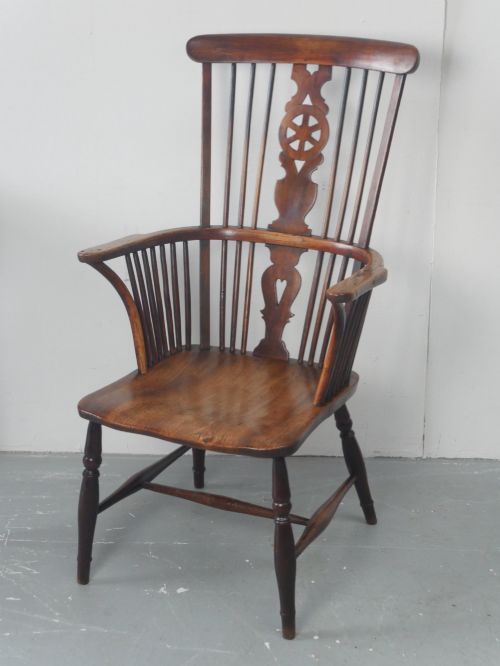
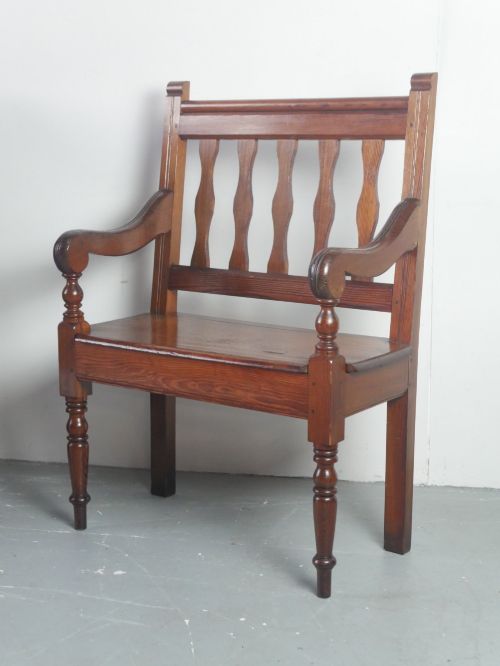
Regional variations appear across the inventory, ranging from West Country wheel backs to Lancashire rocking chairs and Scottish country house armchairs. Each piece relies on turned components to articulate uprights, stretchers and arm supports.
How they were made
Craftsmen shaped structural elements on a pole lathe, turning green timber into precise bobbins, spindles and uprights before seasoning. Hardwoods like ash and beech formed the resilient framework, while elm provided stable, carved plank seats.
Joinery methods depended on traditional wedged mortise and tenon joints, connecting turned legs and back spindles directly through the solid seat. Steam bending shaped the continuous hoop backs and arm bows characteristic of Windsor seating.
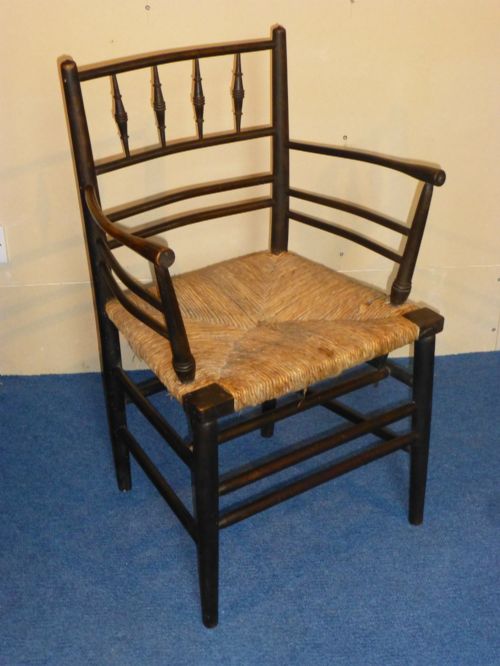
Surface treatments preserved the natural grain using wax, polish or original finish, occasionally utilising ebonising or simulated rosewood painting to mimic exotic timbers on beech and fruitwood structures.
Turned Wood Armchair Retail Price Guide 2026
Typical asking prices for turned wood armchair among the pieces listed under this phrase on Sellingantiques today, from the lower quarter to the upper quarter. They describe what is for sale here now, not the wider market.
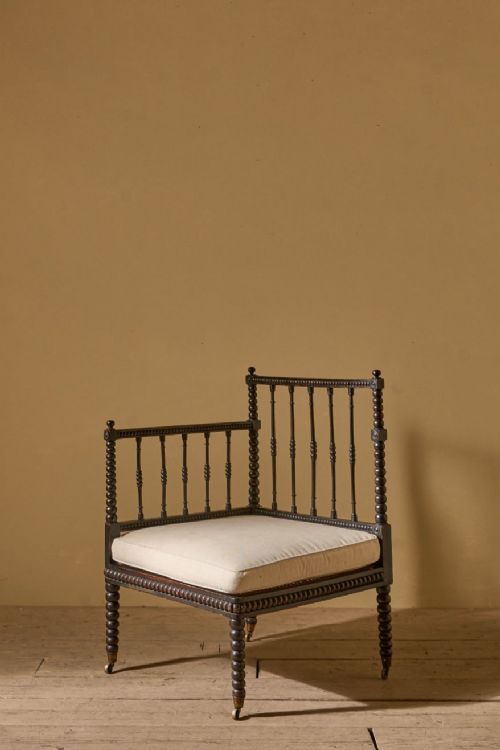
Bobbin turned frames invite an irresistible urge to run your fingers along the rows of wooden spools.
What varies in quality
The distinction between standard utility seating and superior examples rests upon the selection of timber and the crispness of the turning. Yew wood grain and deeply figured elm command greater appreciation than plain beech or stained alternatives.
Structural integrity and the survival of original surface finishes dictate the standing of a chair. Pieces retaining undisturbed patination and unreplaced turned spindles represent the pinnacle of vernacular craftsmanship.
Morris & Co·C. Hindley & Sons·J Spencer
The Turned Wood Armchair Glossary
- Windsor chair
- A chair built with a solid wooden seat into which the legs and back spindles are separately inserted. The construction relies on sturdy spindles rather than heavy upholstered frames.
- Bobbin turning
- A form of woodturning characterised by a series of rounded, spool-like shapes carved along the length of a spindle or leg. This decorative technique appears frequently on nineteenth-century frames.
- Smokers bow
- A low-backed Windsor armchair featuring a rounded continuous armrail supported by short turned spindles. These comfortable seats were common in nineteenth-century parlours and public houses.
- Spindle back
- A chair back constructed from a series of slender turned vertical wooden rods. This design provides lightweight strength and linear visual rhythm.
- Seat saddle
- A wooden chair seat hollowed out into a shallow concave contour for ergonomic comfort. Elm planks were frequently worked this way to soften the rigid timber.
Turned Wood Armchair: Frequently Asked Questions
How do I identify a Windsor armchair?
Look for a thick solid wooden seat that directly anchors the legs underneath and the back spindles above. The back often incorporates a bentwood hoop or a central splat framed by turned uprights.
Traditional examples rely on visible wedge joints where the legs pierce right through the seat plank. Native timbers like elm, ash and yew dominate authentic vernacular pieces.
Which woods were used for country armchairs?
Cabinetmakers and rural bodgers utilised accessible local hardwoods that offered strength and flexibility for turning and bending. Elm provided durable, crack-resistant timber for carved saddle seats.
Ash and beech supplied resilient framing for spindles and legs, while yew was reserved for finer chairs due to its rich figuring and warm colour.
Where were these armchairs originally used?
These functional armchairs served across nineteenth-century domestic interiors, farmhouses, country houses and commercial spaces like inns or offices. Low kitchen chairs and smokers bows provided robust daily seating by the hearth.
Heavier captain chairs and desk chairs accommodated working environments, while rocking variants offered relaxed seating in parlours and bedrooms.