


Turned Walnut Stand
A turned walnut stand brings rich warmth and visible grain to a room, offering a sturdy yet graceful resting place for lamps, plants, and small objects.
Turned Walnut Stand
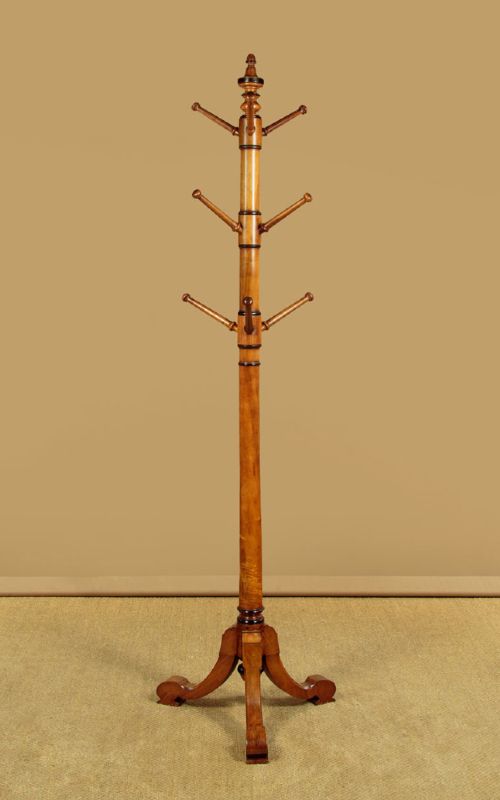
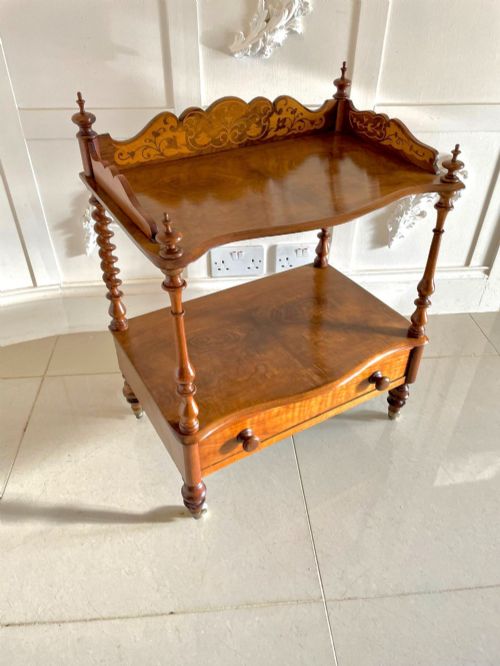
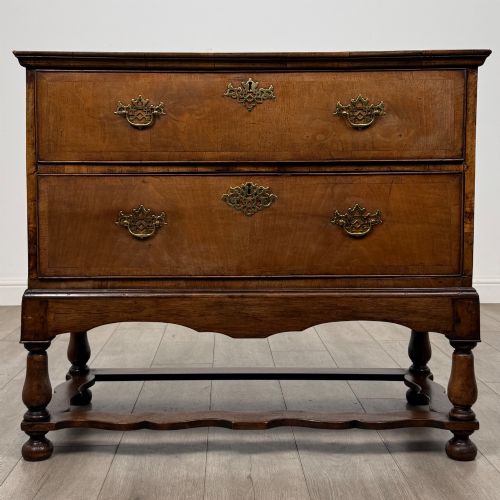
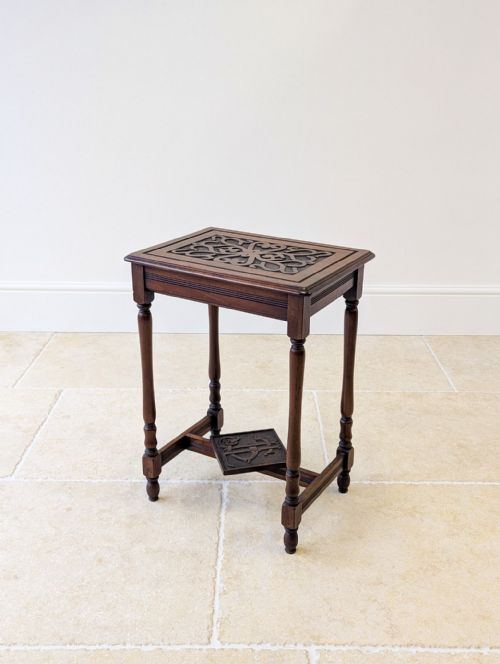
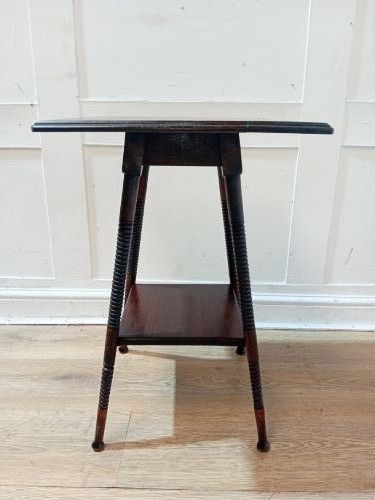
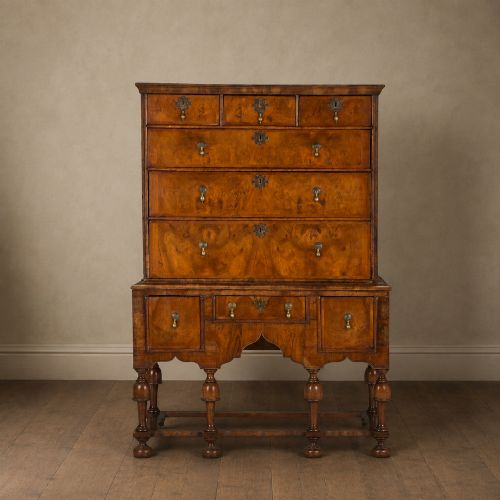
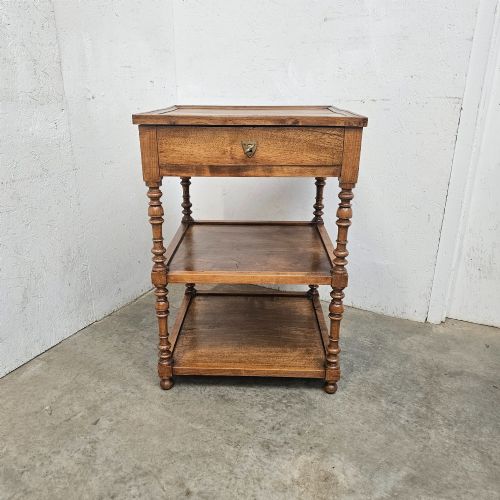
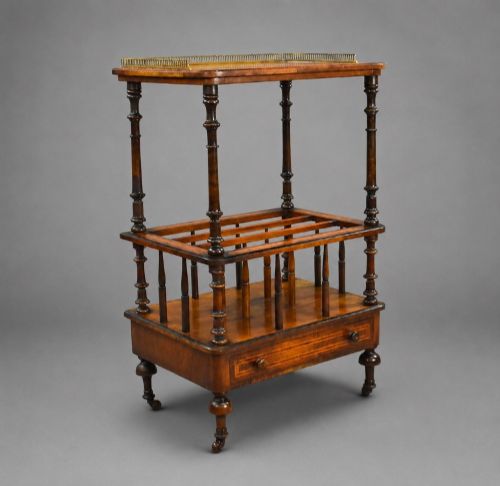
A turned walnut stand is a functional piece of furniture defined by its turned wooden supports and use of walnut timber, appearing across periods from the seventeenth century through to the Edwardian era. Buyers search for these pieces to add classical proportion and warm timber tones to interiors, using them as torchères, plant stands, lamp tables, or small occasional tables. On this page, the selection spans compact nineteenth-century occasional pieces, Victorian canterburys, and architectural chests on stands originating from earlier centuries.
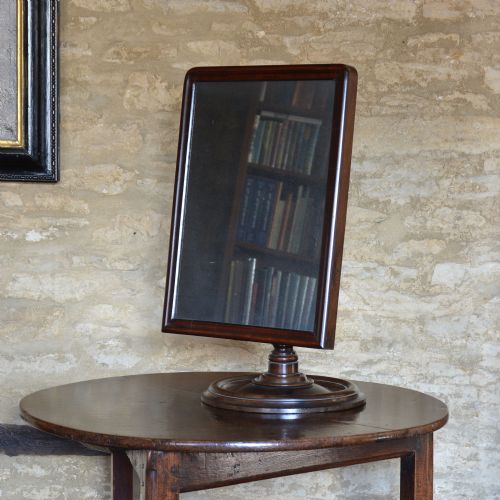
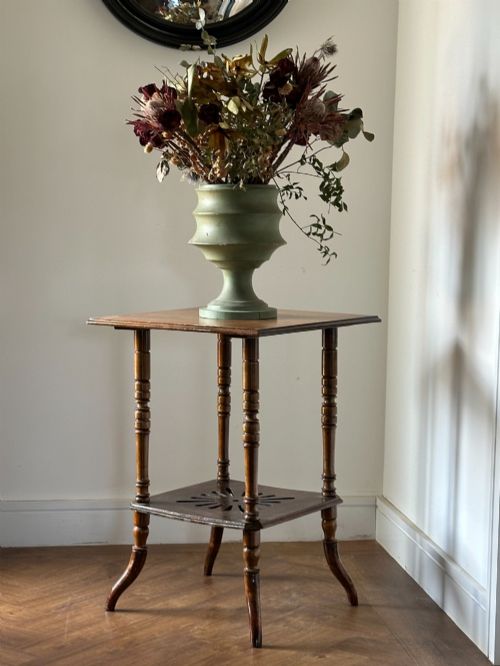
The forms vary widely in purpose, encompassing standard lamps, plant holders, shaving mirrors, and display tables alongside traditional chests raised upon stands. Many pieces exhibit regional influences, ranging from seventeenth-century English and Dutch designs to French provincial étagères and Aesthetic Movement tables. Buyers will encounter both utilitarian objects like wool winder stands and decorative display pieces intended to hold cherished ornaments.
How they were made
Makers utilised solid walnut alongside burr walnut, walnut veneer, and oyster veneer, often combining secondary timbers such as oak, mahogany, or boxwood within the construction. The turned components - ranging from spiral twists to baluster and fluted columns - were shaped on a lathe before being joined to tabletops, tripod bases, or supporting frames using traditional joinery methods.
Surface ornamentation on these stands frequently involved marquetry, inlay, and detailed carving, highlighting the natural figure of the wood. Finishing processes relied on polishes and oils that deepened the colour of the walnut and accentuated the contrasting grain patterns found in burr and oyster veneer sections.
Turned Walnut Stand Retail Price Guide 2026
Typical asking prices for turned walnut stand among the pieces listed under this phrase on Sellingantiques today, from the lower quarter to the upper quarter. They describe what is for sale here now, not the wider market.
Among the stands wait ingenious folding shoe pull boot jacks and adjustable yarn swifts, proving that Victorian utility could still involve elaborate wood-turning.
What varies in quality
The standard of a turned walnut stand depends upon the selection of the timber and the crispness of the turning on the legs or columns. Pieces displaying highly figured burr walnut or intricate oyster veneer demonstrate greater ambition in material choice than those made from plain, unfigured walnut boards.
Construction fidelity dictates longevity, separating sturdy examples with tight joinery from those showing looseness in the turned supports or warping in the tops. The precision of the decorative elements, such as inlaid borders or carved mouldings, also distinguishes workshop production from simpler utilitarian items.
William Birch·Shoolbred·Edwards and Roberts
The Turned Walnut Stand Glossary
- Torchere
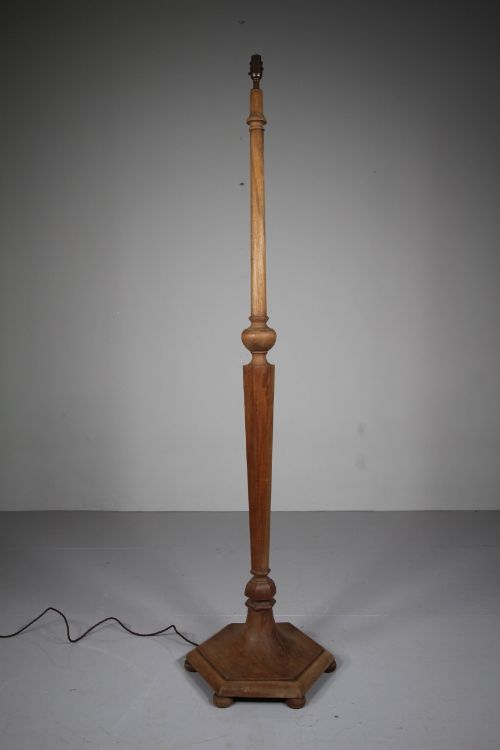
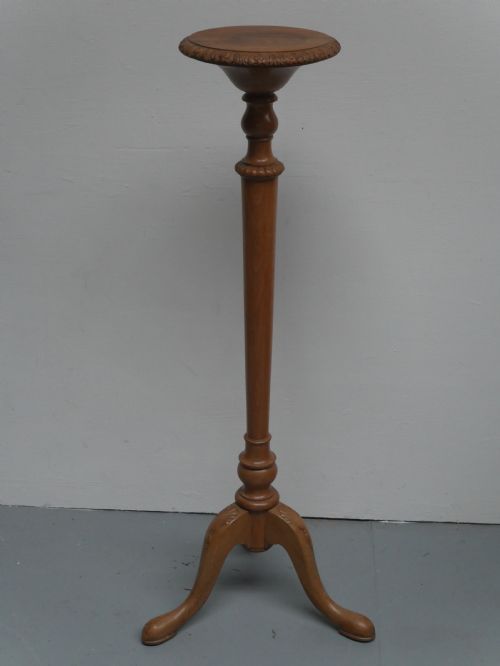
- A tall, slender stand designed specifically to support a candle or a lamp. These pieces often feature prominent turned columns and elevated bases.
- Oyster Veneer
- Thin circular slices cut across small branches or roots of walnut, laid side by side to create an oyster-shell pattern on the surface. This technique appears frequently on seventeenth- and eighteenth-century stands and cabinets.
- Canterbury
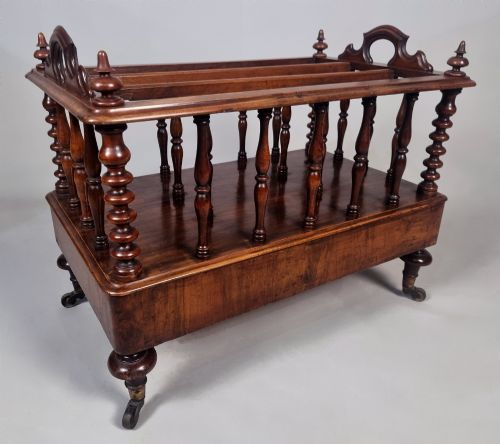
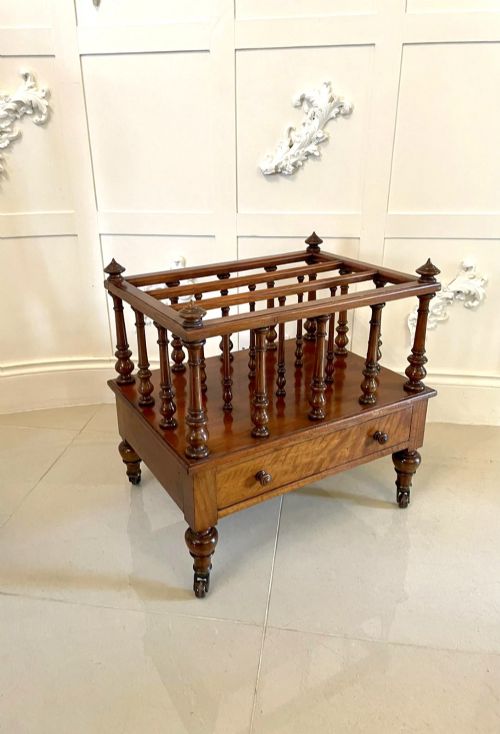
- A low stand featuring partitions, originally used for holding sheet music, books, or newspapers. Many examples incorporate turned walnut legs and upright dividers.
- Étagère
- A set of open shelves for displaying small objects, supported by turned pillars. These pieces offer tiered display space while maintaining a light visual footprint.
- Marquetry
- The art of applying pieces of veneer to a structure to form decorative patterns or pictures. Seaweed marquetry involves intricate, scrolling foliage designs seen on cabinetwork.
Turned Walnut Stand: Frequently Asked Questions
What is a turned walnut stand used for?
These stands serve multiple practical purposes around the home, functioning as stable bases for table lamps, indoor plants, pocket watches, or decorative ornaments. Their compact footprints make them suitable for placing beside seating or filling corners.
Historically, specific variations held music scores, books, or shaving mirrors, adapting utility to the domestic habits of the period in which they were constructed.
How do I identify a seventeenth-century stand?
Seventeenth-century pieces typically display heavy, robust turning on structural columns, alongside construction methods utilising solid walnut or distinctive oyster veneers. The joinery relies on pegged tenons and hand-sawn secondary timbers.
These early examples often take the form of chests on stands or low tables, reflecting the joinery techniques and proportions of the Stuart and William and Mary periods.
Where should I place a walnut stand in a room?
A turned walnut stand fits well beside an armchair or sofa to hold a reading lamp or small beverage. Tall torchères and plant stands find a natural home in unused corners or flanking doorways where vertical height adds balance.
The warm tones of the wood complement both traditional interiors and modern spaces, acting as accent pieces that break up flat expanses of wall.
What is the difference between a torchere and a plant stand?
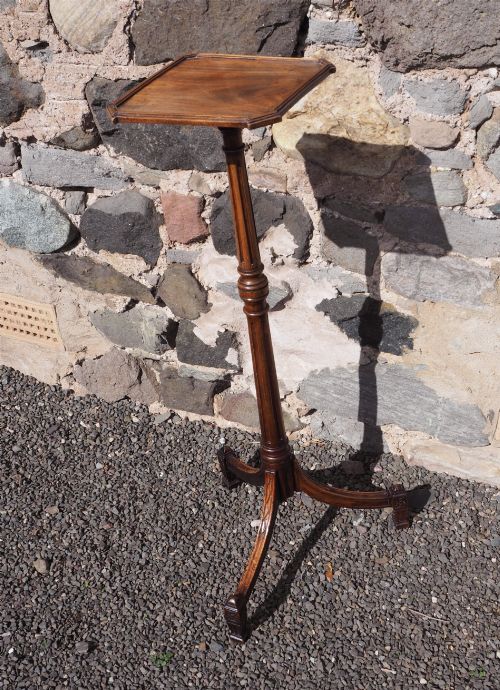
A torchère originates as a tall, decorative stand intended for elevated lighting, featuring slender proportions and elaborate turning. Plant stands share a similar vertical format but are built with water-resistant surfaces or simpler tops to accommodate pots.
While their silhouettes overlap, torchères lean towards decorative display, whereas plant stands prioritize a stable platform for heavy earthenware or ceramic vessels.