




Turned Stem Lamp Stand
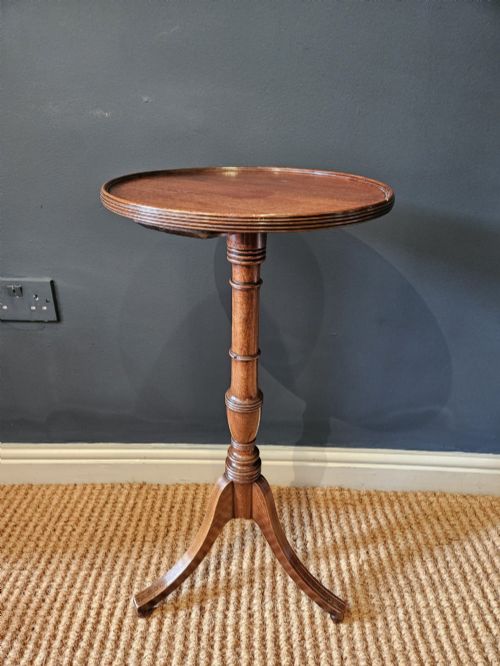
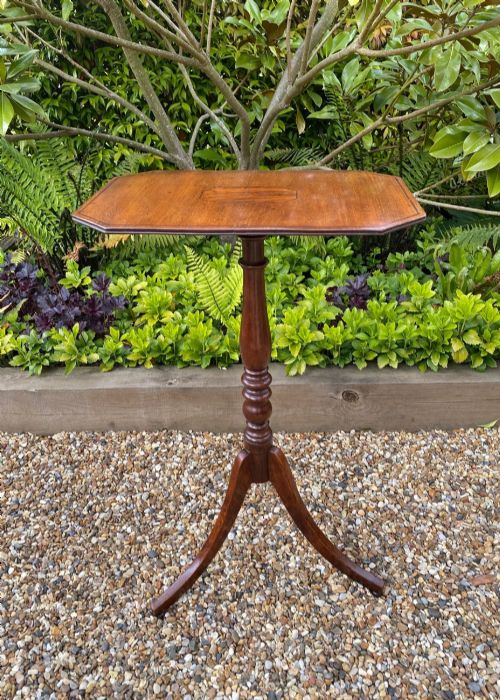
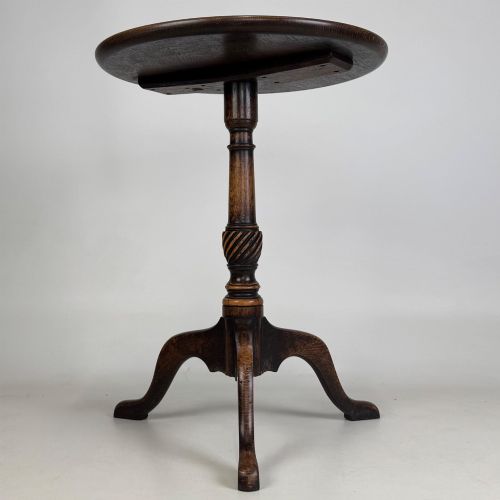
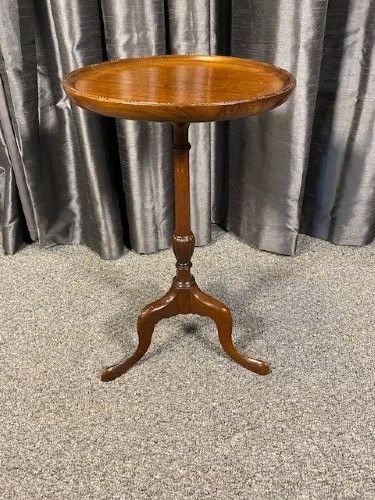
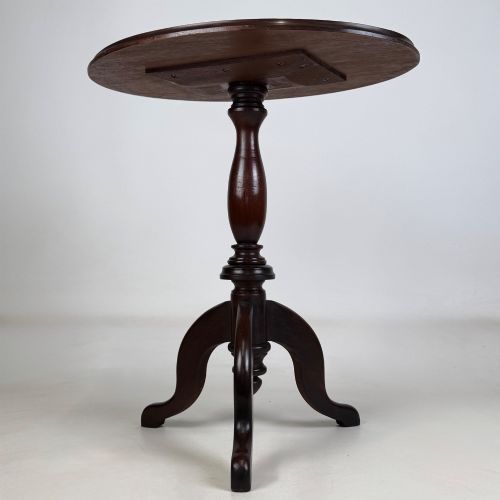
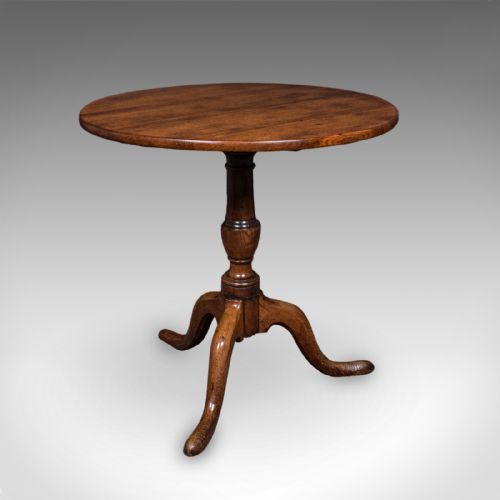
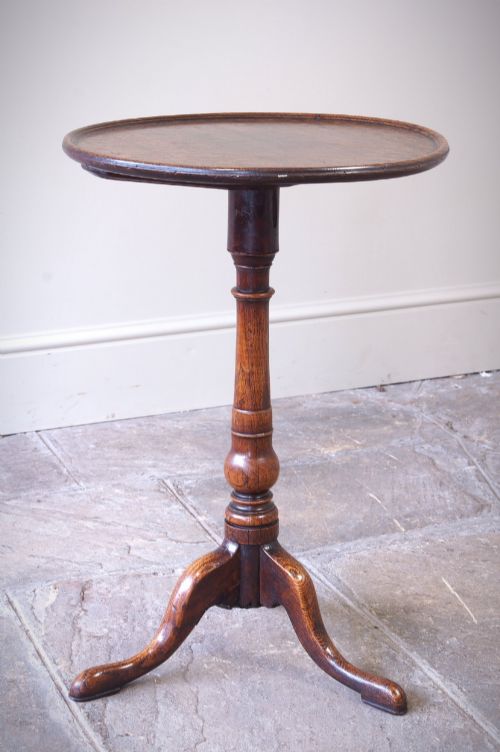
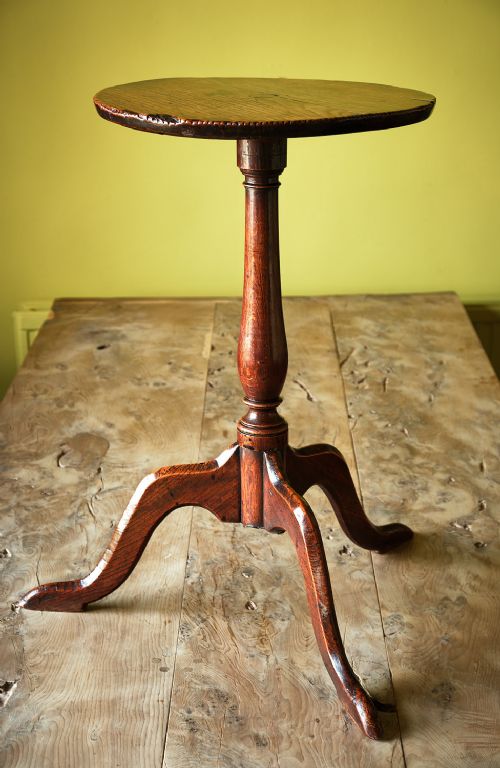
These turned stem lamp stand examples offer sturdy timber shafts and tripod bases designed to hold lighting safely in period rooms.
Turned Stem Lamp Stand
A turned stem lamp stand is typically represented here by versatile occasional furniture adapted from wine tables, candle stands, and tripod tables. These pieces originate across the Georgian, Regency, and Victorian periods, showcasing upright wooden supports rising from three splayed feet.
Most examples you encounter feature compact circular tops in timber such as mahogany, oak, or yew wood. They serve equally well as side tables and functional lamp stands in traditional interiors.
Assessing quality and craftsmanship
Quality rests primarily in the choice of timber grain, the crispness of the lathe turning on the stem, and the structural integrity of the tripod base. Superior examples display carefully selected mahogany or figured yew wood with rich natural colour.
Proportion and stability distinguish better pieces from simpler utility items. A well-balanced stem and smoothly operating tilt mechanism indicate thoughtful workshop production.
Some tables were built so neatly that a candle could burn safely while the house slept.
The Turned Stem Lamp Stand Glossary
- Tripod table
- A small circular table supported by a central turned pillar resting on three feet. This construction prevents wobbling on uneven floors.
- Tilt-top
- A hinged table top that rotates into a vertical position for storage. It is held flat in use by a brass catch or wooden peg.
- Wine table
- A small occasional table originally designed for holding drinks during the eighteenth and nineteenth centuries. They share the same form as many lamp stands.
- Yew wood
- A durable hardwood with distinctive figuring and warm tone. Cabinet makers utilised it for decorative occasional tables.
Turned Stem Lamp Stand: Frequently Asked Questions
What is a turned stem lamp stand?
A turned stem lamp stand is typically a repurposed small timber table with a central vertical shaft and tripod base. These pieces provide a stable elevated surface suited for lighting.
They originate from various eighteenth and nineteenth-century periods, blending practical utility with traditional cabinet making.
How were these tables originally used?
Many examples began life as wine tables, candle stands, or occasional tables before being utilised to hold lamps. Their compact footprints made them easy to move beside seating.
Tilt-top variants allowed servants to store them flat against walls when rooms were cleared for other activities.
How do I identify Georgian examples?
Georgian pieces generally display restrained classical proportions, elegant baluster-turned stems, and substantial mahogany or oak timbers. Cabinet makers of this era favoured clean lines and durable pegged joinery.
Checking the underside for traditional hand-cut components helps confirm the period.
How do I care for timber lamp stands?
Keep wooden stands away from direct heat sources and strong sunlight to prevent the timber from drying out or splitting. Occasional application of suitable wax maintains the finish.
Ensure lamps placed on top do not leak oil or moisture onto the polished surface.