

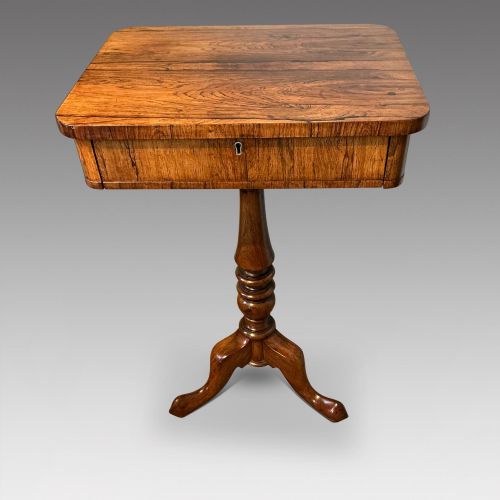
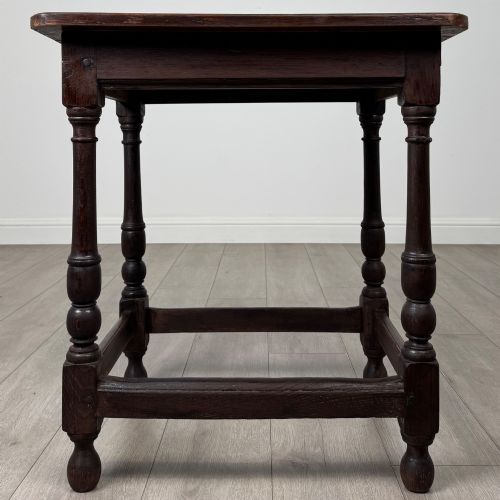

Turned Pedestal Lamp Table
When you search for a turned pedestal lamp table, you are looking at compact timber supports designed to hold light near a chair or a bedside.
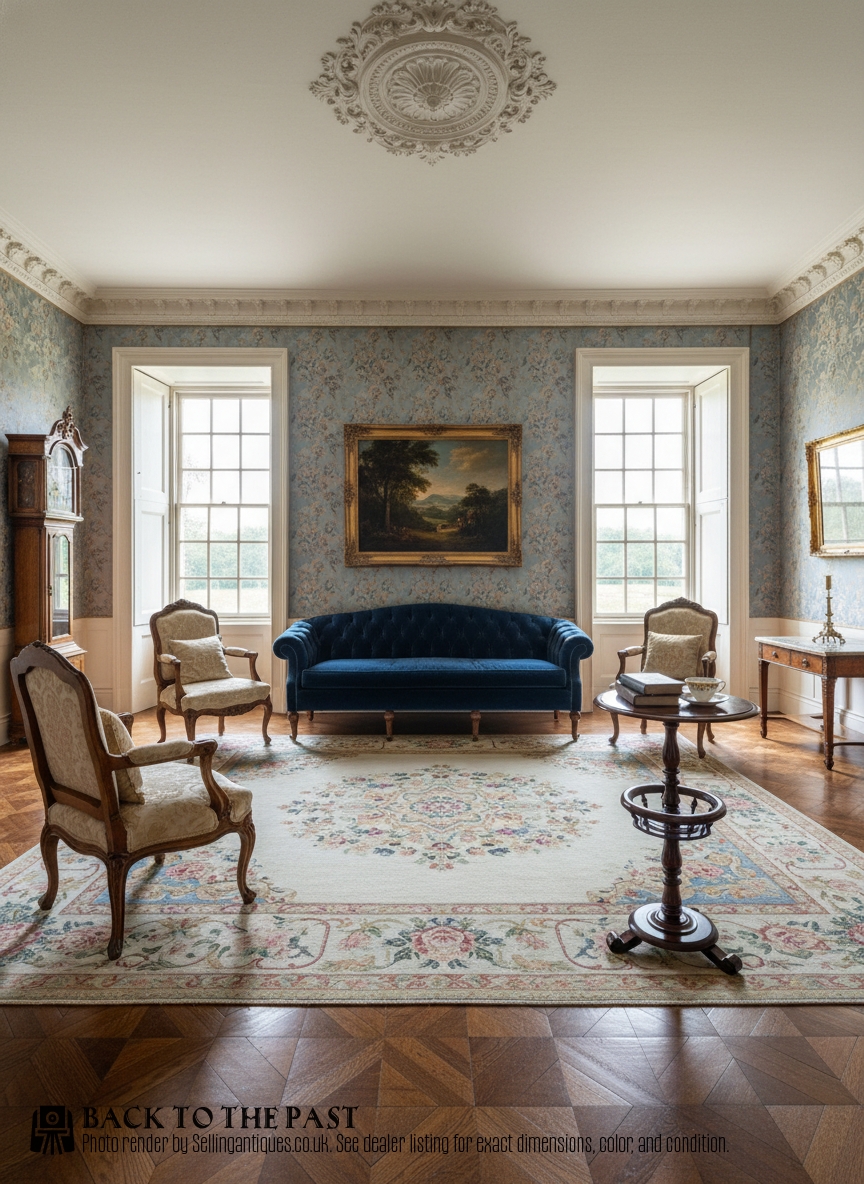
Turned Pedestal Lamp Table
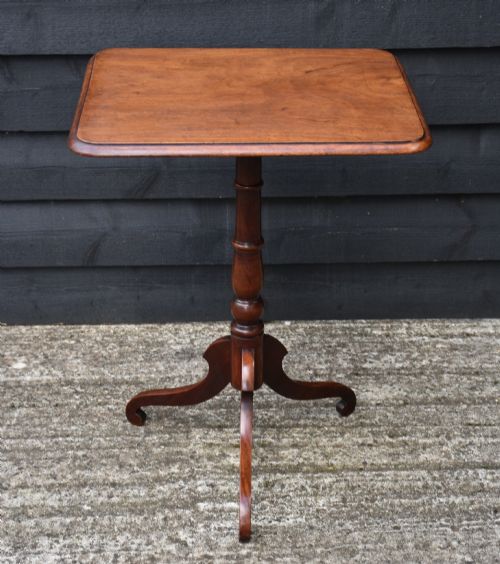
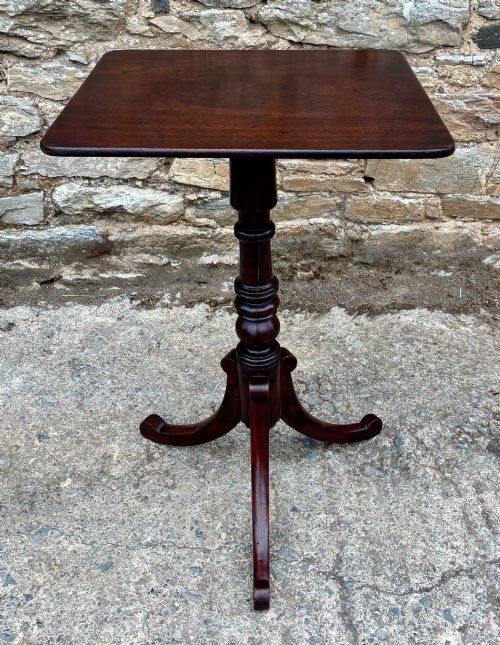
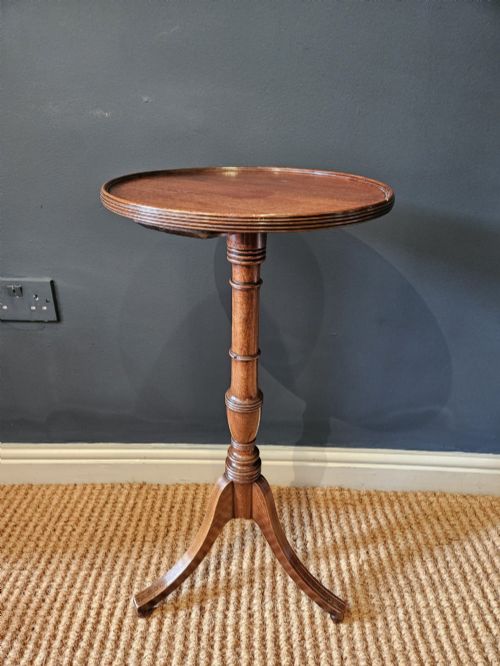
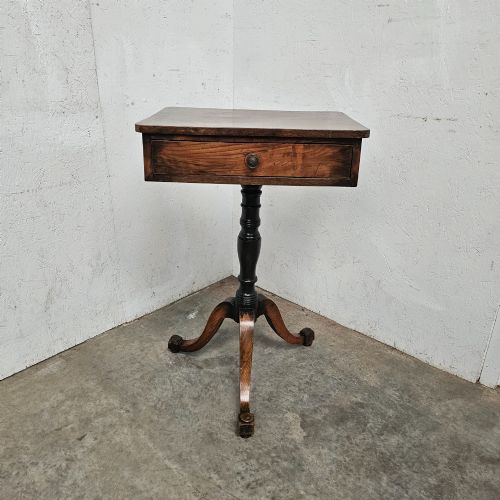
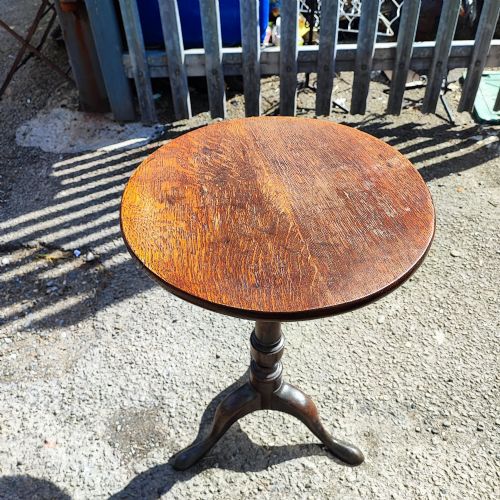
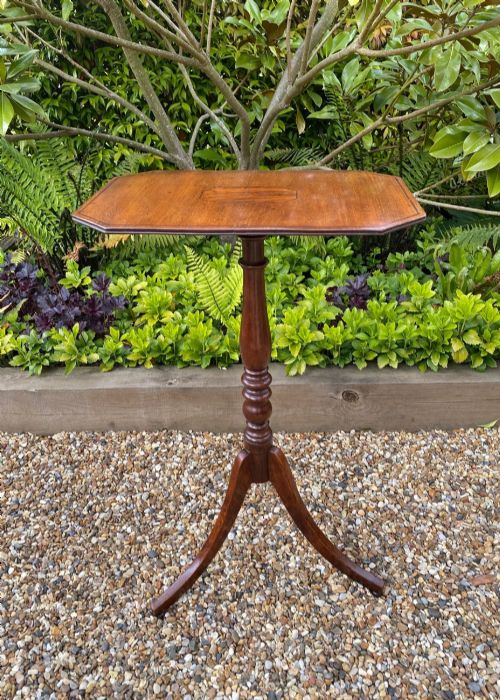
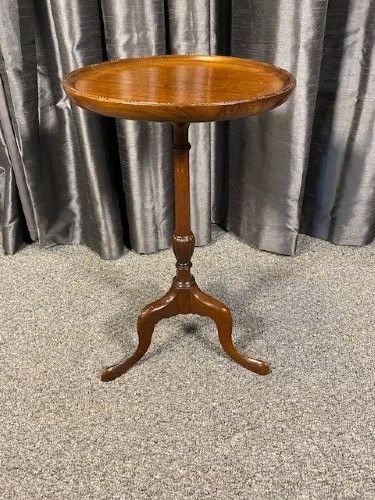
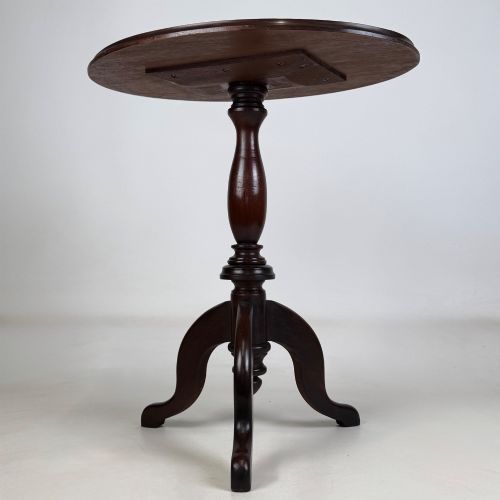
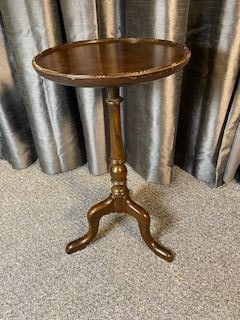
When you search for a turned pedestal lamp table, you are looking at small occasional furniture built to lift a lamp, a book or a glass beside a chair. These pieces generally stand on a central turned column supported by three legs, though four-leg variants and simpler pillars also appear. The listings show forms ranging from small wine tables and candle stands to dedicated side tables and occasional tables.
The versions you are most likely to meet on this page hail from the eighteenth and nineteenth centuries, alongside Edwardian examples and later revivals. Oak and mahogany dominate the selection, often shaped into tripod formats that save space in crowded rooms. Makers constructed these items for practical utility, meaning many display circular tops, tilt mechanisms or small drawers.
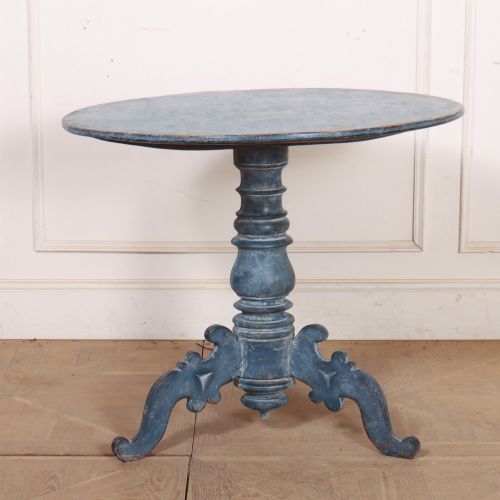
Geographic origins span English workshops, Scottish makers, Swedish painted ateliers and Italian studios. You will find vernacular pieces in plain elm and oak alongside more formal George III and Regency designs in figured timbers. This variety reflects how widely makers utilised the turned pedestal format across different eras and social classes.
How they were made
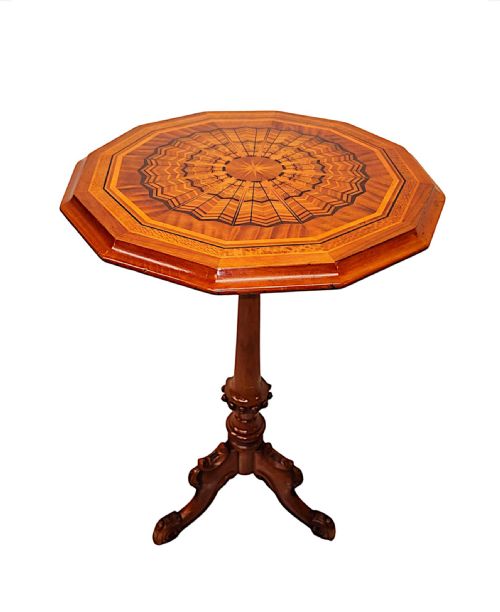
Cabinet makers built these tables using solid hardwoods like mahogany, oak, walnut and rosewood, frequently applying veneers of burr walnut or satinwood to visible surfaces. They turned the central pedestals on lathes to achieve baluster, column or bobbin profiles, connecting them securely to shaped tripod legs via dovetails, tenons or iron spider brackets. Boxwood stringing, leather inserts and inlaid motifs appear on finer examples to decorate the tops.
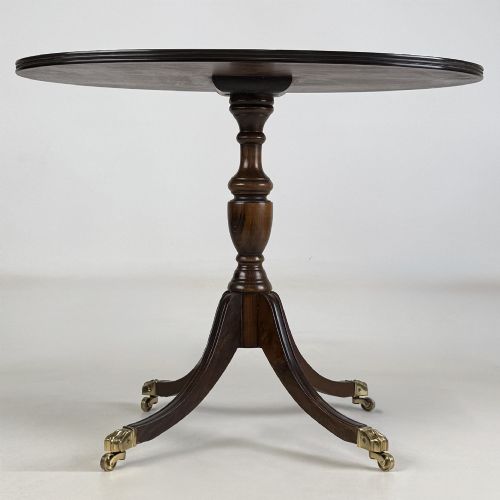
Surface treatments rely on traditional polishing, oiling or original paint finishes, particularly on Swedish and vernacular pieces. Joinery includes tilt-top mechanisms using birdcage blocks or catch springs, allowing the circular tops to fold flat against the column when not in use. Brass fittings, such as castors and drawer pulls, complete the construction on larger nineteenth-century specimens.
Listings for this phrase span the Georgian, Regency, Victorian, and Edwardian periods, utilising mahogany, oak, walnut, rosewood, and elm.
What varies in quality
Quality in a turned pedestal lamp table rests on the selection of timber and the crispness of the turning. Dense, finely figured mahogany or well-selected quarter-sawn oak with original patination sits at the top of the range, while simpler vernacular pieces in plain elm or pine form the everyday domestic tier. The weight and stability of the tripod base also dictate value, as heavier timbers prevent wobbling.
The execution of joinery separates standard production from superior craftsmanship. Fine examples show seamless dovetailing in drawers, precise inlay work in boxwood or satinwood, and robust tilt mechanisms that lock firmly without play. Lesser pieces often exhibit shrinkage cracks, replaced legs or clumsy repairs to the central column block.
Gillows·Baillie Scott·Druce & Co London
The Turned Pedestal Lamp Table Glossary
- Tripod table
- A small occasional table supported by a central turned pillar standing on three legs. This construction prevents wobbling on uneven floors and saves valuable floor space.
- Tilt top
- A tabletop mounted on a hinged block that allows the surface to pivot vertically. This clever mechanism lets the furniture store flat against a wall when not in use.
- Birdcage
- A timber framework beneath the tabletop that permits the surface to both tilt and rotate. It represents a more complex piece of engineering found on superior occasional tables.
- Stringing
- Thin inlaid lines of contrasting wood, such as boxwood, set flush into the surface of the tabletop. It outlines the perimeter to create a subtle decorative border.
- Vernacular
- Furniture made locally by regional carpenters using accessible native timbers like oak and elm rather than imported mahogany. These pieces emphasise robust utility over high-fashion styling.
Turned Pedestal Lamp Table: Frequently Asked Questions
What is a turned pedestal lamp table used for?
These pieces provide a stable surface for holding a reading lamp, a pocket watch or a drinking glass next to a sofa or armchair. Their compact footprints suit small spaces where larger furniture cannot fit.
Historically, similar tables served as wine stands, candle supports or sewing desks depending on their height and whether they featured a drawer or a tilt mechanism.
How do I tell an 18th century table from a 19th century one?
Eighteenth-century examples often display simpler, heavier oak construction with vernacular details and peg joinery. They tend to feel earthier and show deep patination from long domestic use.
Nineteenth-century pieces frequently utilise mahogany or rosewood with sharper lathe turnings, factory-made iron brackets and sometimes elaborate inlay or tilt-top birdcage mechanisms.
Can I use a wine table as a lamp table?
Yes, historic wine tables and candle stands share the same general height and footprint as lamp tables. Their small circular tops accommodate modern small-base lighting without difficulty.
Just ensure the tripod base is sturdy enough to support the weight and cord of your specific lamp safely.
How should I care for an antique wooden lamp table?
Keep the timber away from direct heat sources and strong sunlight to prevent the veneer from drying out or warping. Dust gently with a dry cloth and apply occasional high-quality beeswax to nourish the finish.
Avoid placing damp glasses directly on the polished wood surface to prevent water rings.