

Turned Mahogany Pedestals
Turned mahogany pedestals are classical column supports and display stands designed to elevate decorative objects, drawing on centuries of cabinet-making skill.
Turned Mahogany Pedestals
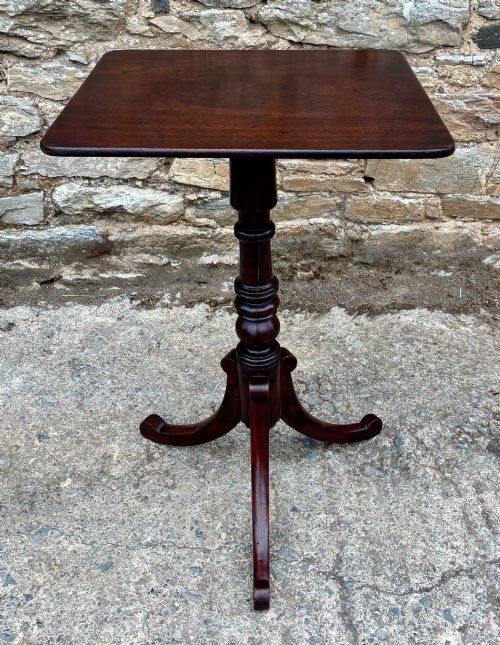
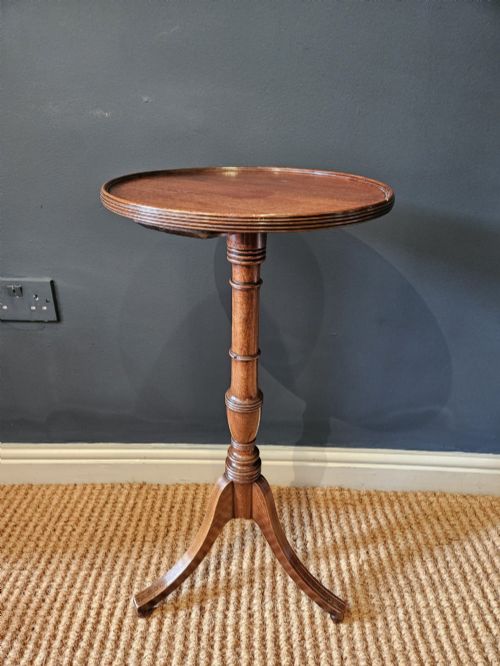
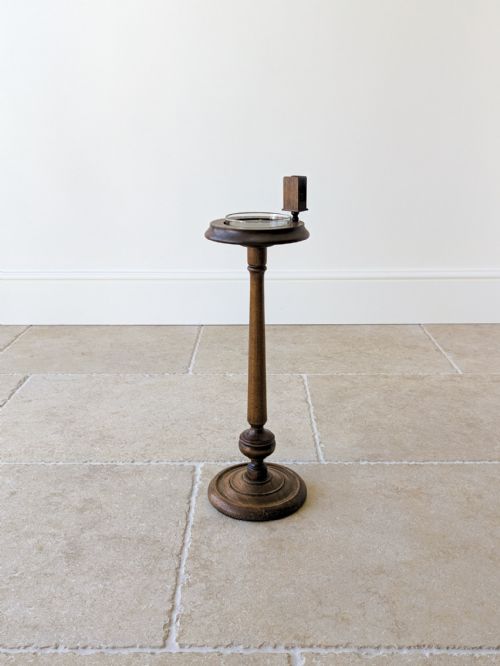
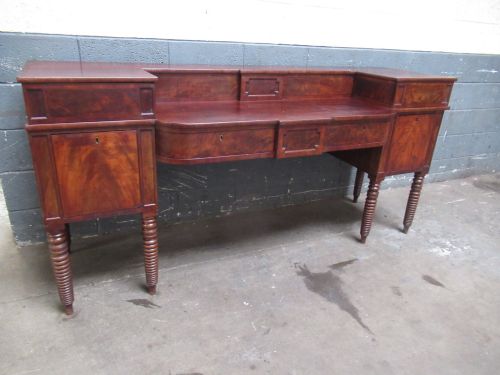
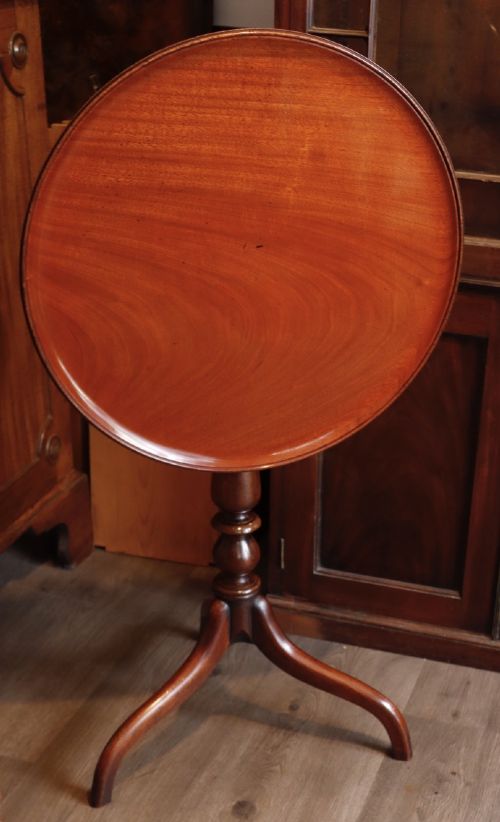
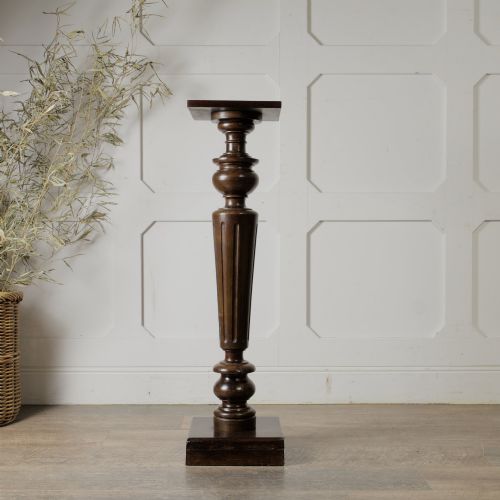
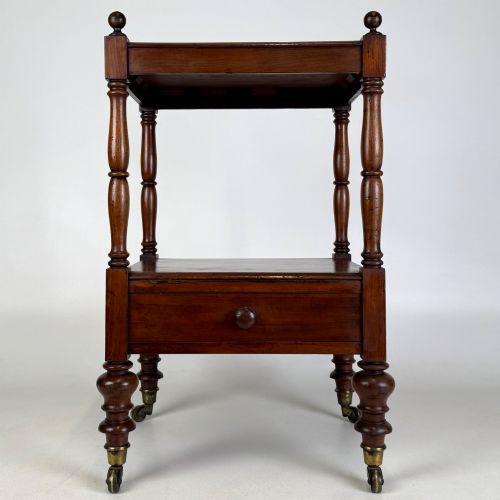
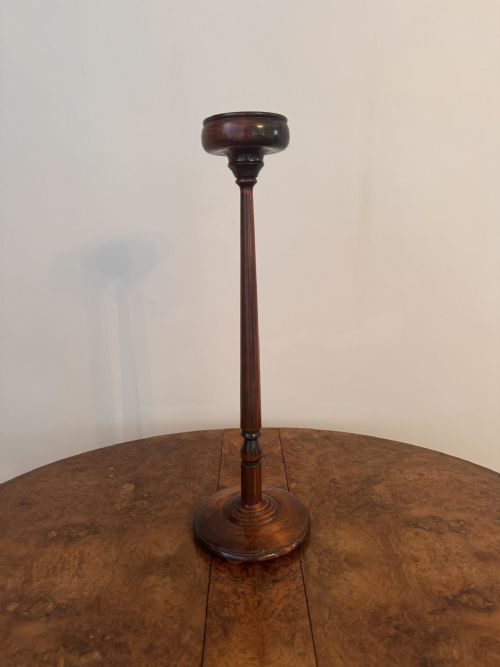
Turned mahogany pedestals emerge from a tradition of functional woodwork that includes plant stands, torchères, and the central columns of tripod tables. These pieces take various forms across the 18th, 19th, and early 20th centuries, spanning Georgian, Regency, and Victorian periods.
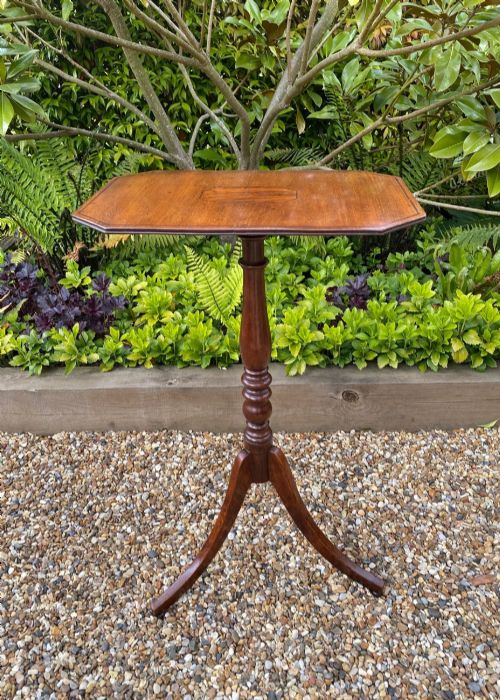
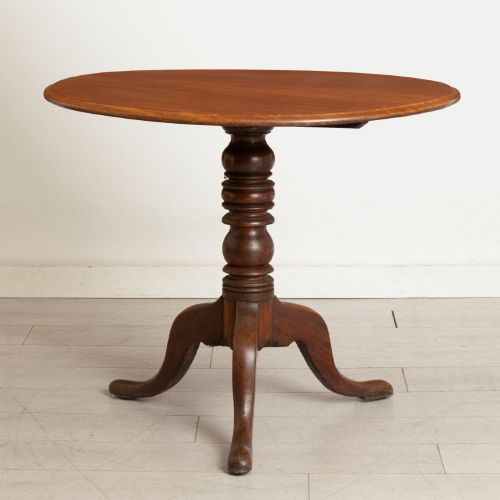
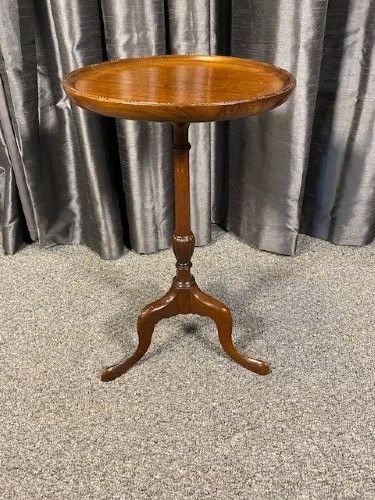
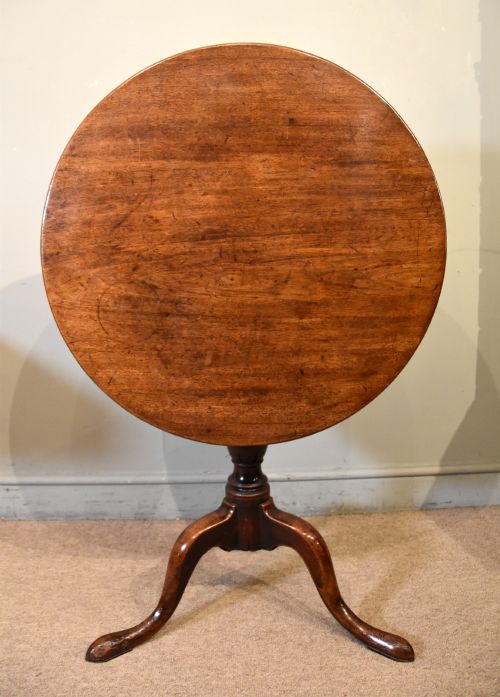
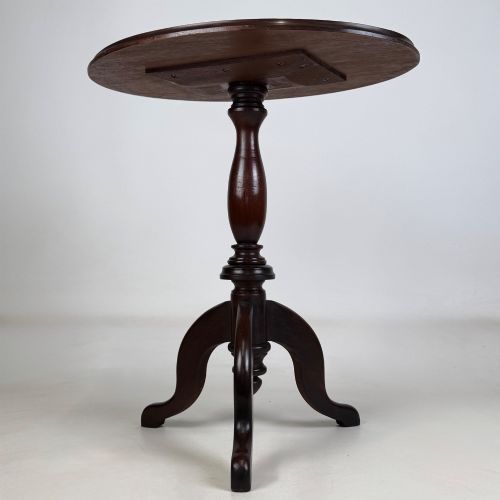
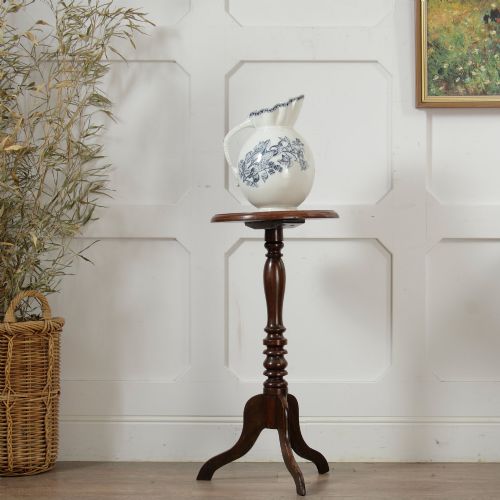
Buyers seeking turned mahogany pedestals most frequently encounter tripod table bases, tall plant stands, and occasional tables featuring central turned columns. The timber provides a rich brown tone, whilst the turning process shapes the central shaft into slender or robust profiles.
How they were made
Makers utilised solid mahogany, sometimes pairing it with secondary woods or incorporating brass fittings, leather tops, and gold leaf accents. Cabinet-makers shaped the central shafts on a lathe to create the characteristic ring, vase, and baluster turnings.
Tripod bases and pedestals rely on precise joinery to unite the turned column with three supporting legs or a stepped plinth. The timber is polished to accentuate the natural grain patterns inherent in the mahogany.
Some sewing tables hide deep compartments beneath their turned pedestals, ready for clandestine needlework.
What varies in quality
Quality rests in the precision of the lathe work and the selection of the mahogany timber. Sharply defined mouldings and balanced proportions distinguish finer examples from simpler utility pieces.
The integrity of the structural joints between the turned column and the base dictates the overall stability. Richness of grain and depth of colour achieved through traditional polishing methods also separate the grades.
Druce & Co London
The Turned Mahogany Pedestals Glossary
- Mahogany
- A durable tropical hardwood known for its reddish-brown colour and stability. It accepts fine turning and carving exceptionally well.
- Tripod
- A three-legged support structure commonly found beneath wine tables and torchères. This design prevents rocking on uneven historical floors.
- Torchère
- A tall, slender stand designed to elevate a lamp, candle, or decorative urn. These stands often feature elaborate turning along the vertical shaft.
- Tilt Top
- A tabletop mechanism allowing the surface to fold vertically when not in use. This clever space-saving device is typical of 18th and 19th century occasional tables.
- Plinth
- A heavy rectangular or square base supporting a column or pedestal. It grounds the vertical composition visually and physically.
Turned Mahogany Pedestals: Frequently Asked Questions
What is a turned mahogany pedestal?
A turned mahogany pedestal is a vertically oriented wooden support or stand shaped on a lathe. These pieces serve as plant stands, torchères, or the central pillars of tripod tables.
The use of mahogany ensures both structural strength and a deep, warm grain pattern that complements traditional interiors.
How do I date a mahogany pedestal?
Dating relies on observing the style of turning, leg profiles, and construction methods. Georgian examples often feature slender tripod legs, whilst Victorian pieces display heavier, more robust proportions.
Secondary woods and finishing techniques also offer clues to the specific manufacturing era.
Were these stands used for plants?
Many tall stands and pedestals were designated for displaying plants, urns, or sculptures within period rooms. Their sturdy turned shafts safely elevated heavy decorative items above floor level.
Surviving examples demonstrate how domestic display habits evolved through the 19th and early 20th centuries.
How do I care for mahogany furniture?
Mahogany requires minimal maintenance beyond regular dusting with a soft, dry cloth. Avoiding direct sunlight and extreme humidity changes preserves the polished finish.
Occasional application of appropriate wax feeds the timber without building up heavy residues.