
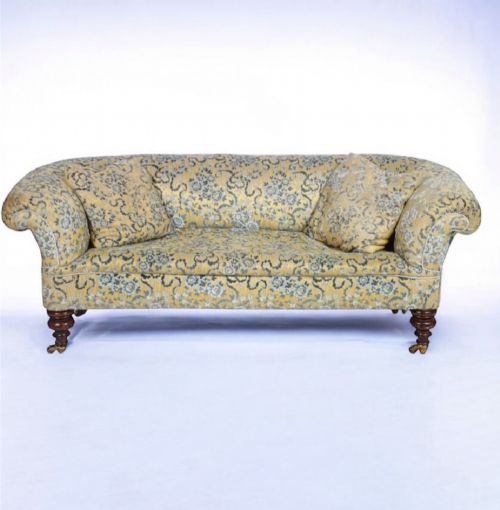
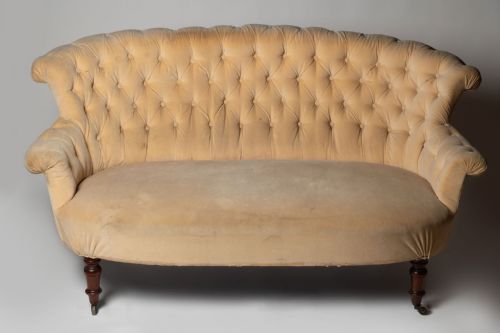
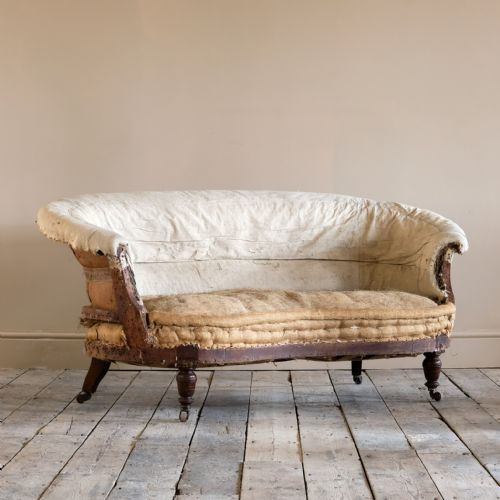


Turned Leg Upholstered Settee
A turned leg upholstered settee brings deep comfort and traditional form to a room, offering generous seating rooted in centuries of craftsmanship.
Turned Leg Upholstered Settee
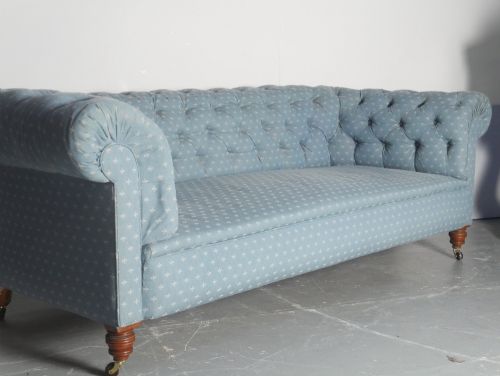
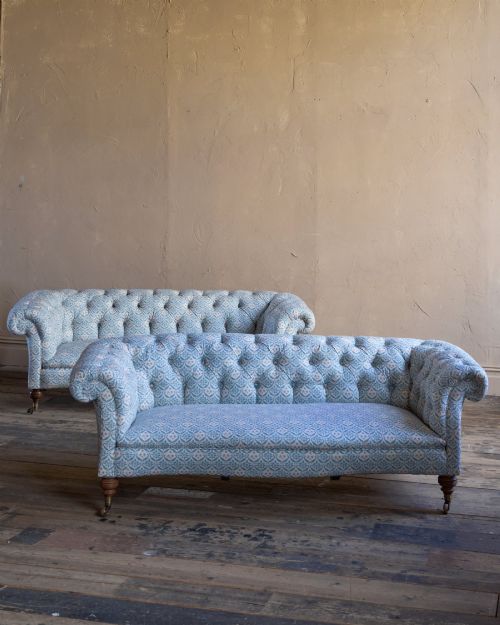
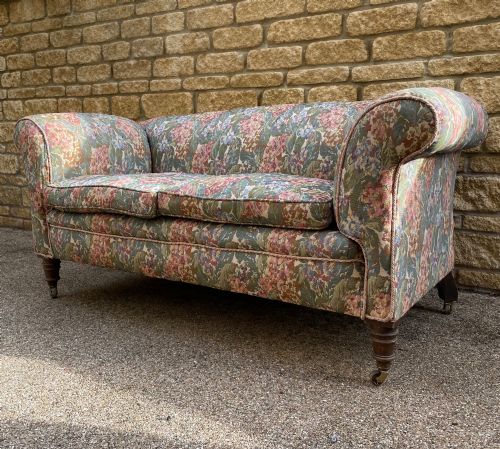
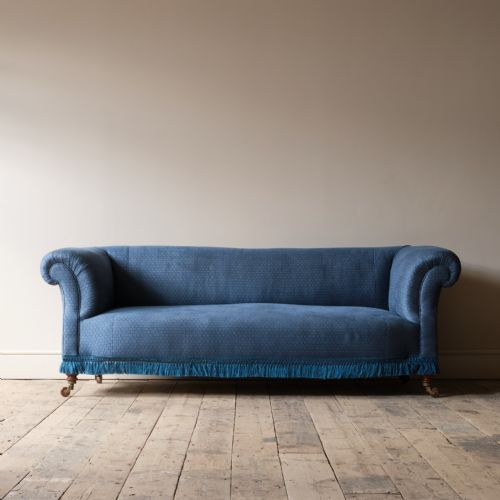
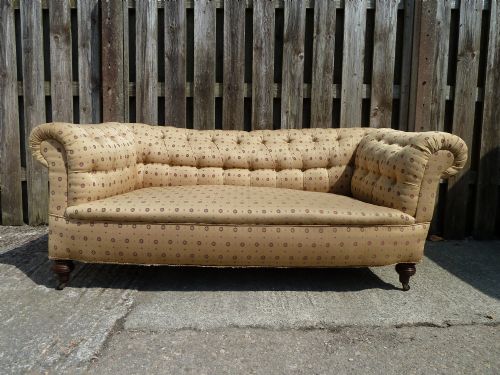
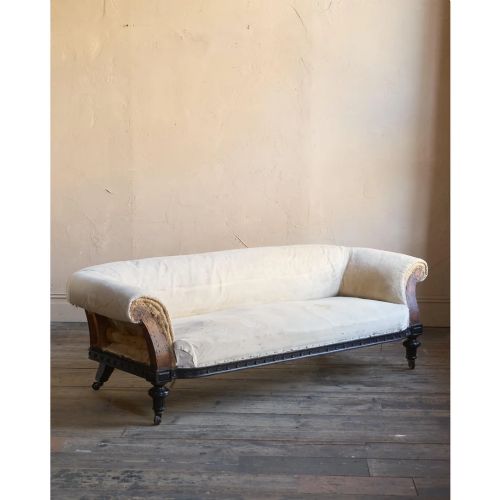
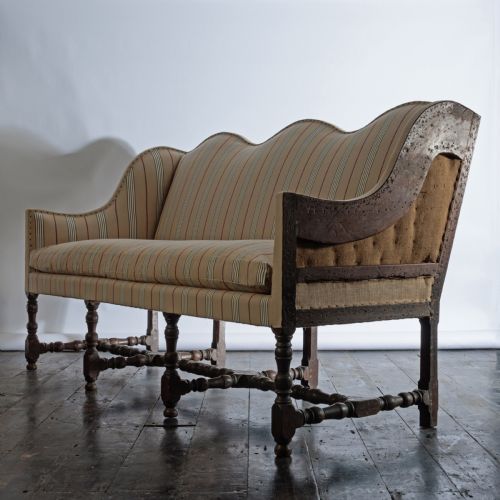
A turned leg upholstered settee spans centuries of design, appearing across the seventeenth, nineteenth, and early twentieth centuries in forms such as Chesterfields, drop arm sofas, and wingbacks. Buyers seeking this turned leg upholstered settee encounter various interpretations ranging from ornate Victorian iterations to restrained English country house pieces.
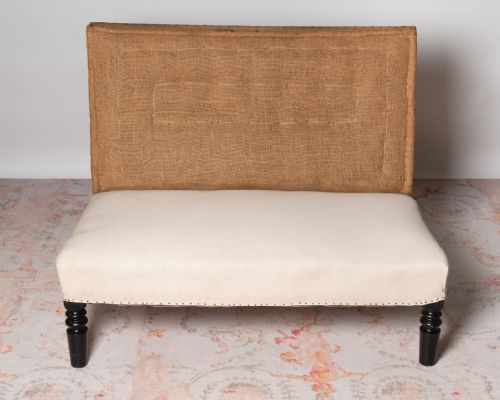
The evidence shows these seating pieces arriving in formats like two seater sofas, three seater options, salon suites, and French banquettes. Workshop creations often feature distinct regional characteristics, reflecting the prevailing styles of their respective eras from Victorian to Edwardian and Aesthetic Movement designs.
Materials and Construction
Makers constructed the foundational frames using timber, walnut, mahogany, and satinwood, applying wood turning techniques to shape the structural legs. Upholstery layers incorporated materials such as fabric, cotton, velvet, and brass elements for finishing details.
Structural elements frequently included carved and turned wooden supports, sometimes paired with castors for mobility. Frames were built to support extensive padding and textile coverings, ranging from plain cotton to designer textiles.
Listings span from the seventeenth century through the Victorian and Edwardian eras, utilising walnut, mahogany, velvet, and cotton.
Evaluating Quality
Quality rests in the precision of the wood turning and the selection of primary timbers like walnut and mahogany over standard woods. Finer examples display meticulous joinery and proportion within the frame before upholstery is applied.
The sophistication of the stylistic execution distinguishes the tier of a piece, whether it is an elaborate Napoleon III creation or a refined nineteenth century country house sofa. The integration of high grade fabrics and original makers' stamps further elevates an item's standing.
Howard and Sons·Hampton and Sons·Holland and Sons
The Turned Leg Upholstered Settee Glossary
- Chesterfield
- A large upholstered sofa traditionally featuring deep buttoning and rolled arms of equal height. It remains a staple of traditional English seating design.
- Drop Arm
- A sofa mechanism allowing one end to lower into a chaise position. This provides adjustable lounging configurations.
- Chaise Longue
- An elongated upholstered chair designed for reclining. It typically incorporates an asymmetric backrest.
- Banquette
- A long upholstered bench seating form originating in France. It often serves formal salon spaces.
- Salon Suite
- A matched set of upholstered seating furniture designed for a drawing room. These suites maintain uniform stylistic details across multiple pieces.
Turned Leg Upholstered Settee: Frequently Asked Questions
How do I identify a Victorian sofa?
Victorian sofas often utilise dense timbers like mahogany and walnut, paired with heavy upholstery and distinctive turned forelegs.
Stylistic cues draw from traditional English and Aesthetic Movement influences recorded across the nineteenth century.
Where should I place a settee?
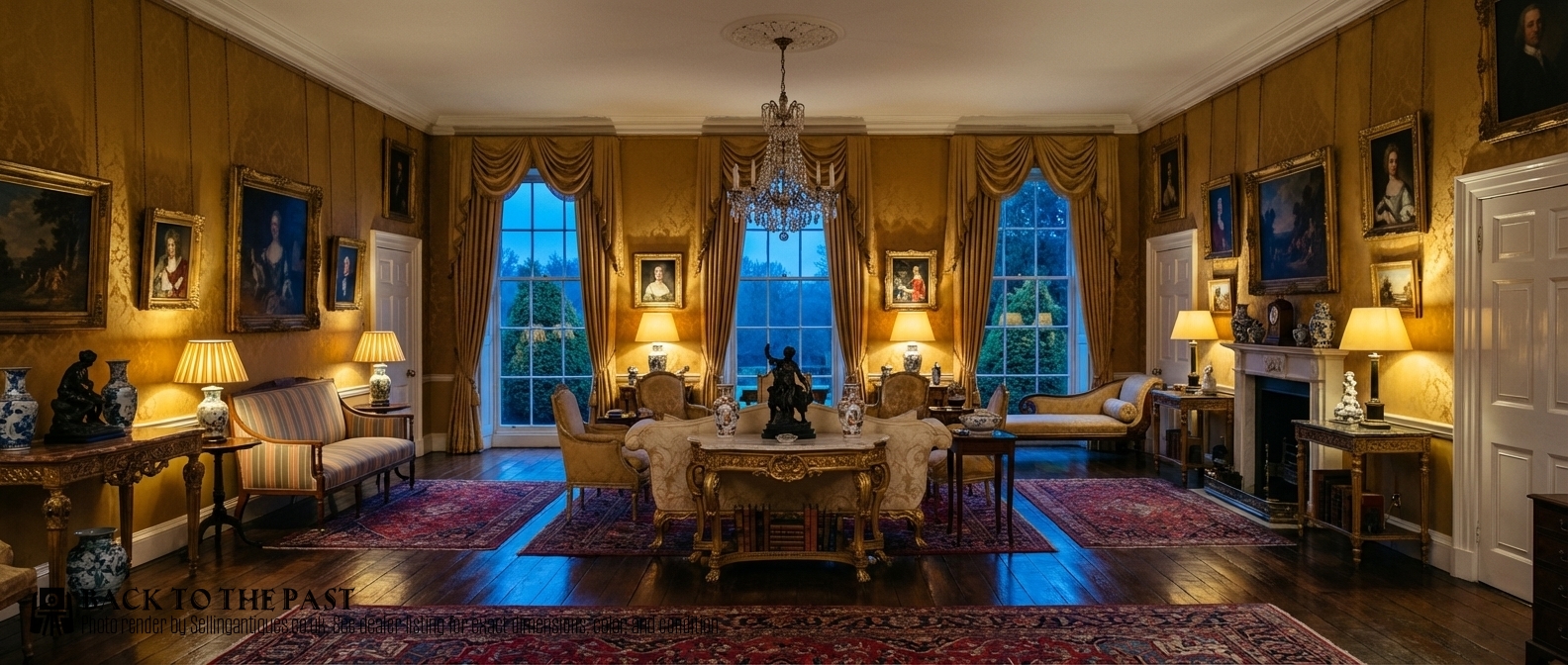
These pieces suit living rooms, libraries, and drawing rooms as primary seating or reading spots.
Their substantial upholstered forms anchor a room while providing functional seating capacity.
Are these settees comfortable for daily use?
Constructed with generous padding and upholstered surfaces, they are designed for prolonged seating and relaxation.
Many historic examples utilise deep springs and durable cotton or velvet coverings suitable for modern living spaces.