




Turned Leg Pine Console
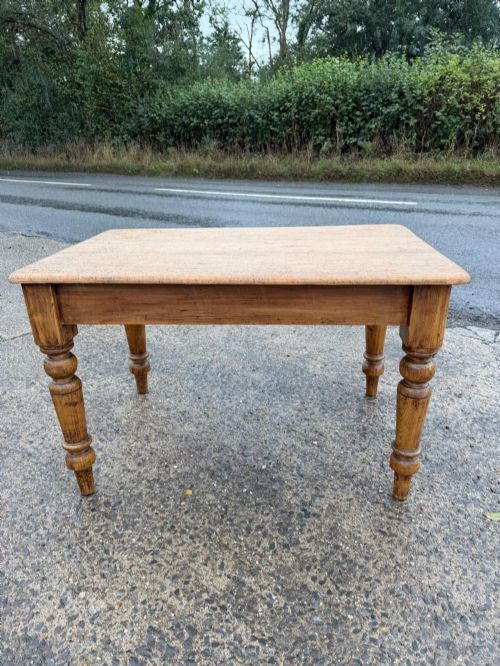
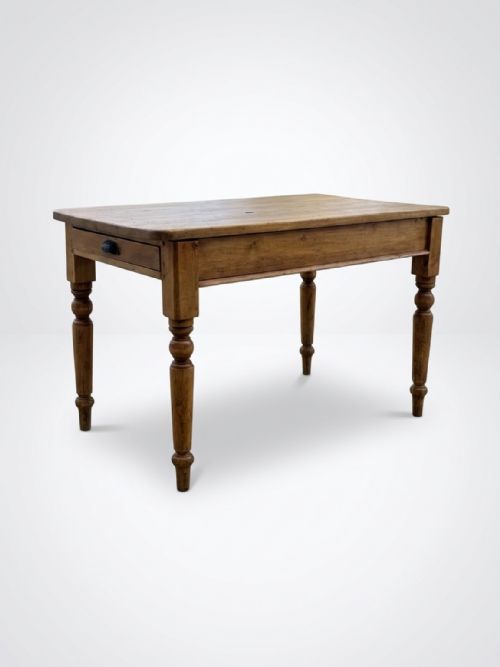
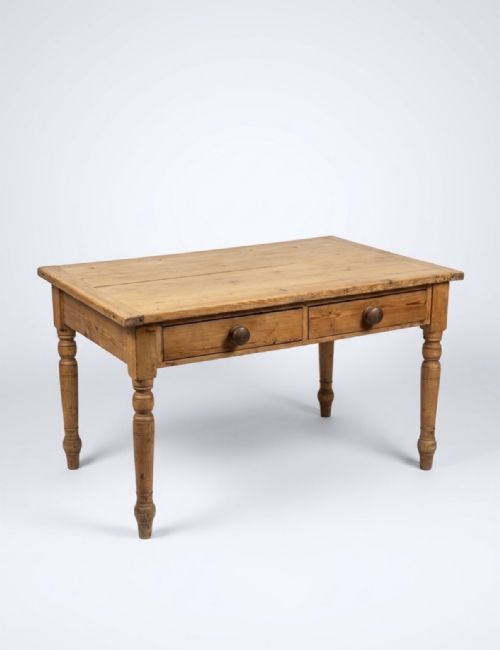
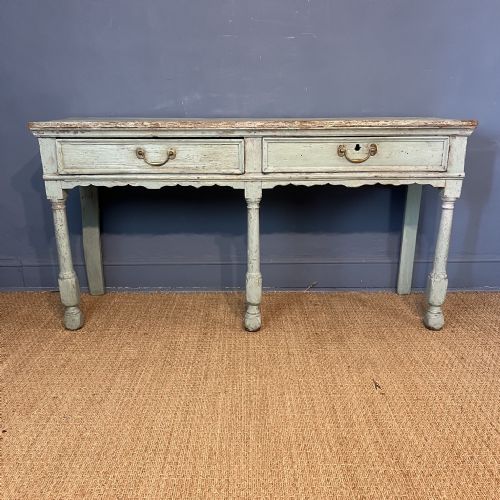
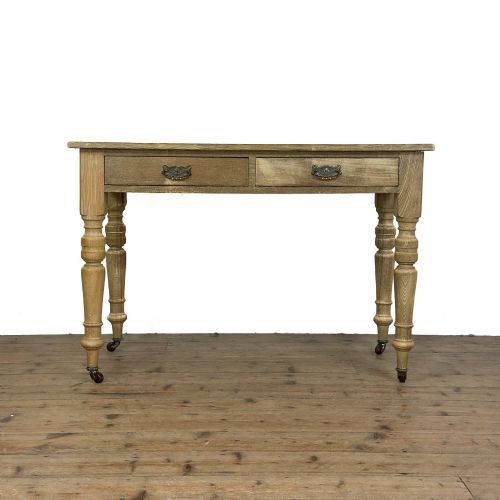
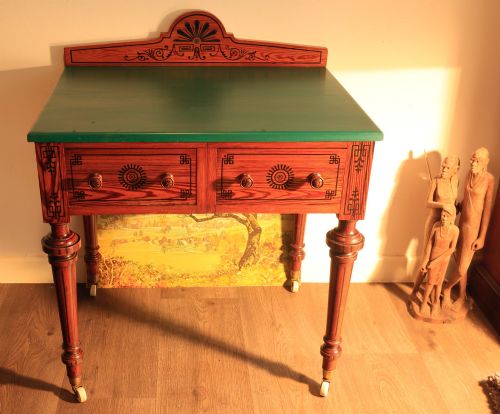
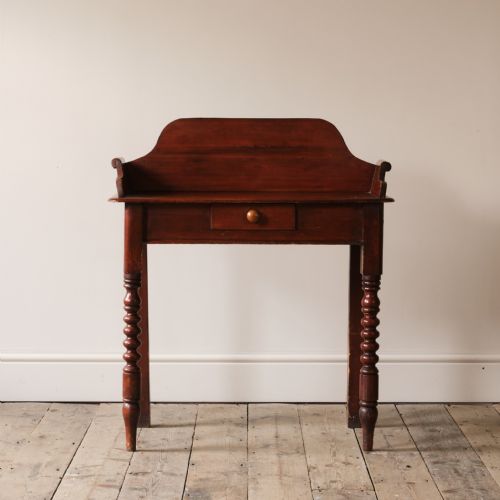
A turned leg pine console brings honest utility and warmth to a room, offering practical surface space through robust construction and simple lines.
Turned Leg Pine Console
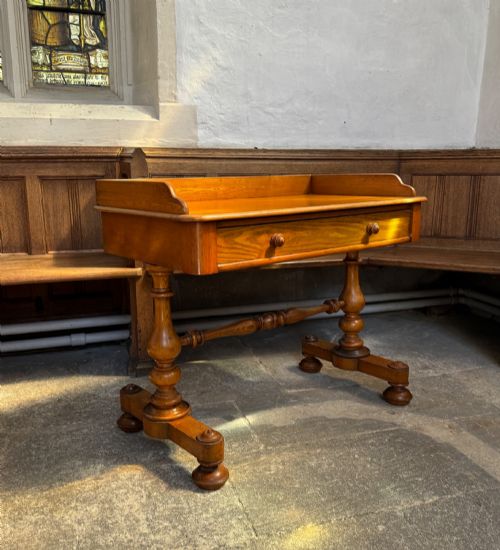
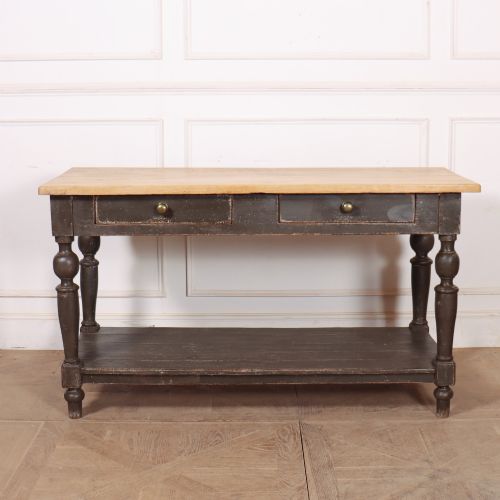
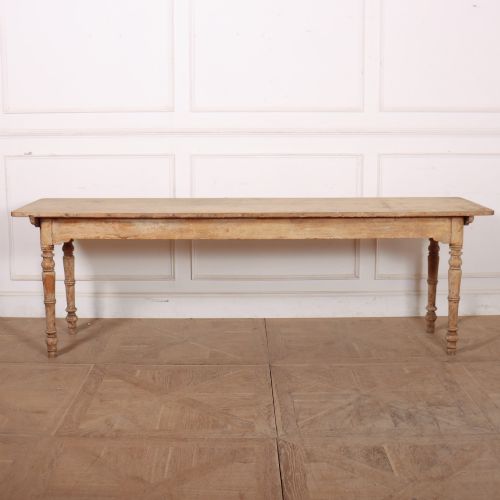
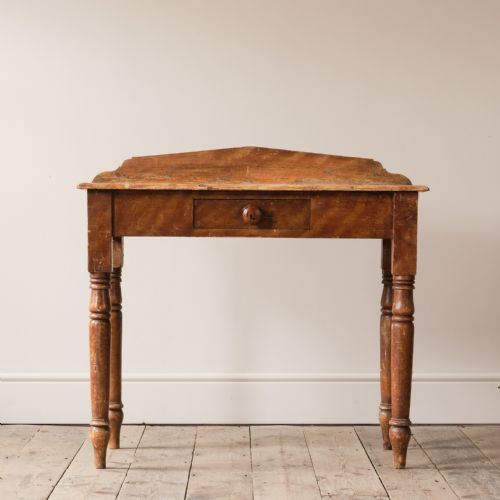
When you search for a turned leg pine console, you are looking at domestic furniture shaped primarily across the eighteenth and nineteenth centuries, spanning Georgian and Victorian periods. These pieces serve various functions around the home, appearing across listings as side tables, console tables, washstands, servers, and dresser bases.
Materials and Construction
Construction relies upon pine and pitch pine timbers, selected for their workability and strength in domestic contexts, occasionally augmented with brass hardware or finished in paint and original painted timber surfaces. Woodworkers shaped the structural uprights on a lathe to create distinctive turned legs, supporting sturdy tabletops and potboards.
Surfaces show diverse treatments ranging from stripped natural wood to original paint finishes, reflecting both utilitarian workshops and regional decorative traditions.
Listings feature pine and pitch pine tables spanning the eighteenth century through the Victorian era, including diverse regional forms from English, Swedish, and Italian workshops.
Factors of Quality
Quality separates along the integrity of the original timber and the preservation of historic surface treatments, where unstripped paint or untouched patination elevates a piece above standard stripped variants. The precision of the leg turning and the snug fit of frieze drawers further distinguish accomplished joinery from basic utility items.
Proportion and structural balance also divide exceptional regional tables from ordinary workshop output, as seen in well-balanced demi lune or ecclesiastical forms.
The Turned Leg Pine Console Glossary
- Frieze
- The horizontal band running directly beneath the tabletop, frequently housing a single drawer in these examples.
- Pitch Pine
- A dense, resinous variety of pine valued for its durability and prominent grain pattern in nineteenth-century furniture.
- Potboard
- An open lower shelf fitted beneath a dresser base or console, historically designed to hold pots and heavy kitchenware.
- Demi Lune
- A half-moon or semicircular shape typical of certain occasional and console tables designed to sit flush against a wall.
Turned Leg Pine Console: Frequently Asked Questions
What is a pine console used for?
These tables provide sturdy surface space for lamps, display items, or storage within hallways, living rooms, and dining spaces.
Historically, similar forms functioned as washstands or utility servers depending on their specific regional origin and height.
How do I date a pine table?
Dating relies on observing construction methods, timber choice, and tool marks visible beneath the tabletop or inside drawer joints.
Stylistic cues such as Georgian proportions or Victorian turned leg profiles also help narrow down the period of manufacture.
Are painted finishes original?
Original paint surfaces show authentic wear, layering, and patination consistent with age rather than modern decorative distressing.
Surviving early finishes significantly impact the character and collector interest of eighteenth and nineteenth-century pine furniture.
Where were these tables made?
Surviving examples originate from domestic workshops across England, Wales, France, Italy, Sweden, and the Netherlands.
Regional differences in leg turning and overall proportions often point directly to the country of origin.