



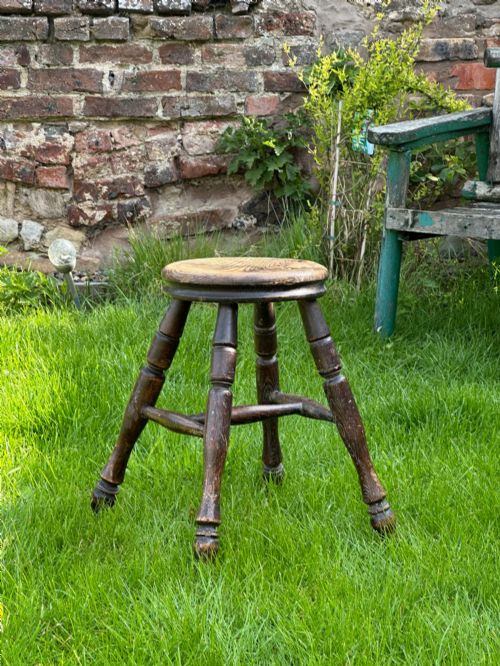
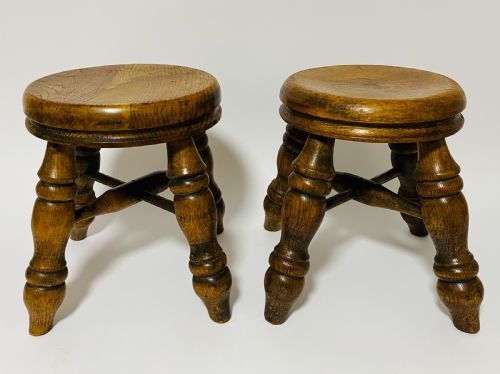


Turned Leg Milking Stool
Turned leg milking stools are humble domestic seats shaped by rural function, offering buyers robust vernacular charm and honest timber construction.
Turned Leg Milking Stool
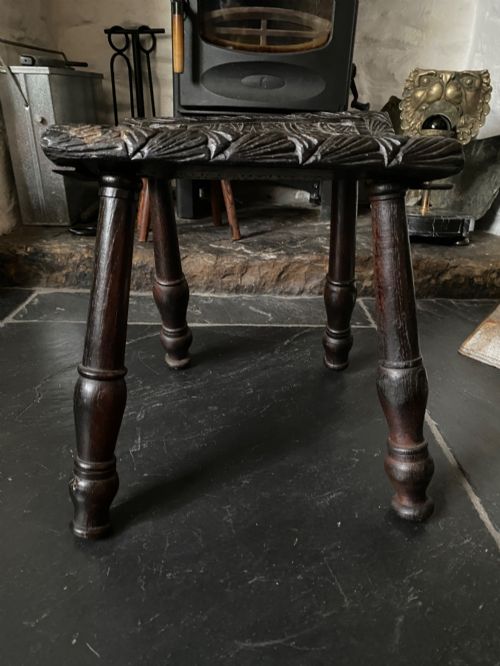
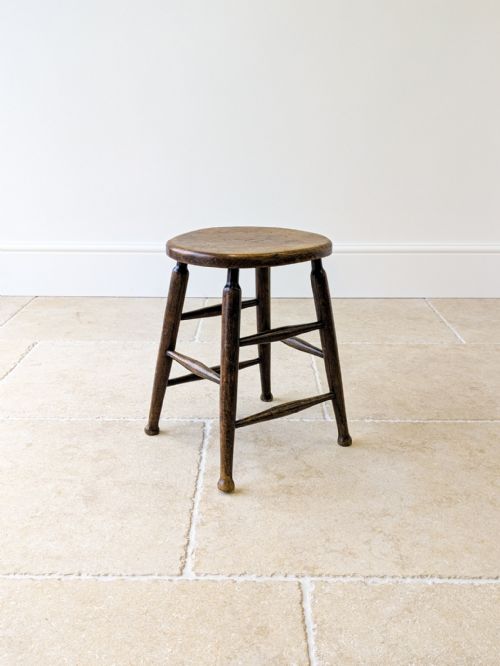
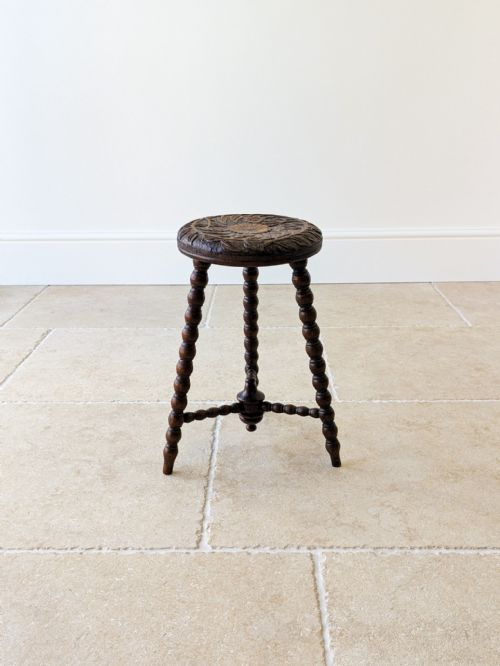
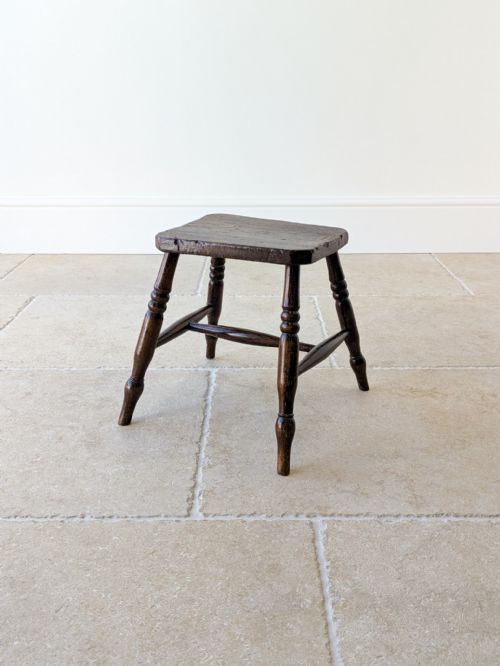
A turned leg milking stool is a quintessential vernacular seat designed for practical farm work, most frequently encountered in sturdy nineteenth-century forms. These pieces often feature simple timber tops supported by three or four legs, reflecting the varied requirements of agricultural life.
The inventory encompasses Georgian, Victorian, and early twentieth-century examples, spanning styles from English country to rustic farmhouse. Stools appear in forms such as Windsor seats, saddle stools, and small low variations, demonstrating the diverse output of regional makers.
Assessing Quality
Quality rests in the integrity of the timber and the harmony of the proportions, distinguishing utilitarian workshop pieces from finer vernacular items. Superior examples display thoughtful turning on the legs and pleasing grain patterns across the wooden seat.
The character of the patination and the tightness of the original joints dictate the desirability of each stool. Evidence of genuine age and uncompromised structural integrity separates ordinary domestic survivals from exceptional collector pieces.
Turned Leg Milking Stool Retail Price Guide 2026
Typical asking prices for turned leg milking stool among the pieces listed under this phrase on Sellingantiques today, from the lower quarter to the upper quarter. They describe what is for sale here now, not the wider market.
J. Shoolbred
The Turned Leg Milking Stool Glossary
- Vernacular
- Everyday objects made by local craftsmen using traditional regional methods rather than high-style academic designs. These pieces prioritize practical utility and local material availability.
- Windsor
- A chair or stool construction method where legs and spindles are socketed directly into a solid carved wooden seat. This technique provides exceptional stability.
- Treen
- Small handmade wooden household objects valued for their tactile qualities and simple domestic function. These items include small stands, Treen pieces, and utilitarian tablewares.
- Patina
- The deep surface sheen and colour acquired by wood and paint over many years of handling, light, and use. A rich patination is a primary marker of authenticity.
Turned Leg Milking Stool: Frequently Asked Questions
What is a turned leg milking stool?
A turned leg milking stool is a traditional low wooden seat originally used for agricultural tasks such as milking cows in the dairy or field. These compact pieces were built for portability and steady balance on uneven floors.
Today, they survive as versatile decorative items and small seats, prized for their honest construction and rustic aesthetic.
How old are these antique stools?
The stools recorded here primarily date from the nineteenth century, including Georgian periods and early nineteen-hundreds examples. Construction methods and timber types help indicate the approximate era of manufacture.
Earlier pieces often exhibit hand-turned legs and distinctive adzed seat contours shaped by regional craftsmen.
What woods were used to make them?
Maker workshops utilised accessible British hardwoods including elm, oak, ash, beech, and pine. Elm was frequently chosen for seats because its interlocking grain resisted splitting under heavy use.
Legs and stretchers were typically turned from straight-grained ash, beech, or oak to provide rigid structural support.
How can I style a milking stool at home?
These compact stools suit numerous interior settings, functioning as small side tables, plant stands, or minimalist seats beside firesides. Their modest footprint allows them to fit easily into tight corners or small living spaces.
Pairing a rustic wooden stool with contemporary furniture highlights the warmth and texture of the aged timber.