

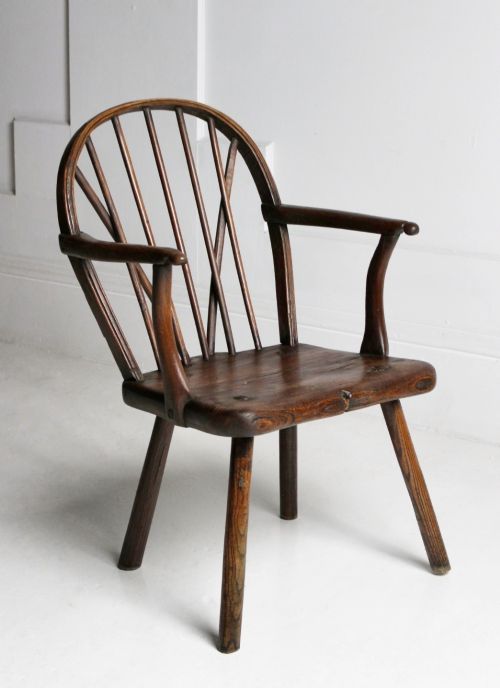


Primitive Wooden Seats
Primitive wooden seats gather the honest grain and functional forms of rural life, offering robust seating shaped by hands long gone.
Primitive Wooden Seats
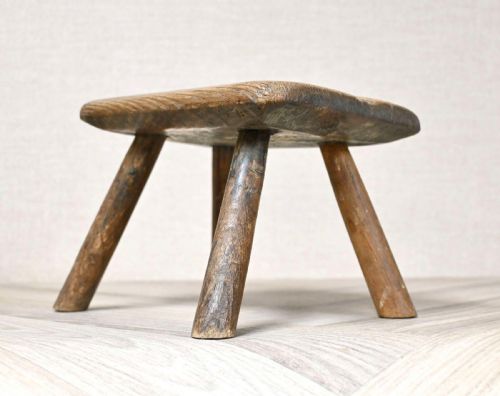
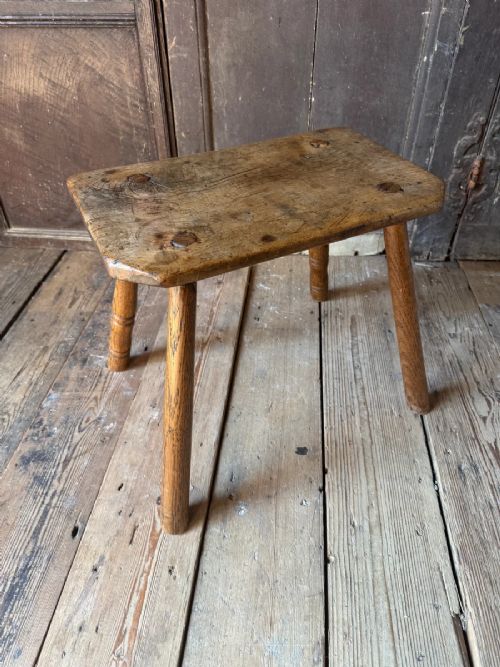
These primitive wooden seats comprise utilitarian chairs, stools, benches, and settles originating from domestic, agricultural, and craft environments across the eighteenth, nineteenth, and early twentieth centuries. Surviving examples reflect vernacular traditions from English, Welsh, Scandinavian, Eastern European, and American makers who prioritised utility over academic design conventions.
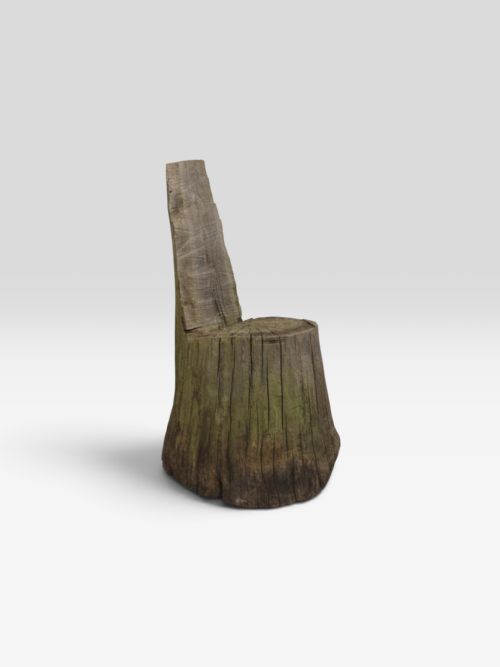
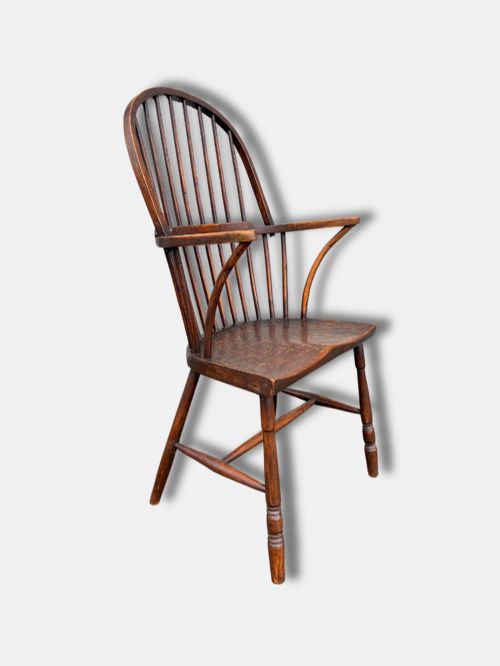
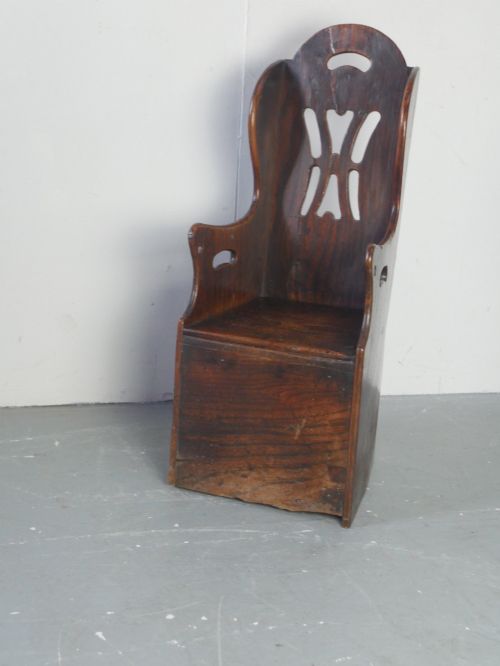
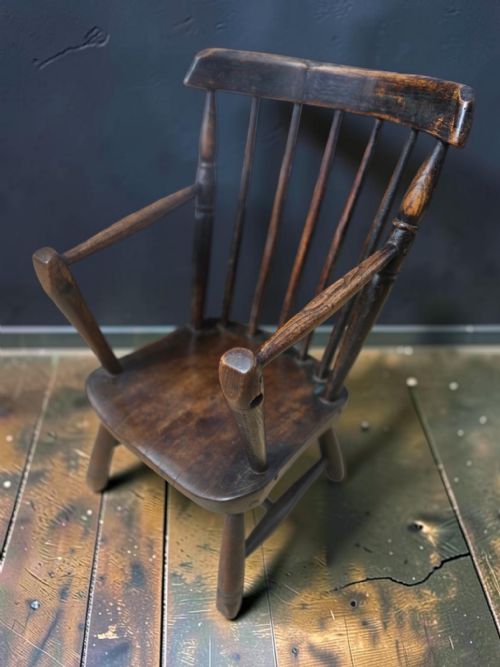
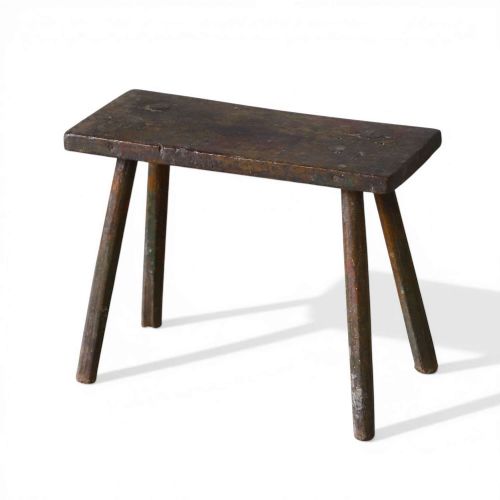
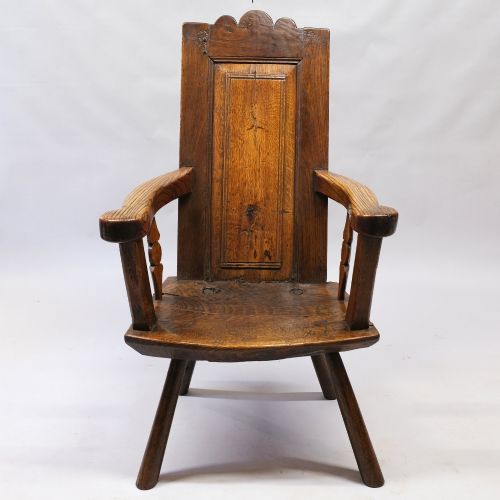
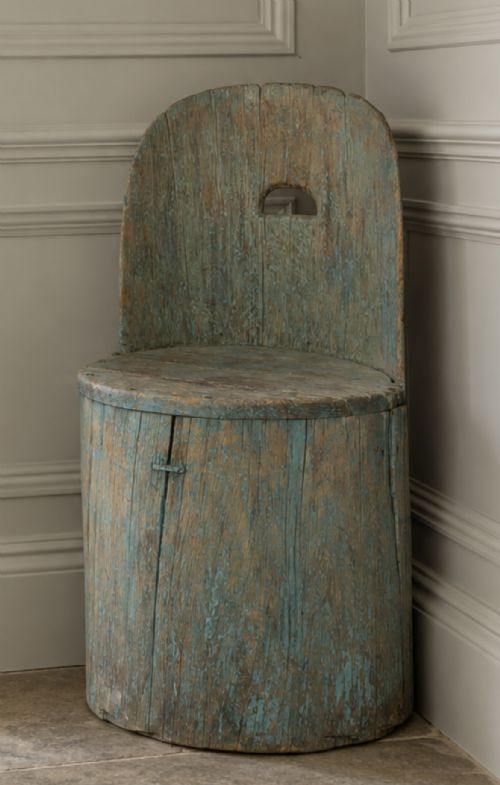
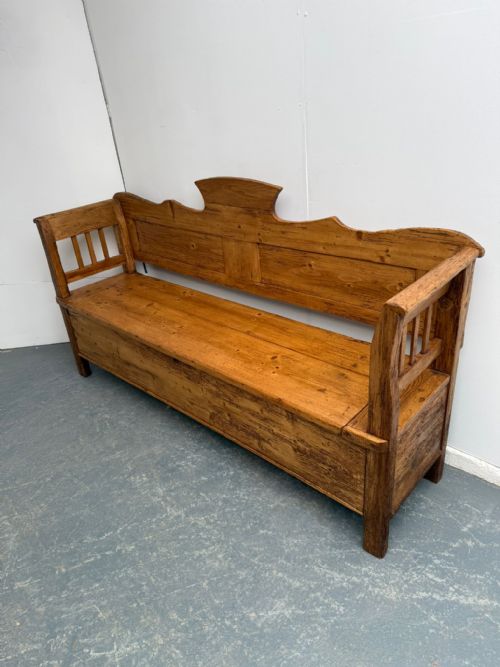
Buyers encounter sturdy low stools, Windsor armchairs with comb backs or stick backs, dug-out chairs hewn from solid logs, and long pine or hardwood benches. Children's chairs and high chairs appear regularly, often reproducing the construction methods of full-sized vernacular seating in smaller proportions.
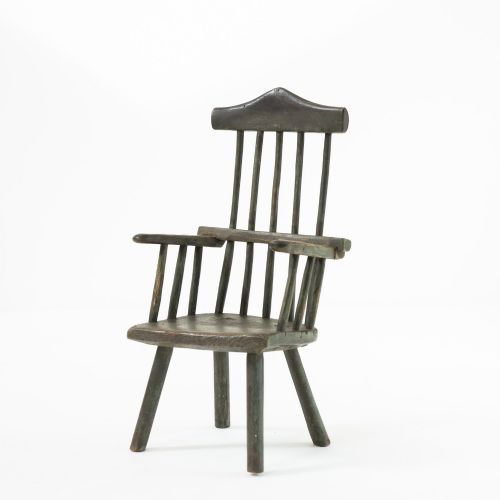
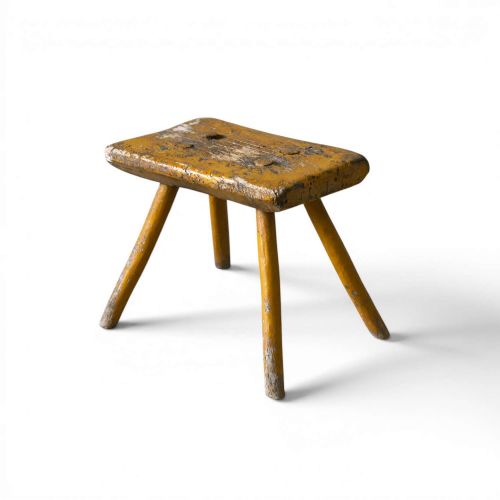
Regional variations dominate the selection, including Welsh stick chairs, West Country children's chairs, and Scandinavian painted seating. Many pieces retain original surface treatments such as ochre and green paint or waxed finishes that record decades of daily use.
Materials and construction methods
Maker-joiners utilised locally available timbers, most frequently pairing resilient hardwoods like oak, ash, elm, and sycamore with softer woods such as pine. Seats were often carved from a single solid block of elm or sycamore, selected for its resistance to splitting when fitted with legs and spindles.
Underframes typically rely on wedged tenon joints, where legs and back stems pierce straight through the seat plank and lock into place with wooden wedges. This method created rigid joints without requiring complex metal fixings or sophisticated cabinet-making machinery.
Stick backs and comb backs were formed by steaming or splitting green timber to shape spindles and arm bows, allowing chairmakers to construct lightweight yet supportive frames from unseasoned wood that tightened as it dried.
Primitive Wooden Seats Retail Price Guide 2026
Typical asking prices for primitive wooden seats among the pieces listed under this phrase on Sellingantiques today, from the lower quarter to the upper quarter. They describe what is for sale here now, not the wider market.
Listings feature eighteenth and nineteenth-century pieces constructed from native hardwoods including oak, elm, ash, and sycamore.
Judging quality and character
Quality in primitive wooden seats rests upon sculptural presence, structural integrity, and the survival of an untouched surface finish. Superior examples display bold, uninhibited tool marks and balanced proportions that elevate simple domestic objects into pieces of folk art.
The relationship between the primary seat plank and the turned or shaved underframe dictates the visual harmony of the piece. Untouched patination, original painted surfaces, and honest structural wear distinguish pieces that retain their historical integrity from those altered by modern intervention.
The Primitive Wooden Seats Glossary
- Stick back
- A chair construction method where turned or shaved spindles are inserted directly into holes bored through the seat plank to form the backrest. This technique provides flexible support.
- Comb back
- A chair design featuring a horizontal headrest bow supported by vertical spindles, resembling the teeth of a comb. This form frequently appears on eighteenth-century Windsor armchairs.
- Dug out
- A seating form carved entirely from a single solid log or trunk rather than assembled from separate components. Such pieces rely on the natural mass of the timber for strength.
- Settle
- A high-backed wooden bench with solid sides designed to block draughts in domestic interiors. Many incorporate enclosed box storage beneath the seat.
- Vernacular
- Objects designed and built by local craftspeople using traditional regional methods and materials rather than following academic architectural styles. These items serve direct practical functions.
Primitive Wooden Seats: Frequently Asked Questions
What defines a primitive wooden seat?
These pieces are functional domestic seats produced by local craftspeople using traditional regional techniques and readily available timber. They reject formal academic design rules in favour of utility and direct construction.
Surviving examples range from simple milking stools to robust Windsor armchairs and settles. Each piece bears the visible marks of hand tools and decades of rural use.
How were these chairs used historically?
Rural families utilised these sturdy seats around farmhouse hearths, in dairies, at workshops, and in cottage kitchens. Their robust build suited demanding daily tasks across generations.
Specialised forms like milking stools and high chairs served specific domestic and agricultural roles. Benches and settles provided communal seating and sheltered inhabitants from draughty rooms.
Can I use primitive seats in a modern interior?
These versatile pieces integrate easily into contemporary rooms by adding tactile warmth and historical contrast. Their sculptural forms function effectively as standalone accent seating or side chairs.
Placing them in modern spaces highlights their minimalist construction and organic timber grain. Their sturdy build ensures they remain fully functional for daily sitting.