

Turned Leg Desk Chair
Turned leg desk chair examples combine solid wood frames with functional seating, offering sturdy workspace support for period interiors.
What They Are
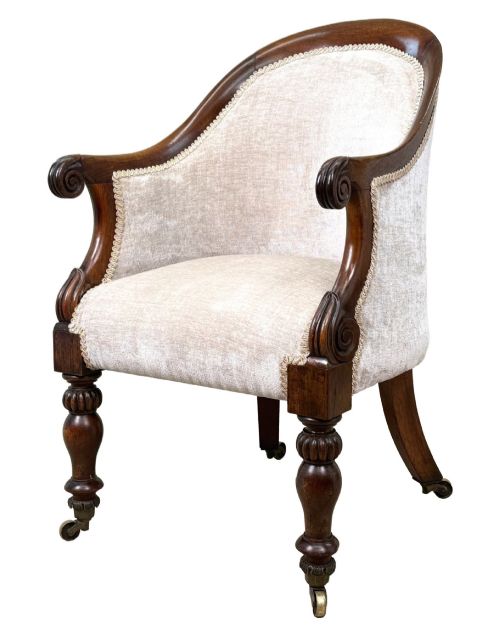
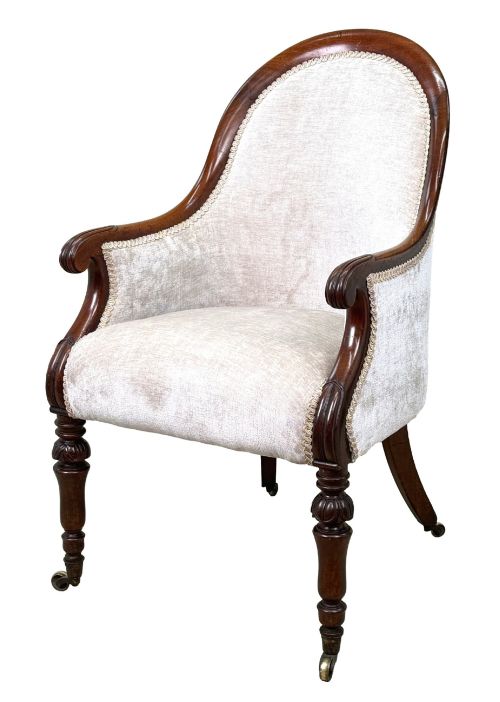
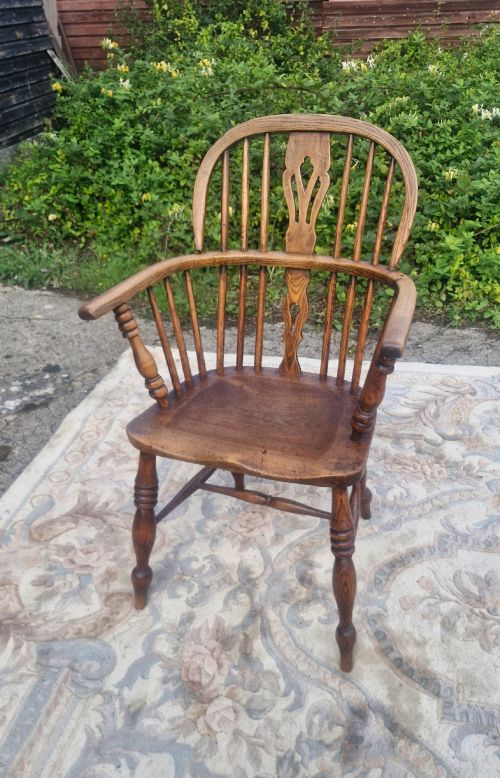
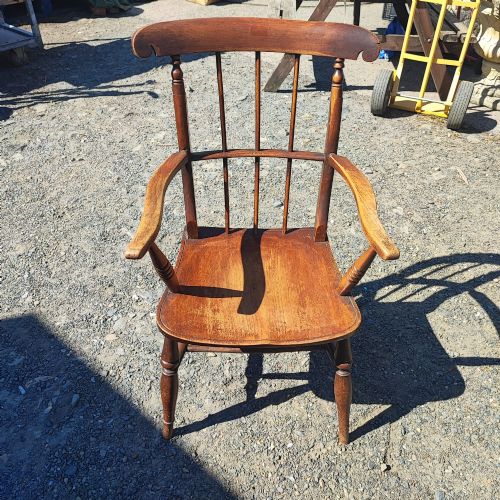
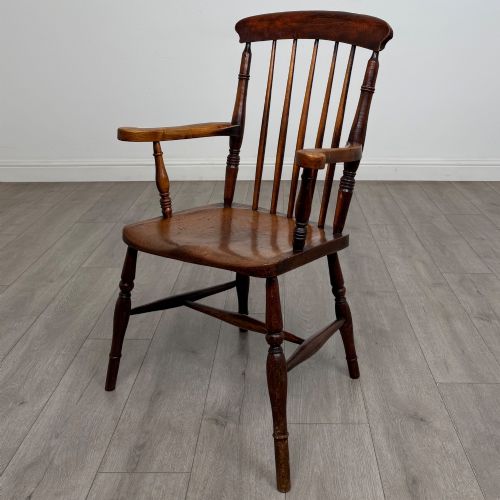
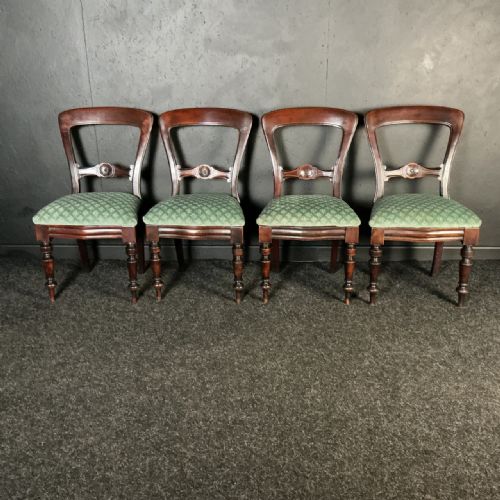
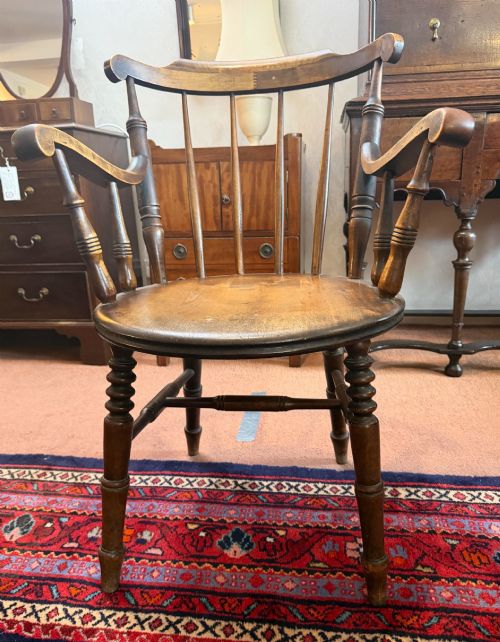
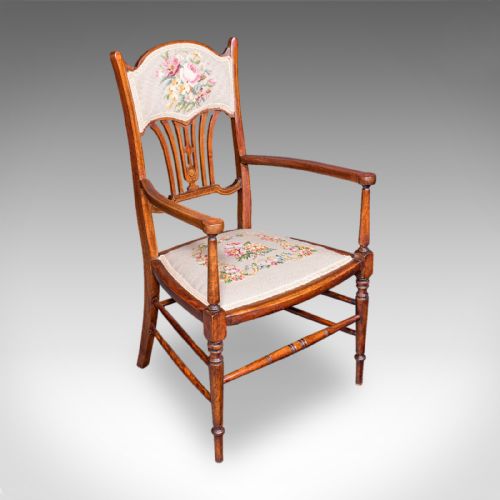
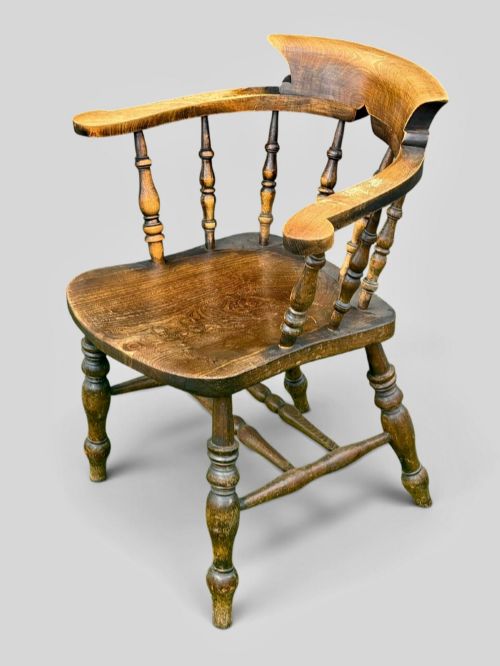
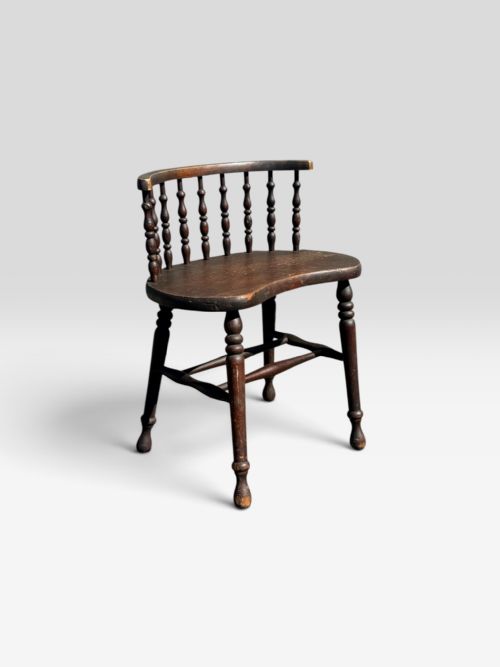
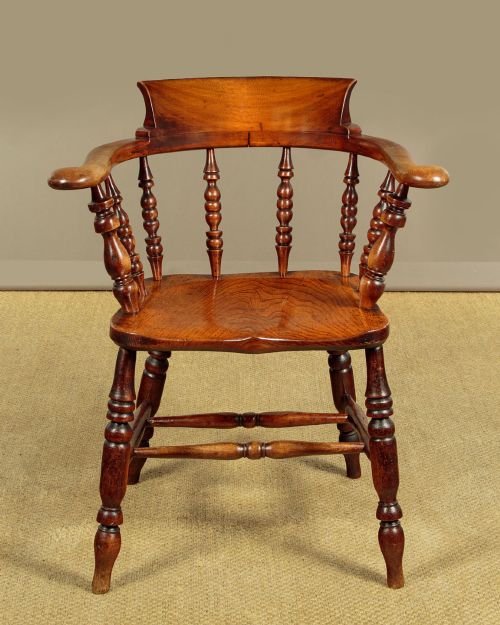
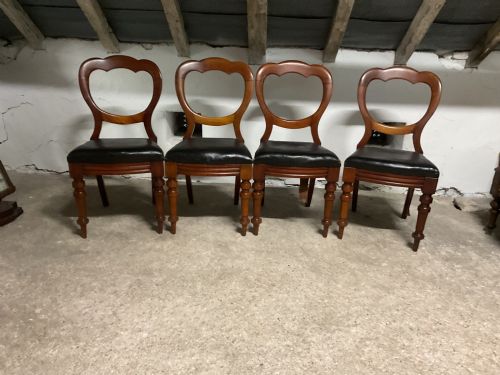
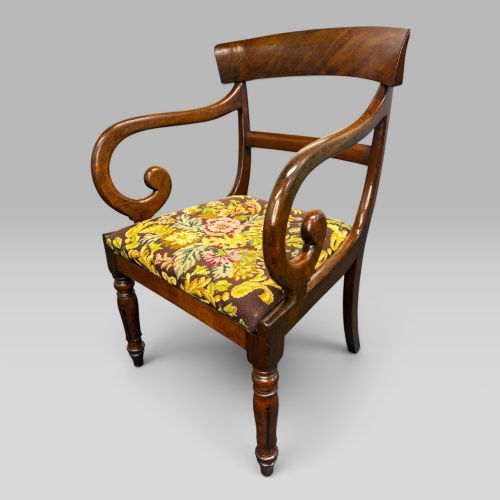
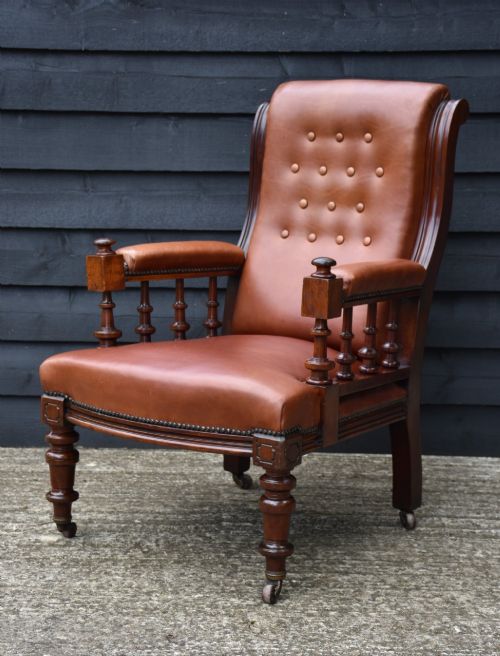
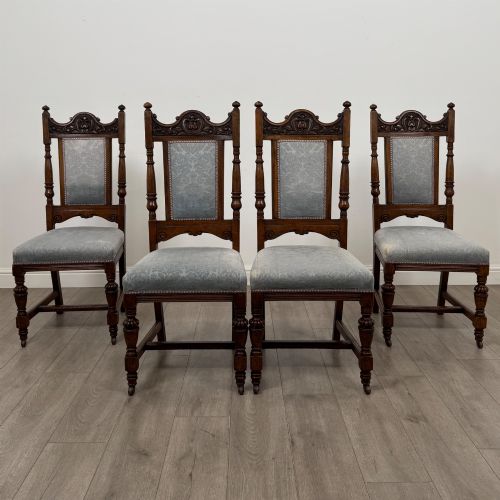
A turned leg desk chair provides sturdy seating designed for workspaces, appearing in nineteenth-century and Edwardian forms across this page. These pieces combine practical office utility with traditional cabinet-making.
The selection centres on library and captain styles, featuring elm, oak, and mahogany construction. Buyers encounter armchairs and curved back variations suited for daily use.
How They Were Made
Joiners built these frames using solid timbers including mahogany, oak, elm, and beech. Component parts were shaped and joined to create resilient structural frameworks.
Seating areas incorporate upholstery materials such as leather, velvet, and linen, secured with brass detailing where appropriate.
Retail Price Guide 2026
Typical UK retail prices for turned leg desk chair, calculated from the Sellingantiques database of over a million retail prices indexed since 2003. This retail price guide relies exclusively on Sellingantiques data; no external sources or auction records are used, so the figures do not describe the wider market.
The listings span the nineteenth century, Victorian era, and Edwardian period, utilising mahogany, oak, elm, and beech.
What Varies in Quality
Selection of timber grain and depth of colour separate standard items from finer workshop output. Golden oak and figured mahogany demonstrate superior material choice.
Integration of original upholstery materials and refined turning work on the legs distinguish higher grade examples from simpler utilitarian seating.
The Turned Leg Desk Chair Glossary
- Turned leg
- A support member shaped on a lathe to create decorative cylindrical or ringed profiles. This technique appears frequently on nineteenth-century seating.
- Captain chair
- A low-backed armchair designed for use at a desk or table. These forms often feature curved upper rails for comfort.
- Library chair
- A substantial seating form intended for study environments, frequently upholstered in leather. Such pieces prioritise prolonged comfort.
- Splat back
- A vertical central strip of wood within a chair back. It provides structural support and aesthetic detail.
Frequently Asked Questions
How do I date a turned leg desk chair?
Dating relies on timber selection, construction methods, and stylistic cues present in the frame. Nineteenth-century examples often display denser hardwoods and specific turning profiles.
Comparison with documented pieces from the Victorian and Edwardian eras helps establish approximate periods of manufacture.
What materials were used for these chairs?
Framing timbers consist primarily of mahogany, oak, elm, and beech. These woods provided the necessary strength for daily seating.
Upholstery elements incorporate leather, velvet, and linen, often complemented by brass fixings.
Where were these chairs used historically?
These seats served primarily in studies, offices, and libraries. Their sturdy construction supported prolonged periods of reading and writing.
Domestic and institutional workspaces both utilised these forms during the nineteenth and early twentieth centuries.
How do I care for antique leather upholstery?
Maintenance requires gentle cleaning and conditioning to prevent the material from drying out. Avoiding direct sunlight preserves the original tone.
Proper environmental conditions protect both the leather surfaces and the underlying wooden framework.