

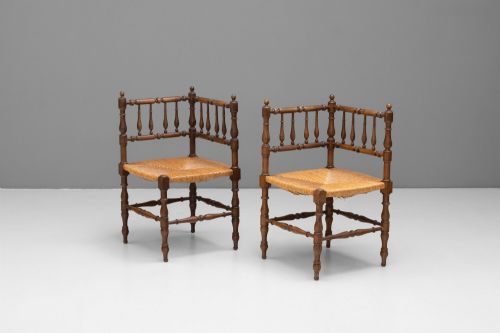
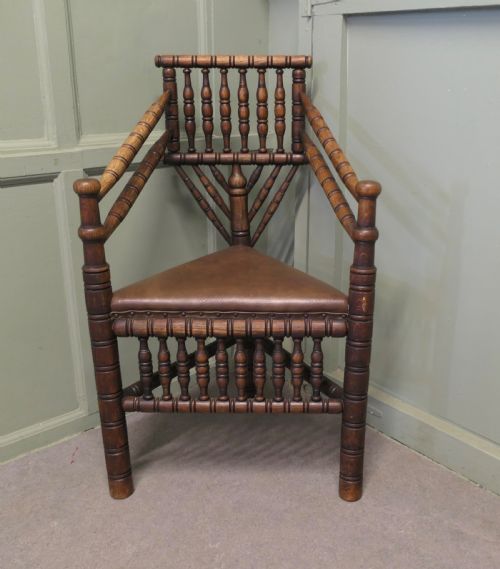


Turned Leg Corner Armchair
A turned leg corner armchair is a distinctive seating form that brings solid craftsmanship and compact design into a room.
Turned Leg Corner Armchair
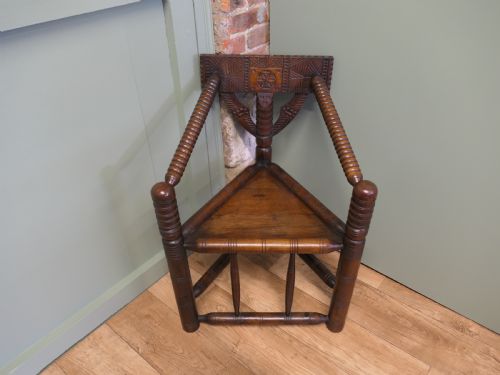
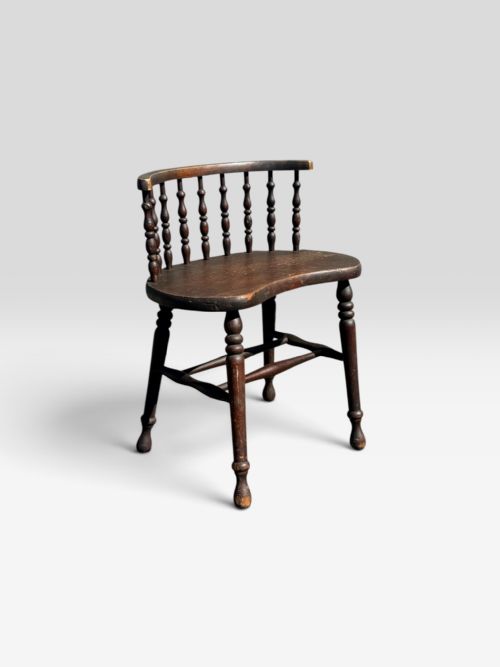
When you search for a turned leg corner armchair, you encounter robust seating designed to fit neatly into domestic spaces. These pieces appear primarily across Victorian and Edwardian periods, including specific examples from the middle and late nineteenth century.
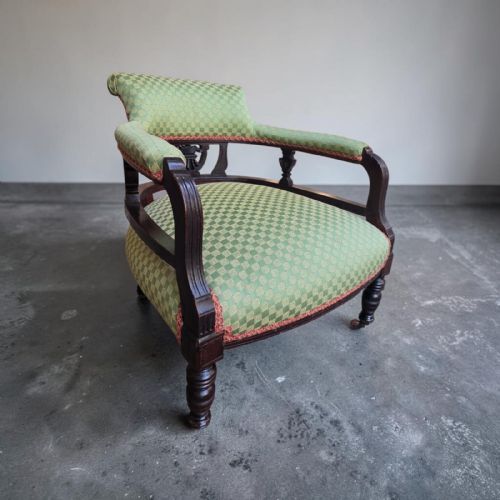
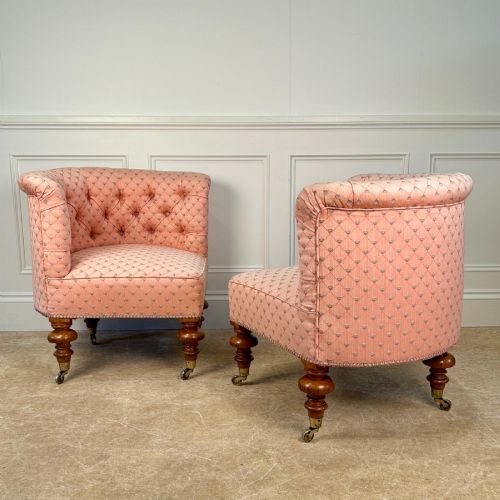
The forms range from traditional turners chairs and bobbin models to corner chairs with upholstered seats or squab cushions. English country styles and Gothic Revival influences frequently shape these designs.
Most examples originate from the nineteenth century, utilising sturdy timbers like oak, elm, and beech. Buyers meet both single chairs and pairs configured for specific corners or desk use.
Materials and construction
Maker construction relies heavily on solid hardwoods such as oak, elm, beech, and mahogany, shaped through traditional turning techniques. These woods provide the structural integrity required for heavy turned legs and curved backs.
Upholstered variants incorporate textiles like fabric, leather, and velvet, often secured to squab seats or padded tubs. Brass elements occasionally appear as supporting details or fixings on specific models.
Listings feature oak, beech, elm, and mahogany frames across Victorian and Edwardian periods.
Distinctions in quality
Quality rests upon the crispness of the turning work and the selection of timber used for the frame. Dense hardwoods like oak and mahogany with well-defined grain command greater appreciation.
The integrity of the structural joints and the retention of original timber components dictate the standard of the piece. Upholstered versions depend equally on the quality of the covering fabric, whether leather, velvet, or traditional textiles.
Miles & Edward
The Turned Leg Corner Armchair Glossary
- Turners chair
- A heavy armed chair constructed primarily from turned wooden spindles and posts. This form often draws on seventeenth-century traditions reinterpreted during the Victorian era.
- Corner chair
- A seat designed with a diagonal orientation to fit into room angles, featuring a continuous curved backrest supported by corner posts. These chairs maximise space while providing a distinct seating position.
- Bobbin turning
- A form of woodturning characterised by a series of rounded, spool-like shapes carved along the length of a leg or spindle. It creates a rhythmic, decorative texture on the structural supports.
- Squab seat
- A loose, removable padded cushion placed on the wooden base of a chair for comfort. It allows for easy reupholstery without altering the rigid frame beneath.
Turned Leg Corner Armchair: Frequently Asked Questions
What is a corner armchair?
A corner armchair is a specialised seat designed to fit directly into the corner of a room, featuring a diagonal layout and a curved back rail supported by turned posts.
These pieces offer a comfortable seat while utilising awkward angles in bedrooms, hallways, or studies.
How do I date a turned chair?
Dating relies on examining the timber species, turning styles, and construction methods visible in the frame. Victorian examples often feature heavy oak or beech with distinctive revival motifs.
Comparing the turned spindles and joinery to known period styles helps narrow down the decade of manufacture.
Where should I place one?
These chairs fit naturally into room corners, unused alcoves, or beside desks where space is at a premium. Their compact footprint allows them to function as accent seating without dominating the floor plan.
Pairing them with small tables creates an inviting reading nook in a bedroom or drawing room.
What timbers were used?
Maker workshops utilised robust native and imported hardwoods including oak, elm, beech, and mahogany. These woods provided the necessary strength for intricate spindle turning.
Secondary materials like brass, leather, and velvet appear in upholstery and structural details across nineteenth-century examples.