

Turned Leg Carver
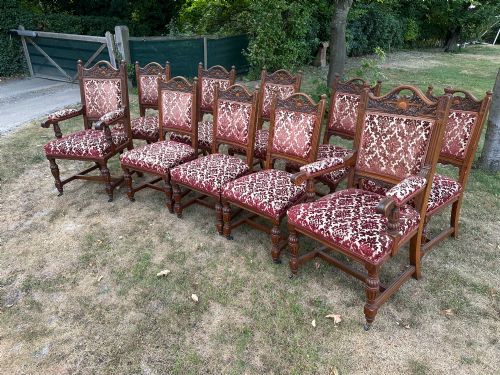
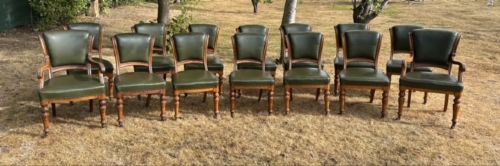
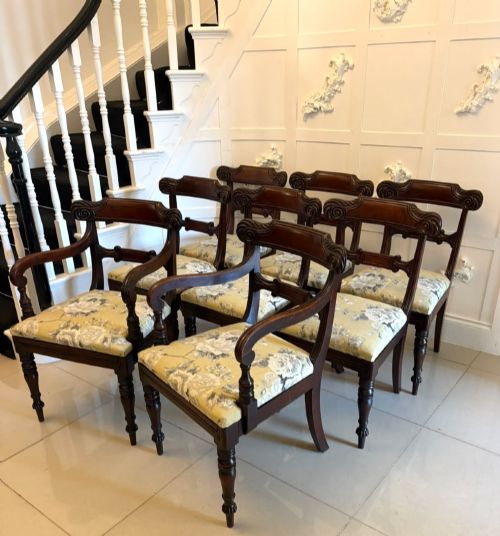
Turned leg carver armchairs and dining suites combine sturdy timber frames with dependable craftsmanship for daily seating.
Turned Leg Carver
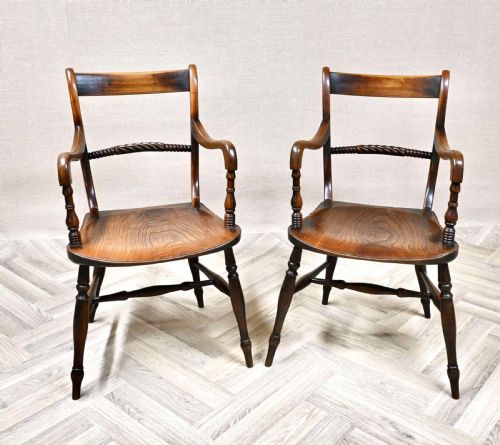
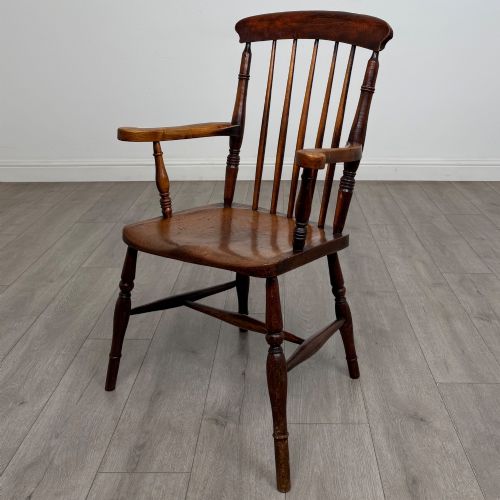
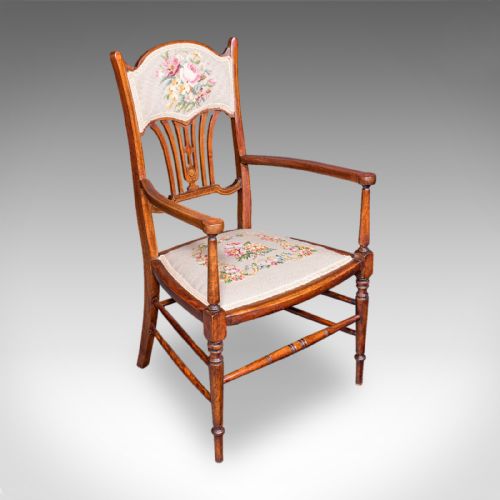
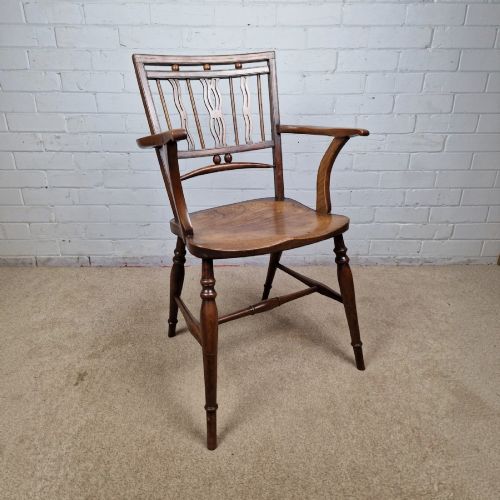
A turned leg carver represents a functional seating form designed with characteristic shaped supports and armrests, typically found in dining armchairs and Windsor variations. Buyers searching for a turned leg carver look for substantial wooden seating that bridges formal dining rooms and rustic country houses.
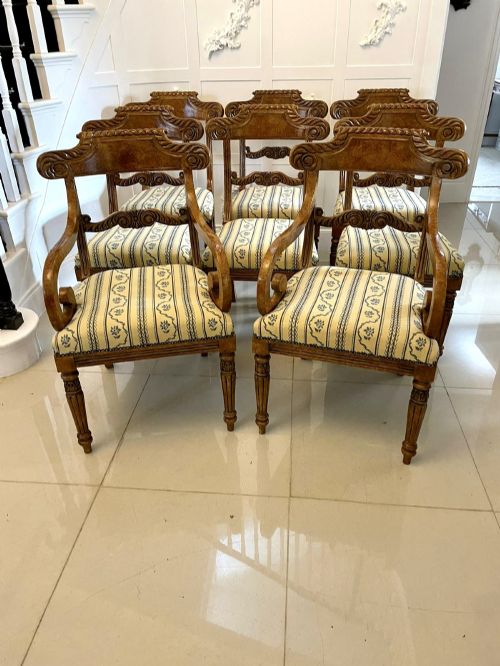
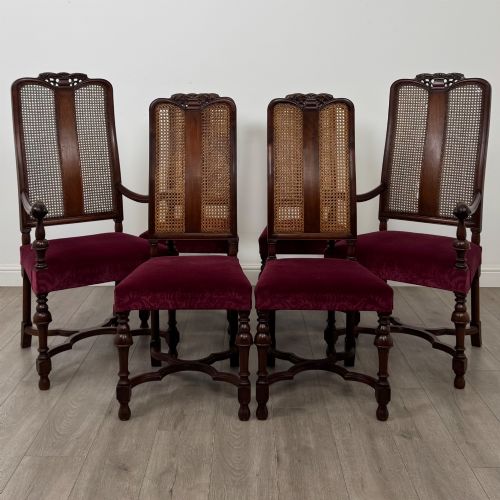
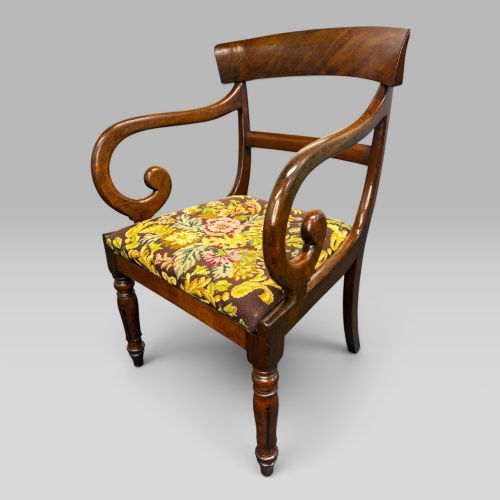
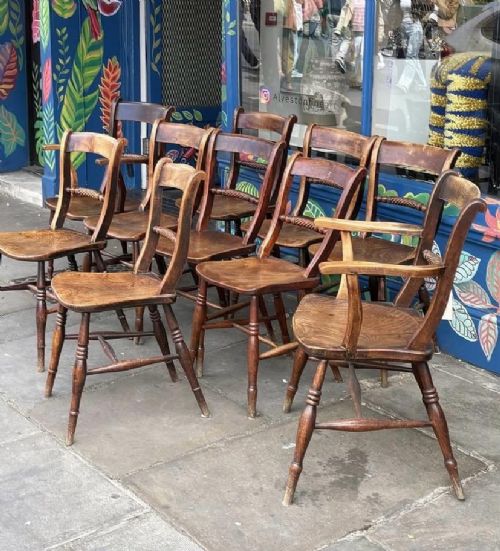
The selection on this page centres heavily on nineteenth century Victorian and Regency periods, alongside Edwardian examples and regional vernacular styles. You will encounter individual country armchairs alongside larger sets of dining chairs incorporating carvers.
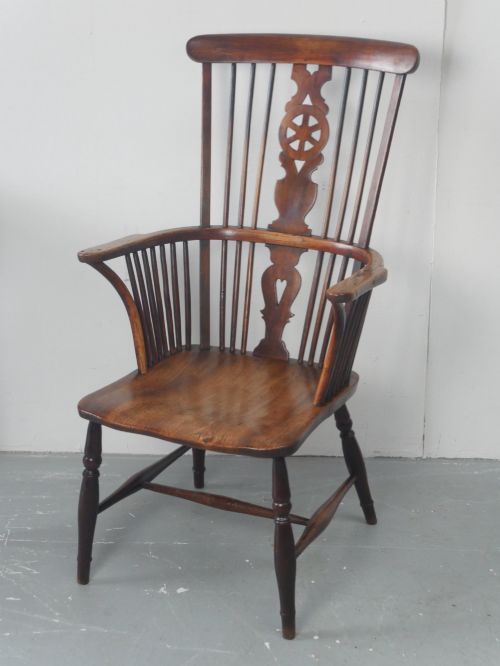
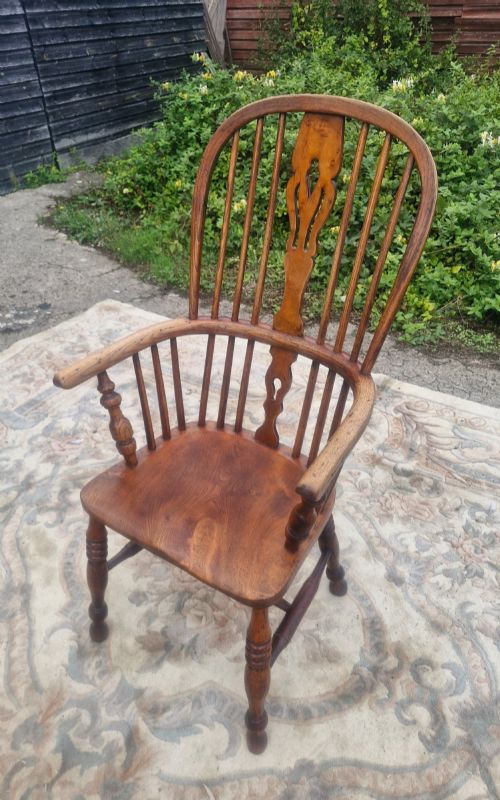
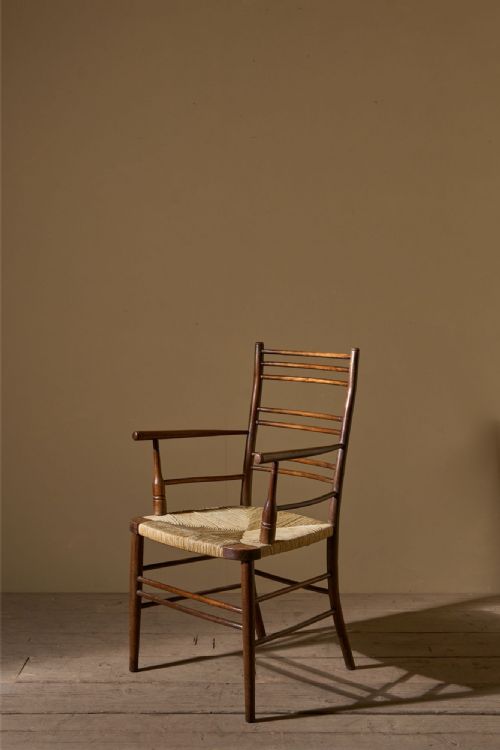
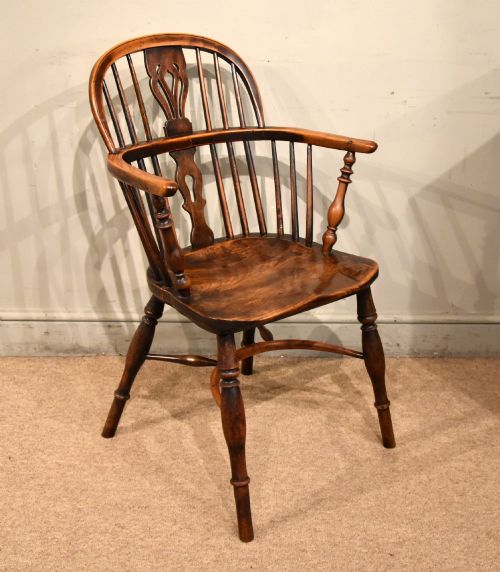
Common regional and traditional iterations include Windsor armchairs and high back kitchen chairs, utilising native timbers like elm, oak, ash and mahogany. These pieces served primarily as head-of-table seating or sturdy writing chairs.
Materials and Construction
Construction relies upon traditional cabinet-making methods, pairing solid hardwood frames in oak, mahogany, walnut or fruitwood with regional country timbers such as elm, ash, beech and yew. Turnery lathes shape the distinctive cylindrical or baluster legs and spindles.
Joints depend upon mortise and tenon construction, steam bending for curved components like hoops and armbows, and wedge-secured wedged tenons. Seat pads incorporate solid carved wood planking, woven rushes, leather or fabric upholstery.
Some provincial Windsor chairs retain the subtle tooth marks of the maker's workshop dog gnawing on the under-seat wedges.
Assessing Quality and Execution
Quality rests upon the selection of timber and the precision of the turnery work, distinguishing utilitarian workshop pieces from finely figured parlor seating. Superior examples demonstrate crisp definition in turned members and harmonious grain matching across solid timber components.
Structural integrity separates exceptional survivals from compromised examples, particularly regarding original limb connections and minimal replacement timber in high-stress areas like armbows and leg stretchers. Patina earned through honest age enhances the surface character of better pieces.
The Turned Leg Carver Glossary
- Carver
- An armchair designed with open arms, traditionally placed at the head of a dining table. These pieces match or complement the surrounding side chairs.
- Windsor
- A traditional wooden chair featuring a solid carved saddle seat into which the legs and back spindles are wedged directly. Regional variations include hoop backs and stick backs.
- Stretcher
- A horizontal wooden brace connecting the legs of a chair to provide rigidity and structural support. They frequently feature turned details.
- Elm
- A tough, interlocking-grained timber favoured for chair seats because it resists splitting when nailed or wedged. It forms a staple material of country vernacular seating.
- Mahogany
- A dense, stable imported hardwood prized during the Regency and Victorian periods for formal dining furniture and finely turned components.
Turned Leg Carver: Frequently Asked Questions
What is a carver chair?
A carver is an armchair designed to match a set of dining chairs, traditionally placed at either end of a dining table. The open arms distinguish it from standard dining chairs without arms.
Historically, these seats provided greater comfort for the host or head of the household during lengthy meals.
How do I identify a Windsor chair?
A Windsor chair is built with a solid wooden seat plinth where the legs and back spindles insert directly into drilled holes rather than a traditional frame. You will often see a bow-shaped back or a high stick back.
They rely on sturdy native woods like elm and ash for their construction.
What woods were used for these chairs?
Country pieces frequently utilise native timbers such as elm, ash, beech, fruitwood and yew. Formal dining carvers from the Regency and Victorian eras typically feature mahogany or oak.
Craftsmen selected each wood for specific properties, like using flexible ash for steam-bent bows and tough elm for solid seats.
How do I style a carver in a modern home?
A single wooden carver works effectively as a desk chair, a hallway accent piece or standalone seating in a living space. Pairing them with a modern table creates an eclectic, layered interior.
Their robust construction ensures they remain practical for daily use.