

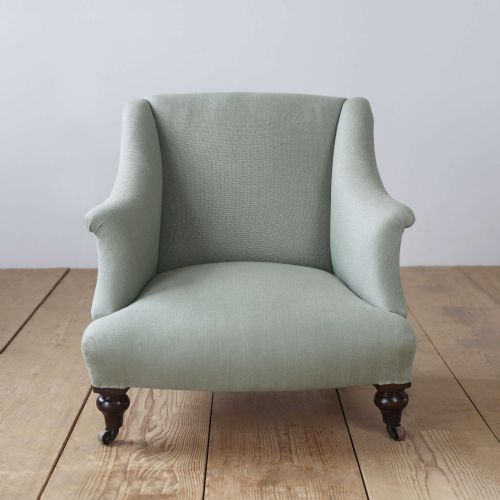
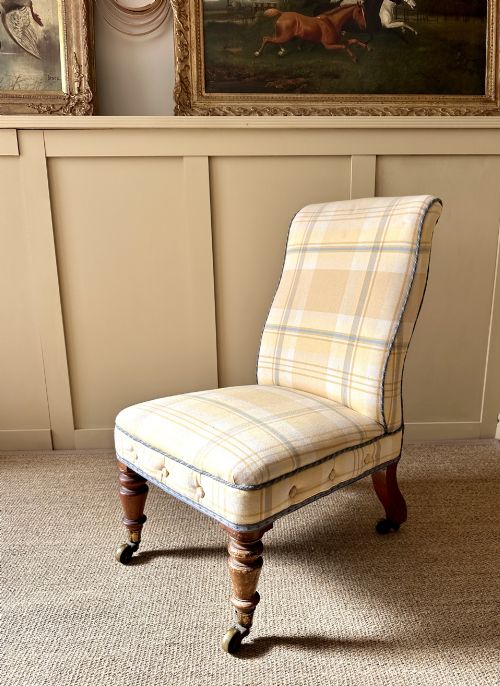
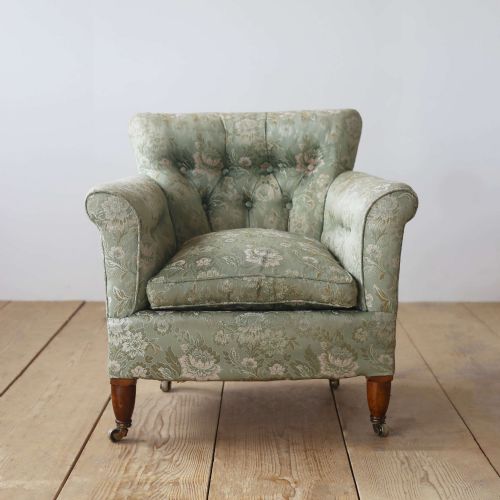
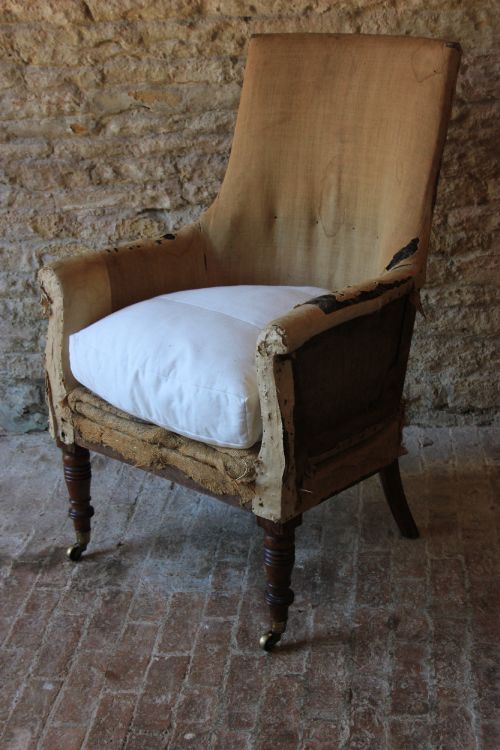
Turned Leg Armchair Brass Castors
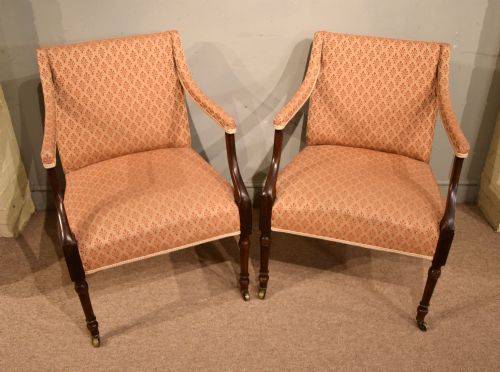
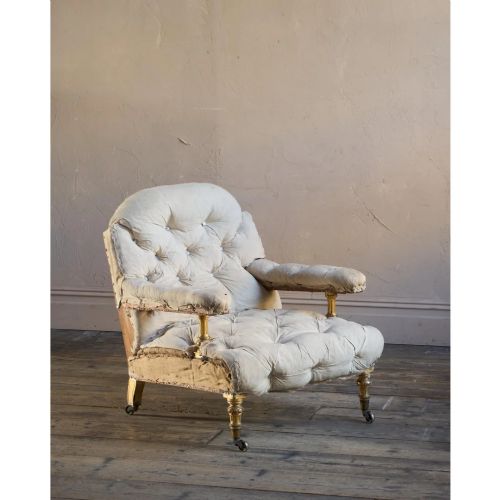
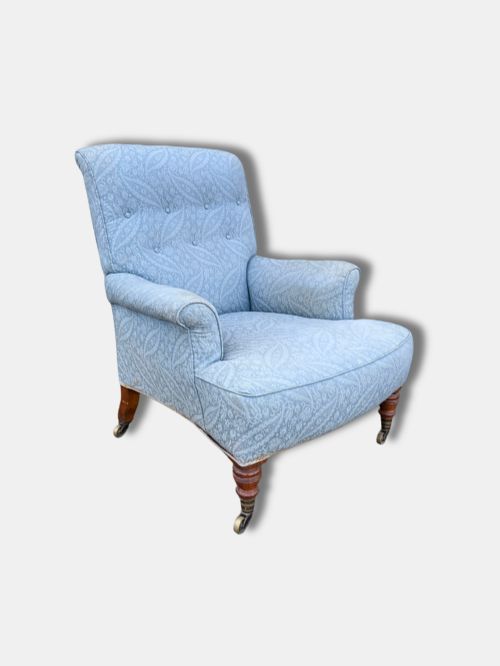
Turned leg armchair brass castors bring together solid nineteenth century seating and smooth mobility for daily use.
Turned Leg Armchair Brass Castors
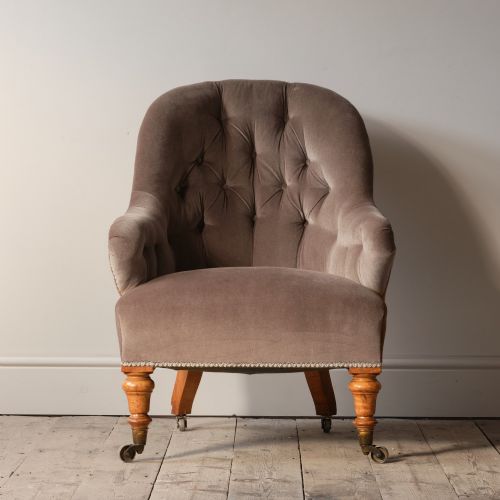
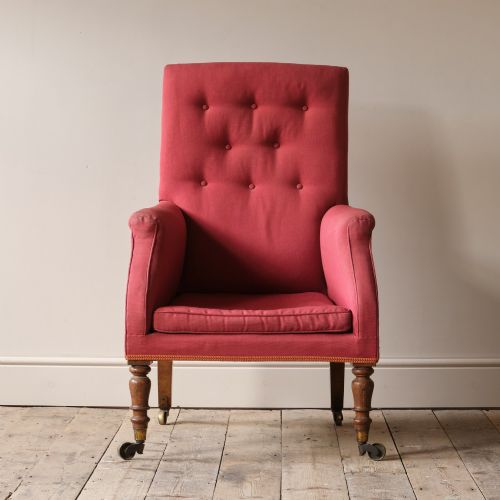
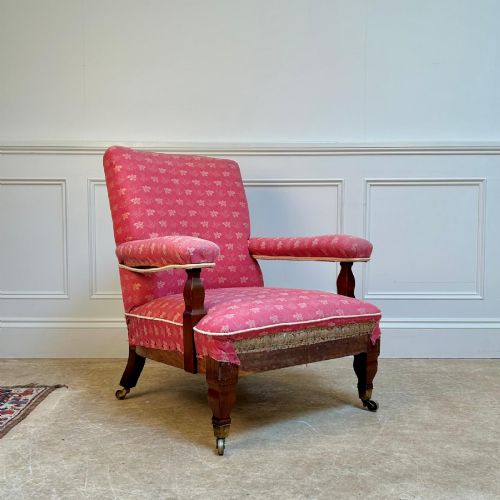
When you search for turned leg armchair brass castors, you find robust seating built during the nineteenth century across periods like the Victorian, Regency, and Georgian eras. These pieces appear as library chairs, country house armchairs, and club armchairs designed for deep comfort and stability.
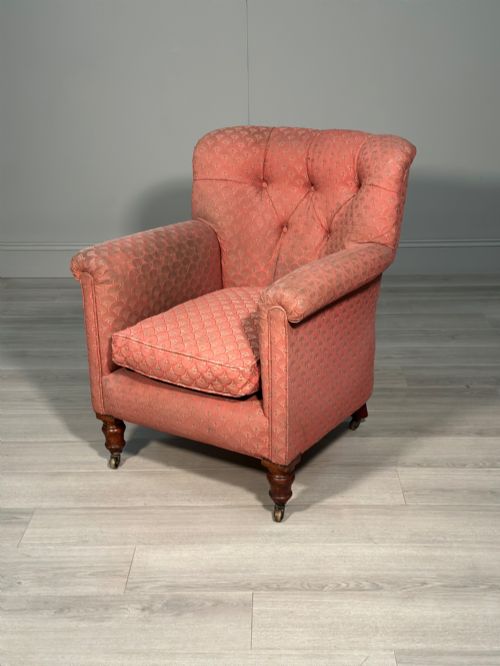
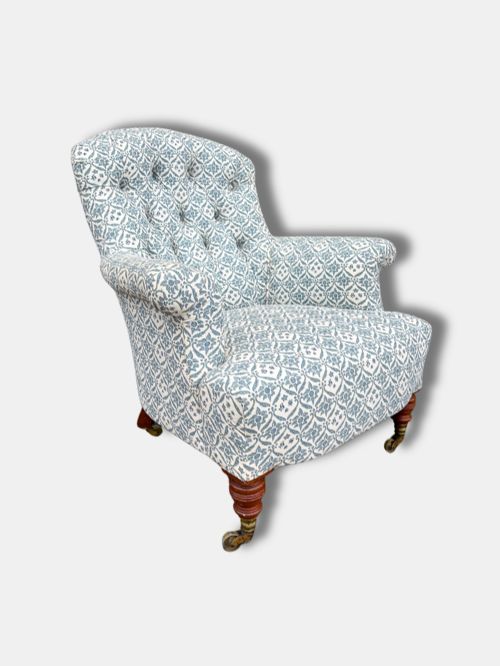
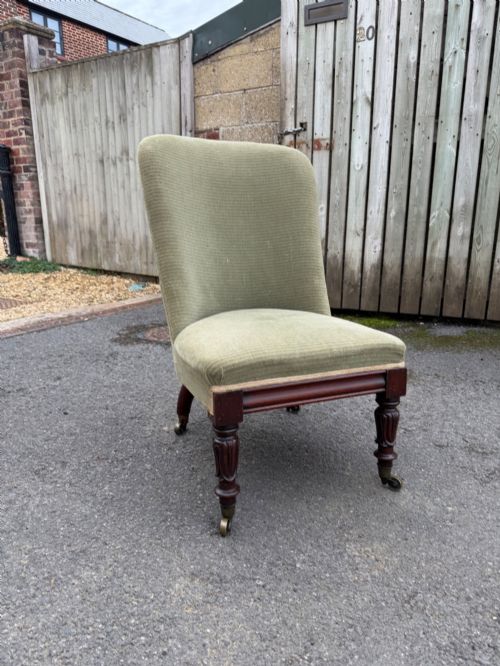
You are most likely to meet Victorian and nineteenth century examples on this page, often upholstered in fabrics such as calico, velvet, or hessian. The forms range from low slipper chairs to large library seating supported on distinct turned wooden legs.
Materials and construction
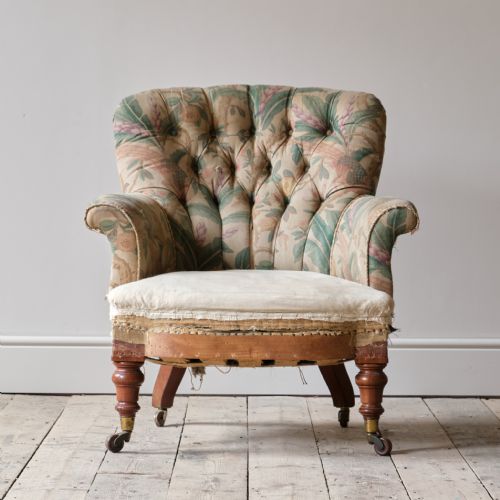
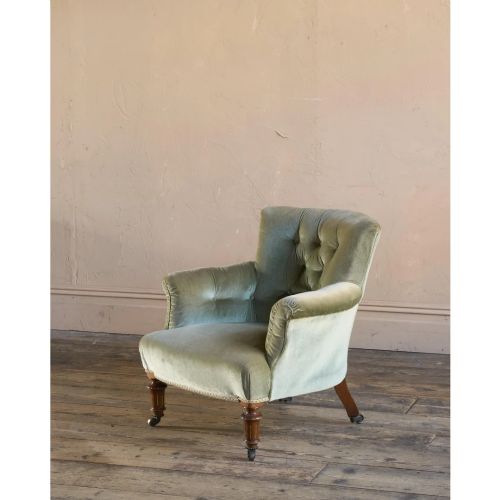
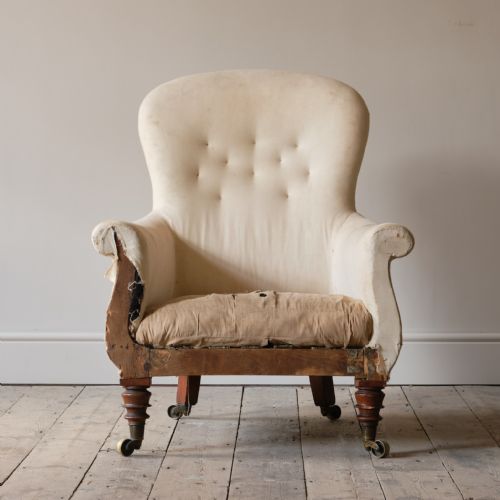
The frames rely on dense hardwoods like mahogany and walnut, shaped to form sturdy armchairs and library chairs. Turned wooden legs provide the primary support, finished at the base with brass castors to allow smooth movement across floors.
Upholstery materials include traditional fillings covered in fabric, calico, hessian, and velvet, sometimes finished with button backs or leather. Makers built these chairs for heavy daily use, combining visible timber frames with robust internal webbing and springs.
Turned Leg Armchair Brass Castors Retail Price Guide 2026
Typical asking prices for turned leg armchair brass castors among the pieces listed under this phrase on Sellingantiques today, from the lower quarter to the upper quarter. They describe what is for sale here now, not the wider market.
One chair arrives ready for action as a polished oak cockfighting chair in dark red leather.
Standards of execution
Quality separates simple utility seating from high workshop production through the crispness of the timber turning and the finish of the brass castors. Better examples show careful joinery in the mahogany or walnut frames and balanced proportions in the arm supports.
The distinction also lies in the integrity of the original frame structure and the quality of the materials used in the upholstery. Pieces bearing maker stamps or attribution reflect higher standards of period craftsmanship.
Howard and Sons·George Jack For Morris·Gillows·Hampton and Sons·Miles and Edwards·William Birch
The Turned Leg Armchair Brass Castors Glossary
- Castor
- A small wheel mounted on a swivel attached to the foot of a leg for mobility. These are frequently made of brass on nineteenth century seating.
- Turned leg
- A wooden support shaped on a lathe to create cylindrical or decorative profiles. This method defines the lower section of many nineteenth century armchairs.
- Library chair
- A heavy, deep seated armchair designed for reading rooms and studies. They often feature upholstered arms and sturdy wooden frames.
- Calico
- A plain woven cotton fabric used as a tight foundational upholstery layer beneath outer covers. Many antique chairs retain this under-material.
Turned Leg Armchair Brass Castors: Frequently Asked Questions
What periods do these armchairs come from?
The listings span the nineteenth century, including Georgian, Regency, William IV, Victorian, and Edwardian eras. Most examples date from the mid to late nineteenth century.
Maker styles and specific decades such as the eighteen eighties and eighteen nineties appear frequently across the available chairs.
What woods are used for the frames?
Frames are constructed predominantly from mahogany and walnut, alongside polished oak and other hardwoods. These durable timbers provide the structural strength needed for heavy armchairs.
Visible show frames often highlight the grain and colour of the mahogany or walnut used by the maker.
How do brass castors function on these chairs?
Brass castors are fitted to the bottom of the turned wooden legs to make heavy library and country house armchairs easy to move across carpets and floorboards.
They combine a brass collar or capper with a small wheel, allowing the chair to glide smoothly without damaging the floor.
What types of upholstery do they feature?
Upholstery ranges from plain calico and hessian foundations to finished outer coverings in velvet, leather, and kilim fabric. Button back designs and deep sprung seats are common.
Many chairs retain traditional fillings and covers that reflect their Victorian or Edwardian origins.