
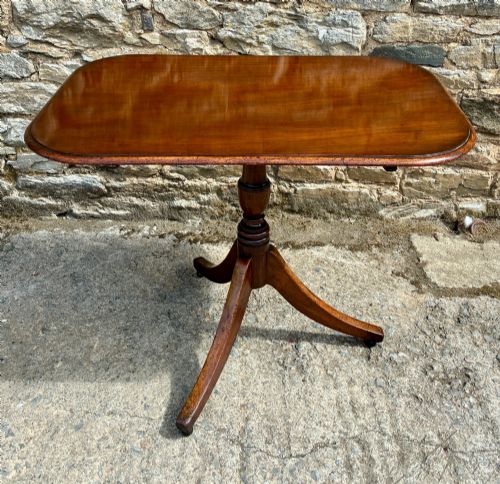
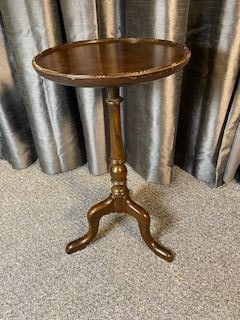
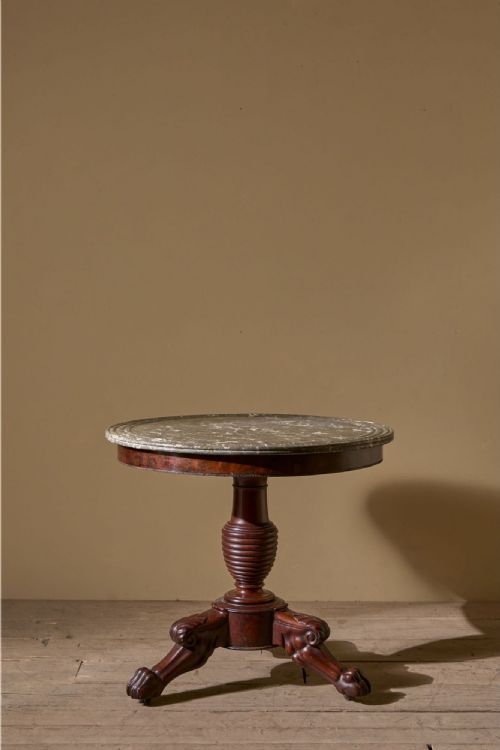
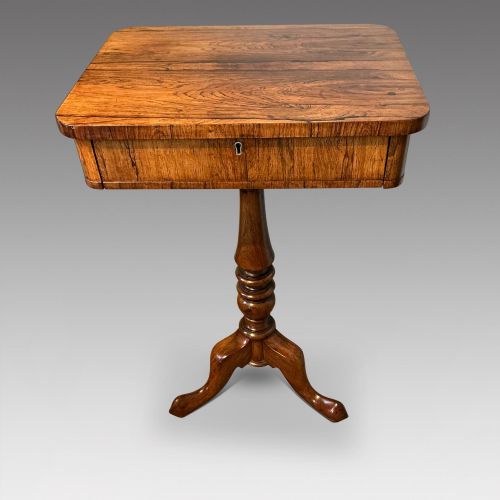

Turned Column Occasional Table
Turned column occasional table designs offer compact utility, and you will find examples in mahogany, oak, and walnut across Georgian and Victorian periods.
Turned Column Occasional Table
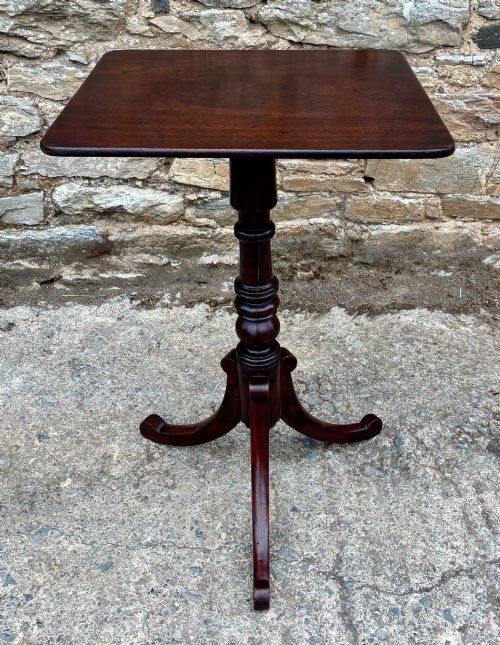
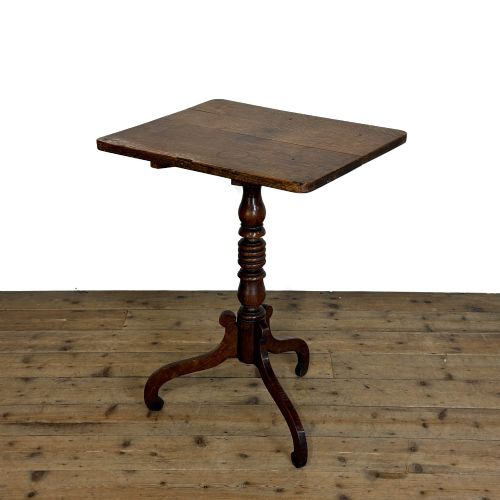
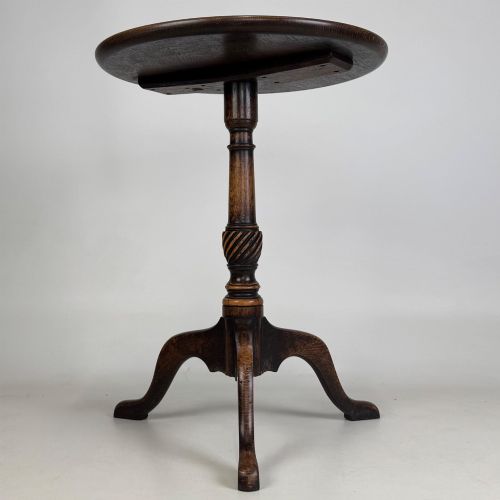
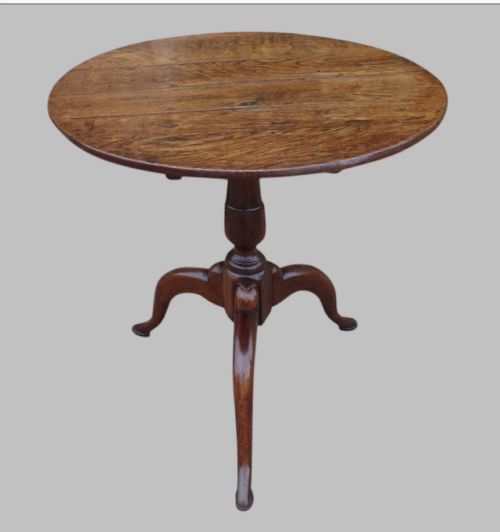
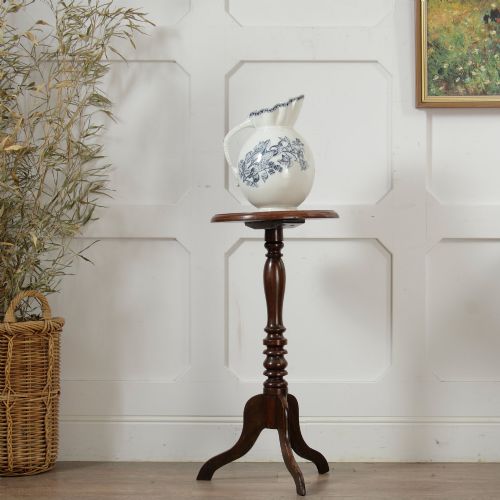
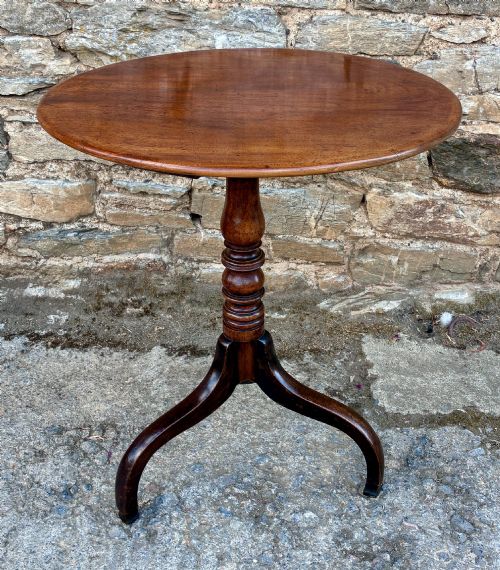
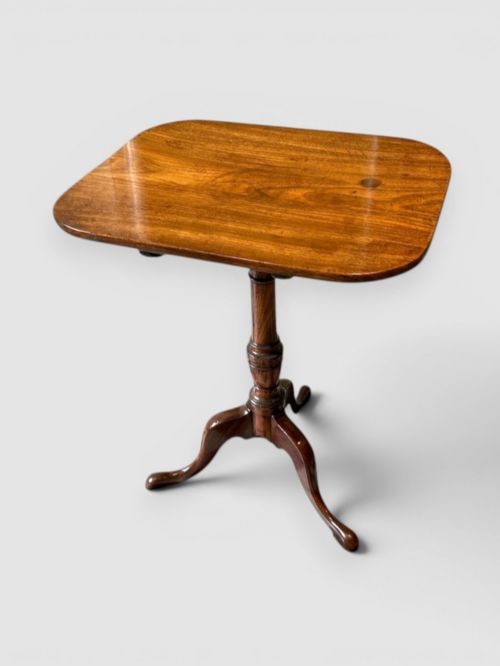
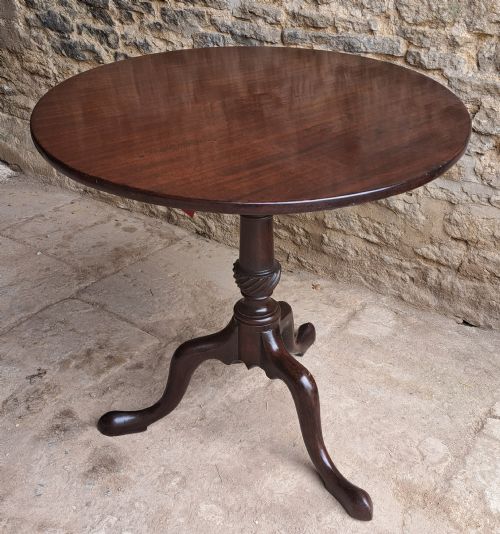
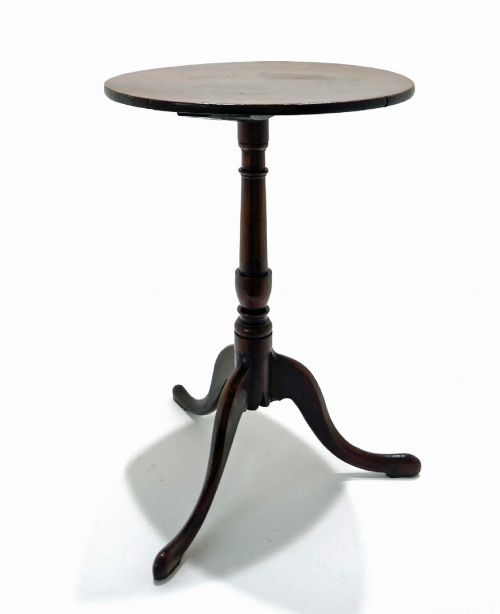
A turned column occasional table provides a small surface supported by a central pillar, frequently resting on a tripod base of three legs. When you search for a turned column occasional table, you encounter diverse forms including wine tables, lamp tables, and tilt-top pedestals from 18th century, Regency, and Victorian periods.
The format serves versatile household needs, functioning historically for serving wine or holding lamps. Mahogany and oak dominate the pieces seen here, alongside examples in walnut, rosewood, and yew.
Materials and construction methods
Joiners and cabinet makers shaped dense hardwoods like mahogany, oak, and walnut on lathes to create the central turned columns, often pairing them with solid timber tops or marquetry veneers. Tripod legs were typically joined to the pillar using dovetail or tenon joints to ensure stability.
Many examples feature tilt-top mechanisms utilising brass catches, allowing the tabletop to fold vertically when not in use. Secondary woods provide internal structural support beneath tabletops and within pedestal bases.
Listings span oak, mahogany, walnut, burr walnut, rosewood, and yew timbers across Georgian, Regency, and Victorian eras.
Distinctions in quality and execution
Quality rests upon the selection of timber and the precision of the turning on the central column. Superior examples display crisp detail in the turned mouldings and well-proportioned legs that terminate cleanly in pad or spade feet.
Construction details such as tight joints on the tilting mechanism and book-matched veneers on burr walnut tops separate finer workshop output from simpler vernacular pieces.
Shoolbred
The Turned Column Occasional Table Glossary
- Tilt-top
- A tabletop mounted on a catch mechanism that allows it to pivot vertically for storage against a wall when not in use. This clever design saved space in period parlours.
- Tripod base
- A support structure comprising three legs radiating from a central pillar. It prevents wobbling on uneven floors.
- Gueridon
- A small ornamental table, often French in origin, designed to hold a light source or decorative object. The form became popular in British interiors during the 19th century.
- Veneer
- A thin sheet of decorative wood applied to a secondary timber base. Burr walnut and mahogany veneers added rich figuring to tabletop surfaces.
- Boxwood-stringing
- A narrow inlay of contrasting light boxwood set into darker wood surfaces. It provides a crisp border line around table edges.
Turned Column Occasional Table: Frequently Asked Questions
What is a turned column occasional table used for?
These pieces served historically as moveable surfaces for holding wine glasses, lamps, or small decorative items beside seating furniture.
Today, they function as compact side tables in living rooms or hallways where floor space is limited.
How do I identify a Georgian turned column occasional table?
Georgian examples often feature rich mahogany timber, birdcage mechanisms for tilting the top, and slender turned pedestals ending in simple pad or snake feet.
Proportions tend to be elegant and understated, reflecting the prevailing cabinet-making styles of the 18th century.
What is the difference between a wine table and a lamp table?
Wine tables traditionally featured smaller circular tops designed specifically to hold a bottle and glasses during evening gatherings. Lamp tables emerged later as artificial lighting required stable surfaces for oil lamps or early electric fixtures.
Both share the central turned column format but vary slightly in top dimensions.
Why do some tabletops tilt?
The tilting mechanism allowed the tables to be stored flat against a wall or in a corner when the room needed to be cleared for other activities.
This space-saving feature was essential in domestic interiors before permanent furniture layouts became standard.