
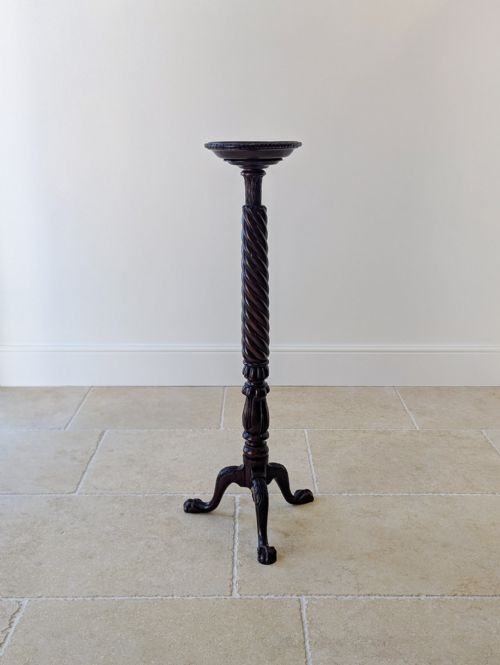
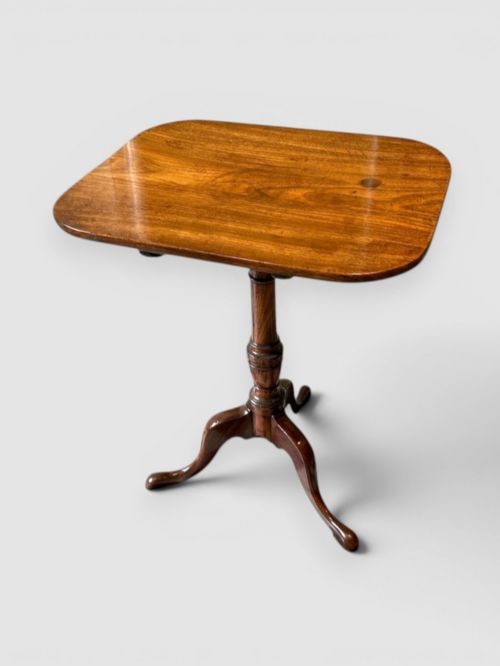
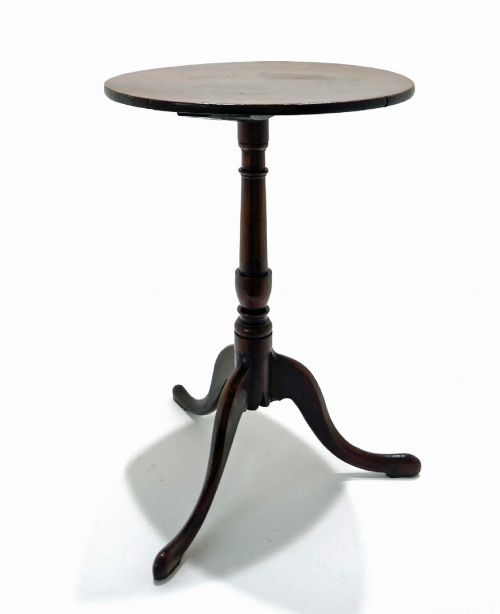
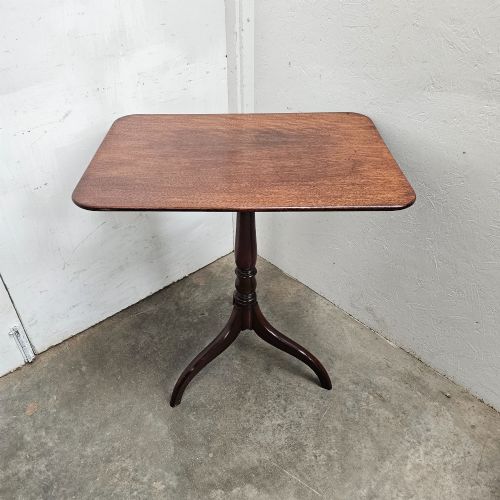


Turned Column Candle Stand
A turned column candle stand brings compact elegance and historical utility to any room, offering a sturdy raised platform for illumination or display.
Turned Column Candle Stand
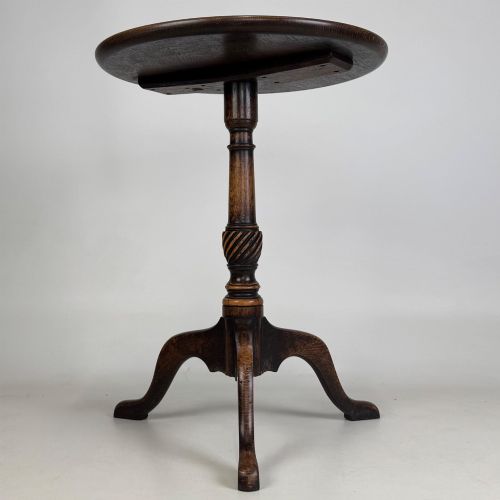
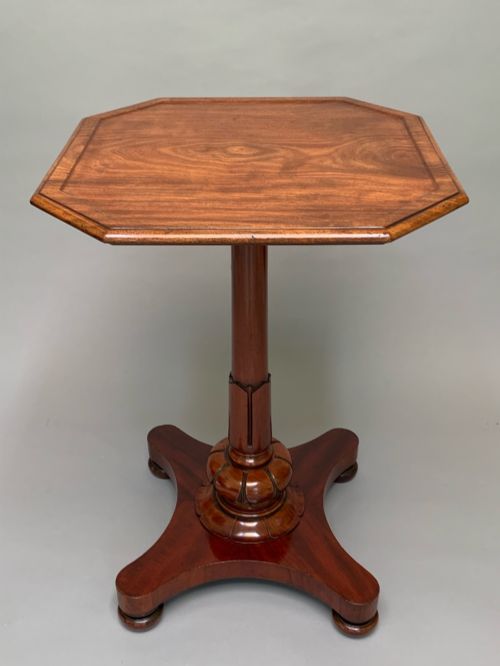
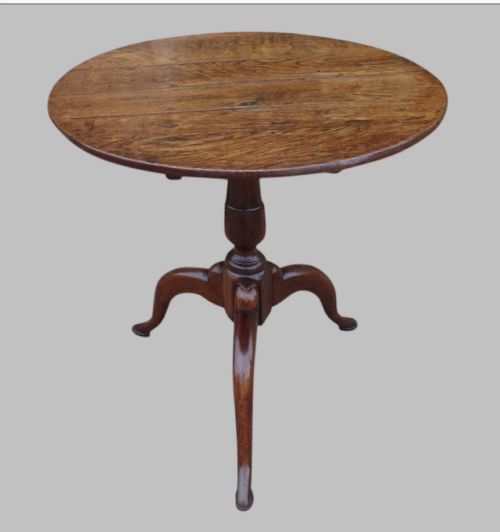
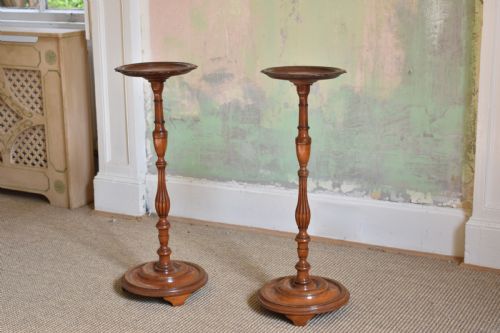
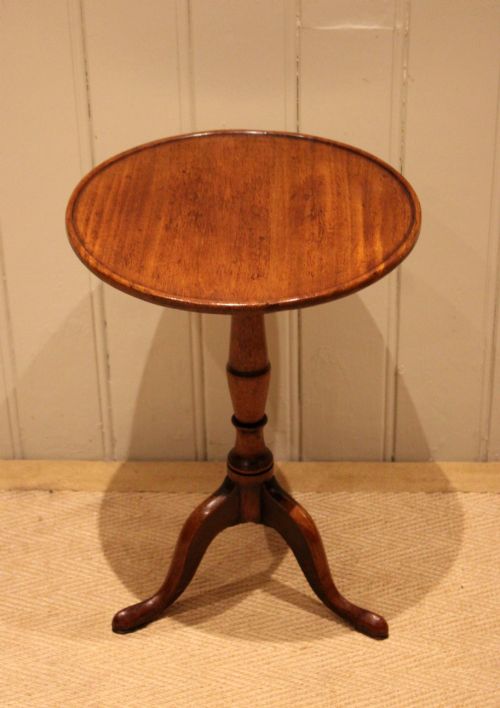
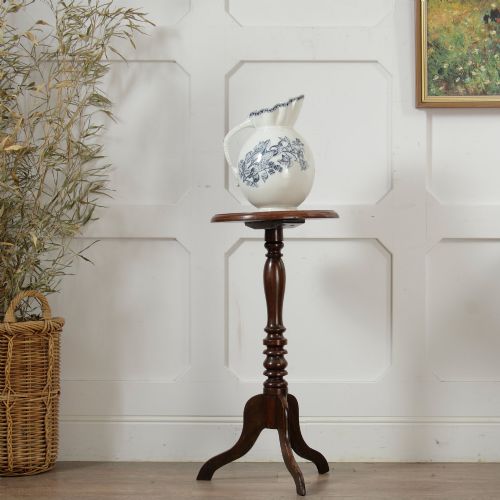
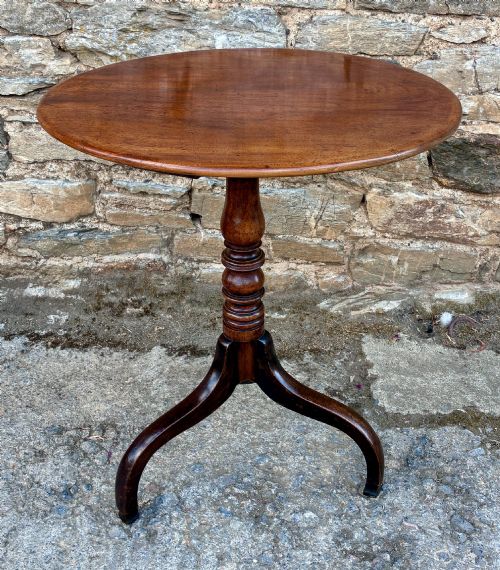
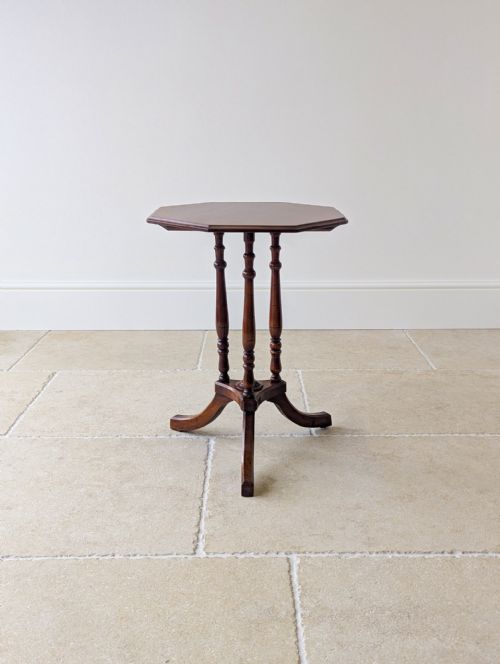
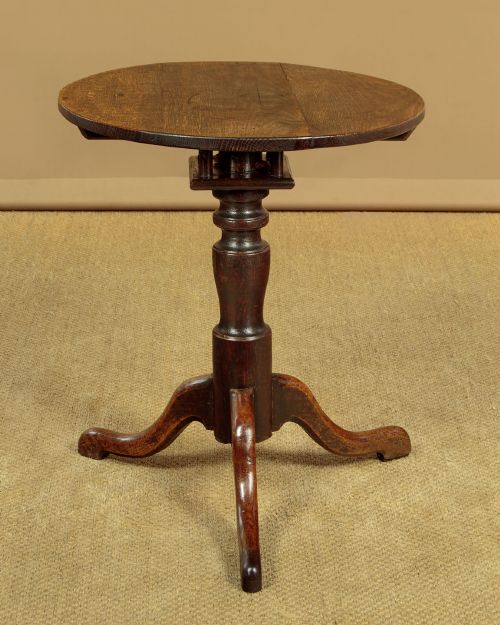
A turned column candle stand is a practical piece of antique furniture designed to elevate light sources or small objects above the floor. When searching for a turned column candle stand, buyers typically encounter sturdy tripod tables, slender torchères, and compact occasional tables originating from the eighteenth and nineteenth centuries. These pieces serve flexible roles in modern interiors as lamp tables or plant stands.
The selections span distinct historical eras including the Georgian, Regency, and Victorian periods. Most examples employ robust timbers like mahogany, oak, and yew, often featuring circular or tilt-top surfaces supported by a central turned pillar. Vernacular country pieces sit alongside refined revival styles to provide diverse aesthetic options.
Materials and construction methods
Cabinetmakers constructed these supports primarily using dense hardwoods such as mahogany, oak, and yew, frequently incorporating secondary woods like satinwood or boxwood for stringing and inlay. Timber selection dictated the weight and durability of the central pillar, which was shaped on a lathe to achieve crisp mouldings and slender profiles.
Construction techniques rely heavily on traditional joinery, including pegged tenons and dovetails, alongside sturdy three-legged tripod bases that ensure stability on uneven floors. Many examples incorporate tilt-top mechanisms using brass catches, allowing the surface to fold away flat when not in use.
A clever birdcage mechanism lets the tabletop tilt and spin simultaneously, perfect for dodging clumsy eighteenth-century elbows.
Markers of quality and craftsmanship
Quality in these stands rests upon the crispness of the lathe work on the central column and the proportional harmony between the top, the shaft, and the legs. Superior examples display precise hand-turned details without tear-out in the grain, alongside well-balanced tripod bases where the curvature of the legs flows naturally from the block.
The choice of timber and surface finishing further distinguishes finer pieces. Desirable items utilise richly figured mahogany, quarter-sawn oak, or striking yew wood with patination built up over centuries of gentle polishing, rather than flat or lifeless modern finishes.
The Turned Column Candle Stand Glossary
- Tripod table
- A small occasional table supported by a central pillar resting on three legs. This design became immensely popular during the eighteenth century for its stability on uneven domestic floors.
- Torchère
- A tall, slender stand designed specifically to hold a candlestick or lamp. These pieces often feature highly decorative turned or carved columns.
- Tilt-top
- A hinged table mechanism allowing the circular or rectangular top to pivot vertically. This clever engineering saved valuable floor space when the furniture was not actively in use.
- Vernacular
- Everyday domestic furniture made by regional carpenters rather than high-end metropolitan cabinetmakers. These country pieces often utilise local timbers such as oak and yew.
- Turned column
- A cylindrical wooden shaft shaped on a revolving lathe using chisel cutting tools. It forms the central structural support for the tabletop.
Turned Column Candle Stand: Frequently Asked Questions
What is a turned column candle stand used for today?
These versatile stands function brilliantly in modern homes as compact lamp tables, bedside surfaces, or elevated pedestals for displaying houseplants and decorative objects. Their small footprint makes them ideal for filling awkward corners or tight spaces.
Historically designed to hold candles or oil lamps, their raised platforms lift illumination and objects to a convenient height beside seating areas without cluttering the room.
How do I date an antique candle stand?
Dating relies heavily on examining the timber species, construction joinery, and the stylistic turning profile of the central column. Georgian examples often feature slender, elegant proportions in mahogany, while earlier eighteenth-century pieces lean towards robust country oak.
Tool marks left by hand-sawing and lathe work provide further clues. Machine-sawn components and standardised modern screws generally indicate a later nineteenth-century or revival date.
What is the difference between a candle stand and a wine table?
While both terms frequently describe small circular tripod tables from the eighteenth and nineteenth centuries, candle stands traditionally emphasised height and slender proportions for lighting. Wine tables were generally built slightly lower to hold glasses and bottles beside a chair.
In practice, makers and historic owners often used these terms interchangeably. Many tilt-top tables fulfilled multiple domestic purposes depending on the hour of the day.
Are tilt-top mechanisms original on these tables?
Tilt-top mechanisms on antique tripod tables are usually original to the piece, consisting of a wooden birdcage or a shaped block with a brass catch. Examining the pivot point and surrounding wood wear helps confirm authenticity.
Replacing hinges or catches was common over centuries of domestic use. Original mechanisms show matching patination and appropriate wear patterns around the pivot pins.