




Georgian Style Torchere Stand
A georgian style torchere stand is a tall, slender display piece designed for candles or plants, bringing height and classical proportion to a room.
Georgian Style Torchere Stand
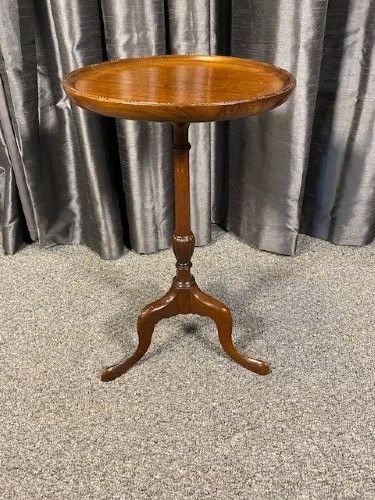
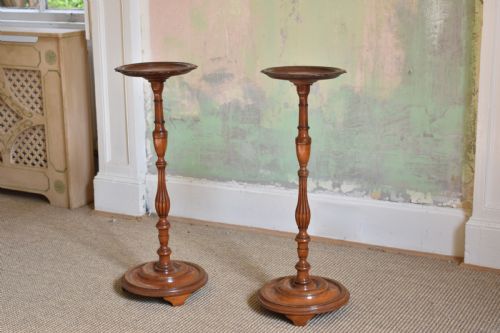
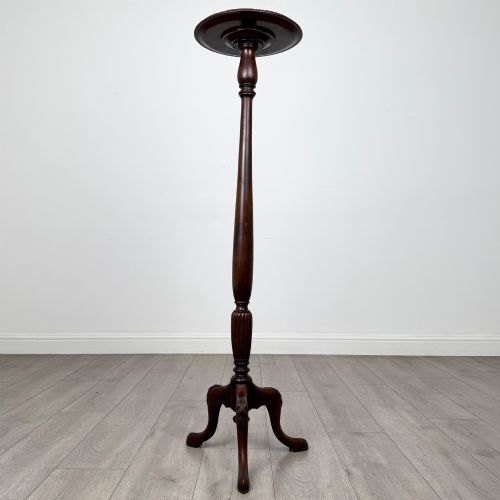
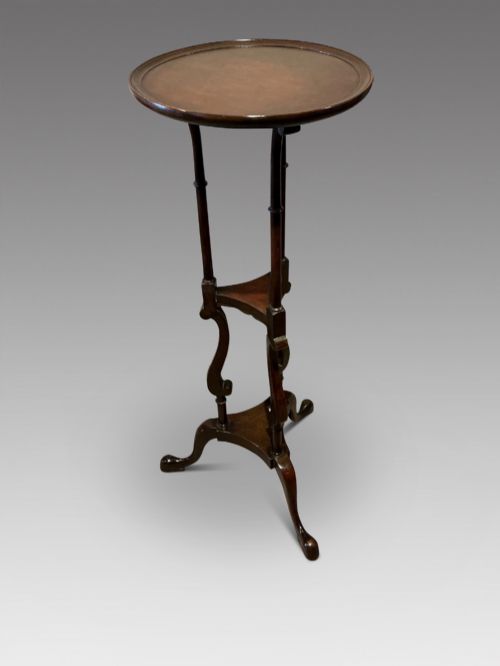
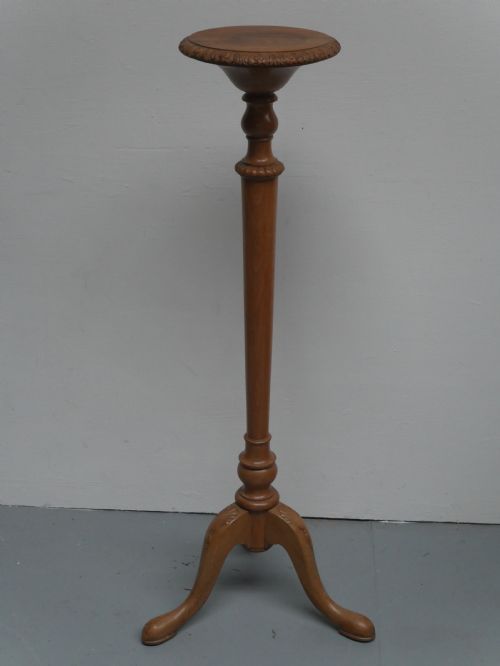
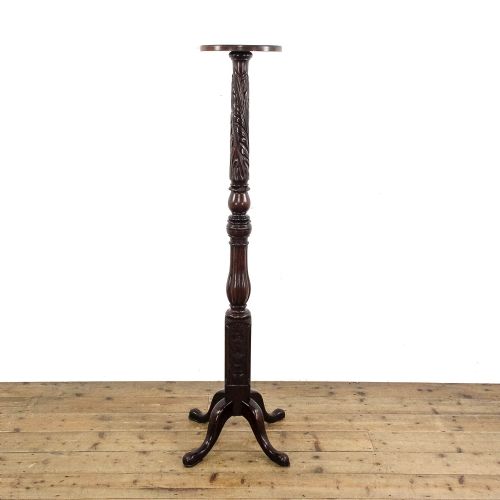
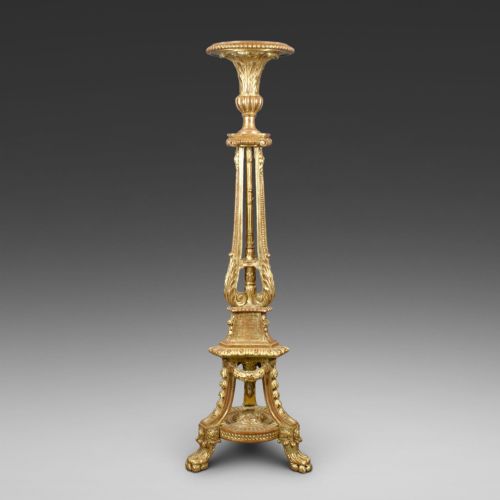
When you examine a georgian style torchere stand, you encounter tall, vertical display pieces that serve as plant stands, candle stands, and pedestals. The selection spans genuine Georgian periods alongside later Georgian Revival and Edwardian interpretations.
The form typically manifests as a slender column or pillar raised on a tripod or moulded base, designed to elevate decorative items rather than bear heavy loads. Mahogany dominates the examples present here, accompanied by walnut, satinwood, and gilt wood.
Makers across the nineteenth and twentieth centuries adapted these proportions into occasional tables and tall display stands. You will frequently find pieces designated as plant stands and torcheres sharing identical architectural profiles.
Materials and construction methods
Cabinetmakers relied on dense timbers such as mahogany and walnut to achieve the slender structural integrity required for tall columns. These woods allowed for crisp turning, fine fluting, and sturdy pillar supports without excessive bulk.
Decorative surface techniques include satinwood inlay, floral marquetry, and gesso applied to carved wood bases. Gilt wood variants utilise thin metal leaf layers over a prepared base to create reflective neoclassical surfaces.
Distinctions in craftsmanship
Quality reveals itself in the proportion of the turning and the stability of the base. Finer examples display crisp hand-carving along the column and secure joints where the shaft meets the tripod feet.
The choice of timber and the precision of inlaid details separate standard production from superior workshops. Finely figured mahogany grain and meticulous marquetry elevate the visual weight of these narrow stands.
The Georgian Style Torchere Stand Glossary
- Torchere
- A tall, freestanding stand originally intended to hold a torch or candle. Modern adaptations frequently function as plant or bust pedestals.
- Marquetry
- Decorative veneer work arranged in pictorial or geometric patterns using various coloured woods. This technique adorns the tops and columns of finer stands.
- Tripod base
- A three-legged support structure commonly found on tall stands to provide stability on uneven floors. These legs often terminate in pad or claw feet.
- Gesso
- A plaster-based material applied to wood surfaces and carved or gilt. It provides a smooth ground for gilding on neoclassical pieces.
- Fluting
- Parallel concave grooves cut vertically into the column shaft. This classical detail draws the eye upward along the height of the stand.
Georgian Style Torchere Stand: Frequently Asked Questions
What is a torchere stand used for?
These tall stands traditionally elevated lighting devices to illuminate dark corners of a room. Today, they serve primarily as display pedestals for potted plants, decorative urns, and sculptural busts.
Their elevated position draws the eye upward and adds vertical interest to empty wall spaces without occupying significant floor area.
How do I date a torchere stand?
Dating relies on timber selection, construction methods, and stylistic revival cues. Pieces from the original Georgian era display hand-cut joinery and period-specific carving techniques.
Later Victorian and Edwardian revival pieces often utilise machine-sawn components while faithfully copying eighteenth-century proportions and decorative motifs.
Where should I place a torchere stand?
A torchere stand fits naturally into corners, beside fireplaces, or framing doorways and large windows. Their slender footprint allows them to occupy tight spaces where a standard table would not fit.
Ensure the stand rests on level ground to maintain stability, particularly when displaying delicate ceramics or heavy plants.
What is the difference between a torchere and a plant stand?
While historic terminology separated lighting stands from display furniture, modern usage treats the terms interchangeably. Both describe tall, narrow pedestals designed to elevate objects above floor level.
Many pieces listed under this category fulfil both functions depending on the preference of the owner.