
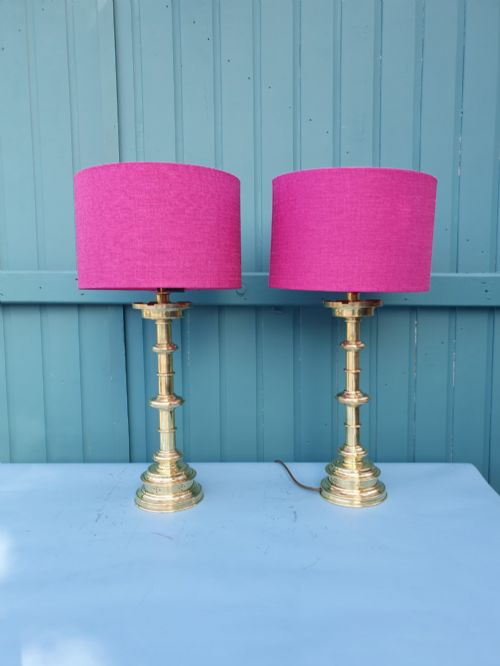


Turned Column Bedside Tables
Turned column bedside tables bring robust architectural forms and rich timber or metalwork directly to the domestic bedside.
Turned Column Bedside Tables
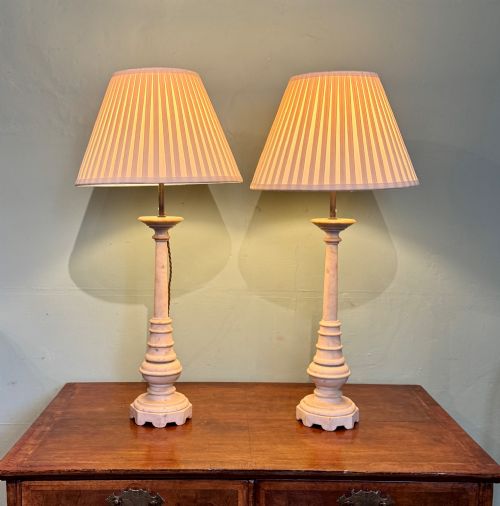
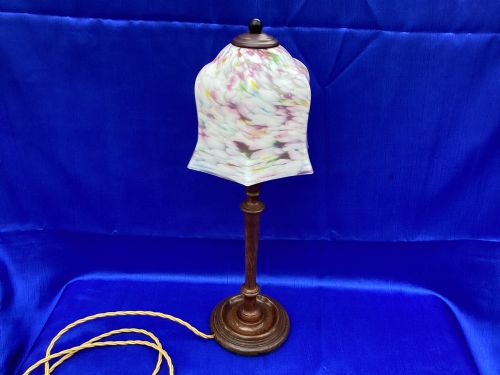
Turned column bedside tables comprise compact bedside cabinets, cupboards, and lampstands featuring distinct cylindrical supports formed on a lathe. The items on this page span the Victorian era, the Edwardian period, and the 1920s, reflecting diverse historical tastes.
Buyers searching for turned column bedside tables frequently encounter practical bedside cupboards in mahogany, oak, and walnut, alongside elevated lampstands and occasional tables. These pieces combine functional surface space with decorative turned wood or brass columns.
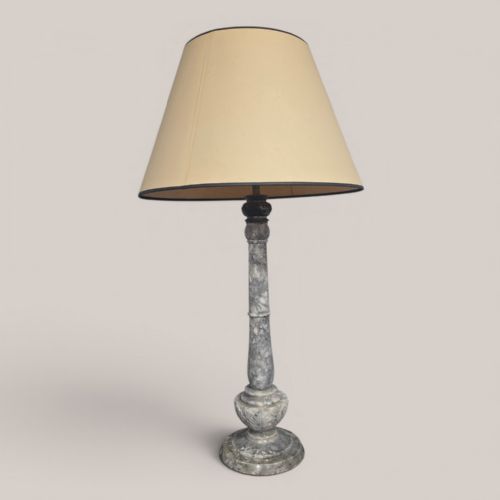
Origins range across English, French, and Anglo-Indian workshops, demonstrating how makers adapted classical column motifs for domestic sleeping quarters. Solid timbers and polished marble tops frequently accompany the turned supports across these domestic forms.
How they were made
Cabinet makers utilised dense hardwoods such as mahogany, oak, and walnut, turning upright columns on a lathe to achieve uniform cylindrical profiles. Joints were typically joined using traditional woodworking techniques to ensure stability under daily use.
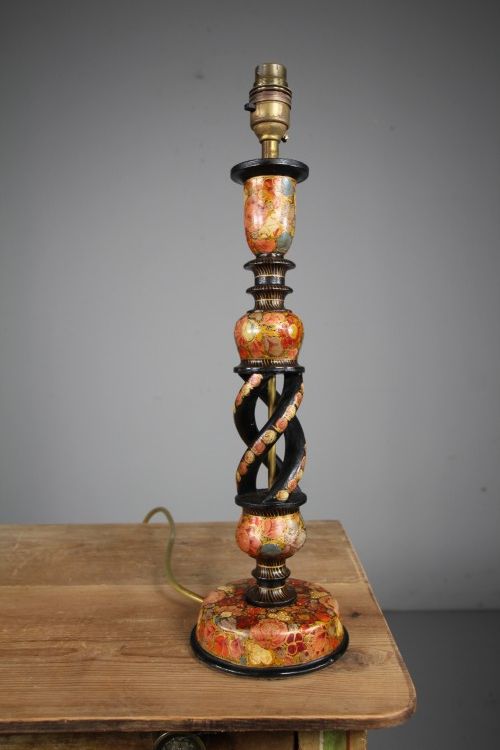
Surface finishing involved polishing the timber to enhance natural grain patterns, while auxiliary elements incorporated brass mounts, glass components, and white marble inset tops. Selected examples feature hand-painted decoration applied directly to the wooden structure.
Early makers occasionally turned columns so slender they required hidden internal metal rods just to stay upright.
What varies in quality
Quality rests in the precision of the lathe work on the columns and the selection of dense, well-figured timber for the main body. Superior examples display crisp architectural detailing and tight joinery throughout the carcass and legs.
The integration of secondary materials such as polished marble tops and solid brass mounts distinguishes finer constructions from simpler utilitarian pieces. Original hardware and sound structural integrity elevate the overall standard of the item.
The Turned Column Bedside Tables Glossary
- Turned column
- A structural support shaped on a rotating lathe to create cylindrical, fluted, or spiral profiles. This decorative element provides vertical emphasis to furniture and lighting.
- Bedside cabinet
- A small enclosed storage unit positioned beside a bed, frequently featuring a cupboard door and a flat top surface. These forms often incorporate architectural columns at the corners.
- Mahogany
- A durable, reddish-brown tropical hardwood prized for stability and fine grain, commonly utilised in 19th-century furniture. It takes a high polish and resists warping.
- Marble top
- A polished stone slab fitted to the upper surface of a table or cabinet to provide a heat-resistant and decorative finish. White and variegated stone types appear frequently on French and English pieces.
Turned Column Bedside Tables: Frequently Asked Questions
Are these tables sturdy enough for daily use?
Solid timber construction and traditional joinery provide the inherent strength needed for everyday bedside placement.
Heavier items incorporating marble tops offer substantial stability, though care should be taken with surface moisture on unsealed wood.
How do I identify the period of a bedside table?
Period attribution relies on timber choice, construction methods, and stylistic cues such as Victorian proportions or 1920s secular simplicity.
Hardware styles and secondary woods hidden inside drawers further assist in dating each piece accurately.
Can these cabinets fit in small bedrooms?
Compact footprints make these bedside cabinets suitable for smaller sleeping quarters without sacrificing surface utility.
Vertical turned columns draw the eye upward, creating a sense of height rather than bulk in restricted spaces.
What maintenance do polished wood surfaces require?
Routine dusting with a soft, dry cloth preserves the polished finish of mahogany, oak, and walnut furniture.
Occasional application of appropriate wax feed helps nourish the timber and protects against dry indoor atmospheres.