


Pair French Walnut Cabinets
When you search for pair french walnut cabinets, you find matching sets of bedroom and occasional furniture designed for symmetry beside a bed or in a salon.
Pair French Walnut Cabinets
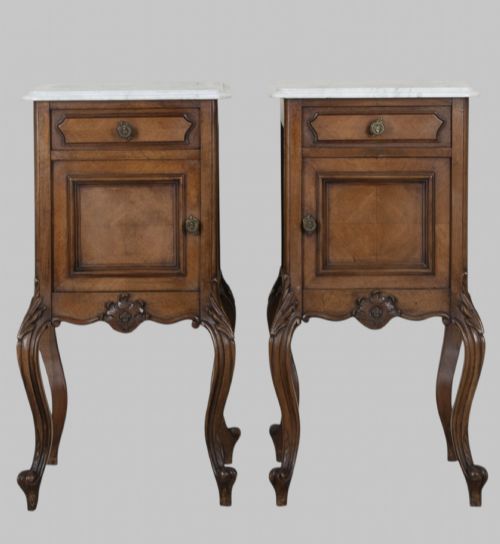
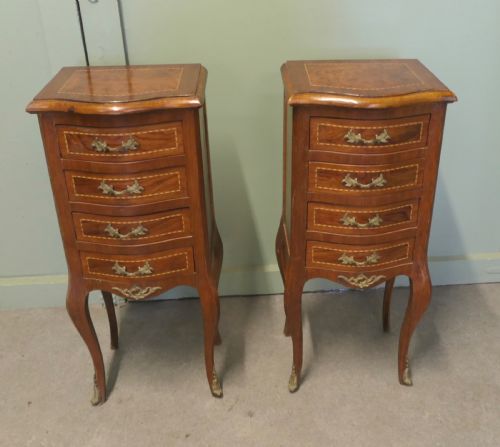
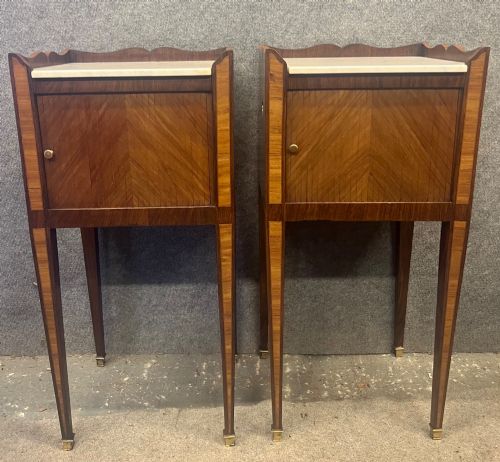
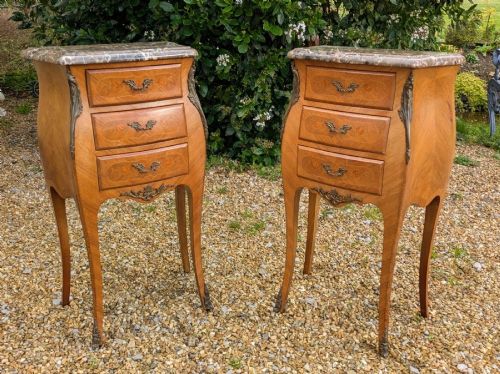
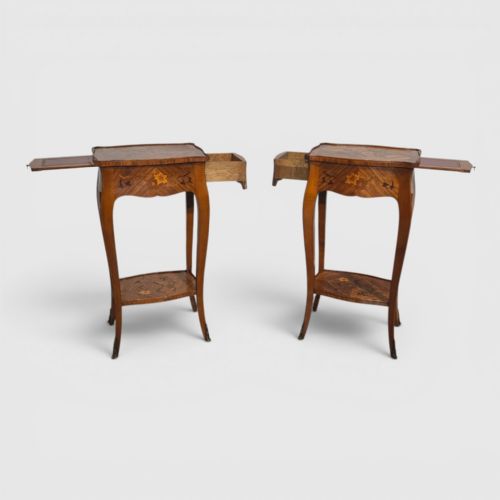
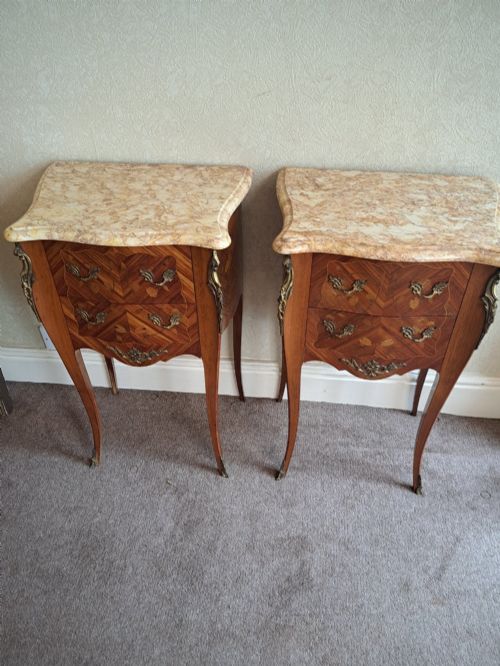
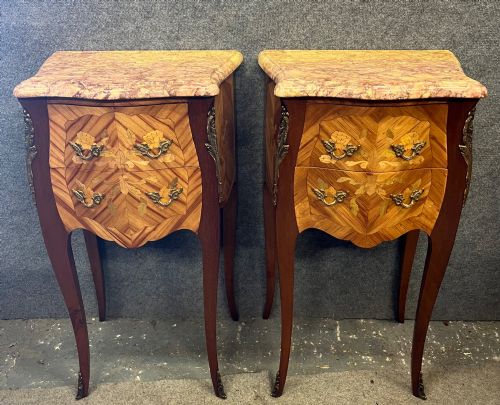
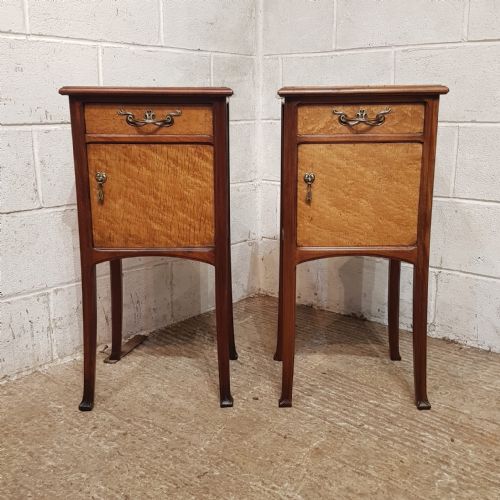
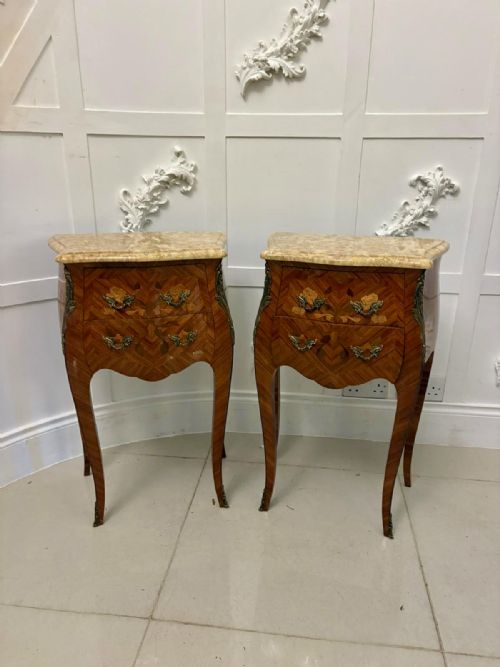
A search for pair french walnut cabinets leads primarily to matching bedside units, lamp tables, and smaller side cabinets originating from France across the nineteenth and early twentieth centuries. These diminutive pieces usually feature a single drawer above a cupboard door, designed to sit symmetrically on either side of a bed.
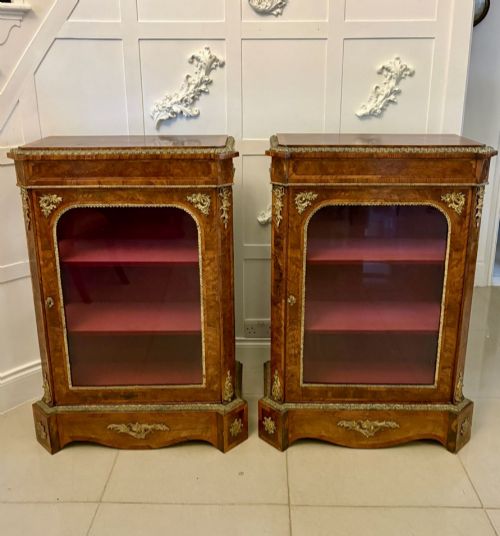
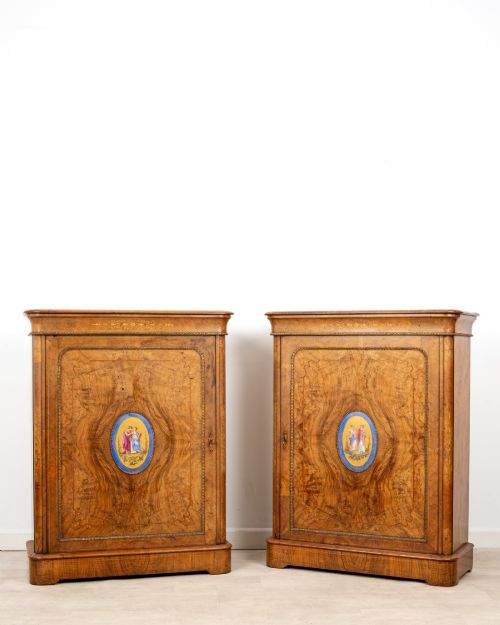
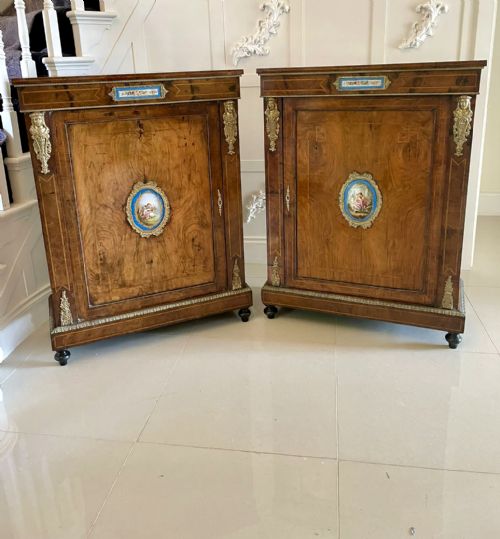
Beyond bedside chests, the selection encompasses larger pier cabinets, display cabinets, and credenzas originating from Victorian parlours and French salons. While bedside cabinets dominate the offerings, tall end tables and serpentine lamp tables also appear regularly.
The objects span varied eras, from nineteenth-century Victorian workshops to Art Deco designs of the nineteen-thirties, capturing diverse aesthetic movements from French Provincial simplicity to ornate Louis XV revival styles.
How they were made
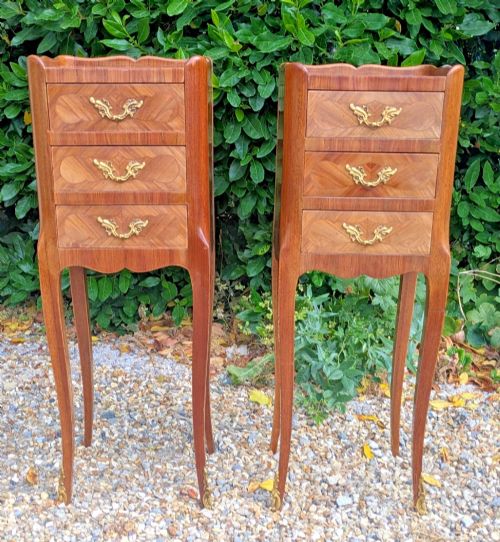
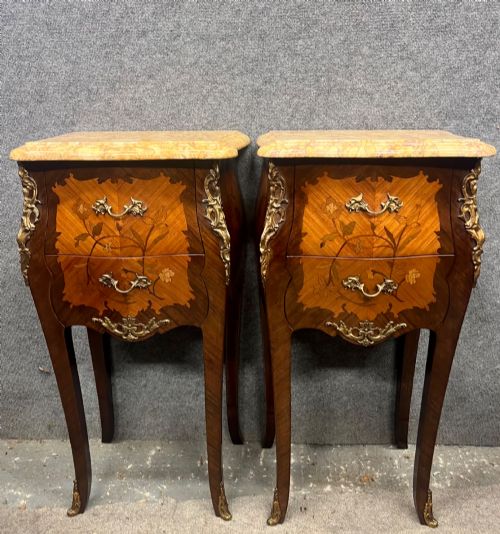
Carpenters built the structural carcases using solid walnut or secondary timbers faced with decorative veneers, frequently employing burr walnut or kingwood to create striking grain patterns across flat surfaces. Marquetry and parquetry inlays introduced geometric or floral motifs using contrasting timber species.
Many iterations incorporate marble tops, specifically Belgian Sainte-Anne marble, fitted neatly to the upper surface to provide a durable and waterproof shelf. Cast or chased ormolu mounts, brass galleries, and porcelain plaques frequently embellish the corners, doors, and aprons.
Listings feature walnut, burr walnut, kingwood, and rosewood, paired with marble, ormolu, and brass elements.
What varies in quality
The calibre of a pair french walnut cabinets depends heavily on the precision of the veneer work and the symmetry of the matching grain patterns across both pieces. Superior examples exhibit seamless marquetry and tight parquetry joints that remain flush over decades of atmospheric change.
Hardware and secondary materials further separate standard production from exceptional pieces, visible in the weight of the cast ormolu mounts and the thickness of the fitted marble slabs. Fine craftsmanship reveals itself in smooth drawer movements and well-fitted doors that hang true without sagging.
The Pair French Walnut Cabinets Glossary
- Burr walnut
- A figured wood grain obtained from walnut tree growths, producing swirling patterns favoured for cabinet fronts.
- Ormolu
- Gilded bronze mounts applied to furniture edges and corners for decorative accent during the eighteenth and nineteenth centuries.
- Marquetry
- The art of applying decorative veneer pieces to a structural carcase to form pictorial or geometric designs.
- Parquetry
- A geometric mosaic of wood pieces used for floor surfaces or cabinet tops, creating repeating patterns.
- Pier cabinet
- A tall, narrow display unit designed to stand against the wall space between windows.
Pair French Walnut Cabinets: Frequently Asked Questions
What is the difference between a bedside cabinet and a lamp table?
Bedside cabinets typically enclose a storage space behind a door alongside a small drawer, designed for practical bedside use. Lamp tables offer an open or simpler surface intended primarily for lighting and decorative display.
While their footprints are similar, their internal construction reflects their original intended functions within the bedroom or salon.
How do I care for marble-topped cabinets?
Marble surfaces require regular wiping with a soft, damp cloth and neutral soap to prevent staining from liquids or cosmetics. Avoid acidic cleaners that can etch the polished stone surface.
Applying a specialist stone wax periodically helps protect the finish against moisture and everyday wear.
Are these cabinets always sold as matching pairs?
The pieces listed under this search are gathered specifically as matching pairs designed to sit symmetrically in a room. Some items originate as near pairs, where slight variations in grain or hardware place them together by design.
Checking the dimensions and timber grain helps confirm how closely the two pieces correspond.
What periods do these French cabinets cover?
The available pieces span the nineteenth century through to the nineteen-thirties, encompassing Victorian revivalism and Art Deco design. Mid-Victorian and nineteenth-century examples often feature heavy ormolu mounts and marquetry, while nineteen-thirties pieces lean towards cleaner geometric lines.
Stylistic cues such as cabriole legs or straight tapered supports help indicate the era of manufacture.