
Turn of Century Treen
Turn of century treen encompasses domestic wooden smalls spanning the late seventeenth to the late nineteenth centuries, prized for utilitarian charm and tactile warmth.
Turn of Century Treen
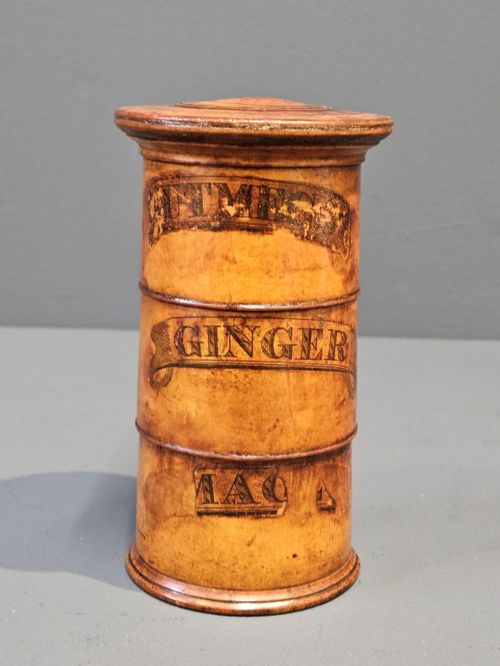
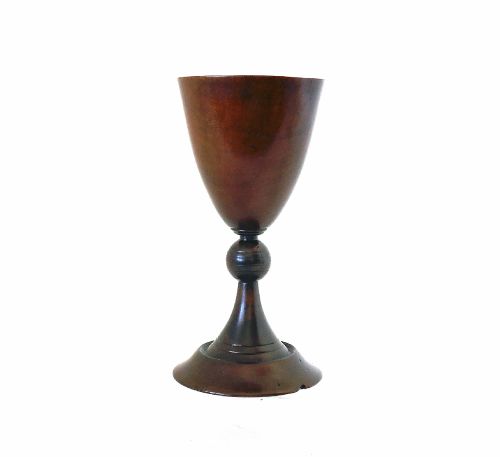
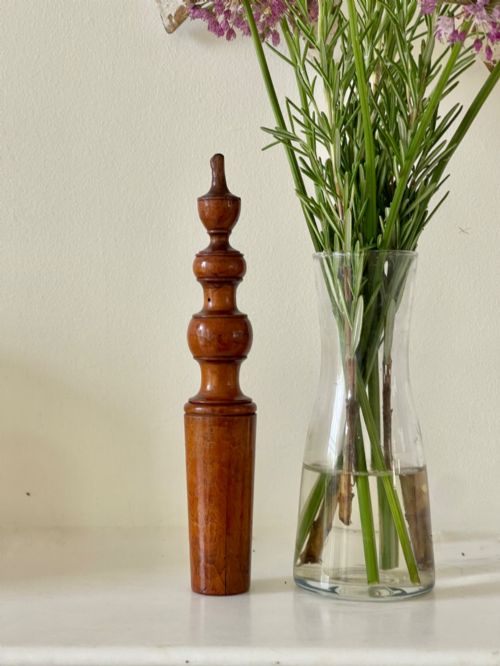
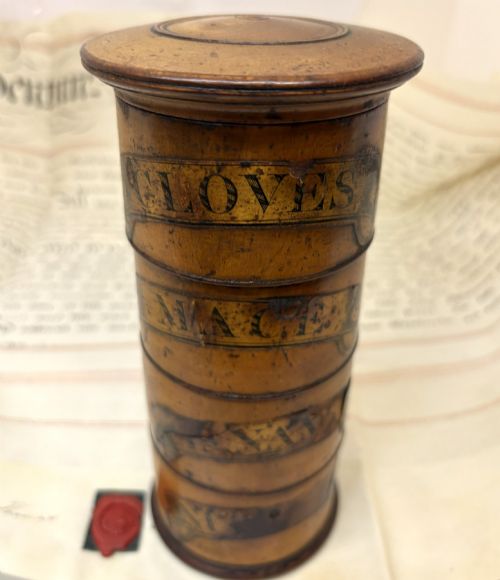
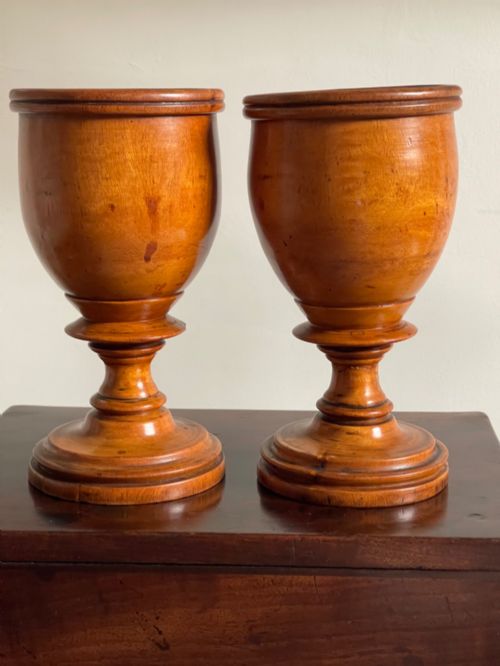
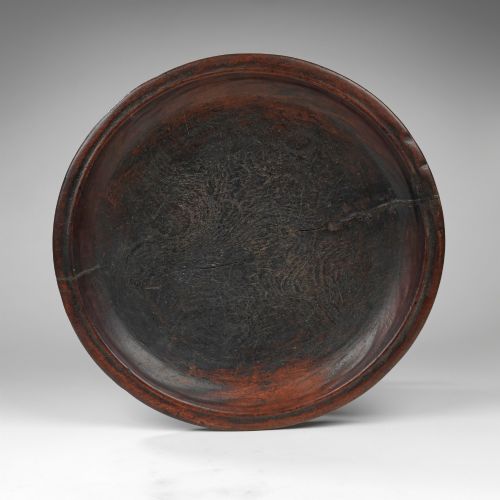
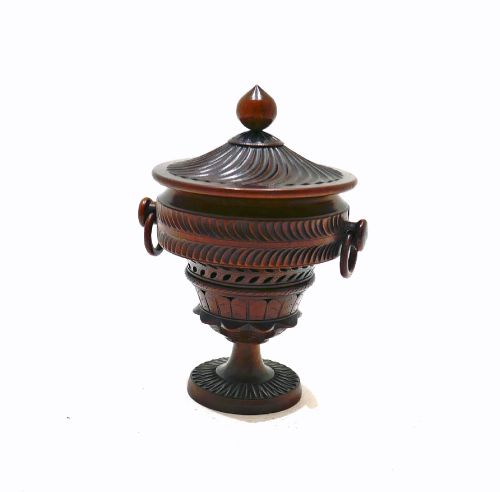
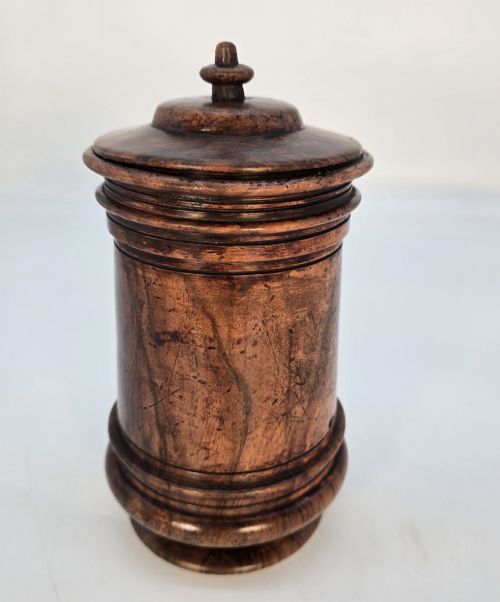
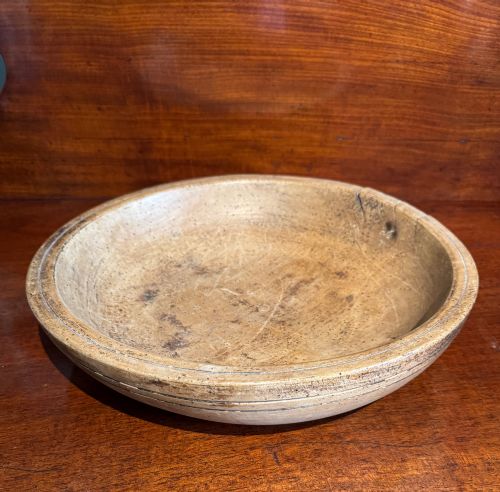
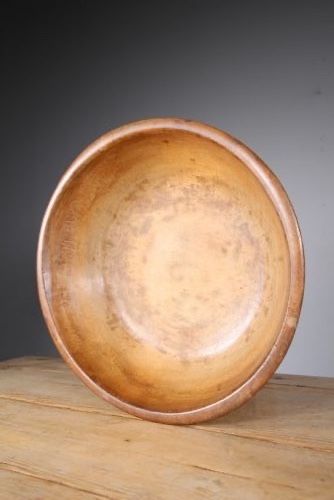
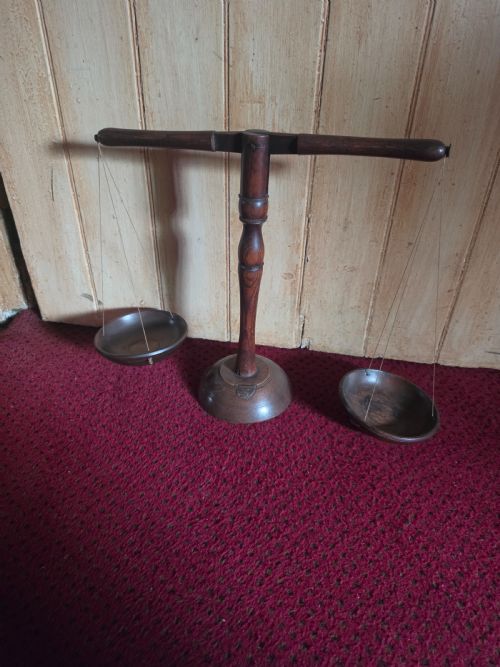
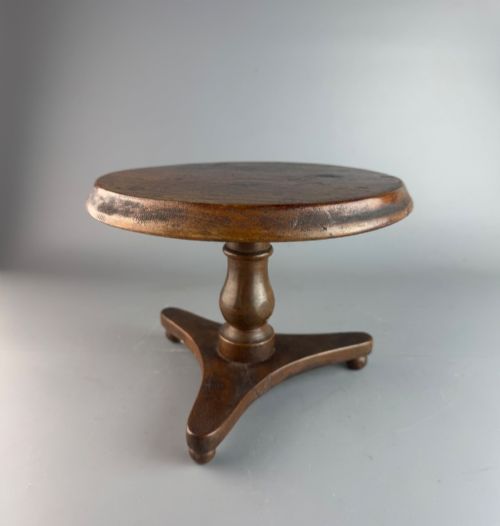
Turn of century treen covers small domestic wooden objects and kitchenalia originating from periods like the Georgian, Victorian, and Regency eras. Buyers encounter items ranging from simple utilitarian dairy bowls to intricate spice towers and snuff mortars.
Origins stretch across English, continental, Scottish, and Welsh workshops, reflecting regional timber choices and local turning traditions. Collectors frequently find objects intended for daily use in kitchens, parlours, and shops.
Materials and Turning Techniques
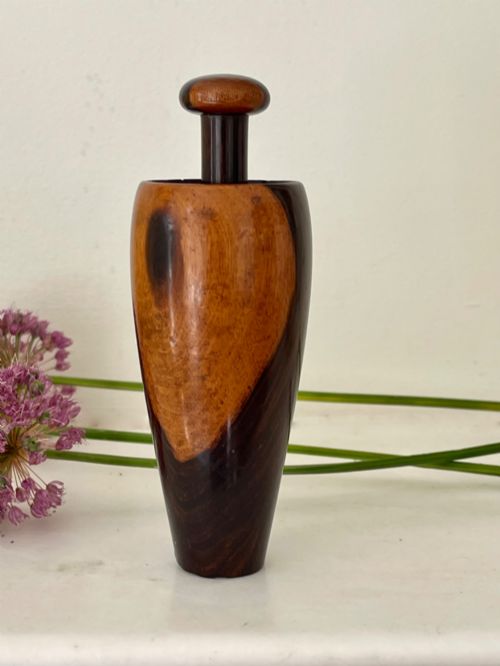
Craftsmen utilised dense hardwoods like lignum vitae alongside domestic fruitwoods, sycamore, walnut, yew, and laburnum. These timbers were selected for their stability and grain pattern.
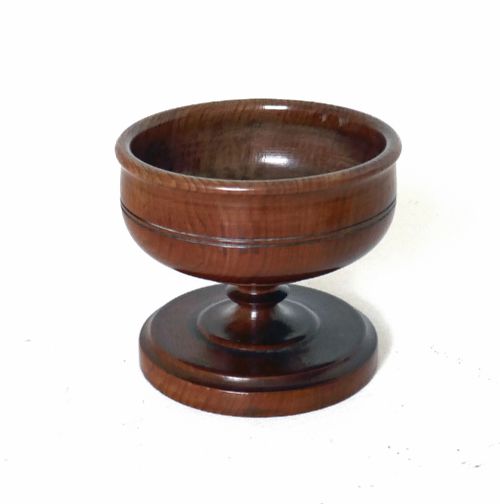
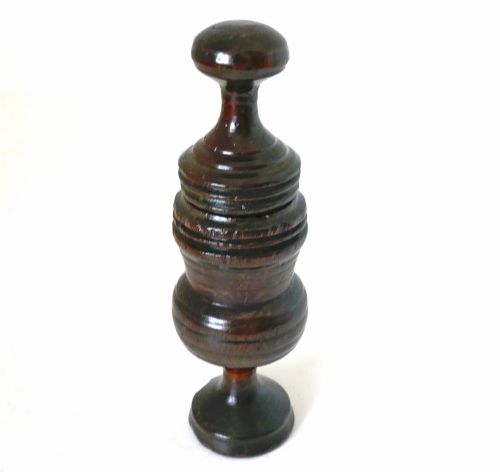
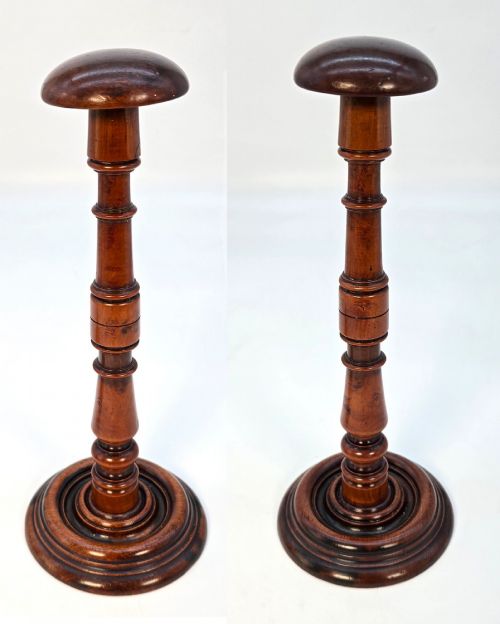
Lathe turning dominated production, shaping cylindrical forms such as goblets, spice towers, and mortars from a single block of wood. Secondary techniques involved hollow-carving for dairy bowls and assembly for multi-tiered containers.
Survival includes a wooden stethoscope, proving that early medical diagnosis relied on timber acoustics.
Distinctions in Quality
Quality rests in the crispness of the lathe turning and the natural figuring of the wood grain. Exemplary pieces display clean profiles and balanced proportions without excessive restoration.
Patina dictates value, separating objects retaining deep, natural handling wear and original surface colour from those stripped or over-polished. Subtle tool marks and ageing enhance the integrity of domestic pieces.
The Turn of Century Treen Glossary
- Treen
- Small handmade wooden objects for domestic or personal use. The term derives from the old English word for tree.
- Lignum Vitae
- An exceptionally heavy and dense exotic hardwood historically utilised for mortars, goblets, and pestles. Its natural resin provides moisture resistance.
- Sycamore
- A light-coloured hardwood frequently chosen by turners for dairy bowls and kitchenalia due to its hygienic properties.
- Spice Tower
- A multi-tiered turned wooden container designed to hold various culinary spices securely. Sections typically screw or fit tightly together.
Turn of Century Treen: Frequently Asked Questions
What is treen?
Treen describes small, functional wooden items made for the home, office, or personal use.
These objects range from bowls and candlesticks to boxes and games, shaped primarily by turning on a lathe.
How were spice towers used?
Spice towers stored precious imported spices in stacked, interlocking wooden compartments.
Each tier held a different seasoning, keeping aromatic powders contained and dry in Georgian and Victorian kitchens.
How do I care for wooden treen?
Keep wooden objects away from direct heat sources and extreme humidity fluctuations to prevent splitting.
Apply a light application of neutral wax occasionally to maintain the natural sheen of the timber.
What woods are common in treen?
Makers utilised dense timbers like lignum vitae, walnut, and yew alongside domestic fruitwoods and sycamore.
Selection depended on the required strength and the visual grain pattern desired for the finished object.