




Turn of Century Silver
Turn of century silver gathers domestic vessels, pocket timepieces and table ornaments crafted around nineteen hundred.
Turn of Century Silver
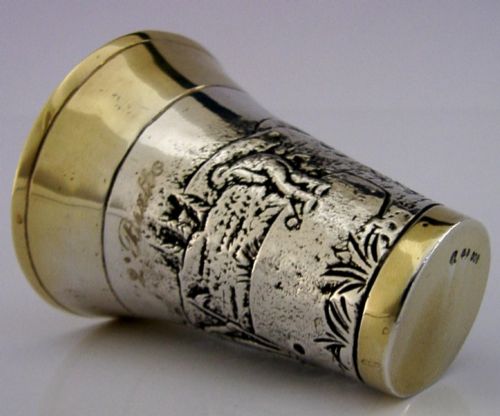
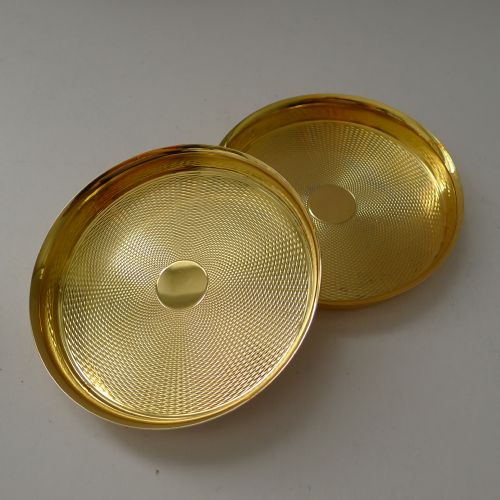
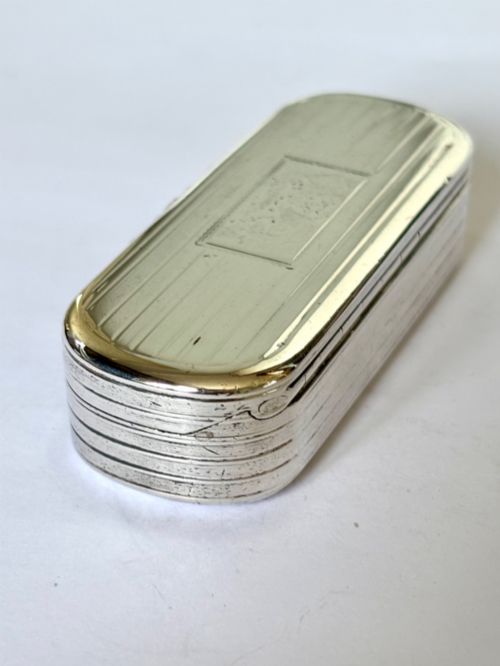
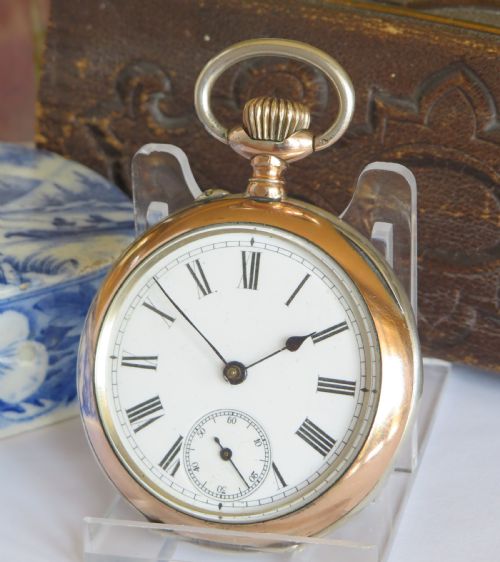
When you search for turn of century silver, you encounter functional items and decorative accessories dating predominantly from nineteen hundred, alongside related pieces spanning the Victorian and Edwardian eras. The selections encompass sterling silver beakers, pocket watches, table snuff boxes, glass scent bottles with silver overlay, and wine coasters reflecting the domestic habits of the period.
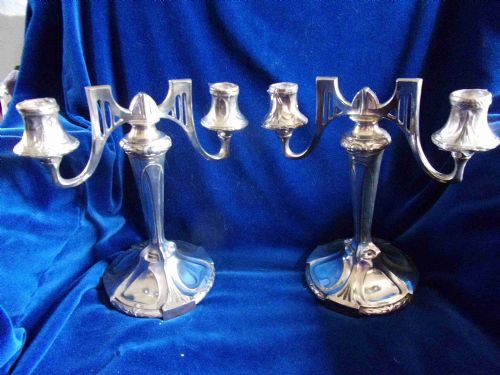
The objects on this page frequently display the sinuous floral motifs typical of the Art Nouveau style which flourished at the close of the nineteenth century and the dawn of the twentieth. Alongside these organic designs, simpler utilitarian forms in silver plate and solid metal service utility and display in equal measure.
Materials and methods of construction
Makers utilised solid sterling silver, silver gilt, and silver plate over base metals, often combining metalwork with glass, wood, enamel, and coquilla nut. Items such as scent bottles and pocket watches required precise casting, hammering, and assembly by skilled silversmiths.
Decoration relied heavily on engine turned guilloche patterns, applied silver wire inlay on walnut grips for firearms, and hand chased or engraved details on snuff boxes and beakers.
Distinctions in craftsmanship and provenance
Quality rests upon the crispness of the chased or engraved ornament, the weight and integrity of the metal, and the retention of original gilding or enamel without loss. Pieces bearing clear hallmarks from established assay offices or recognised makers demonstrate superior provenance compared to unmarked or heavily worn domestic wares.
The harmony between decorative elements, such as glass bodies and overlay metalwork, distinguishes standard production items from exceptional workshop creations of the era.
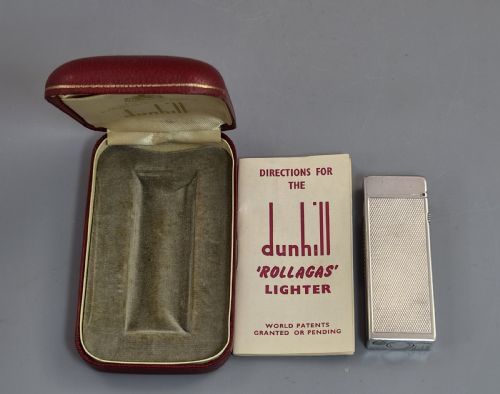
Fabergé·Christofle·Dunhill·Howell And James·Mappin And Webb·David Andersen
The Turn of Century Silver Glossary
- Sterling silver
- An alloy containing ninety-two point five percent silver by mass, with the remainder consisting of copper or other metals. This standard has served as the baseline for British and international silverware for centuries.
- Silver gilt
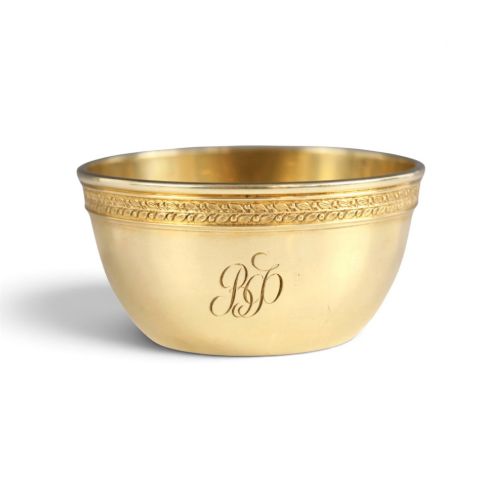
- Silver objects that have been coated with a thin layer of gold on their surface. This technique provides the rich appearance of solid gold while utilising a silver substrate.
- Guilloche
- A decorative mechanical technique in which a precise, intricate repeating pattern or design is engraved into a metal surface using a lathe. It frequently appears beneath translucent enamel on boxes and scent bottles.
- Hallmark
- An official stamp applied by an assay office to indicate the purity of a precious metal, the place of testing, and the year of manufacture. These marks allow collectors to trace the origin of antique silver with precision.
- Comport
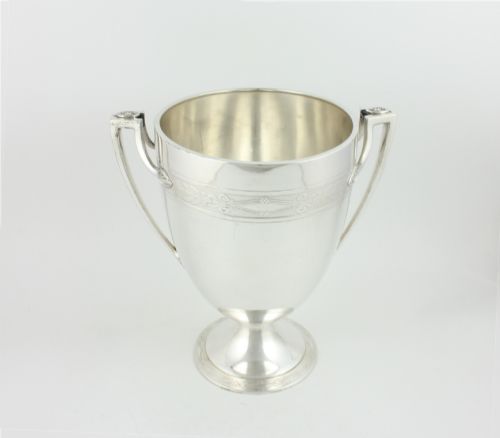
- A decorative pedestal dish or bowl used for serving fruit or sweets at the dining table. They frequently appear in silver or silver plate from the turn of the twentieth century.
Turn of Century Silver: Frequently Asked Questions
What is turn of century silver?
Turn of century silver encompasses utilitarian and decorative metalwork produced around nineteen hundred. These items reflect the transition from Victorian manufacturing to the lighter Art Nouveau aesthetic.
Such objects range from pocket watches and scent bottles to wine coasters and desk accessories. They capture the craftsmanship of European workshops operating at the dawn of the modern era.
How do I identify silver hallmarks?
Hallmarks consist of stamped symbols indicating metal purity, the assay office responsible for testing, and a date letter corresponding to the year of creation. Examining these small stamps requires a magnifying glass.
Reference guides match specific letter shapes and town marks to historical periods. This allows collectors to determine the exact origin of each piece.
How were silver scent bottles used?
Silver scent bottles held aromatic liquids or smelling salts popular in daily Victorian and Edwardian life. Ladies carried them in pockets or reticules for use in crowded or poorly ventilated spaces.
The decorative silver or Art Nouveau overlay protected the fragile glass interior while providing an ornate exterior suitable for dressing tables.
How should I clean antique silver?
Antique silver requires gentle cleaning with specialised cloths to remove tarnish without abrading the metal surface. Harsh chemical dips strip away the natural patination valued by collectors.
Items with enamel or gilt surfaces demand extra care to avoid damaging delicate coloured glass and thin gold layers. Regular handling and proper storage minimise the need for frequent polishing.