
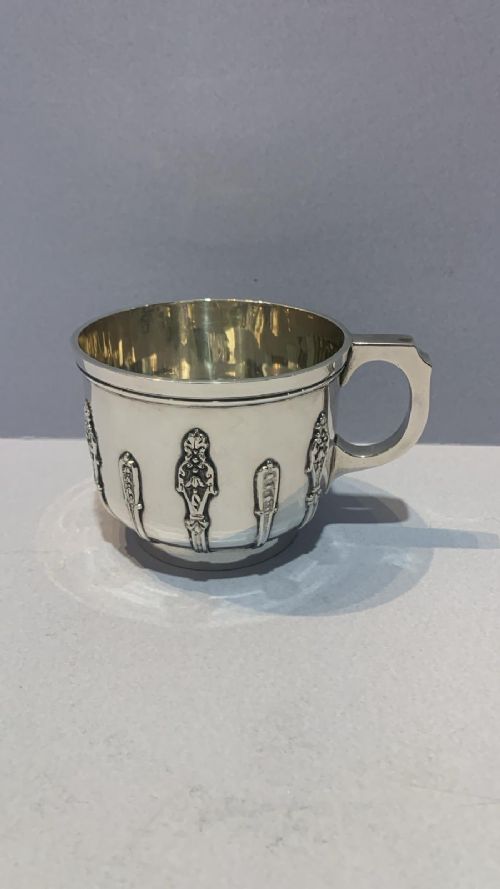


Embossed Silver Beaker
An embossed silver beaker is a drinking vessel shaped by hand, offering weight and texture that reward everyday use.
Embossed Silver Beaker
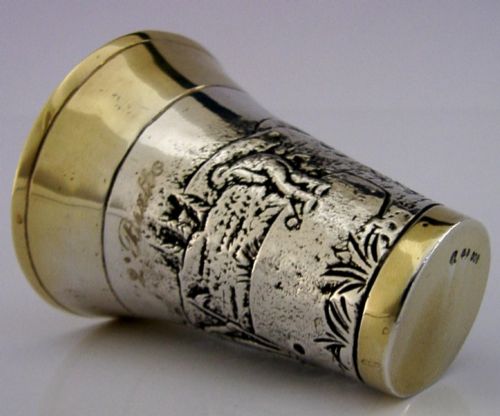
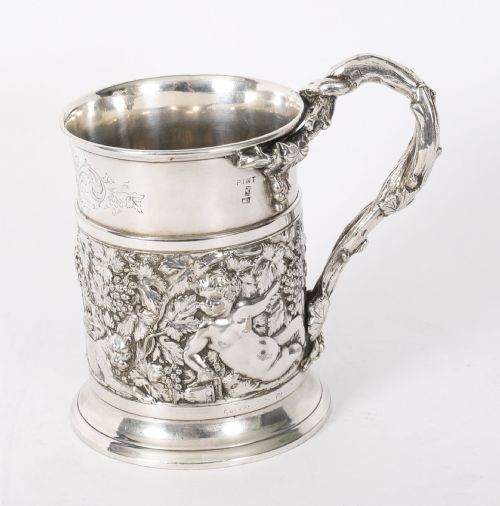
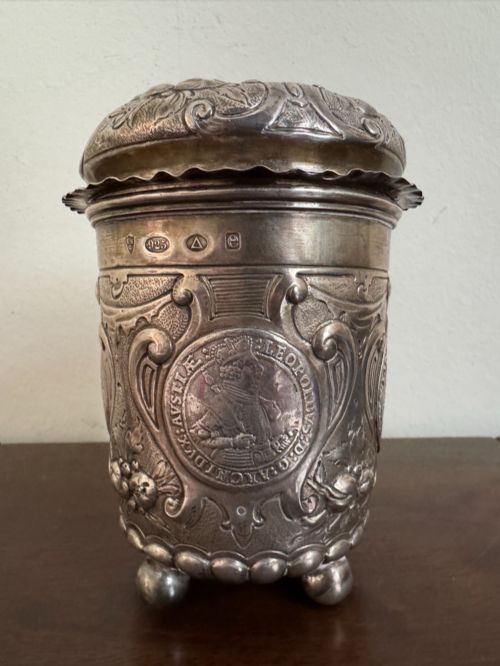
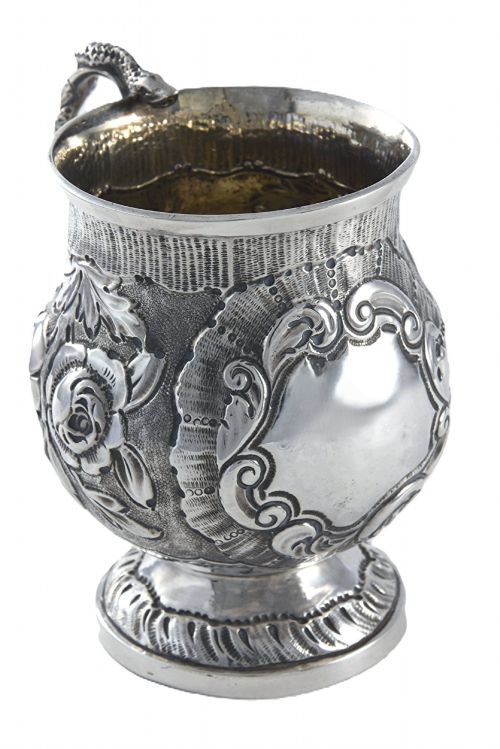
When searching for an embossed silver beaker, collectors examine a range of historical drinking vessels that appear in forms such as christening mugs, tankards, and lidded cups. The pieces available span several eras, including Georgian, Victorian, and Edwardian periods, alongside continental European examples from the seventeenth century and around nineteen hundred.
These items primarily function as small beakers and handled mugs, sometimes featuring parcel-gilt or silver-gilt interiors. German provincial work and English provincial assay office marks appear frequently across the selection.
Mugs and tankards dominate the practical forms, while lidded beakers and coin-inset vessels provide variations that attract specialist interest.
Materials and construction
Craftsmen utilised sterling silver, silver plate, and various continental standards including eight-hundred silver and nine-twenty-five silver. Embossing required hammering the metal from behind to raise relief patterns on the surface.
Engraving often complemented the embossed scenes, adding fine detail to landscapes, castle motifs, and foliate designs. Guilds in Nuremberg and makers such as G R Collis applied these traditional silversmithing techniques to produce robust drinking vessels.
Assessing quality in embossed silver
The crispness of the relief work distinguishes superior pieces from softer, worn examples where handling has smoothed the chased details. Crisp definition in architectural scenes, figures, and foliage indicates skilled execution by the maker.
Weight and gauge of the metal also dictate the substance of the vessel, separating thin electroplated items from heavy solid silver pieces. Original gilding inside the beaker or mug further elevates the finish of historical examples.
G R Collis·SBF Nuremberg
The Embossed Silver Beaker Glossary
- Embossing
- Raising a design from the reverse side of a metal sheet by hammering. This technique creates tactile relief decoration on the exterior of drinking vessels.
- Parcel-Gilt
- Partially gilt with gold. The interior of the beaker or specific exterior details retain a golden finish while the rest remains silver.
- Coinage
- The incorporation of actual historical coins into the base or body of a drinking vessel. German pieces frequently utilised thalers for this purpose.
- Christening Mug
- A small handled cup presented as a gift upon the naming of a child. English examples often bear regional hallmarks from assay offices such as Chester and London.
Embossed Silver Beaker: Frequently Asked Questions
What is an embossed silver beaker?
An embossed silver beaker is a historical drinking vessel decorated with raised designs hammered directly into the metal. These items include christening mugs, tankards, and lidded cups originating from British and continental workshops.
Craftsmen utilised techniques like chasing and engraving to build intricate landscapes and decorative motifs around the body of the cup.
How do I date an antique silver beaker?
Dating relies heavily on hallmarks stamped into the metal, which indicate the assay office, standard of silver, and year of production. English pieces carry specific date letters, while continental items often depend on maker marks and regional styles.
Stylistic cues, such as Victorian scrollwork or seventeenth-century Baroque elements, also help establish the approximate period of manufacture.
Are silver plate and solid silver different?
Solid silver consists entirely of precious metal throughout the walls of the beaker, adhering to recognised standards like sterling or eight-hundred silver. Silver plate involves a thin layer of silver bonded over a base metal core.
Weights differ noticeably between the two categories, with solid vessels generally feeling substantially heavier in the hand.
How were coin beakers constructed?
Coin beakers incorporated minted currency, such as Salzburg thalers, directly into the silver construction of the vessel. Silversmiths integrated these coins into the base or walls as a display of wealth and monetary history.
German workshops produced notable examples of this style around the turn of the twentieth century.
Can I use an antique silver beaker?
Many buyers enjoy using historical silver beakers for daily dining or celebratory drinks. Solid silver tolerates regular use provided it receives gentle hand washing without abrasive cleaners.
Pieces with delicate parcel-gilt interiors or fragile silver-plated surfaces require more careful handling to preserve the finish.