


Turkmen Gul Pattern Rug
A turkmen gul pattern rug delivers centuries of tribal weaving tradition, prized for its geometric medallions and deep red hues.
Turkmen Gul Pattern Rug
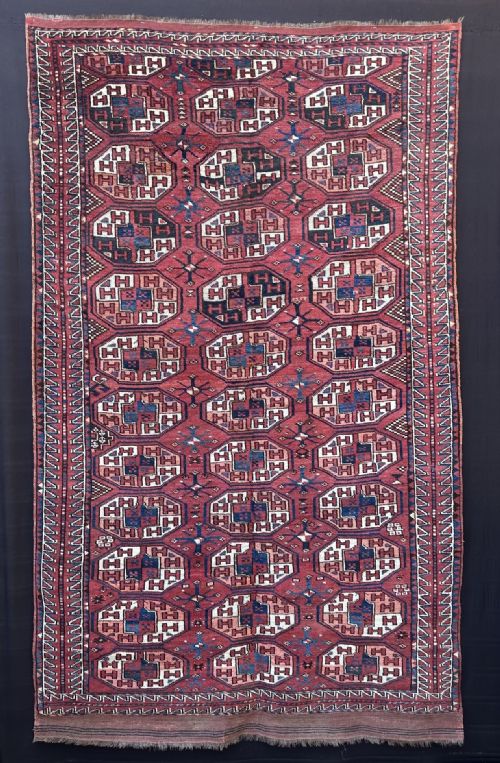
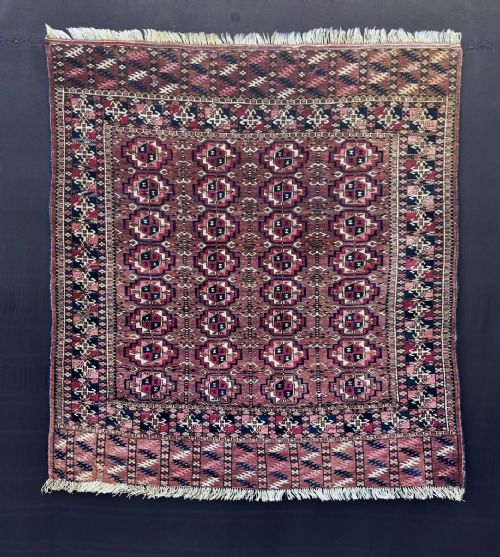
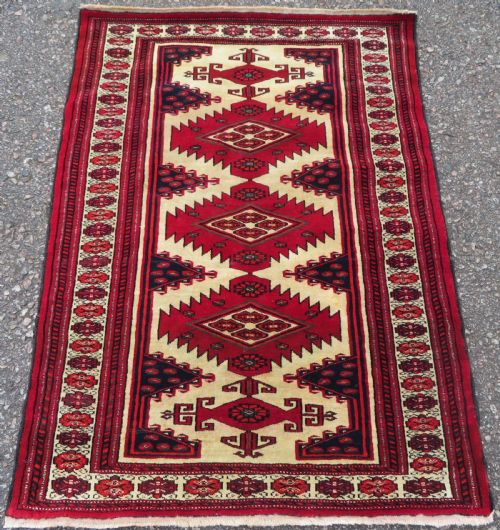
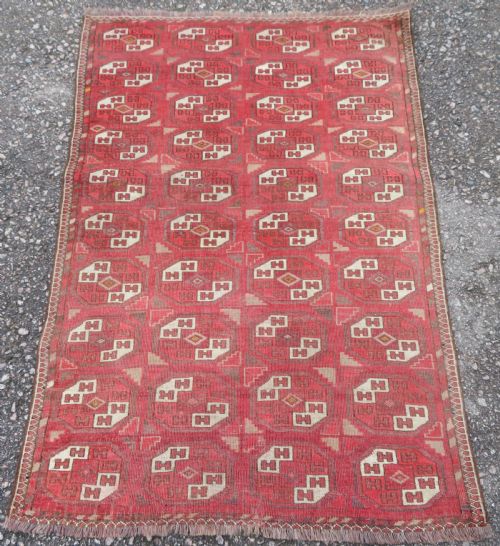
When you search for a turkmen gul pattern rug, you encounter tribal floor coverings and woven textiles originating from Central Asia, Turkmenistan, and Afghanistan. These pieces range from small dowry and wedding rugs to large country house carpets, often linked to specific groups such as the Tekke, Ersari, Yomut, Chodor, and Kizyl Ayak tribes.
The most common examples on this page date from the nineteenth and early twentieth centuries, spanning periods from eighteen-fifty to nineteen-thirty. They take the form of main carpets, tent door rugs known as kapunuks, and torba faces, reflecting the nomadic and village lifestyles of their makers.
What Varies in Quality
Quality in these textiles depends upon the fineness of the wool and the precision of the gul motifs woven across the field. Softer wool piles and intricate, well-defined border designs distinguish finer dowry pieces and main carpets from standard utilitarian floor coverings.
The integrity of the goat hair or horsehair foundation and the depth of the natural dyes also determine the standard of a piece. Well-preserved foundations and rich, stable colouration elevate examples such as Ersari and Tekke main carpets within the overall range.
Listings span from eighteen-fifty to nineteen-thirty, utilising wool, natural dyes, and goat hair foundations across Turkmen tribal styles.
Tekke Tribe·Ersari Tribe·Yomut Tribe·Chodor Tribe·Kizyl Ayak Tribe
The Turkmen Gul Pattern Rug Glossary
- Gul
- A repeating octagonal medallion motif central to Turkmen weaving. Each design often identifies the specific tribe or clan that produced the textile.
- Torba
- A small storage bag face used in nomadic tents. These pieces display intricate gul patterns similar to those found on larger main carpets.
- Kapunuk
- A decorative tent door hanging placed around the entrance of a yurt. They are characterised by a pi-shape structure and tribal motifs.
- Beshir
- A style of carpet associated with Ersari weavers residing near the Amu Darya river. They often incorporate larger scale patterns and varied colour palettes.
- Main carpet
- A large floor covering traditionally woven for domestic use or ceremonial purposes within the tribe. These pieces require substantial time and complex planning to complete.
Turkmen Gul Pattern Rug: Frequently Asked Questions
What is a gul pattern?
A gul is a repeating octagonal medallion design used across Central Asian weaving traditions. These geometric motifs often signify the specific tribal group or clan responsible for making the textile.
Over generations, different tribes developed their own distinct variations of the gul. Recognising these forms helps collectors identify the origins of individual carpets.
How do I identify a Tekke rug?
Tekke rugs typically feature densely arranged gul motifs set against a deep red or madder ground. They often include fine wool and elaborate minor guls in the interstitial spaces.
These pieces frequently take the form of wedding dowry rugs or main carpets. Their distinctive border arrangements and soft handle set them apart from other tribal groups.
Where were these rugs made?
These textiles were produced by nomadic and village tribes across Central Asia, primarily in regions that comprise modern-day Turkmenistan and Afghanistan. Communities such as the Ersari and Yomut lived and worked in these pastoral landscapes.
The materials used, including local wool and natural dyes, reflect the environment of the region. Many pieces were traded or used locally before reaching wider markets.
How should I care for a tribal rug?
Protect your textile by placing it in areas with moderate foot traffic and avoiding direct, harsh sunlight. Regular gentle vacuuming without a beater bar helps remove dust from the wool pile.
Professional cleaning tailored for antique wool rugs preserves the natural dyes and animal hair foundations. Promptly address any spills with dry absorption rather than heavy soaking.