



Turkish Ghiordes Rug
A turkish ghiordes rug brings historic Anatolian artistry into a room through traditional prayer designs and hand-spun materials.
Turkish Ghiordes Rug
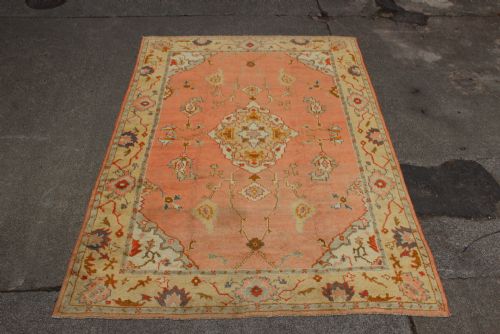
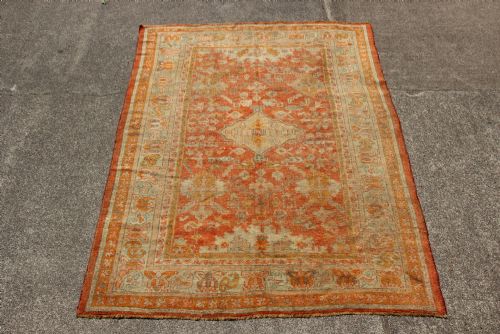
A turkish ghiordes rug is a woven textile originating from Western Anatolia, encompassing both village productions and larger carpets. These pieces frequently take the form of prayer rugs, characterised by distinct architectural mihrab niches and multiple borders.
Buyers encountering this selection will most commonly find examples spanning from the eighteenth century through to the early twentieth century. These rugs display various ground colours including green, blue, white, and soft tones set within Ottoman Anatolian traditions.
The inventory ranges from compact village rugs designed for specific ritual use to expansive Oushak carpets reflecting classic design lineages. Each object represents centuries of regional weaving heritage rooted in Western Turkey.
Materials and Weaving Techniques
The foundational construction of these textiles relies on natural materials such as wool, cotton, and occasionally silk. Weavers utilised hand-spun wool to create durable piles that held dye securely over generations of use.
Production methods followed traditional Anatolian weaving practices, incorporating symmetrical knots alongside sturdy cotton or wool warp and weft foundations. This combination allowed for the intricate multiple border arrangements and defined geometric fields seen in classic examples.
Turkish Ghiordes Rug Retail Price Guide 2026
Typical asking prices for turkish ghiordes rug among the pieces listed under this phrase on Sellingantiques today, from the lower quarter to the upper quarter. They describe what is for sale here now, not the wider market.
The documented pieces span from seventeen-fifties village rugs to nineteen-twenties wool examples, incorporating cotton and silk foundations.
Assessing Quality and Execution
Quality in these textiles depends heavily on the precision of the knotting and the fineness of the materials selected by the weaver. Finer hand-spun wool and delicate silk elements allow for sharper definition within the intricate prayer arch and border motifs.
The visual harmony of the palette separates standard village pieces from exceptional examples. Successful integration of natural dye variations across green, blue, and white grounds demonstrates superior workshop skill.
The Turkish Ghiordes Rug Glossary
- Mihrab
- The architectural arch design depicted on prayer rugs that indicates the direction of prayer. This motif forms the focal point of the field in traditional weaving.
- Oushak
- A designation referring to a major rug-producing town in Western Anatolia known for larger scale carpet formats. These pieces often share design characteristics with related regional styles.
- Warp
- The vertical threads stretched tightly on the loom that form the structural foundation of the textile. Fringe ends typically consist of these exposed parallel threads.
- Weft
- The horizontal threads passed through the warp to bind the knots in place. Together with the warp, they create the firm backing of the rug.
- Anatolian
- Pertaining to the geographic region of Asia Minor encompassing modern Turkey. This descriptor groups traditional village and workshop textiles from the area.
Turkish Ghiordes Rug: Frequently Asked Questions
What is a ghiordes knot?
The ghiordes knot, also known as the symmetrical knot, loops two strands of yarn around adjacent warp threads. This technique provides structural stability to the pile.
Weavers across Western Anatolia utilised this method to achieve firm, durable carpets suitable for daily use or devotional purposes.
How do I identify a prayer rug?
Prayer rugs feature a prominent architectural niche, termed a mihrab, at one end of the field. This design points the worshipper in a specific direction during use.
Such formats distinguish devotional textiles from standard floor coverings designed for general room placement.
Where were these rugs made?
These textiles originated in Western Anatolia, specifically around the town of Ghiordes and surrounding Turkish villages. The region has a deep history of producing distinct regional carpet styles.
Local workshops and village weavers passed down specific border patterns and colour palettes through generations.
How should I care for an antique rug?
Care involves gentle vacuuming without rotary brushes and professional cleaning when necessary. Keeping the textile away from direct sunlight preserves natural dyes.
Placing a proper underlay beneath the rug prevents slipping and reduces friction against hard flooring.