


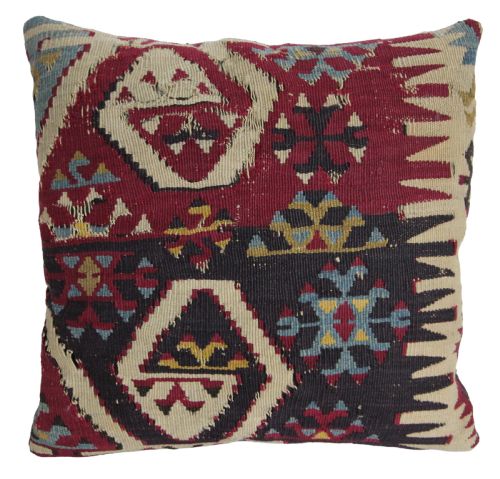


Turkish Cushion Cover
These turkish cushion cover examples are handwoven textile pieces from Anatolian tribal traditions, offering warmth and historical pattern for modern interiors.
Turkish Cushion Cover
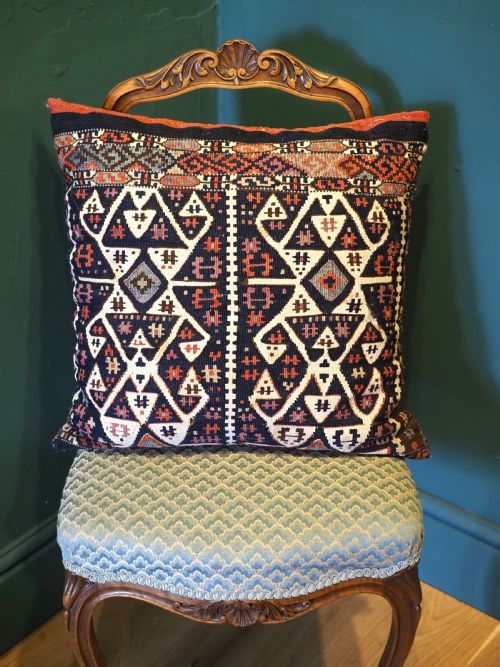
A turkish cushion cover brings traditional Anatolian textile work into everyday living spaces through repurposed bag faces, kilims, and yastiks. These items translate nomadic weaving traditions into practical soft furnishings for domestic interiors.
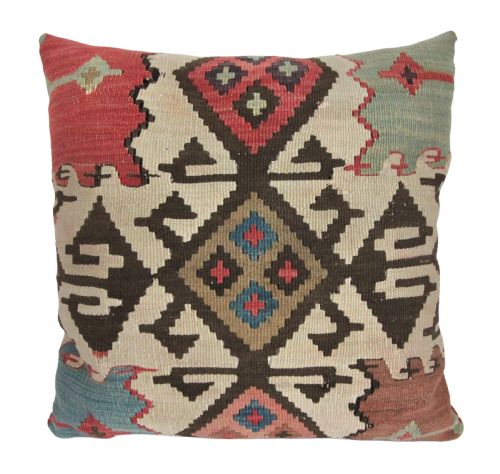
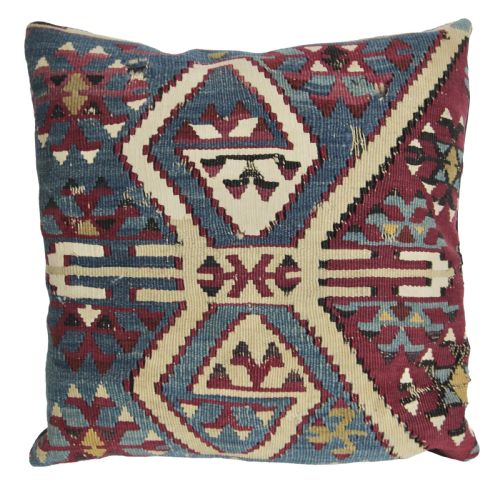
The most common examples on this page are antique kilim cushions derived from nineteenth-century weaving traditions. Pieces span from eighteen fifty through to nineteen twenty, incorporating formats like throw cushions and larger pillow designs.
Collectors encounter various regional forms including Malatya saddle bag kilims and Konya yastics. Each variant demonstrates the distinct tribal and nomadic aesthetics of Anatolian makers.
How they were made
Makers utilised wool and cotton as the primary textile materials for these hand-woven items. The combination of these natural fibres provided durability for nomadic utilitarian objects such as saddle bags and floor cushions.
Weavers employed traditional flat-weaving techniques to create the geometric patterns characteristic of Anatolian tribal and nomadic styles. These methods produced robust textile surfaces designed to withstand regular daily use.
Turkish Cushion Cover Retail Price Guide 2026
Typical asking prices for turkish cushion cover among the pieces listed under this phrase on Sellingantiques today, from the lower quarter to the upper quarter. They describe what is for sale here now, not the wider market.
Listings span periods from eighteen fifty to nineteen twenty, featuring wool and cotton materials shaped into tribal and nomadic Anatolian cushion forms.
What varies in quality
The distinction between ordinary and superior pieces rests on the tightness of the weave and the precision of the tribal motifs. Finer examples display greater complexity in their geometric layouts and superior handling of wool and cotton materials.
Age and regional attribution influence the character of each piece, with nineteenth-century examples showing distinct differences in dye saturation and wool texture compared to later twentieth-century productions.
The Turkish Cushion Cover Glossary
- Kilim
- A flat-woven carpet or piece of tapestry-woven carpet originating from Anatolia. These textiles lack a pile, making them suitable for cushions and decorative bags.
- Yastic
- A traditional Turkish pillow or bolster. They originate as domestic furnishings woven on tribal looms.
- Anatolian Tribal
- A descriptor for textile designs originating from the indigenous nomadic groups of the Anatolian region. These patterns rely on geometric and symbolic motifs.
- Saddle Bag
- A utilitarian container woven in pairs for transport on animals. The decorative faces of these bags frequently become converted into cushions.
Turkish Cushion Cover: Frequently Asked Questions
How old are these cushions?
The pieces available span from the early nineteenth century through to the early twentieth century. Specific dates represented include eighteen hundred, eighteen fifty, eighteen seventy, nineteen hundred, and nineteen twenty.
Each period reflects the traditional Anatolian tribal styles active at the time of manufacture.
What materials were used?
Makers constructed these items using wool and cotton fibres. These natural materials provided the strength necessary for nomadic utility objects.
The combination of wool and cotton supports the flat-woven structure seen in tribal kilims and yastic covers.
Where do these pieces originate?
These textiles originate from Anatolia, encompassing specific weaving centres and nomadic regions such as Malatya and Konya. The designs reflect local tribal and traditional methods.
Regional variations appear in the specific geometric patterns and the structural format of bag faces and yastics.