




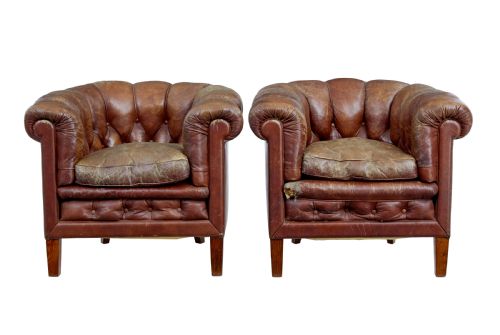


Tufted Leather Tub Chair
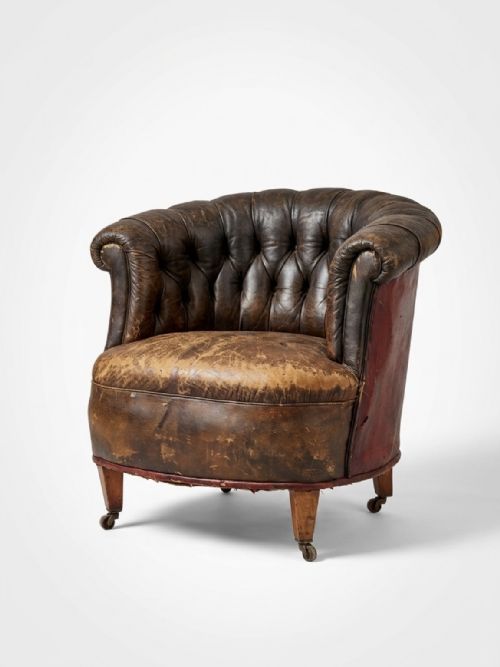
A tufted leather tub chair is a deep-seated armchair designed for comfort, offering substantial support and traditional character.
Tufted Leather Tub Chair
When searching for a tufted leather tub chair, a buyer encounters seating built for libraries, studies, and drawing rooms across several historic periods. The selections span the nineteenth century through the early twentieth century, including Regency, Victorian, and Edwardian examples.
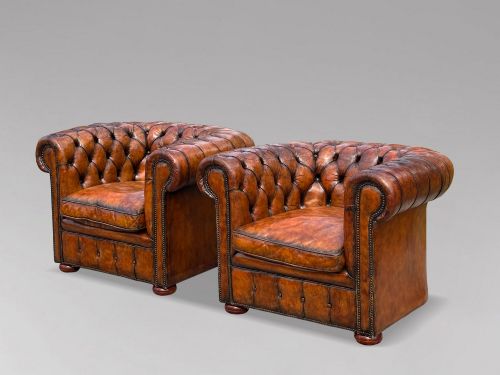
Armchairs and desk chairs dominate the forms available. These pieces range from swivel desk chairs in mahogany and oak to club armchairs upholstered in brown leather.
Origin varies across domestic British workshops and continental makers such as Swedish pieces from nineteen hundred. Buyers are most likely to meet nineteenth-century brown leather club armchairs and Victorian mahogany desk chairs on this page.
How they were made
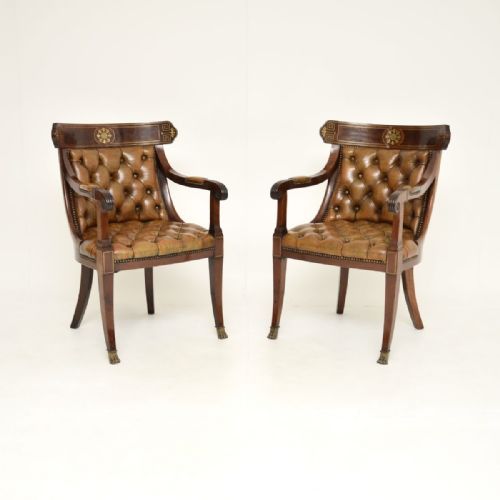
Construction relies on solid hardwoods including mahogany, oak, birch, and general timber frameworks designed to support daily use. Workshops incorporated cane panels on specific Edwardian armchairs alongside traditional upholstery.
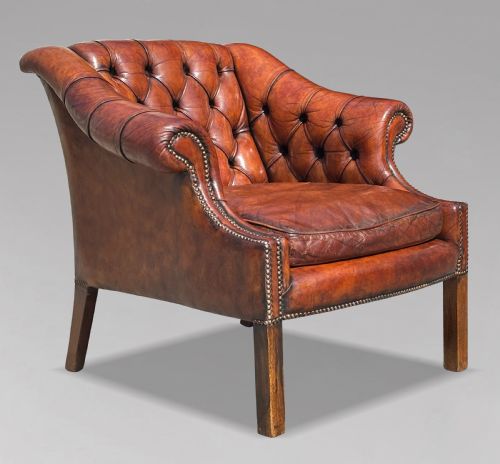
Upholstery centres on leather secured with brass detailing or studwork across club armchairs and library chairs. Regency models incorporate brass inlay into the mahogany framework.
Revolving mechanisms appear on nineteenth-century desk chairs, permitting movement through integrated iron components within the wooden columns.
Tufted Leather Tub Chair Retail Price Guide 2026
Typical asking prices for tufted leather tub chair among the pieces listed under this phrase on Sellingantiques today, from the lower quarter to the upper quarter. They describe what is for sale here now, not the wider market.
Listings feature mahogany, oak, birch, leather, brass, iron, and cane across Victorian, Regency, Edwardian, and early twentieth-century periods.
What varies in quality
Quality separates through the selection of timber and the depth of the leather upholstery. Superior examples display dense mahogany or oak frames matched with supple leather hides that age with a rich patina.
Refinement in decorative details distinguishes standard seating from finer specimens. Brass inlay and precise tufting demonstrate higher craftsmanship in Regency and Victorian workshops.
The Tufted Leather Tub Chair Glossary
- Tub chair
- An armchair with a continuous curved back and arms that form a single low-lying enclosure. This shape provides enclosed seating comfort.
- Tufted
- Upholstery secured with deep buttons arranged in a geometric grid pattern to hold the padding in place. It creates a padded, textured surface.
- Regency
- An English design style dating from the early nineteenth century defined by classical restraint and elegance. Pieces from this era often feature clean lines and fine timber.
- Club armchair
- A deep, heavily upholstered seating form designed for relaxation in private rooms and clubs. These chairs utilise thick leather coverings.
- Cane
- Woven material made from peeled rattan plant stems used for panels in seat backs and sides. It introduces lightness to wooden frames.
Tufted Leather Tub Chair: Frequently Asked Questions
What is a tub chair?
A tub chair is an upholstered armchair featuring a curved back that flows directly into the arms. This encloses the sitter for added comfort.
Such seating designs appeared across nineteenth and early twentieth-century workshops in various wood and leather finishes.
How do I date a leather armchair?
Dating relies on examining the underlying timber, framing methods, and secondary materials like brass or cane. Victorian and Regency pieces carry distinct stylistic markers.
Construction details and hardware provide further evidence of the period of manufacture.
Where were these chairs used?
These chairs served primarily in libraries, studies, offices, and private drawing rooms. Desk chairs supported reading and writing tasks.
Club armchairs and lounge chairs provided relaxed seating for reading spaces and smoking rooms.
Are desk chairs adjustable?
Nineteenth-century desk chairs often include revolving mechanisms built into mahogany or oak frames. These allowed movement for occupants working at desks.
Iron components hidden beneath the seat facilitated the rotation function.