



Tudor Style Furniture
These pieces of tudor style furniture bring substantial timber and carved detail into a room, offering the historic presence that collectors prize.
Tudor Style Furniture
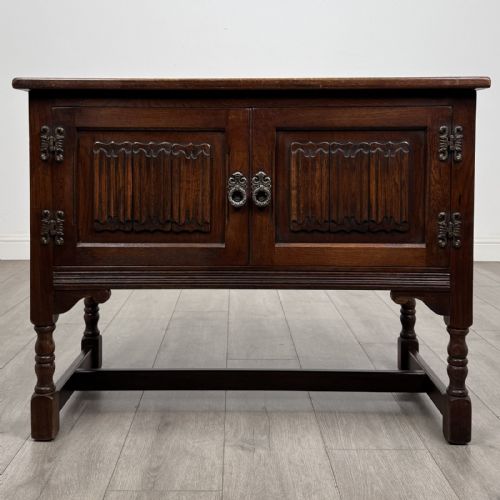
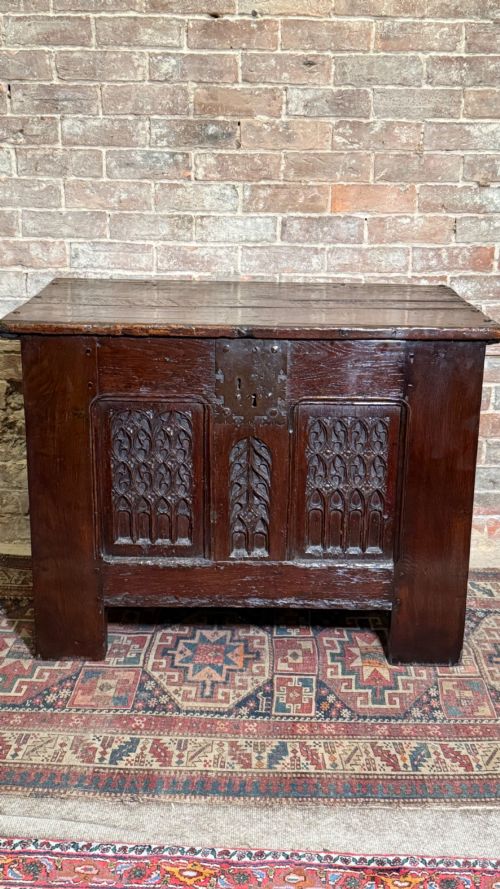
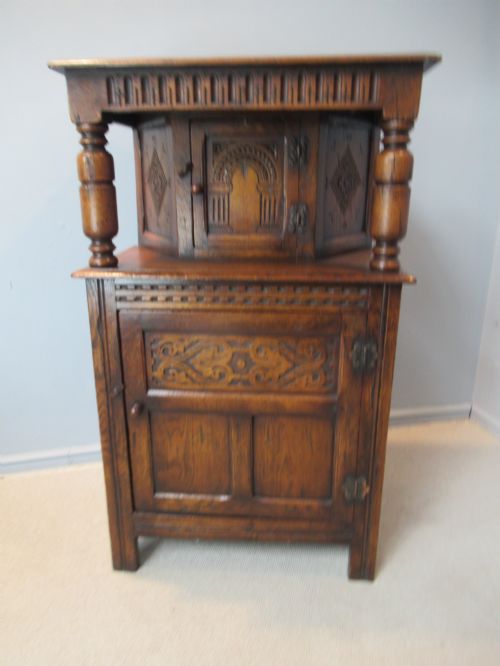
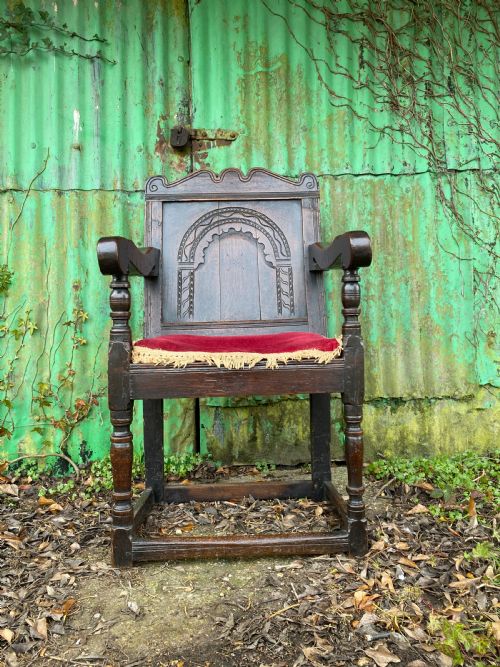
When you search for tudor style furniture, you encounter robust domestic wooden items spanning several centuries of revival and original craftsmanship. The selections on this page feature sturdy court cupboards, joint stools, wainscot chairs, and carved coffers built for practical daily use.
You are most likely to meet twentieth-century revival pieces alongside genuine seventeenth-century examples, all constructed primarily from heavy timber. These items bring distinct architectural weight and traditional joinery to modern interiors.
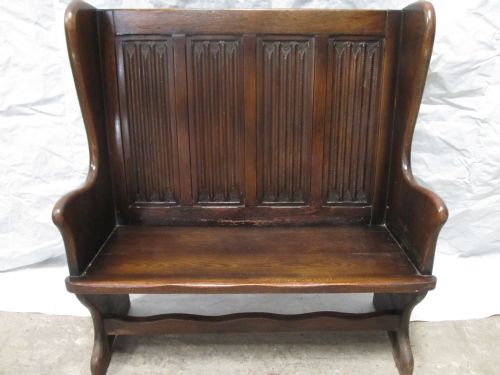
The objects range from small dressing tables and hall benches to large carved writing desks and panelled settles. Each form reflects the enduring appeal of heavy oak construction and traditional domestic ornamentation.
How they were made
These pieces rely on solid oak timbers joined through traditional mortise and tenon methods secured with wooden pegs. Master carpenters shaped the heavy wood using hand tools to create durable frames capable of lasting generations.
Carved panel work, linenfold motifs, and iron hardware provide both structural reinforcement and surface decoration. Fabric and velvet upholstery appear on seating items to add texture against the dark timber.
A reception bar masquerades as a country house hostess greeting station, ready to serve afternoon tea or evening spirits with Tudor flourish.
What varies in quality
The depth and crispness of the hand-carved ornamentation separate exceptional examples from standard workshop production. Carvings executed with sharp detail and balanced proportions indicate superior craftsmanship.
The selection and seasoning of the oak timber determine the long-term stability and visual richness of the grain. Pieces utilising dense, quarter-sawn oak display superior figuring and greater resistance to warping over time.
The Tudor Style Furniture Glossary
- Court cupboard
- A heavy wooden sideboard or storage unit featuring recessed upper sections supported by carved columns.
- Joint stool
- A sturdy wooden stool constructed with mortise and tenon joinery rather than turned legs driven into seats.
- Linenfold
- A carved wooden panel motif resembling folded parchment or cloth, popular in domestic interior woodwork.
- Wainscot chair
- An early wooden armchair with a solid panelled back, carved arms, and a box or framed seat.
- Coffer
- A large wooden chest used for storage, often featuring heavy iron hinges and decorative front panels.
Tudor Style Furniture: Frequently Asked Questions
What is tudor style furniture?
This category encompasses heavy wooden items built in the historic manner, featuring dark oak, panelled construction, and deep carvings. It includes functional household objects such as cupboards, benches, and chairs designed to last.
Many items date from later revival periods like the twentieth century, while others originate from earlier centuries. They share a distinct architectural presence rooted in traditional English joinery.
How do I identify oak furniture periods?
Examination of tool marks, joint construction, and timber shrinkage reveals the age and manufacturing era of wooden items. Hand-hewn surfaces and pegged joints often indicate older construction methods.
Revival pieces from the twentieth century frequently combine historic motifs with more uniform machining techniques. Comparing the timber density and hardware style helps distinguish original centuries-old items from later interpretations.
Where should I place a court cupboard?
These large storage units suit dining rooms, hallways, or spacious living areas where their substantial height and depth balance the surrounding architecture. They provide display surfaces and enclosed shelving for household items.
Ensure the placement avoids direct heat sources and strong sunlight to protect the solid oak timber and historic finishes.
How do I care for antique oak?
Maintain the timber by applying traditional beeswax periodically to nourish the dry wood and preserve the surface sheen. Avoid liquid polishes containing silicones that can penetrate open grain pores.
Keep rooms at a stable humidity level to prevent the heavy oak panels from splitting or warping seasonally.