




Tudor Carved Oak Table
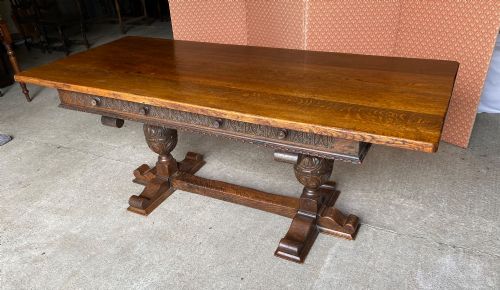
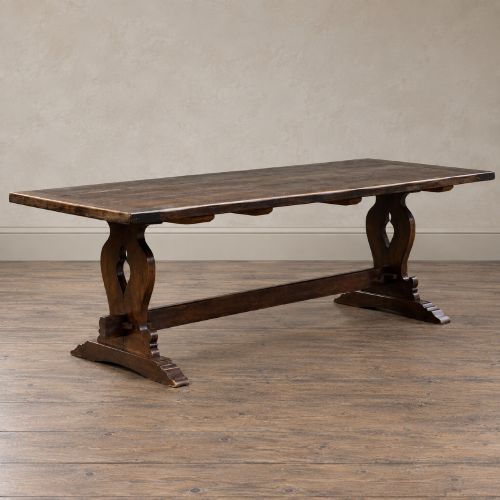
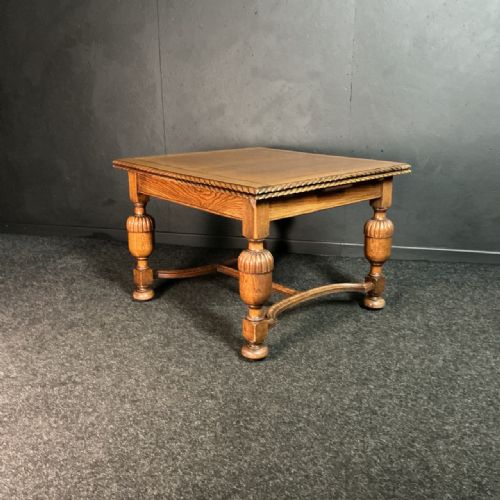
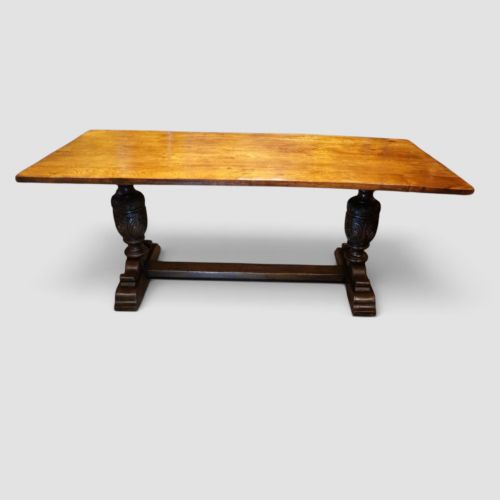
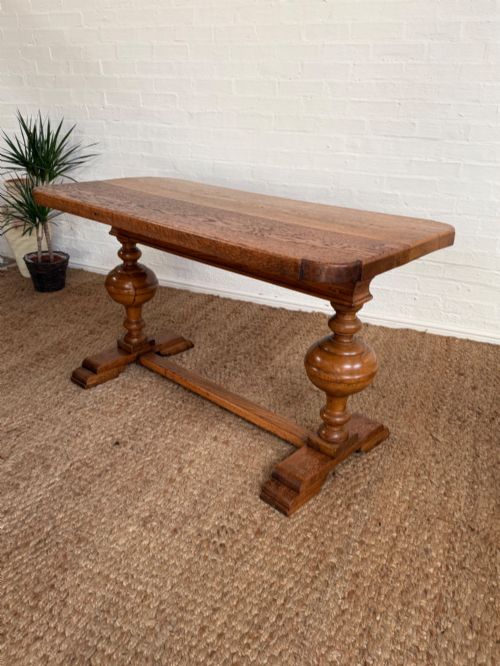
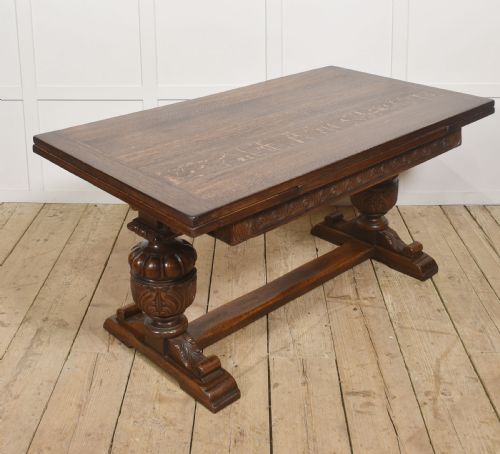
These pieces sold as a tudor carved oak table are sturdy wooden refectory and dining forms that anchor a room with authentic period presence.
Tudor Carved Oak Table
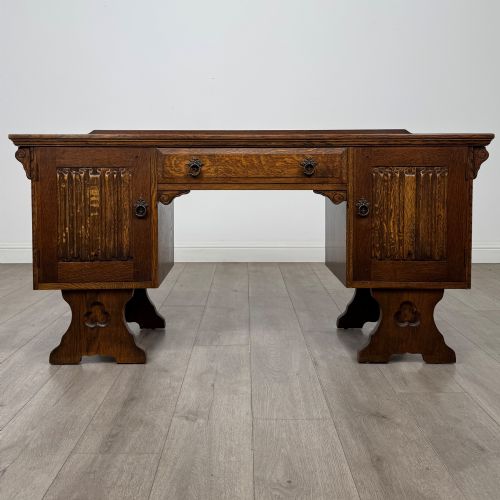
When you search for a tudor carved oak table, you encounter robust refectory and dining tables made in solid timber, alongside related forms like benches and desks. The selection spans genuine 17th century pieces alongside revival interpretations from the Victorian, Edwardian, and 19th and 20th century eras.
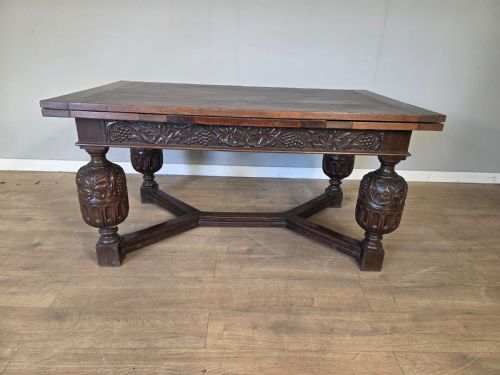
You are most likely to meet refectory dining tables and draw-leaf extensions originating from the early 20th century, often bearing Jacobean and Elizabethan revival details. These items replicate the heavy proportions and substantial presence of earlier centuries using seasoned timber.
The category also encompasses smaller side tables, coffee tables, and desks sharing the characteristic heavy timber construction and dark patination. Each object offers a functional surface supported by sturdy legs and traditional framework.
What varies in quality
The degree of hand craftsmanship separates the finest examples from standard production pieces, particularly in the depth and sharpness of the carved enrichment. Crisp linenfold panels and deeply undercut mouldings require superior artisan skill compared to shallow, machine-routed decoration.
The integrity of the timber and the retention of original structural components determine the overall standing of an individual piece. Tables that retain their original tops and uncompromised joinery command greater respect than those altered or excessively restored over time.
Proportion and balance also dictate distinction, as superior items exhibit harmonious scale and sturdy weight distribution across their refectory bases and extending leaves.
Object forms range from large extending refectory dining tables to compact desks, joint stools, and dressing tables.
The Tudor Carved Oak Table Glossary
- Refectory table
- A long, narrow dining table originally used in monastic dining halls and later adopted for domestic settings. This form constitutes a major portion of the timber tables available.
- Draw-leaf table
- An extending table featuring two sliding leaves stored beneath the main top that pull out to lengthen the surface. This mechanism provides flexible dining space without removing the primary boards.
- Linenfold
- A style of woodcarving that imitates folded fabric, frequently seen on panels of cupboards, desks, and tables. The motif creates a textured vertical relief across flat wooden surfaces.
- Jacobean Revival
- A design style popular in the 19th and 20th centuries that imitates the architectural and decorative motifs of the early 17th century. Pieces in this style often feature dark oak, turned legs, and strapwork carving.
- Joint stool
- A sturdy wooden stool constructed with mortise and tenon joints rather than turned legs inserted into a seat. These pieces served multiple domestic uses in early households.
Tudor Carved Oak Table: Frequently Asked Questions
How do I care for solid oak tables?
Maintain the surface by applying natural beeswax periodically to nourish the timber and prevent the wood from drying out. Avoid placing the piece in direct sunlight or near heat sources to protect the structure.
Clean spills immediately using a soft, dry cloth and refrain from using harsh chemical sprays that strip the traditional wax finish.
How do I distinguish revival pieces from older work?
Examine the underside, joints, and tool marks for consistency with period construction methods. 17th century items display hand-sawn timber and peg construction that differ from later machinery traces.
Review the patination and wear patterns across high-contact zones to determine if the age matches the recorded stylistic era.
Were these tables used only for dining?
Refectory tables served multiple domestic purposes in large halls, including meetings, administrative tasks, and food preparation alongside communal dining. Their sturdy construction accommodated heavy daily use by households.
Smaller variants also functioned as side tables, desks, and hall furniture depending on the room layout.
What is Ipswich oak?
Ipswich oak refers to a specific revival style and production origin associated with mid-20th century English cabinet making. These pieces emulate earlier Tudor and Jacobean styles using traditional pegged construction and dark finishes.
Items from this tradition maintain heavy proportions and characteristic carved details inspired by antique precedents.