
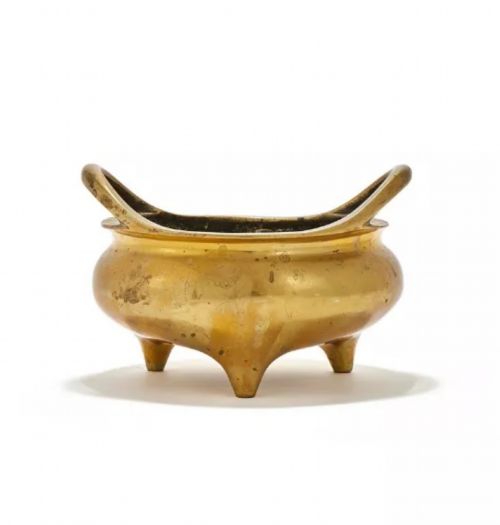
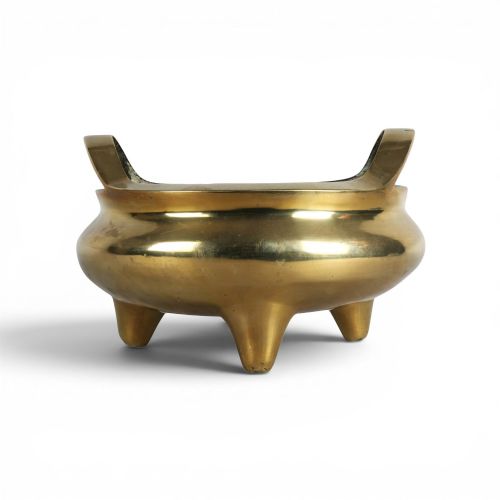


Tripod Bronze Burner
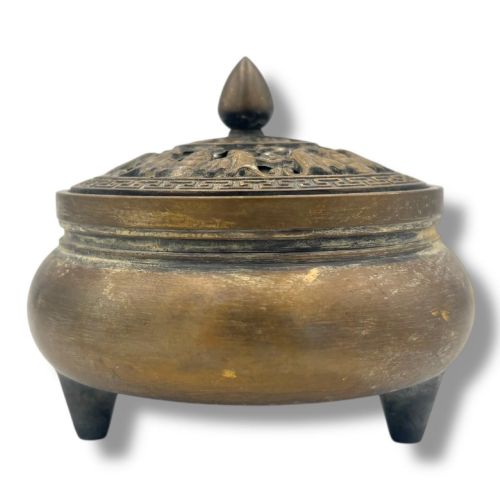
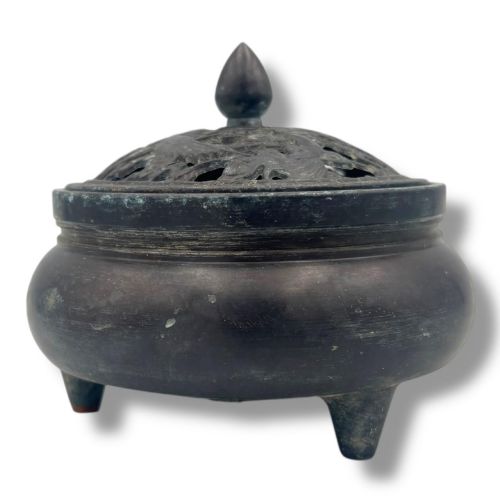
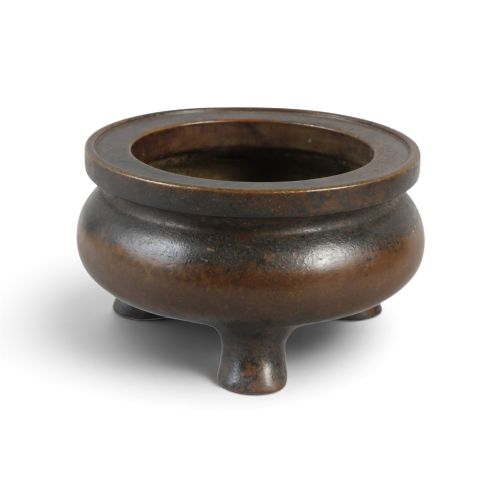
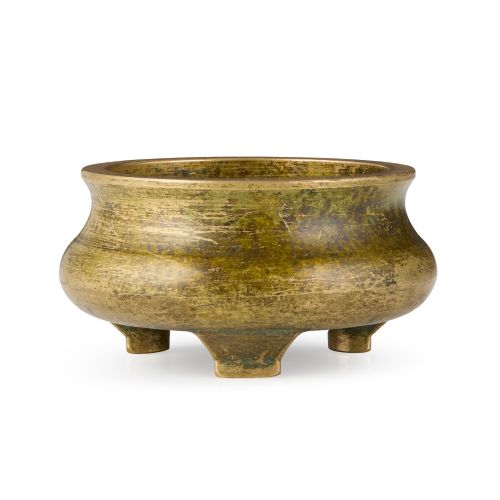
A tripod bronze burner is a sturdy vessel raised on three feet, used for holding fragrant incense, offering both ritual presence and solid decorative weight.
Tripod Bronze Burner
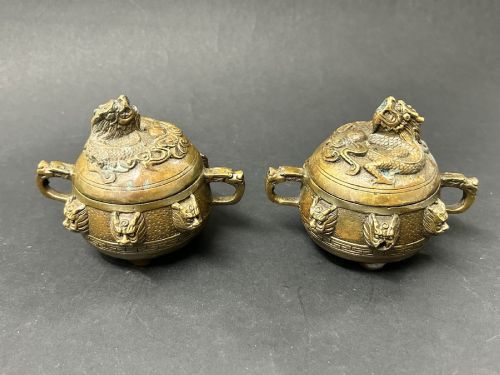
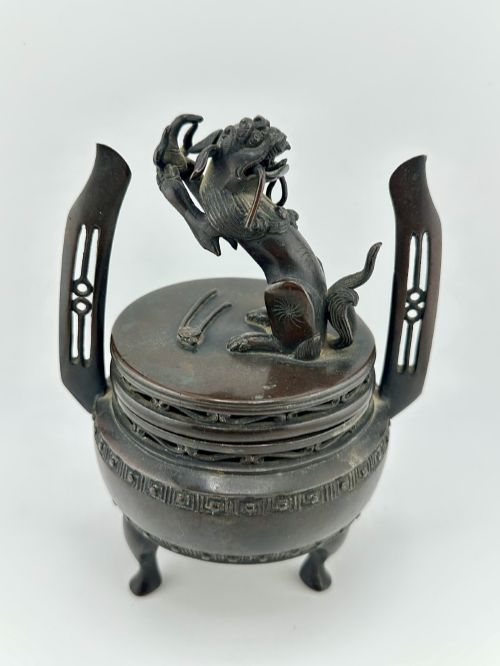
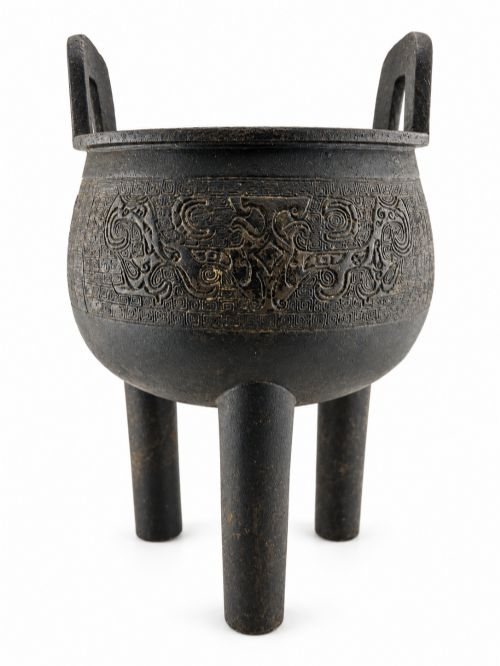
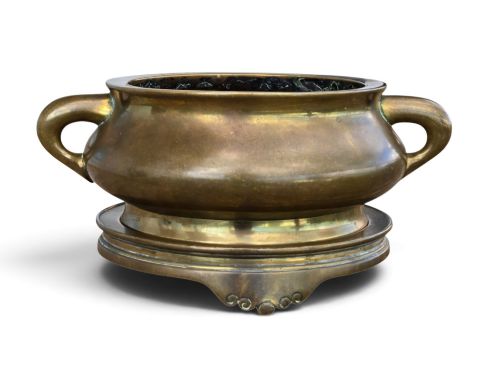
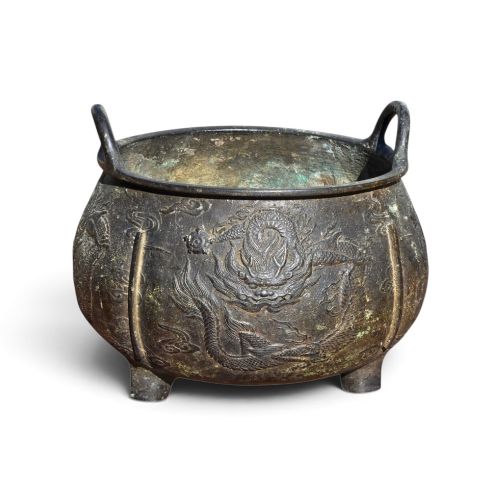
A tripod bronze burner is typically encountered as an antique Chinese or Japanese censer, taking forms from rounded bowls to hexagonal vessels with matching lids. These pieces span centuries of production, appearing in styles from archaistic ritual vessels to lidded containers with lotus, dragon, or qilin motifs.
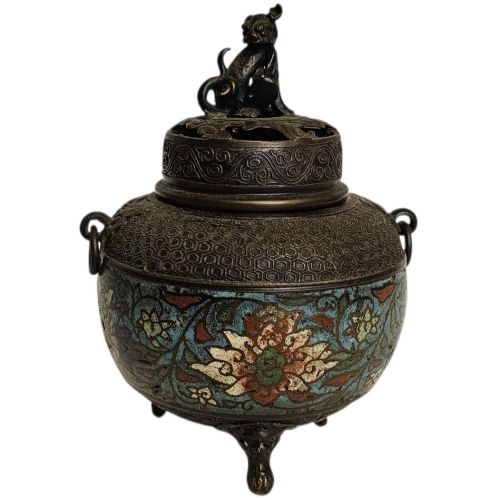
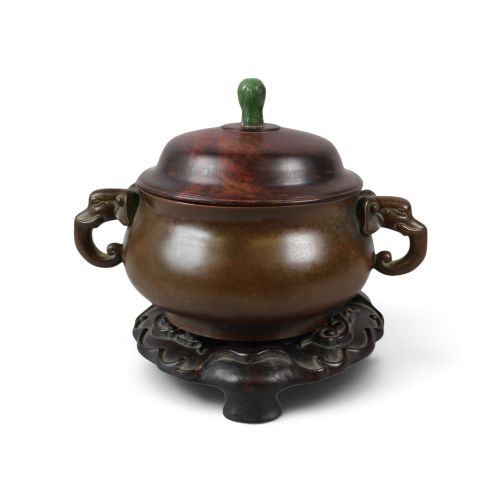
The selection ranges from heavy scholar's studio pieces and massive ritual vessels to smaller Japanese examples incorporating cloisonné enamel or silver details. Many rest upon custom hardwood stands, maintaining a traditional presentation that elevates the vessel from a simple bowl to a sculptural object.
Materials and Casting Techniques
These vessels rely primarily on heavy cast bronze, brass, or copper alloy, shaped through traditional foundry methods to achieve substantial weights and resonant walls. Master casters utilised detailed surface decoration, incorporating taotie masks, elephant-head handles, and pierced floral lids directly into the metalwork.
Surface finishes are integral to the construction, showing deep patinated bronze tones alongside applied cloisonné enamel and jade finials. Selected pieces integrate organic elements such as zitan or hardwood stands, uniting cast metal with carved wood.
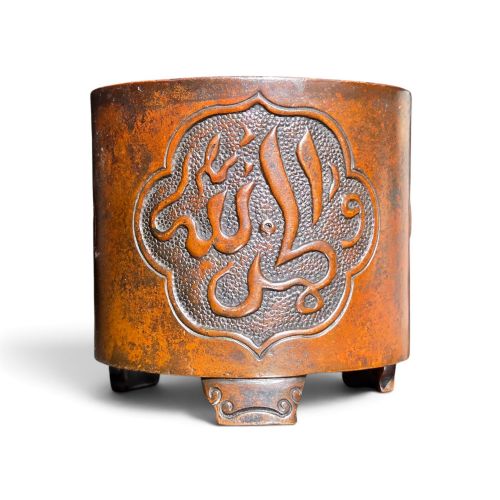
One remarkably heavy scholar's censer tips the scales at over three kilograms, ensuring nobody accidentally slides it across the desk.
Distinctions in Quality
Quality rests upon the density of the casting and the clarity of the metal's resonance when struck, distinguishing solid heavyweight pieces from lighter iterations. Superior examples display crisp definition in archaistic motifs, dragon handles, and pierced lids without loss of detail.
The richness of the natural patina and the presence of well-executed reign or studio marks contribute significantly to a piece's standing. Integration with original or contemporary hardwood stands and intact cloisonné enamel further separates standard vessels from finer workshop productions.
The Tripod Bronze Burner Glossary
- Archaistic
- Design elements mimicking ancient ritual bronzes from earlier dynasties. These motifs often include stylized animal masks and geometric patterns.
- Censer
- A vessel designed for burning incense. They appear frequently with fitted covers and three supporting feet.
- Cloisonne
- Enamelling technique where thin metal wires form compartments on a metal base, which are then filled with paste and fired. This adds colourful decorative patterns to the bronze body.
- Qilin
- A mythical hooved Chinese creature symbolizing good fortune and prosperity. Figures of this beast frequently serve as finials on burner lids.
- Zitan
- A dense, dark tropical hardwood valued for making traditional stands and furniture. It provides a heavy, stable base for displaying bronze vessels.
Tripod Bronze Burner: Frequently Asked Questions
What is a tripod bronze burner used for?
These vessels were originally designed to burn aromatic incense in homes, temples, and scholar's studios, releasing fragrant smoke through pierced lids or open bowls.
Today, they serve primarily as decorative objects or sculptural centrepieces, valued for their historical weight, patination, and intricate cast detailing.
How do I care for a bronze censer?
Maintain the surface simply by dusting with a soft, dry cloth to preserve the natural patina built up over generations.
Avoid using harsh metal polishes or liquid cleaners, which can strip away the aged finish and diminish the historical character of the bronze.
Are these burners Chinese or Japanese?
The selection includes both Chinese and Japanese examples, with the majority reflecting traditional Chinese forms such as archaistic ding vessels and scholar's censers.
Japanese pieces often incorporate distinct stylistic markers like silver inlay, cloisonné enamel, or Edo period manufacturing traits alongside standard tripod designs.
What do the marks on the bottom mean?
Many pieces bear reign marks, such as Xuande or Qianlong, or scholar's studio marks like those attributed to Wu Bangzuo.
These marks often honour earlier periods of master craftsmanship rather than indicating exact contemporary production dates, serving as a nod to classical aesthetics.