




Tribal Wool Wall Art
When you search for tribal wool wall art, you are tracking down nomadic textiles originally crafted for utilitarian service that now find new life displayed vertically in modern interiors.
Tribal Wool Wall Art
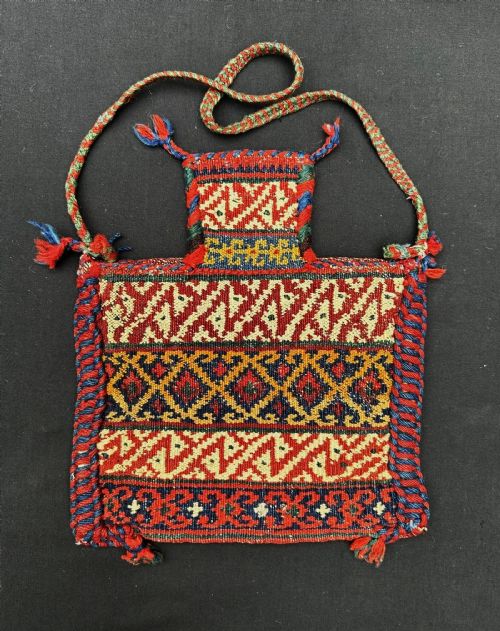
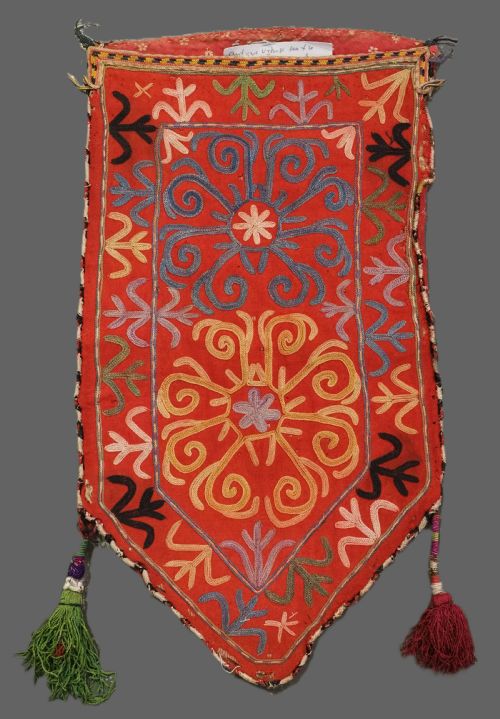
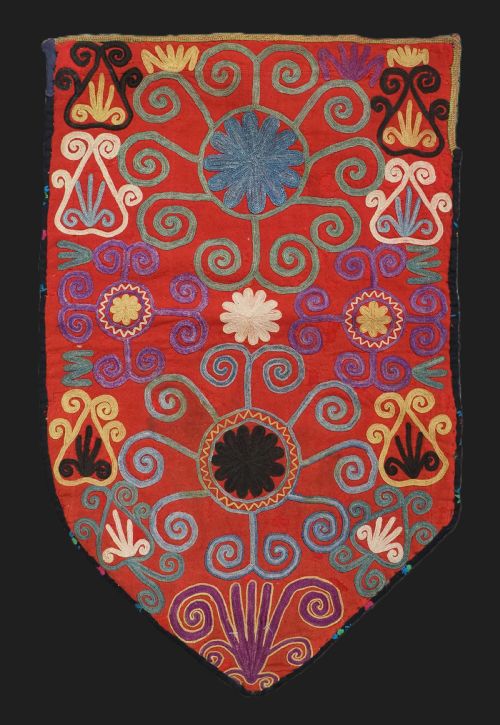
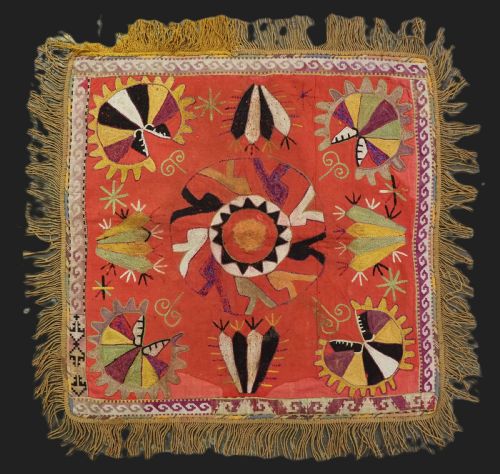
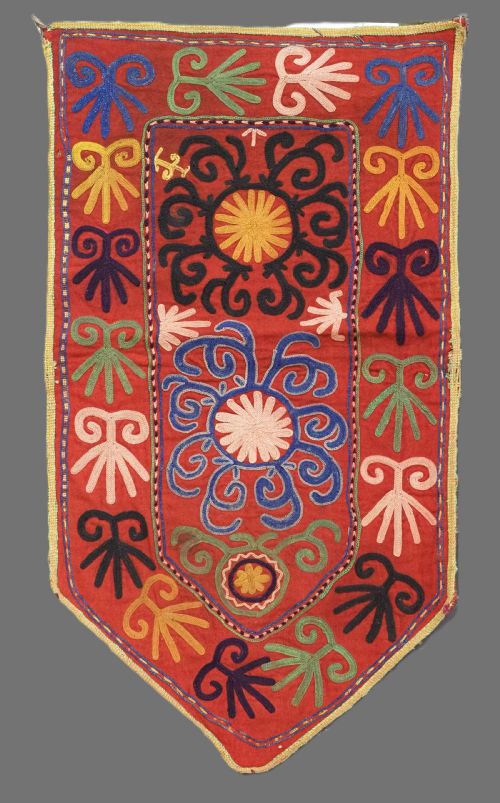
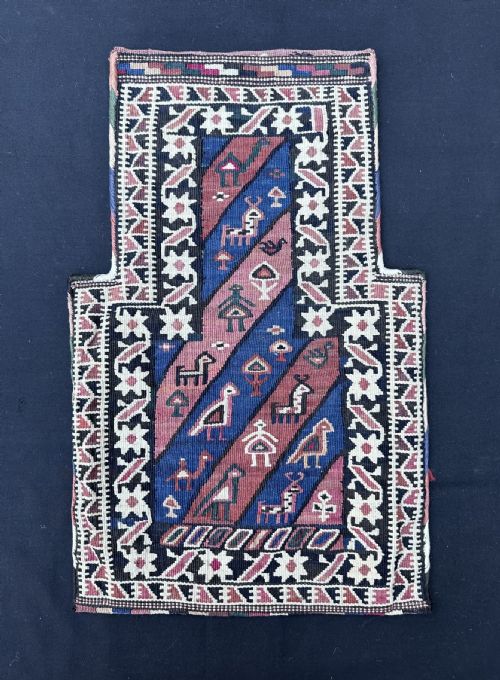
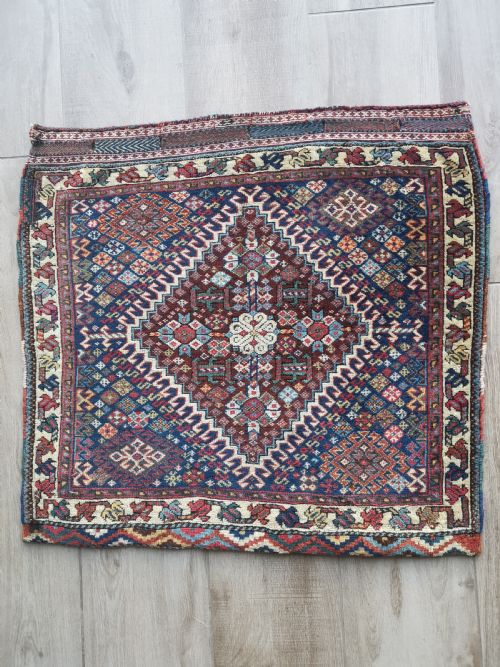
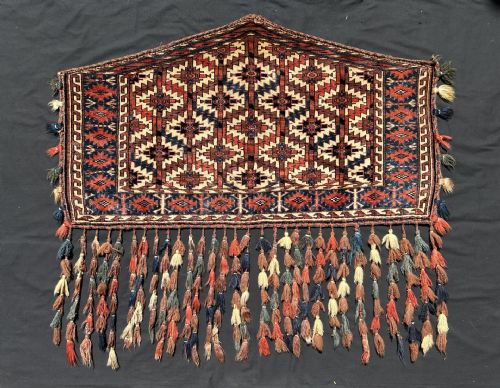
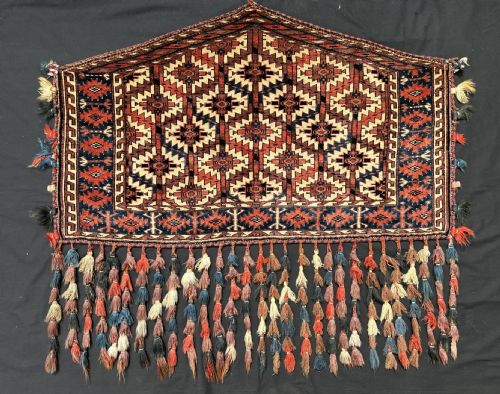
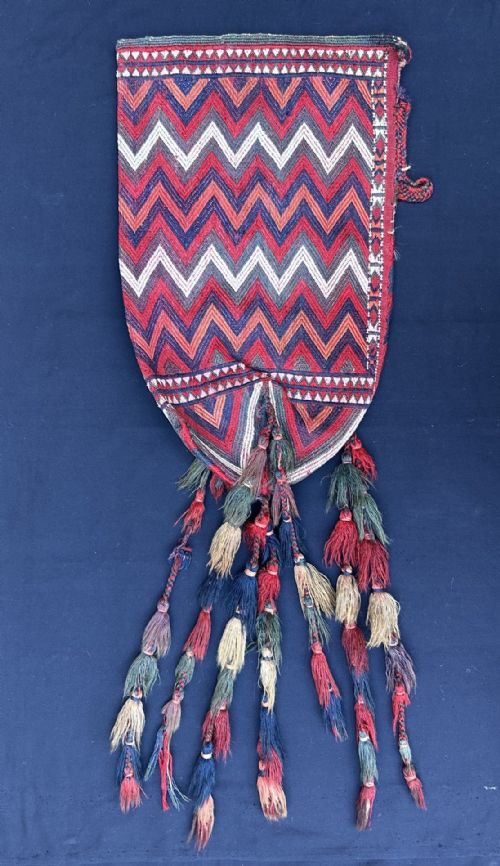
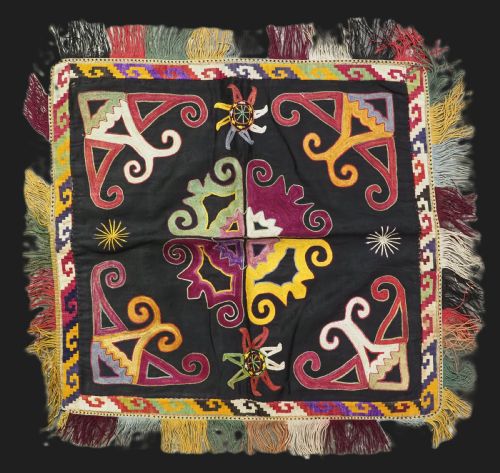
Tribal wool wall art encompasses a diverse range of nomadic and village textiles, including dowry embroideries, storage bags, horse covers, and felt panels originating from Persia, Central Asia, and the Caucasus. These objects span the nineteenth and early twentieth centuries, created by tribal groups such as the Yomut, Lakai, Qashqai, and Afshar.
Buyers searching this phrase most frequently encounter repurposed functional items like bag faces, torbas, andilgiches rather than pieces originally designed strictly for display. These textiles served daily nomadic life before being mounted on walls for their intricate patterns and rich textures.
The aesthetic of these pieces relies on geometric motifs, tribal emblems, and bold field arrangements rooted in specific regional traditions. Each piece reflects the material culture of the nomadic groups who wove or embroidered them using traditional techniques passed down through generations.
Materials and Construction
Makers utilised hand-spun wool as the primary foundation and pile material, frequently supplemented by cotton for structural stability and silk highlights for visual contrast. Natural dyes provided the deep reds, blues, and earthy tones characteristic of these nineteenth-century textiles.
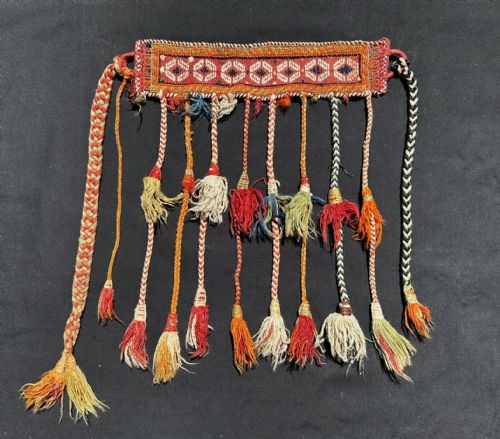
Construction methods vary widely across regions, encompassing pile weaving, flatweave techniques like soumak, and intricate surface embroidery often executed on felt or wool ground fabrics. Additional organic elements such as goat hair, leather, wood, and horse hair appear in specific utilitarian pieces like saddlebags and tent bands.
Tribal Wool Wall Art Retail Price Guide 2026
Typical asking prices for tribal wool wall art among the pieces listed under this phrase on Sellingantiques today, from the lower quarter to the upper quarter. They describe what is for sale here now, not the wider market.
Several nineteenth-century nomadic items began their working lives strapped securely to the flanks of camels or horses.
Assessing Quality and Execution
Quality in these textiles depends heavily on the fineness of the spin, the density of the knotting or embroidery, and the stability of the natural dye palette. Superior examples demonstrate precise execution of complex geometric motifs and harmonious colour saturation across the surface.
The integrity of the original wool, the survival of delicate silk highlights or tassels, and the preservation of the edges and field design separate exceptional nomadic pieces from standard examples. Age-related wear remains acceptable provided the structural foundation stays sound and the tribal iconography retains its visual impact.
The Tribal Wool Wall Art Glossary
- Torba
- A small storage bag produced by Turkmen and other Central Asian tribes, traditionally used inside the yurt for household possessions. These pieces often feature repeating guls and wide borders.
- Asmalyk
- A large, pentagonal trapping produced by Turkmen tribes, specifically the Yomut, designed to decorate the flanks of a camel during wedding processions. They are prized for their distinctive shape and intricate field designs.
- Soumak
- A flatweave technique where pattern threads are wrapped over the warp threads in a herringbone pattern, creating a durable textile with a textured, ribbed surface on the face.
- Gul
- A repeating medallion or octagonal design motif used extensively by Turkmen and other Central Asian nomadic weavers to identify specific tribal lineages.
Tribal Wool Wall Art: Frequently Asked Questions
What is tribal wool wall art?
Tribal wool wall art comprises historical nomadic textiles, such as bags, torbas, and embroideries, originally made for practical use and now hung as decorative art.
These objects reflect the distinct weaving traditions of tribal groups across Persia, Central Asia, and the Caucasus during the nineteenth and early twentieth centuries.
How were these textiles originally used?
Nomadic communities utilised these woven and embroidered pieces for storage, transport, animal trappings, and dowry furnishings within tents and yurts.
Items like salt bags, horse decorations, and spindle bags served daily domestic and ceremonial functions before entering the collector market.
How should I care for wool wall art?
Protect antique wool textiles from direct sunlight to prevent natural dye fading, and mount them using conservation-grade methods that distribute weight evenly.
Gentle vacuuming with a mesh screen barrier helps remove dust without damaging fragile hand-spun wool or silk highlights.
How do I identify different tribal styles?
Tribal attribution relies on specific structural formats, colour palettes, and repeating geometric motifs unique to groups such as the Yomut, Qashqai, Afshar, or Lakai.
Examining the weave structure, fringe construction, and regional design vocabulary helps separate pieces originating from the Caucasus, Persia, or Central Asia.