
Tribal Wool Textile
When you search for a tribal wool textile, you are looking at nomadic weaving traditions shaped by daily utility and cultural ceremony.
Tribal Wool Textile
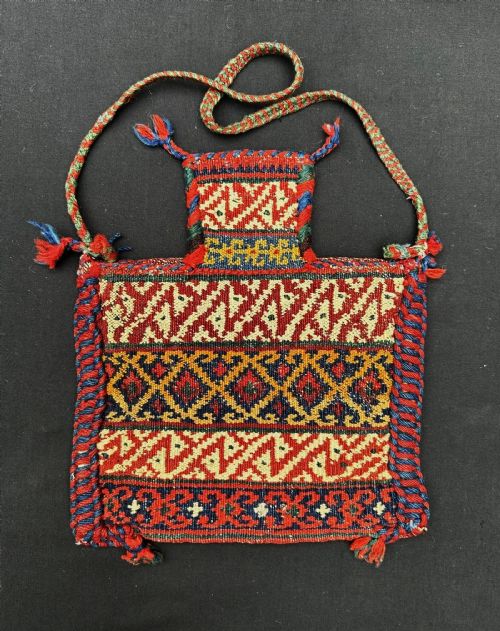
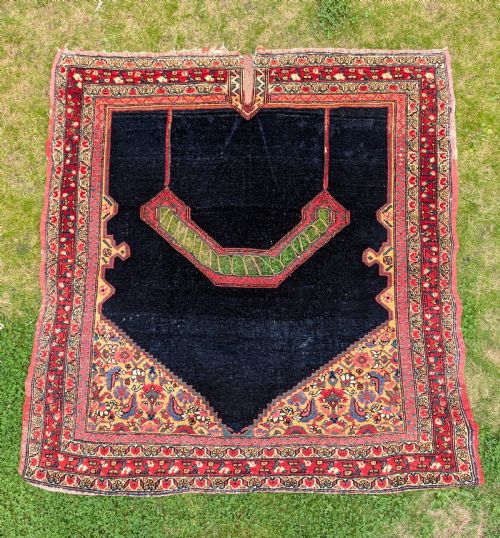
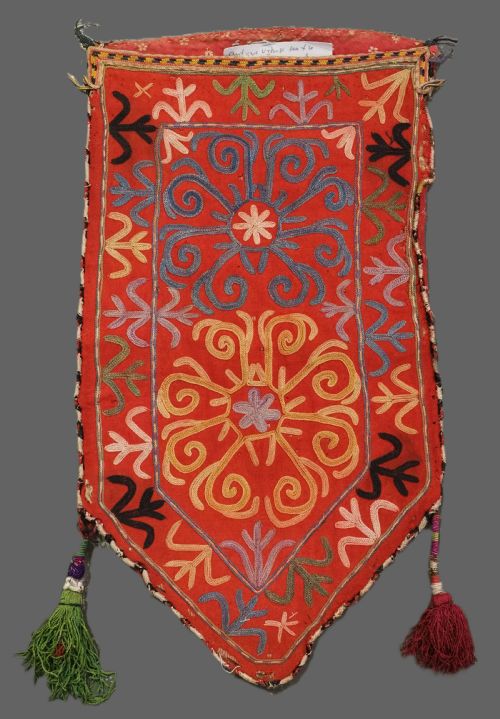
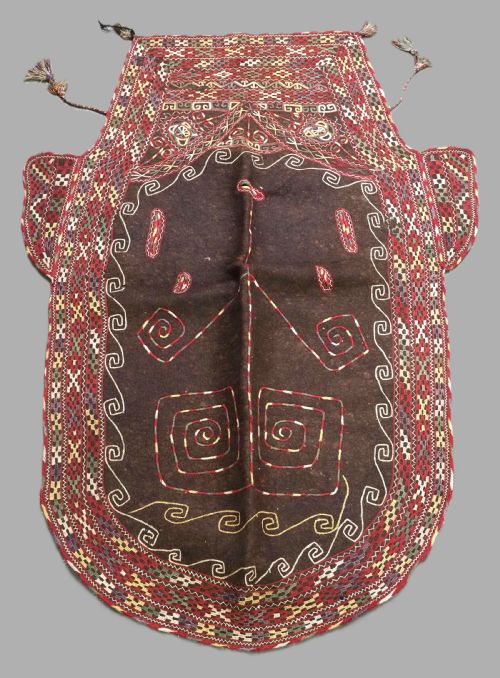
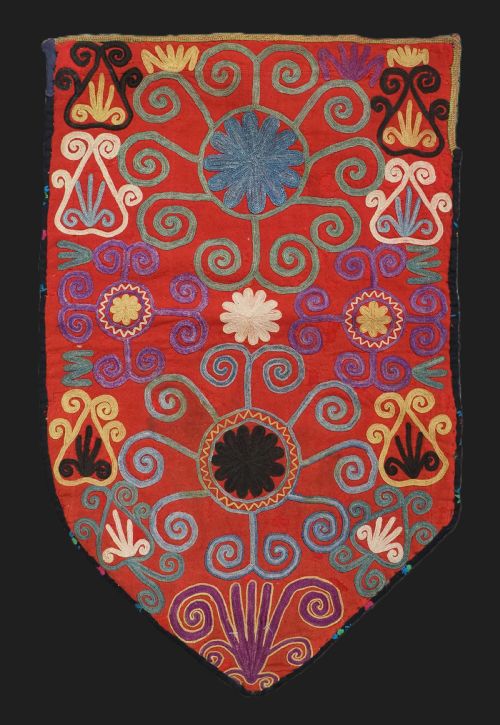
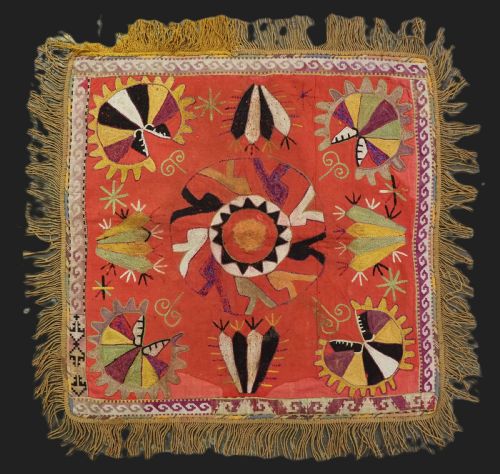
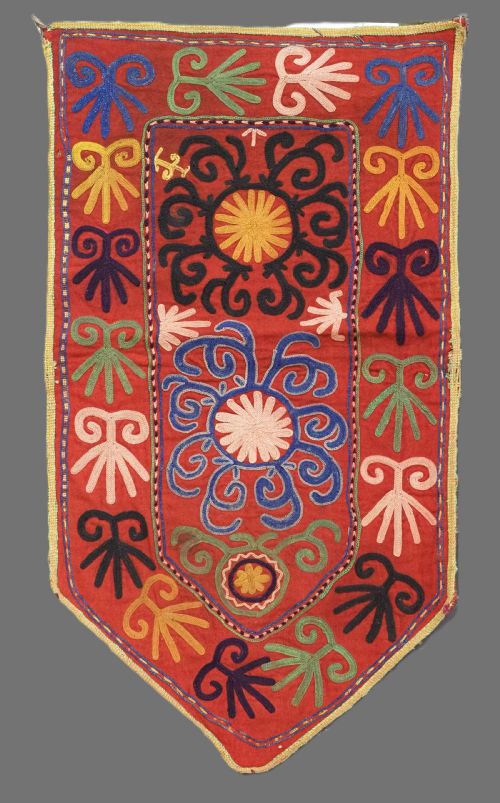
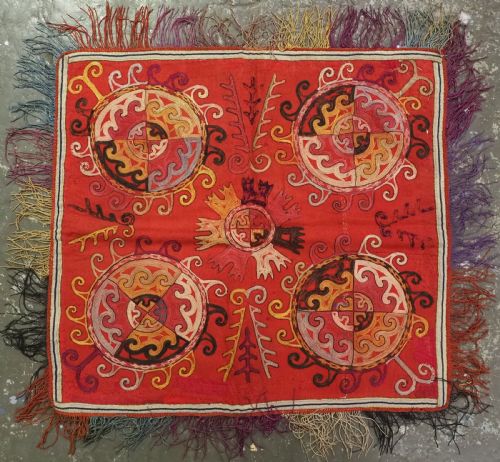
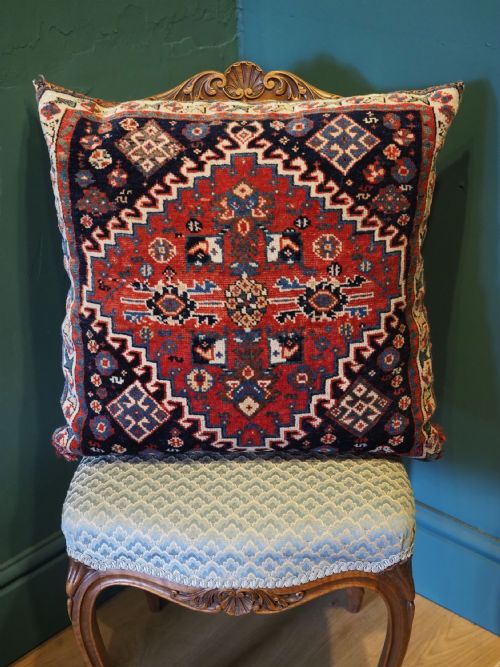
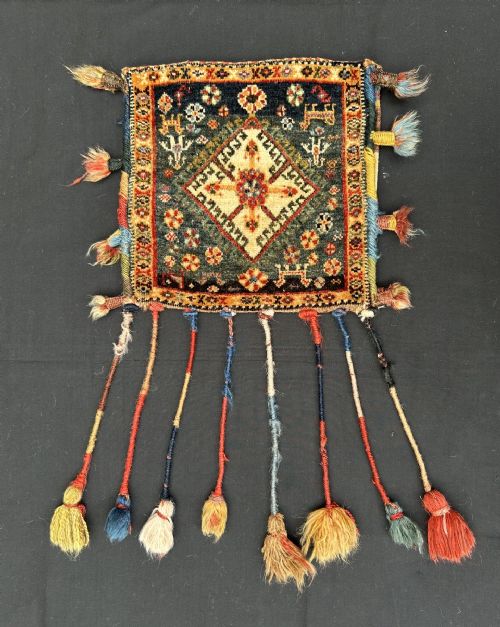
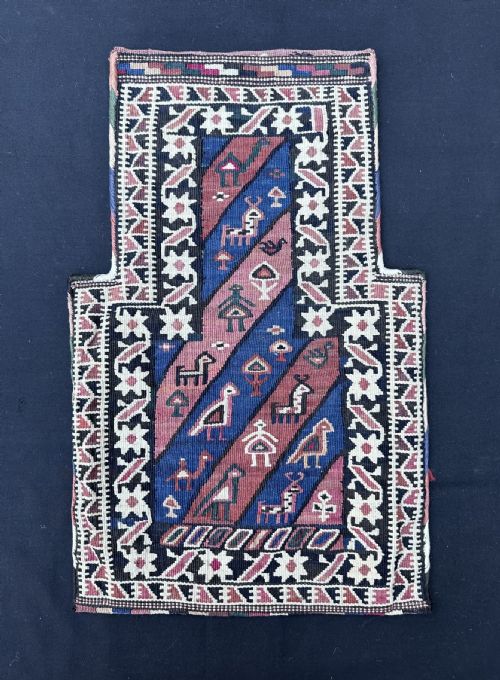
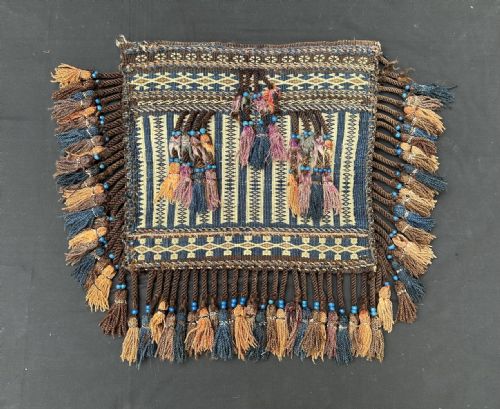
A tribal wool textile encompasses practical nomadic items such as saddle bags, storage sacks, ceremonial horse blankets, and wall hangings originating from Persia, Central Asia, and Afghanistan. These pieces served functional roles in nomadic migration and daily camp life before transitioning into decorative textile art.
Originating predominantly from the late nineteenth and early twentieth centuries, these woven and embroidered works preserve historical nomadic motifs and traditional construction methods. Each piece reflects the specific geographic and cultural environment of its makers.
Materials and Techniques
The foundational material across these pieces is hand-spun wool, often paired with cotton or silk thread for supplementary embroidery and detail work. Natural dyes provided the rich palette of reds, blues, and earth tones seen in the weaves and felted elements.
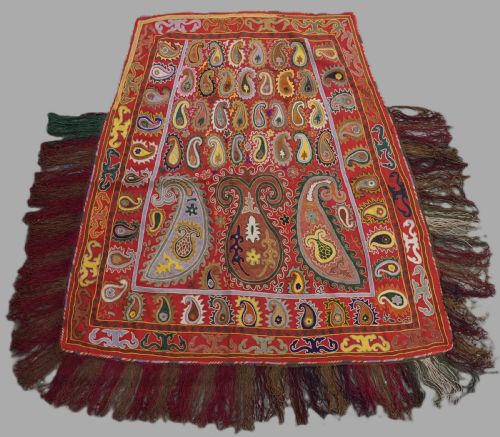
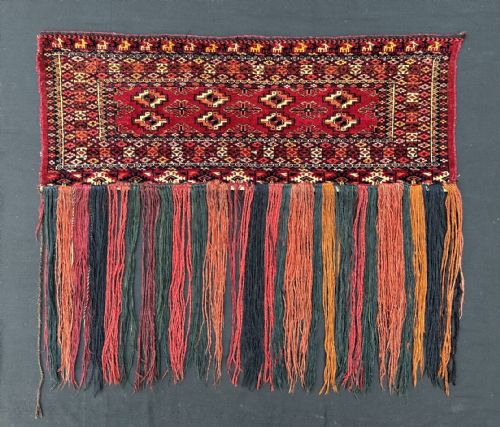
Construction techniques vary from pile weaving and flat-weaving to dense surface embroidery on felted wool foundations. Textile items like horse covers and storage bags required durable structures to withstand the rigours of nomadic existence.
Materials documented across the inventory include hand-spun wool, felted wool, cotton foundations, and silk embroidery threads.
Evaluating Quality
Quality in these textiles rests upon the fineness of the spin, the tightness of the weave or embroidery, and the integrity of the natural dyes. Superior examples exhibit precise handling of complex geometric or zoomorphic motifs and a resilient handling of wool.
The distinction between standard utility items and masterworks lies in the vitality of the composition and the preservation of the material over time. Patination and structural cohesion dictate the standing of an individual piece within its regional tradition.
The Tribal Wool Textile Glossary
- Ilgich
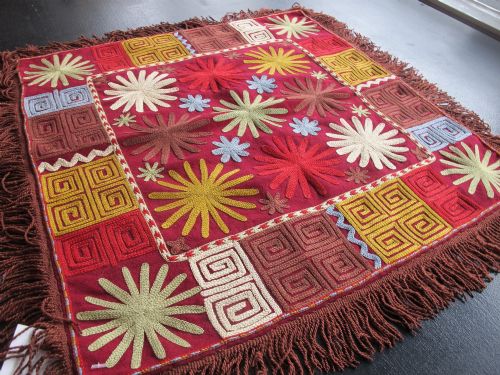
- A type of dowry embroidery produced by the Lakai tribe in Central Asia, typically utilised for wall hanging and ceremonial display. These pieces are recognised by their energetic hook-and-latch designs.
- Asmalyk
- A large, pentagonal ceremonial horse trapping used by Turkmen tribes during wedding processions. They were mounted on the flanks of the bride's camel or horse.
- Jollar
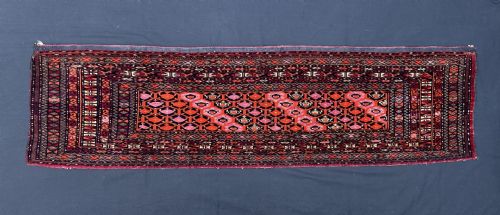
- A Turkmen storage bag featuring a wide horizontal format, traditionally hung inside a yurt to store household goods and bedding. They display characteristic gul motifs specific to the weaving tribe.
- Tacheh
- A flat-woven storage container or bagface created by Lori-Bakhtiari nomads in western Persia. These objects combine utility with robust geometric patterning.
- Uk Bash
- A decorative textile cover designed to shield the internal wooden strut junctions of a Turkmen yurt dome. They represent a specialised form of nomadic interior decoration.
Tribal Wool Textile: Frequently Asked Questions
What is a tribal wool textile used for?
These textiles were created for practical nomadic life, functioning as saddle bags, storage sacks, tent furnishings, and ceremonial horse blankets for weddings and migrations.
Today, collectors primarily display these pieces as wall hangings or decorative floor rugs to appreciate their historical artistry and texture.
How do I identify the tribe that made a textile?
Attribution relies on identifying specific structural techniques, colour palettes, and repeating motifs unique to regional groups like the Yomut, Qashqai, or Lakai.
Comparing the border designs and wool preparation methods against documented regional examples helps narrow down the origin.
Are these textiles made with natural dyes?
The majority of pieces from the nineteenth and early twentieth centuries utilise traditional natural dyestuffs derived from plants and insects, yielding rich and stable hues.
These natural colours mellow gracefully over time, producing a nuanced patination distinct from modern chemical dyes.
How should I care for an antique textile?
Antique wool textiles require gentle handling, protection from direct sunlight to prevent fading, and occasional light vacuuming through a mesh screen.
Professional textile conservation cleaning should be sought if deep washing becomes necessary to preserve the delicate hand-spun fibres.